


The influencer, whose identity has not been disclosed in this context, arrived in Australia in early October 2023, attracting attention for their polarizing views. The Department of Home Affairs cited concerns over the individual’s remarks, stating that they could incite violence and hatred against specific communities. This has led to a broader debate on the balance between protecting community harmony and upholding individual rights.
Critics of the visa cancellation argue that it sets a dangerous precedent for censorship and could discourage open dialogue on sensitive issues. Supporters, however, believe the government’s actions are necessary to maintain social cohesion and protect vulnerable groups from hate speech, as highlighted in discussions about the responsibilities of public figures. The situation has ignited discussions across various platforms, with many calling for clearer guidelines on the limits of free expression in Australia.
This incident occurs amid heightened tensions surrounding issues of identity, immigration, and social integration in Australia. As the nation grapples with its multicultural identity, the government’s decision has sparked a renewed focus on how to navigate these complex societal dynamics, similar to the discussions surrounding sports. The implications of this case may influence future policies regarding visa approvals and the management of public discourse in Australia.
Understanding the background of the influencer’s remarks
The recent decision by Australian authorities to cancel the visa of a Jewish influencer who made controversial remarks about Islam has sparked significant debate and concern. This incident is rooted in a complex interplay of social, political, and historical factors that reflect Australia’s ongoing struggle with issues of multiculturalism, freedom of speech, and the limits of public discourse.
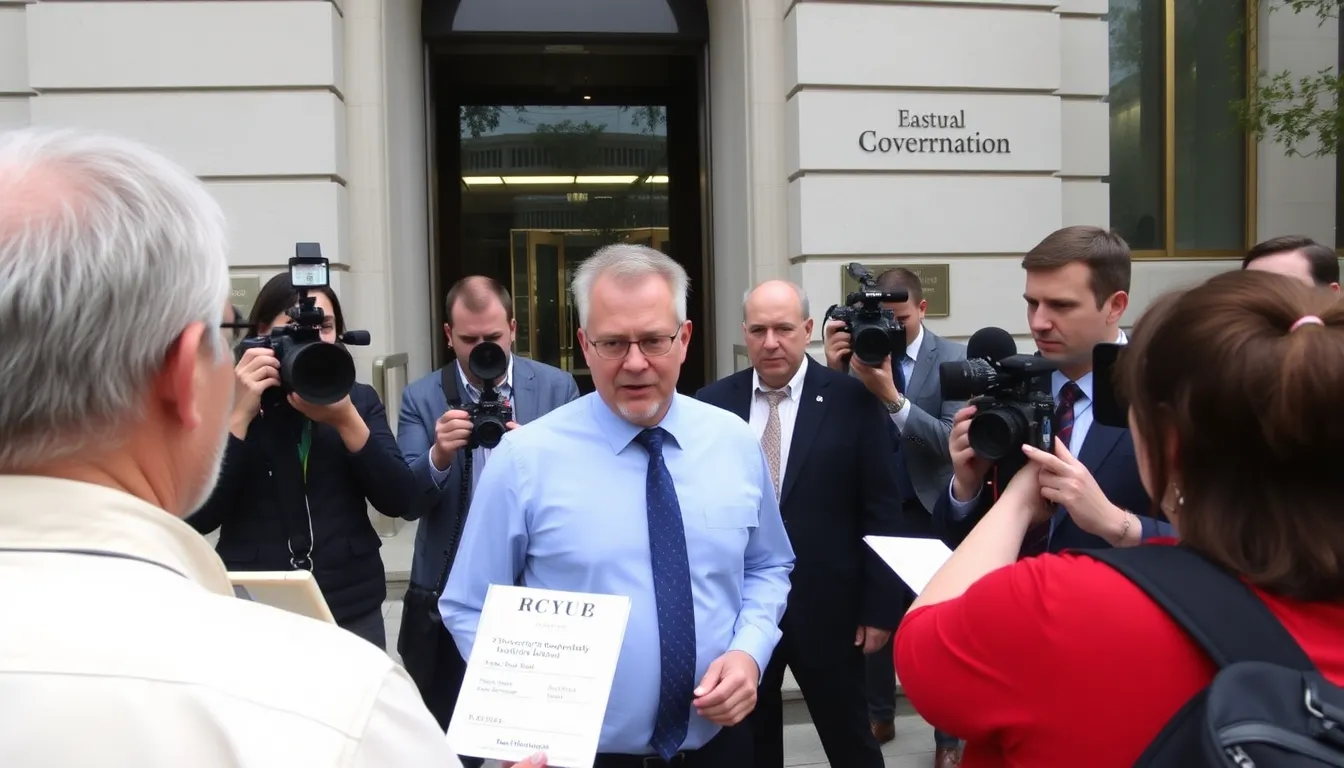
Australia has a long history of immigration and cultural diversity, with a significant Jewish community that has contributed to the nation’s social fabric. However, the rise of social media has amplified voices that may promote divisive narratives, leading to heightened tensions among various communities. The influencer in question had previously made statements that many perceived as inflammatory, calling for a ban on Islam, which raised alarm about hate speech and its implications for social cohesion.
In recent years, Australia has seen an increase in anti-Muslim sentiment, often fueled by global events and local incidents. This backdrop has prompted the government to take a firmer stance on hate speech, particularly when it intersects with immigration policies. The cancellation of the influencer’s visa reflects a broader effort to maintain public order and protect the rights of all communities within Australia, highlighting the delicate balance between free expression and the potential for harm, a topic also explored in the ongoing analyses of social issues.
Key milestones in Australia’s approach to hate speech
Australia’s legal framework surrounding hate speech has evolved over time, with significant milestones marking its development. The Racial Discrimination Act of 1975 was a foundational piece of legislation aimed at prohibiting discrimination based on race, color, or national or ethnic origin. More recently, high-profile cases have prompted discussions about the need for stricter regulations on speech that incites violence or hatred against particular groups. The ongoing dialogue around these issues continues to shape the way Australian society navigates the challenges of diversity and inclusion.
Examining the implications of the influencer’s statements
The decision by Australian authorities to cancel the visa of a Jewish influencer who previously called for a ban on Islam raises significant questions regarding freedom of speech, the responsibilities of public figures, and the broader societal implications of such statements. This situation involves various stakeholders, including the influencer, government agencies, advocacy groups, and the general public.
One of the main actors in this scenario is the Australian government, which has a vested interest in maintaining social harmony and protecting its multicultural society. By revoking the influencer’s visa, the government aims to signal its commitment to countering hate speech and preventing divisive rhetoric that could incite violence or discrimination against specific communities.
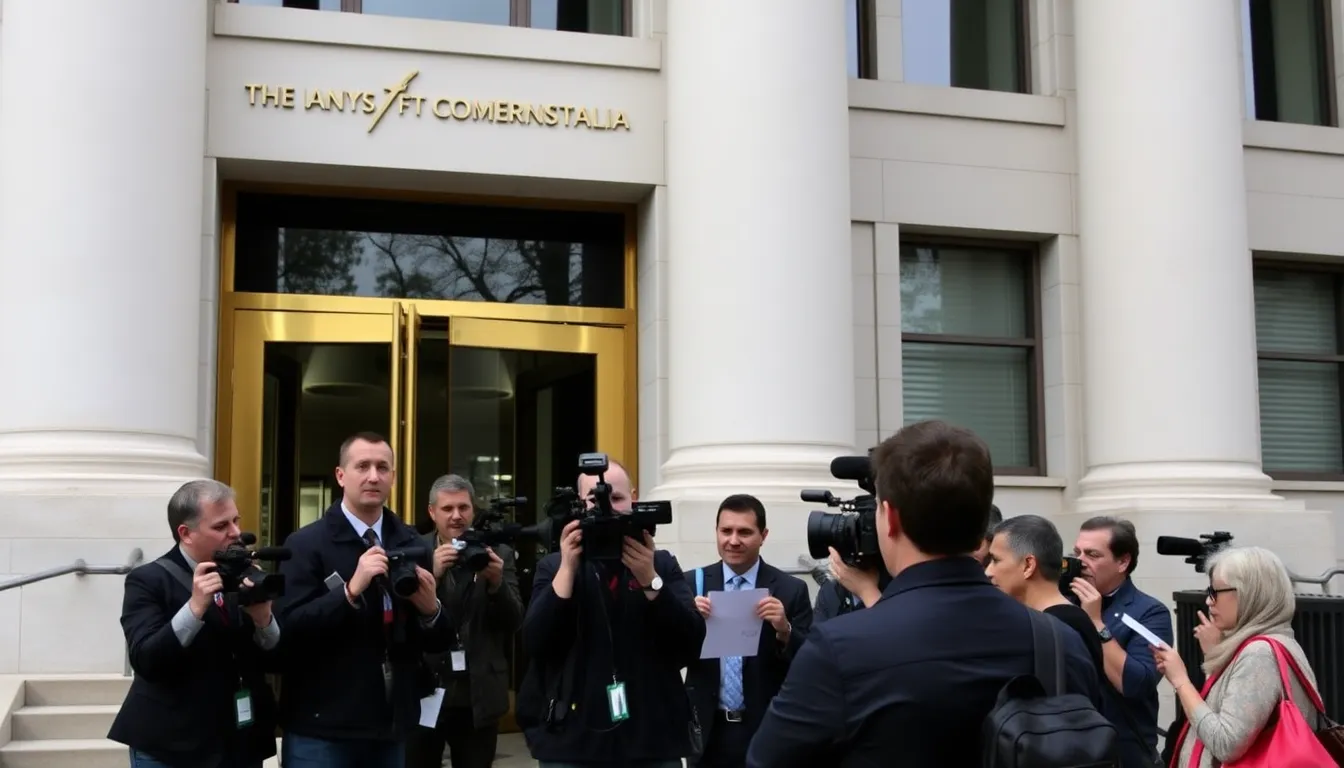
On the other side, the influencer and their supporters may argue that this action infringes upon their freedom of expression. They might contend that their statements, although controversial, are part of a broader discourse that should be permissible in a democratic society. This highlights the tension between protecting individual rights and ensuring public safety.
- Legal considerations: The cancellation of the visa raises questions about the legal thresholds for hate speech and the government’s authority to act against individuals based on their public statements.
- Economic implications: The influencer’s removal could impact their brand partnerships and income, as well as the tourism and cultural exchange sectors that benefit from a diverse population.
- Social ramifications: This incident may exacerbate divisions within the community, prompting discussions about tolerance and the limits of acceptable discourse.
- Advocacy responses: Various advocacy groups may respond to this decision, either supporting the government’s stance or defending the influencer’s right to free speech.
Ultimately, this case illustrates the complexities surrounding the interplay of free speech, public safety, and the responsibilities of influential figures in society. As the situation unfolds, it will be crucial to monitor how different stakeholders navigate these issues and the potential long-term effects on Australia’s social fabric.
Potential effects on the Jewish community and public discourse
The cancellation of the visa for a Jewish influencer known for controversial statements regarding Islam has significant implications for various groups and sectors within Australia. The Jewish community, in particular, may feel a heightened sense of vulnerability and scrutiny in the wake of this decision, as it raises questions about freedom of expression and the limits of acceptable discourse in multicultural societies.
In the short term, this incident could lead to increased tensions between different religious and cultural groups, potentially resulting in protests or public demonstrations. The influencer’s supporters may rally for their right to free speech, while opponents may call for more stringent measures against hate speech. This polarization could impact public discourse, leading to a more divided society.
Mid-term effects may include shifts in policy regarding immigration and visa regulations, particularly concerning individuals with controversial views. Government agencies may feel pressured to reassess their criteria for granting visas, which could lead to stricter policies that affect not only influencers but also other individuals seeking to enter Australia for various reasons. This could create a chilling effect on public figures who wish to express their opinions freely.
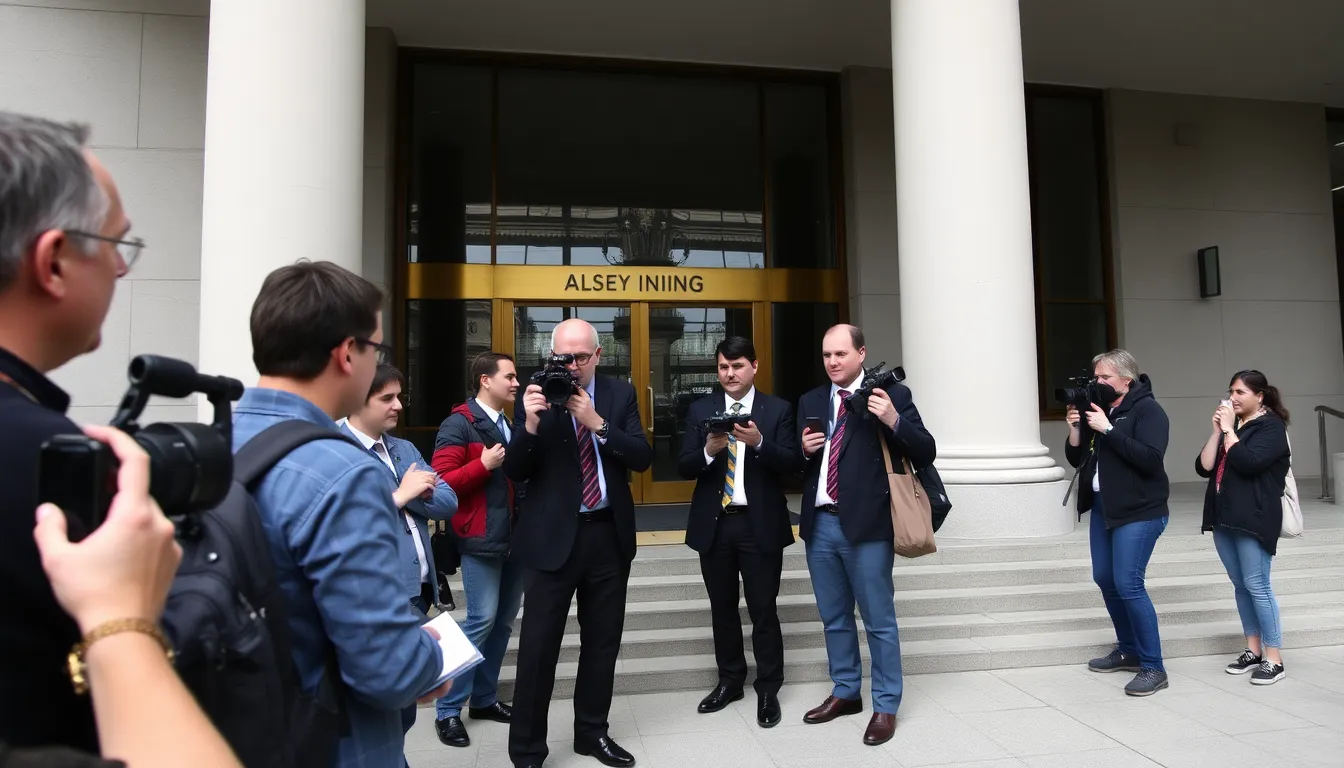
- Jewish community: Increased vulnerability and scrutiny.
- Public discourse: Potential polarization and division.
- Policy shifts: Stricter immigration and visa regulations.
- Business impact: Potential backlash or support affecting market dynamics.
On the business front, companies and brands associated with the influencer may face backlash from consumers who disagree with the influencer’s views. Conversely, there may be opportunities for businesses that champion inclusivity and diversity, as they can position themselves as advocates for tolerance and understanding. This incident may also encourage discussions around corporate social responsibility and the importance of aligning with values that promote harmony among diverse communities.
A: The visa was revoked due to the influencer’s previous comments calling for a ban on Islam, which raised concerns about hate speech and public safety. A: Visa cancellations in Australia can occur if an individual poses a risk to the community or if their actions are deemed contrary to the national interest. A: Reactions have been mixed, with some expressing concern over free speech implications, while others support the government’s stance against hate speech. A: It may set a precedent that could influence how future applications from individuals with controversial views are assessed. A: This incident may lead to heightened discussions around freedom of speech, hate speech laws, and the responsibilities of public figures.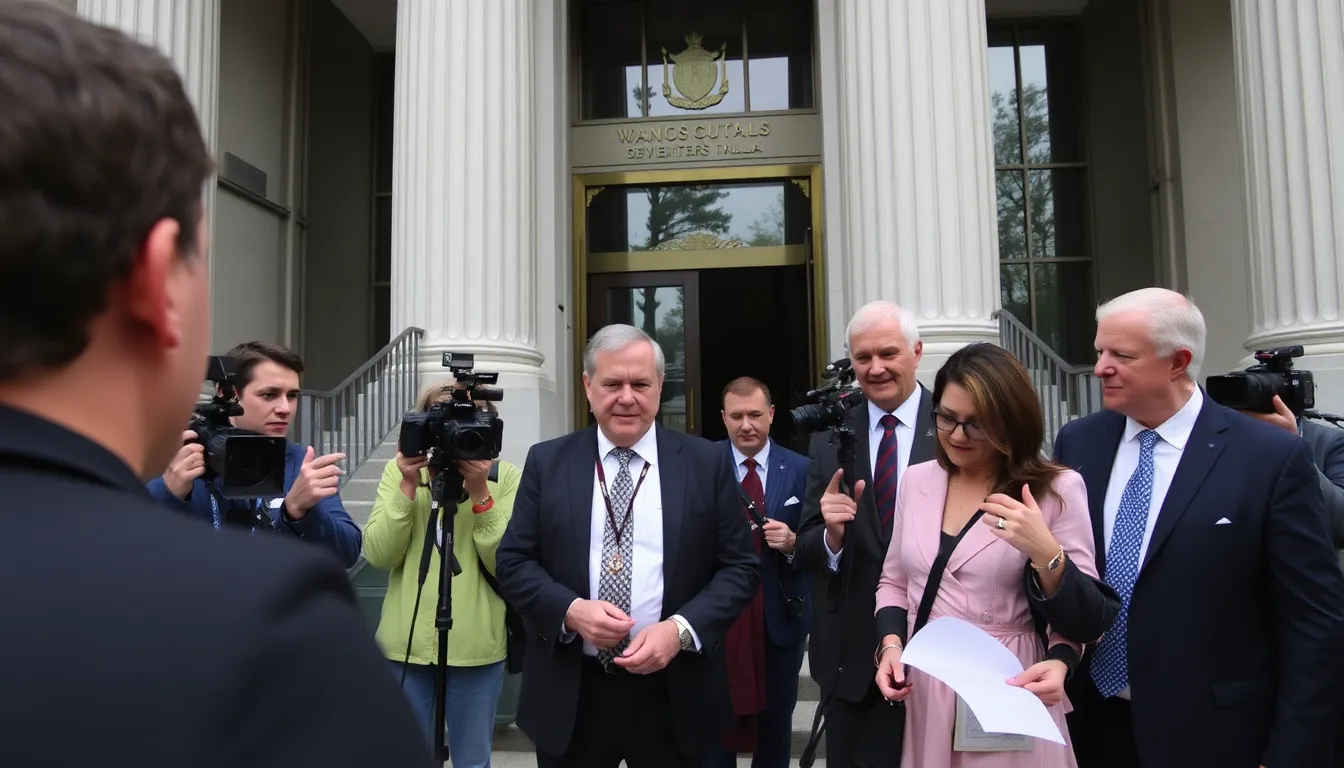
Frequently asked questions about the visa cancellation
Key takeaways and future implications of the case
The cancellation of the visa for the Jewish influencer highlights the ongoing tensions surrounding freedom of speech and the limits of expression in multicultural societies. This incident raises questions about the balance between protecting community values and allowing individuals to express controversial opinions. As Australia grapples with its approach to immigration and public discourse, the implications of this case may reverberate beyond its borders, influencing how other nations handle similar situations.
Moving forward, it will be essential to monitor how governmental policies evolve in response to public sentiment and the actions of social media figures. The case serves as a reminder of the potential consequences of inflammatory rhetoric and the role of government in regulating speech that may incite division.
- Increased scrutiny of social media influencers and their impact on public opinion may lead to more stringent visa regulations.
- The case could prompt a broader discussion on the limits of free speech and hate speech laws in Australia and beyond.
- Future incidents may result in heightened community tensions, necessitating proactive dialogue among diverse groups.
- Monitoring the response from advocacy groups will be crucial in understanding the societal implications of this decision.
- Potential international repercussions could arise as other countries observe Australia’s handling of similar cases.