


This tragedy has raised serious questions about public safety and the responsibilities of local authorities. The open pit, which was left unattended, has been a known hazard in the area, and residents have expressed frustration over the lack of action taken to secure it. Critics argue that this incident highlights a broader issue of negligence in urban planning and community safety measures, as seen in cases such as public safety investigations.
In the aftermath of the drowning, protests have erupted in various cities, with demonstrators demanding accountability from local government officials. Many are calling for immediate inspections of similar hazardous sites and improvements in emergency response protocols. The incident has also prompted discussions on the importance of community support and intervention in times of crisis.
As the investigation continues, the incident serves as a poignant reminder of the need for vigilance and compassion within communities. The outpouring of anger and grief reflects a collective demand for change, urging authorities to prioritize public safety and prevent such tragedies from occurring in the future.
Understanding the circumstances leading to the tragedy
The recent drowning of an Indian man in an open pit while pleading for help has sparked outrage and highlighted significant issues within the country’s infrastructure and emergency response systems. This tragedy is not an isolated incident; it reflects a broader societal neglect towards vulnerable individuals and the systemic inadequacies that often leave them without support in times of crisis.
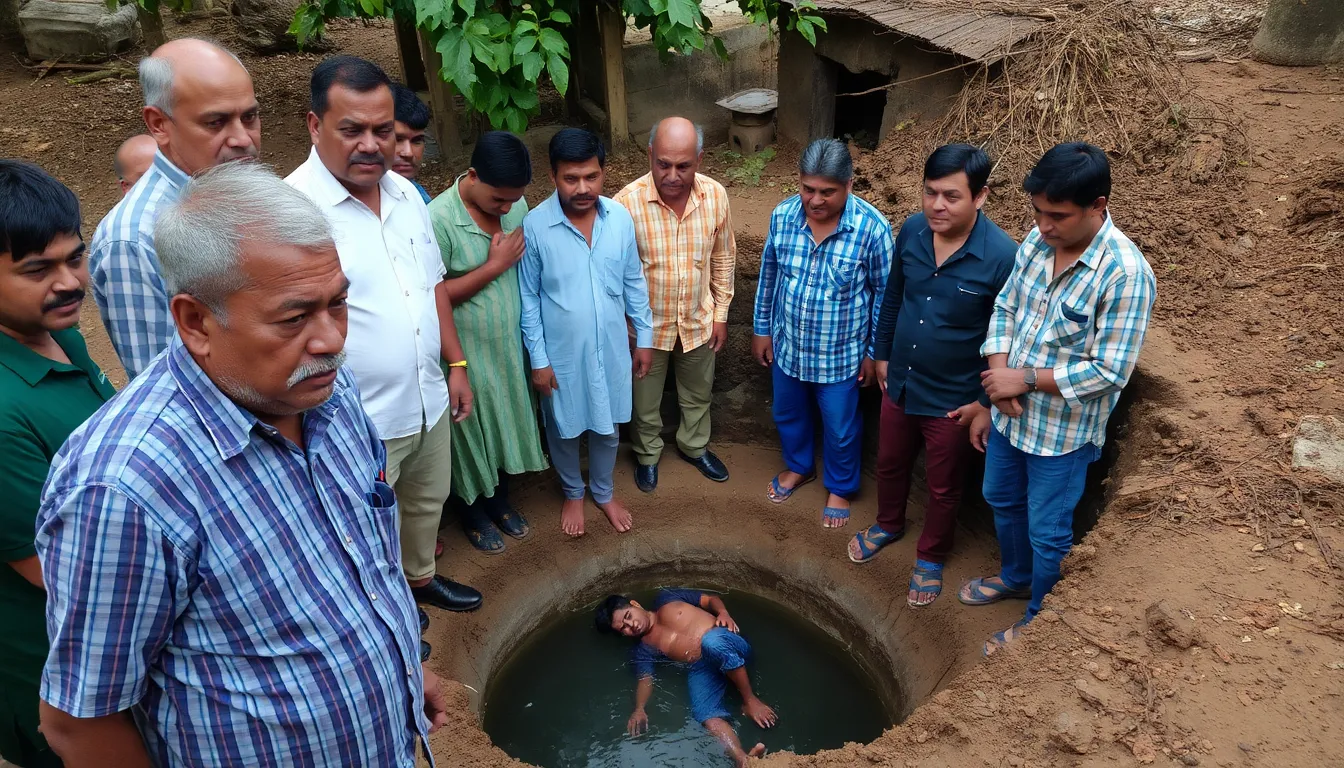
Historically, India has faced challenges related to urban planning and infrastructure development. Rapid urbanization has led to the creation of numerous open pits and construction sites that are often left unguarded or inadequately marked. These hazardous conditions are exacerbated by a lack of stringent regulations and oversight, particularly in poorer regions where resources are scarce. Such environments create dangerous situations for residents, particularly those who are marginalized or in need of assistance, similar to the discussions surrounding California’s infrastructure issues.
Moreover, the social fabric of many Indian communities is characterized by a reluctance to intervene in emergencies. Cultural factors often lead to bystander apathy, where individuals may hesitate to assist someone in distress due to fear, uncertainty, or a belief that help will arrive soon. This societal tendency was evident in the case of the drowning man, who reportedly begged for assistance for hours before succumbing to the dangers of the pit.
The Role of Governance and Accountability
The tragedy also raises questions about governance and accountability in India. Local authorities are often criticized for their failure to maintain public safety standards and respond effectively to emergencies. Previous incidents involving construction site accidents and inadequate safety measures have prompted calls for reform, yet progress has been slow. The lack of accountability for negligence in such cases contributes to a cycle of tragedy that continues to affect vulnerable populations across the nation, much like the systemic challenges highlighted in the Pip Simmons journey.
Examining the stakeholders involved and key issues
The tragic incident involving an Indian man who drowned in an open pit after pleading for help has sparked outrage across various segments of society. This incident highlights the interplay between multiple stakeholders, including local government authorities, community members, and the media, each with distinct interests and responsibilities.
Local government authorities are primarily responsible for public safety and infrastructure maintenance. Their interest lies in ensuring that hazardous sites, such as open pits, are properly secured and that emergency response protocols are in place. However, the incident raises questions about their effectiveness and accountability in managing public spaces, leading to potential conflicts with community expectations and demands for action.
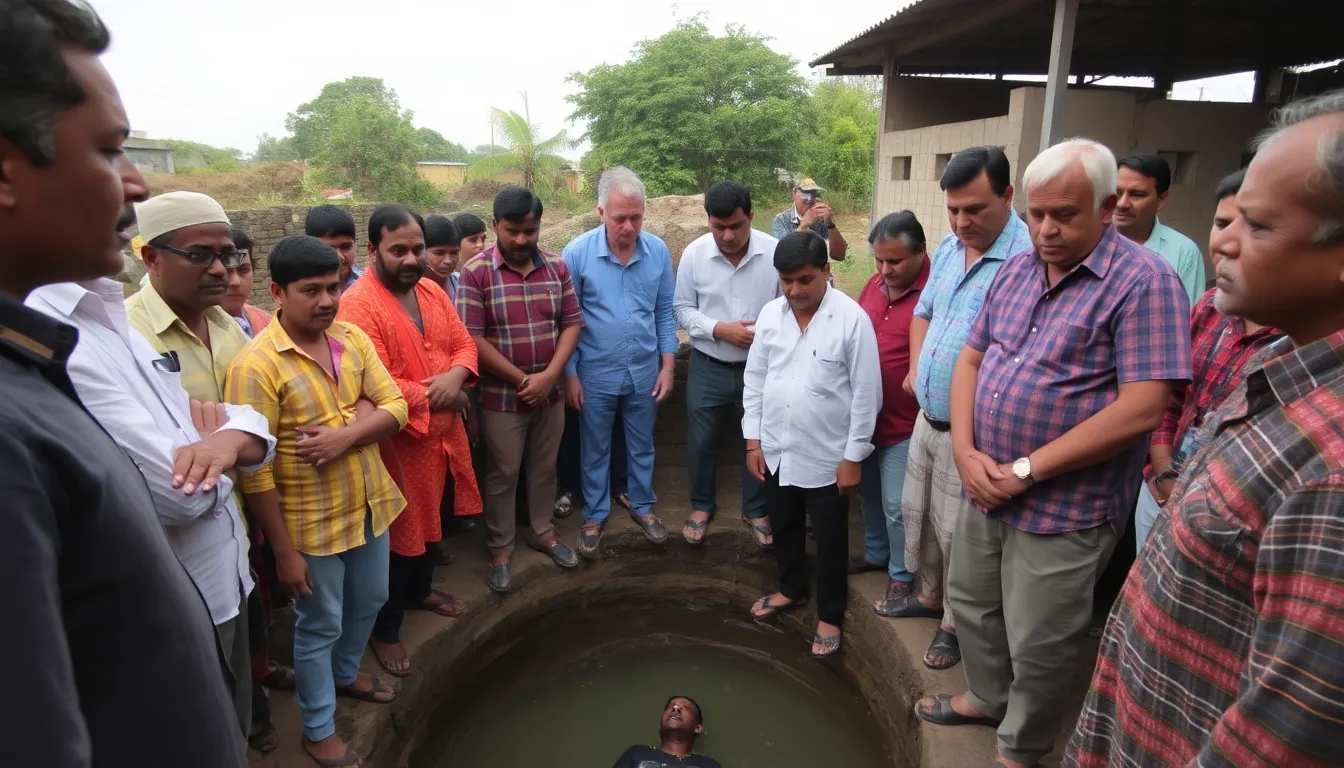
Community members, including the victim’s family and local residents, are deeply affected by this tragedy. Their interests revolve around seeking justice and demanding improvements in safety measures. The emotional and psychological impact of such incidents can lead to heightened tensions between community members and local authorities, as residents may feel neglected or ignored in their pleas for help.
The media plays a crucial role in shaping public perception and discourse surrounding the incident. Their interest lies in reporting the facts while also highlighting systemic issues related to public safety and governance. The coverage can influence public opinion, potentially leading to calls for policy changes or reforms, but it also risks sensationalizing the tragedy, which can further complicate the narrative.
- Accountability: Determining who is responsible for the open pit and the lack of safety measures.
- Public Safety: The need for better infrastructure and emergency response systems.
- Community Trust: Rebuilding trust between local authorities and residents after the incident.
- Media Influence: The role of media in shaping public discourse and government response.
- Legal Implications: Potential legal actions that may arise from the incident and their impact on local governance.
Assessing the impact on the community and public safety
The tragic incident of an Indian man drowning in an open pit while pleading for help has sent shockwaves through various sectors of society. The immediate impact is felt most acutely by the local community, particularly those who reside near the site of the incident. Families and individuals in the area are grappling with the emotional toll of the event, raising concerns about public safety and the adequacy of local infrastructure.
In the short term, this incident has prompted a wave of outrage among residents, leading to increased scrutiny of local government and infrastructure management. Community members are likely to demand immediate action to fill dangerous open pits and improve safety measures. This could result in heightened public discourse around urban planning and accountability, influencing local policies aimed at preventing similar tragedies in the future.
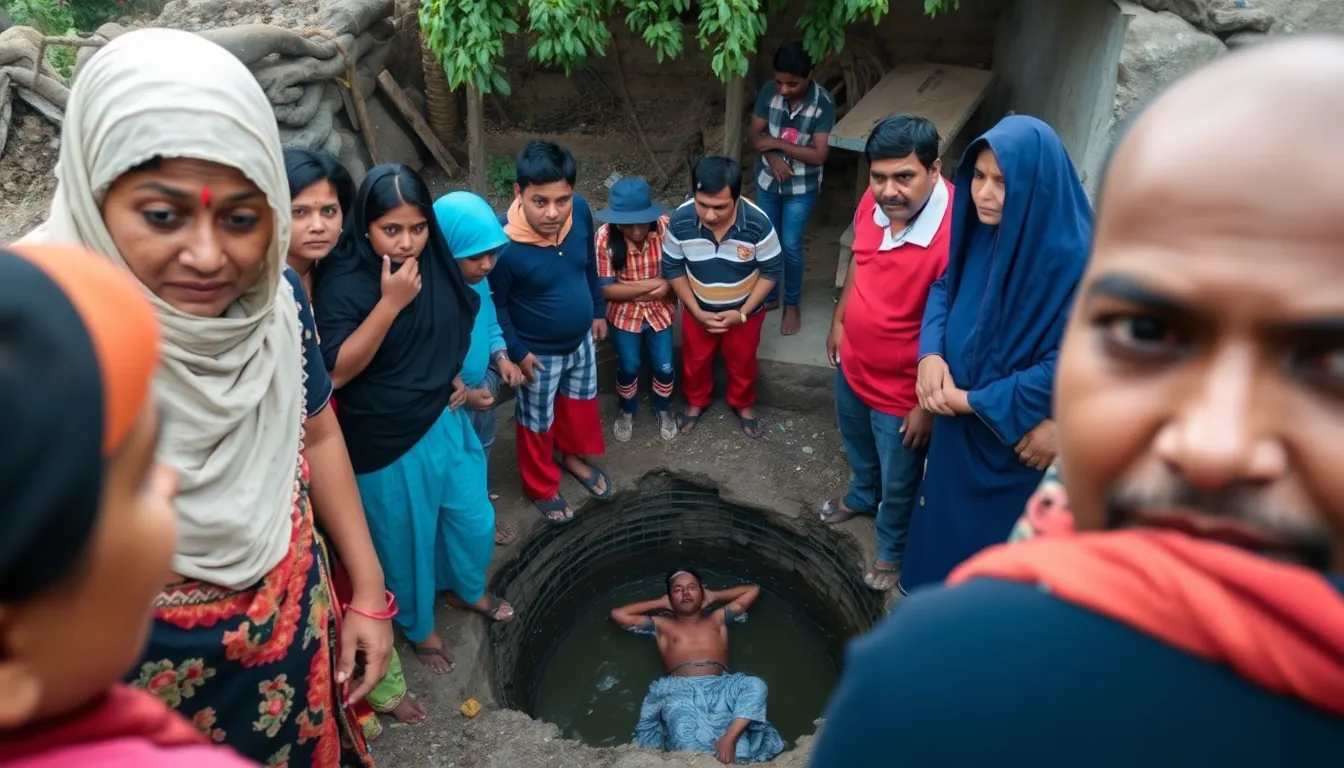
Industries related to construction and public works may face increased pressure to enhance safety protocols and ensure that existing hazards are addressed promptly. This could lead to a temporary slowdown in ongoing projects as companies reassess their safety measures and compliance with regulations. However, it also presents an opportunity for these industries to innovate and implement new technologies that enhance public safety, potentially leading to long-term growth in sectors focused on urban safety solutions.
- Community Impact: Heightened awareness of public safety issues and emotional distress among residents.
- Policy Changes: Potential reforms in local government practices regarding infrastructure safety.
- Business Opportunities: Increased demand for safety technology and consulting services in construction.
In the mid-term, the incident may catalyze broader conversations about social responsibility and the role of government in protecting vulnerable populations. Advocacy groups may emerge, pushing for stronger regulations and better support systems for those in distress. This could lead to a more engaged citizenry, as people rally around the need for systemic change to prevent future tragedies.
A: The man drowned in an open pit after reportedly begging for help for several hours. His pleas went unanswered, leading to a tragic outcome. A: The incident has raised serious concerns about public safety and the lack of response from authorities, highlighting systemic issues in emergency response. A: Authorities are facing calls for accountability and improvements in safety measures to prevent similar tragedies in the future. A: Community engagement and advocacy for better safety regulations and emergency response protocols are essential to prevent such incidents. A: Legal actions may be pursued against responsible parties, depending on investigations into the circumstances surrounding the drowning.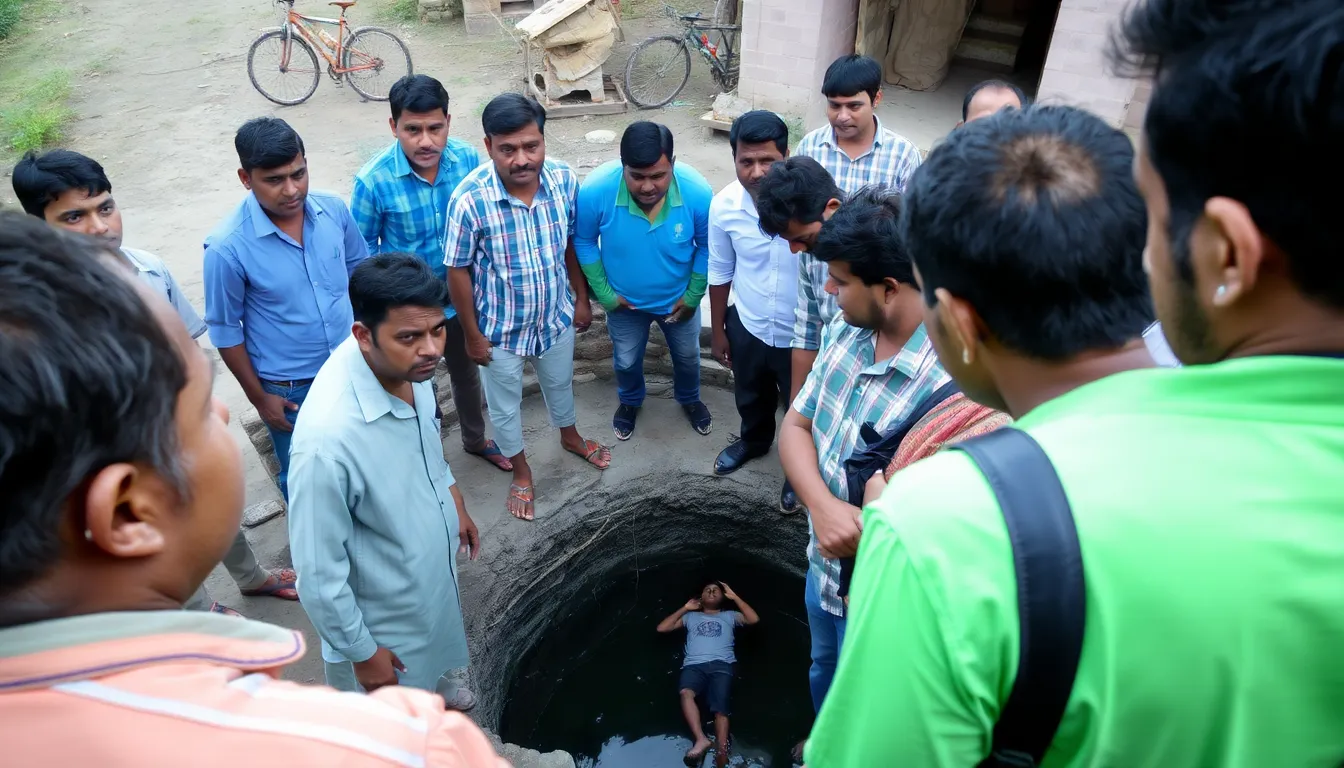
Common questions about the incident and its implications
Key takeaways and future implications of the incident
The tragic drowning of an Indian man in an open pit after pleading for help for hours highlights significant systemic issues within emergency response mechanisms and public safety protocols. This incident serves as a stark reminder of the vulnerabilities faced by individuals in crisis and the urgent need for improved infrastructure and community awareness.
As communities reflect on this event, it becomes crucial to advocate for better training for emergency responders, the establishment of more effective communication channels for those in distress, and increased public awareness regarding safety hazards in urban environments. Addressing these areas can help prevent similar tragedies in the future.
- Enhancing emergency response training: First responders should receive comprehensive training to recognize and address situations involving vulnerable individuals effectively.
- Improving public safety infrastructure: Local governments must prioritize the maintenance and safety of public areas, including filling in dangerous open pits.
- Fostering community awareness: Educational programs should be implemented to inform citizens about how to respond in emergencies and the importance of assisting those in need.
- Establishing clear communication channels: Authorities should develop systems that allow individuals in distress to easily report emergencies and receive timely assistance.