


The zoo encourages participants to pay a nominal fee to name these creatures, which will then be used as food for the zoo’s animals. This not only helps in raising funds for the zoo’s operations but also engages the community in a light-hearted manner, transforming feelings of heartbreak into something constructive as seen in other community initiatives.
As part of the initiative, the San Antonio Zoo has received a positive response from the public, with many individuals sharing their experiences on social media. The campaign highlights the zoo’s innovative approach to fundraising, blending entertainment with wildlife conservation efforts.
By allowing visitors to take part in this unconventional naming process, the zoo fosters a deeper connection between the community and its animal inhabitants. This creative strategy serves as a reminder of the importance of supporting local institutions while also providing a cathartic experience for those who participate.
The background of naming animals at the zoo
The San Antonio Zoo’s unique initiative allowing visitors to name cockroaches and rats after their exes is rooted in a long-standing trend of engaging the public in animal care and conservation efforts. This approach not only fosters a connection between visitors and the animals but also serves as a fundraising strategy to support the zoo’s operations that parallels other fundraising efforts in diverse sectors.
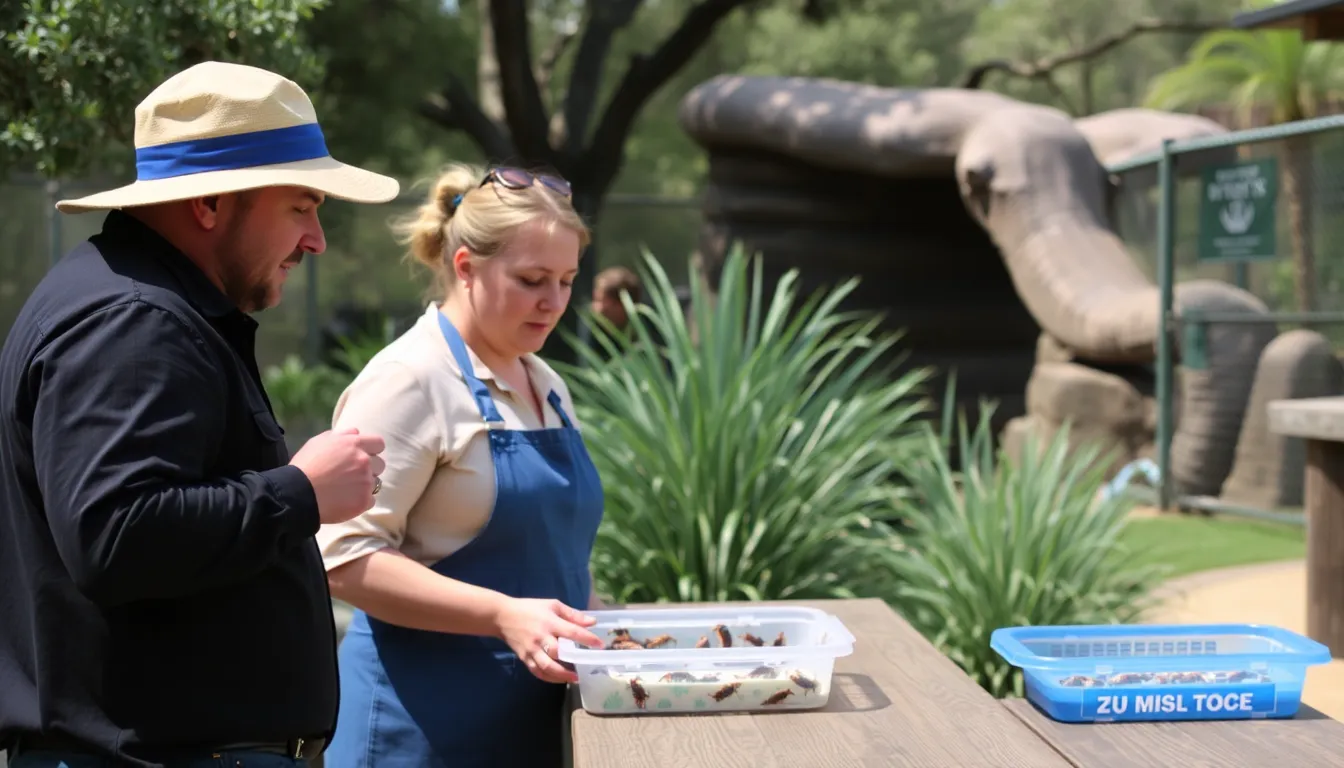
Historically, zoos have sought innovative ways to attract visitors and generate revenue, particularly in an era where entertainment options are plentiful. The concept of naming animals is not entirely new; many zoos have implemented similar programs, often allowing patrons to sponsor animals or contribute to their care in exchange for naming rights. This practice has evolved over the years, with some institutions incorporating playful or themed naming conventions to enhance visitor engagement.
Social Impact and Community Engagement
The San Antonio Zoo’s initiative also reflects broader social trends where humor and personal storytelling play a significant role in community engagement. By encouraging visitors to name animals after their ex-partners, the zoo not only provides a lighthearted outlet for personal grievances but also fosters a sense of community among participants who share similar experiences. This interaction can lead to increased visitor satisfaction and a sense of belonging, ultimately benefiting the zoo’s reputation and visitor loyalty.
Moreover, the economic implications of such programs cannot be understated. As zoos face financial challenges, especially in the wake of the COVID-19 pandemic, innovative fundraising strategies like this one help sustain operations and support animal care while remaining relevant in a competitive entertainment landscape.
Understanding the motivations behind this initiative
The San Antonio Zoo’s unique initiative allowing visitors to name cockroaches and rats after their exes serves multiple stakeholders, each with distinct interests. The zoo aims to engage the community and enhance visitor experiences while promoting animal welfare through feeding programs. This innovative approach not only attracts attention but also encourages participation in animal care.
Visitors, particularly those with a humorous or cathartic perspective on past relationships, find an unconventional outlet for their feelings. By naming these creatures, they partake in a playful act that can serve as a form of emotional release. This interaction fosters a sense of connection to the zoo and its inhabitants, potentially increasing repeat visits and community support.
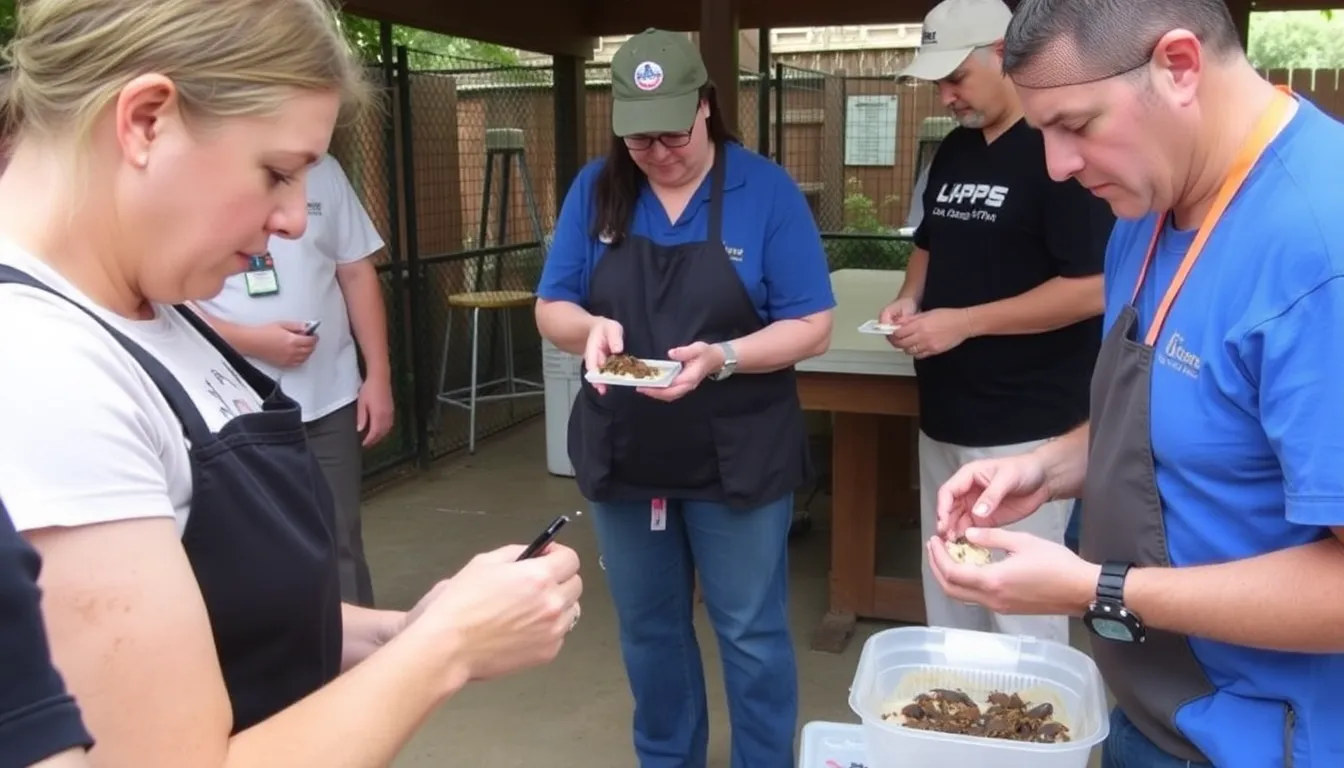
On a broader scale, the initiative highlights economic considerations for the zoo. By drawing in more visitors, the zoo can boost ticket sales and increase revenue from concessions and merchandise. This is especially important for non-profit organizations like the San Antonio Zoo, which often rely on visitor contributions for operational funding and animal care.
- Community Engagement: The initiative fosters a sense of community involvement and support for local wildlife conservation efforts.
- Emotional Connection: Visitors can engage in a light-hearted way, transforming negative feelings into positive experiences.
- Economic Benefits: Increased visitor numbers translate to higher revenue, which can be reinvested into animal care and educational programs.
- Public Relations: The novelty of the campaign generates media coverage, enhancing the zoo’s visibility and reputation.
- Animal Welfare: The initiative underscores the importance of feeding programs and the care of zoo animals.
However, this initiative is not without potential conflicts. Some animal rights advocates may view the naming of creatures, particularly those seen as pests, as trivializing the lives of animals. This perspective could lead to criticism regarding the ethical implications of using animals as a means for entertainment. Balancing these concerns with the zoo’s mission of education and conservation is crucial for maintaining public support.
The impact of this program on visitors and animal care
The San Antonio Zoo’s initiative to allow visitors to name cockroaches and rats after their exes has garnered attention from various groups, including animal lovers, local businesses, and the broader community. This unique engagement strategy not only appeals to individuals seeking a humorous way to cope with past relationships but also enhances the zoo’s visitor experience, potentially attracting a wider audience.
In the short term, the program may lead to increased foot traffic at the zoo, as visitors are drawn by the novelty of the experience. This influx can benefit local businesses, particularly those in the hospitality and retail sectors, as more people may dine or shop in the vicinity of the zoo. Additionally, the zoo itself could see a boost in revenue from ticket sales and donations, which can be reinvested into animal care and conservation efforts.
However, there are risks associated with this initiative. Some visitors may view the naming of animals as trivializing animal welfare, leading to potential backlash from animal rights groups. This sentiment could impact the zoo’s reputation and lead to calls for more responsible practices. In the mid-term, the zoo will need to balance the fun aspect of the program with a commitment to animal care and education.
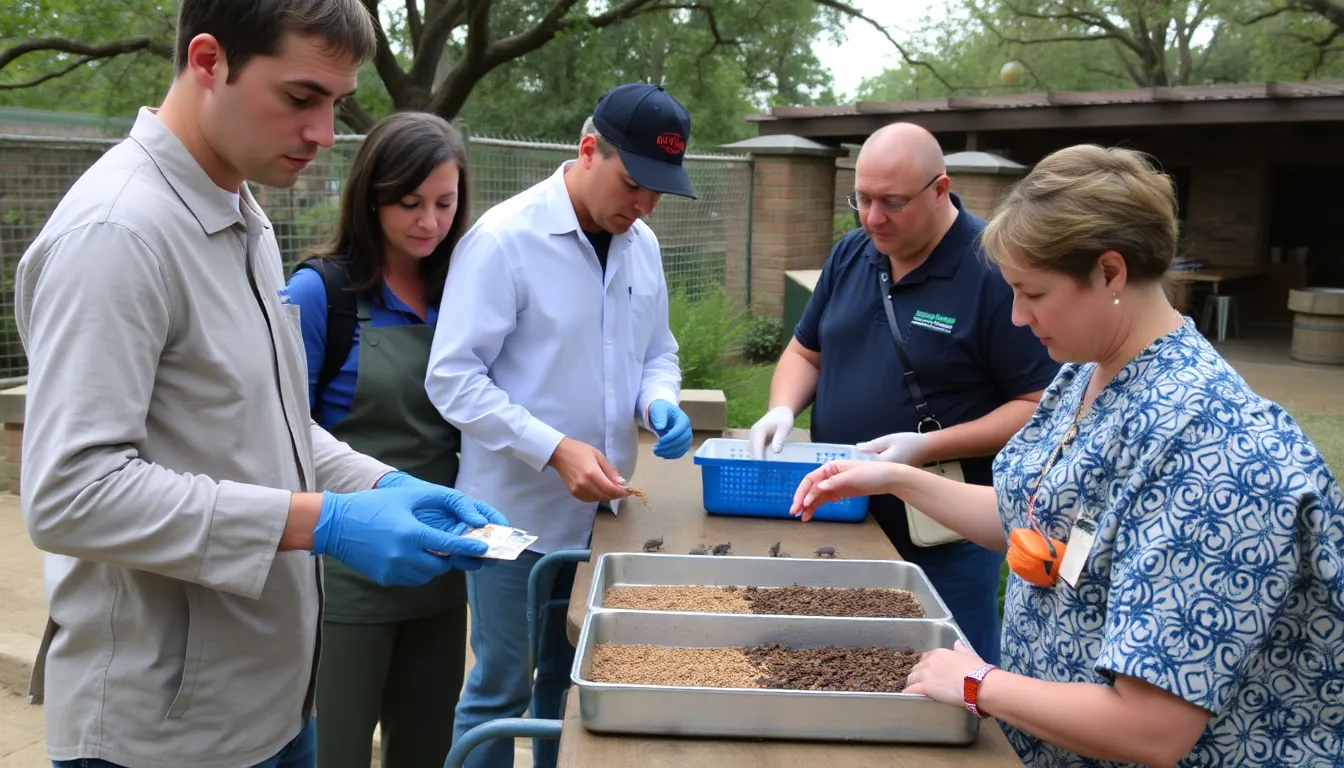
On the other hand, this program presents opportunities for increased community engagement. The zoo can leverage social media to promote stories and photos of the named animals, creating a sense of connection between visitors and the zoo’s inhabitants. This can foster a greater appreciation for wildlife and encourage conservation efforts.
- Increased visitor engagement and foot traffic.
- Potential revenue boost for local businesses.
- Risks of negative perceptions from animal welfare advocates.
- Opportunities for enhanced community involvement and education.
A: Visitors can participate by submitting names online or at the zoo’s designated area during special events. A: Yes, there is a small fee that goes towards the zoo’s animal care and conservation efforts. A: While most names are accepted, the zoo reserves the right to reject inappropriate or offensive names. A: The cockroaches and rats are fed to various animals in the zoo, helping to sustain their diets. A: The zoo aimed to create a fun and engaging way for visitors to connect with animals while supporting their care.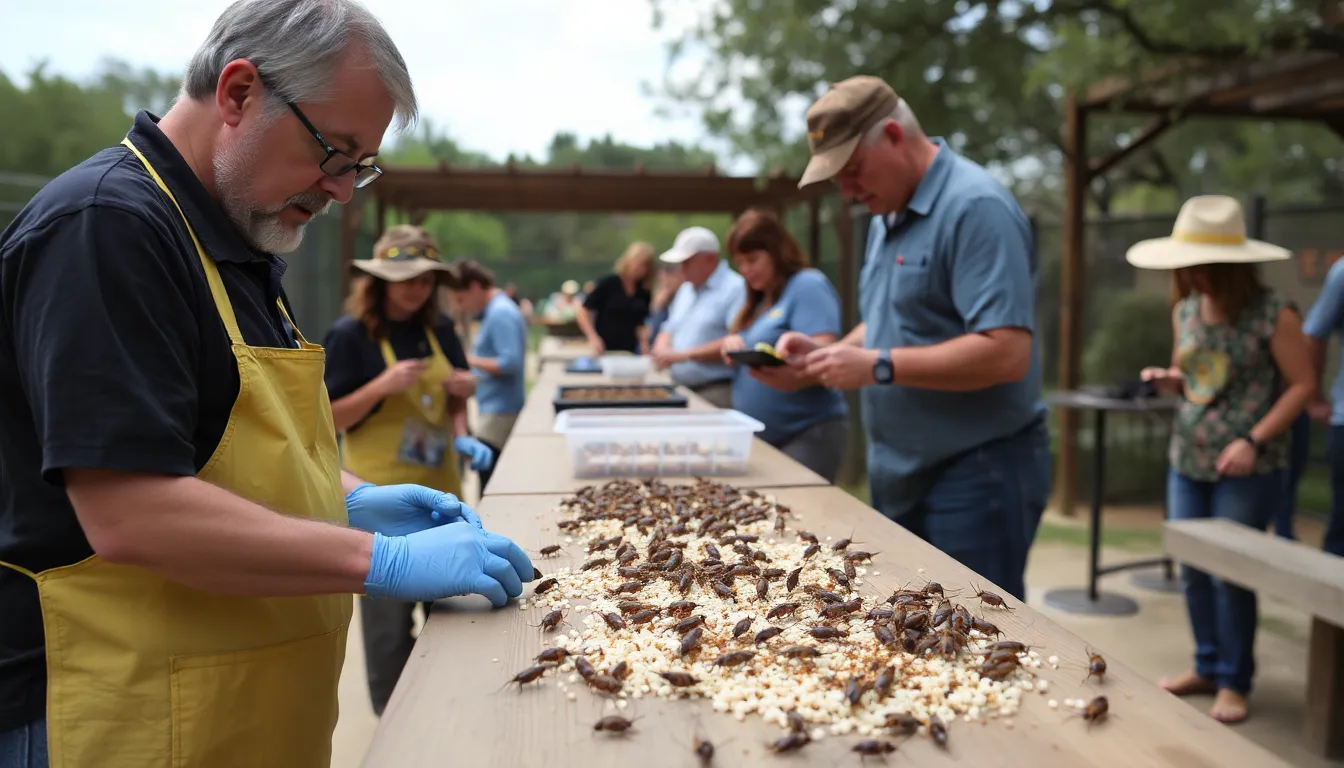
Frequently asked questions about the naming program
Key takeaways and future outlook for the zoo’s initiatives
The San Antonio Zoo’s innovative approach to allowing visitors to name cockroaches and rats after their ex-partners has sparked a conversation about the intersection of personal experiences and animal care. This initiative not only enhances visitor engagement but also serves as a unique fundraising strategy that benefits the zoo’s operations and animal welfare programs. As zoos continue to seek creative ways to connect with the public, this initiative highlights the potential for humor and personal storytelling to foster deeper connections with wildlife.
Looking ahead, the success of this program may inspire other zoos and wildlife organizations to explore similar interactive experiences. By tapping into the emotional narratives of visitors, these institutions can create memorable experiences that promote conservation awareness while generating necessary funds for animal care.
- Emotional Engagement: Programs that resonate on a personal level can enhance visitor loyalty and participation.
- Innovative Fundraising: Unique initiatives can diversify funding sources, proving essential for operational sustainability.
- Community Connection: Engaging the local community through humor and storytelling can strengthen ties and support for wildlife conservation.
- Potential for Replication: Other zoos may adopt similar naming initiatives, expanding the trend of interactive experiences in animal care.
- Awareness and Education: Such programs can serve as platforms for educating the public about animal care and the importance of biodiversity.