


RAPT Therapeutics, based in San Francisco, has been developing therapies aimed at addressing the growing prevalence of food allergies, which affect millions globally. The company’s lead candidate, a drug designed to treat peanut allergies, has shown promising results in clinical trials, making it an attractive target for GSK as it seeks to enhance its offerings in immunology and respiratory health.
The acquisition is expected to close in the first quarter of 2024, pending regulatory approvals. This strategic move aligns with GSK’s broader strategy to diversify its product pipeline and capitalize on the increasing demand for effective allergy treatments, as food allergies have become a significant public health concern.
Industry analysts view this acquisition as a pivotal step for GSK, potentially positioning the company as a leader in the food allergy treatment market. With RAPT’s innovative approach and GSK’s extensive resources, the partnership could accelerate the development and commercialization of much-needed therapies for patients suffering from food allergies.
Understanding the background of GSK’s acquisition
The recent announcement of GSK’s acquisition of RAPT Therapeutics, a company specializing in food allergy treatments, marks a significant development in the pharmaceutical industry. This $2.2 billion deal highlights the increasing focus on addressing food allergies, which have been on the rise globally. Historically, food allergies have affected millions, leading to severe health implications and necessitating innovative therapeutic solutions.

Food allergies have gained attention not only due to their health impacts but also because of the economic burden they impose on healthcare systems. The prevalence of food allergies has doubled over the past two decades, prompting pharmaceutical companies to invest in research and development of new treatments. GSK’s move to acquire RAPT aligns with a broader trend in the industry where established firms are seeking to bolster their portfolios with specialized biotechnology firms that have promising drug candidates.
The rise of food allergy treatments
Over the years, various milestones have shaped the landscape of food allergy treatments. The introduction of oral immunotherapy and biologic drugs has transformed the approach to managing these conditions. In 2020, the FDA approved the first oral immunotherapy for peanut allergies, paving the way for further innovations. RAPT’s pipeline includes novel therapies that could potentially revolutionize the way food allergies are treated, making it an attractive target for GSK.
Moreover, the COVID-19 pandemic has underscored the importance of health and wellness, leading to increased consumer awareness and demand for effective treatments. As a result, pharmaceutical companies are prioritizing investments in areas that address unmet medical needs, such as food allergies. GSK’s acquisition of RAPT not only signifies a strategic expansion into this growing market but also reflects a commitment to improving patient outcomes in a field that has seen limited advancements over the years, akin to how the Cleveland Orchestra remains a leader in their field.
Key stakeholders and issues surrounding the deal
The acquisition of RAPT Therapeutics by GSK for $2.2 billion brings several key stakeholders into focus, each with distinct interests in the transaction. Primary actors include GSK, a major pharmaceutical company, RAPT Therapeutics, a smaller biotechnology firm specializing in food allergy treatments, and the regulatory bodies that oversee such mergers and acquisitions.
GSK’s interest in acquiring RAPT centers on expanding its portfolio in the immunotherapy space, particularly in addressing food allergies, which have seen a rising prevalence globally. This acquisition aligns with GSK’s strategic goal of enhancing its capabilities in specialty medicines. Conversely, RAPT stands to gain from GSK’s extensive resources, including funding for further research and development, which could accelerate the availability of its innovative treatments.
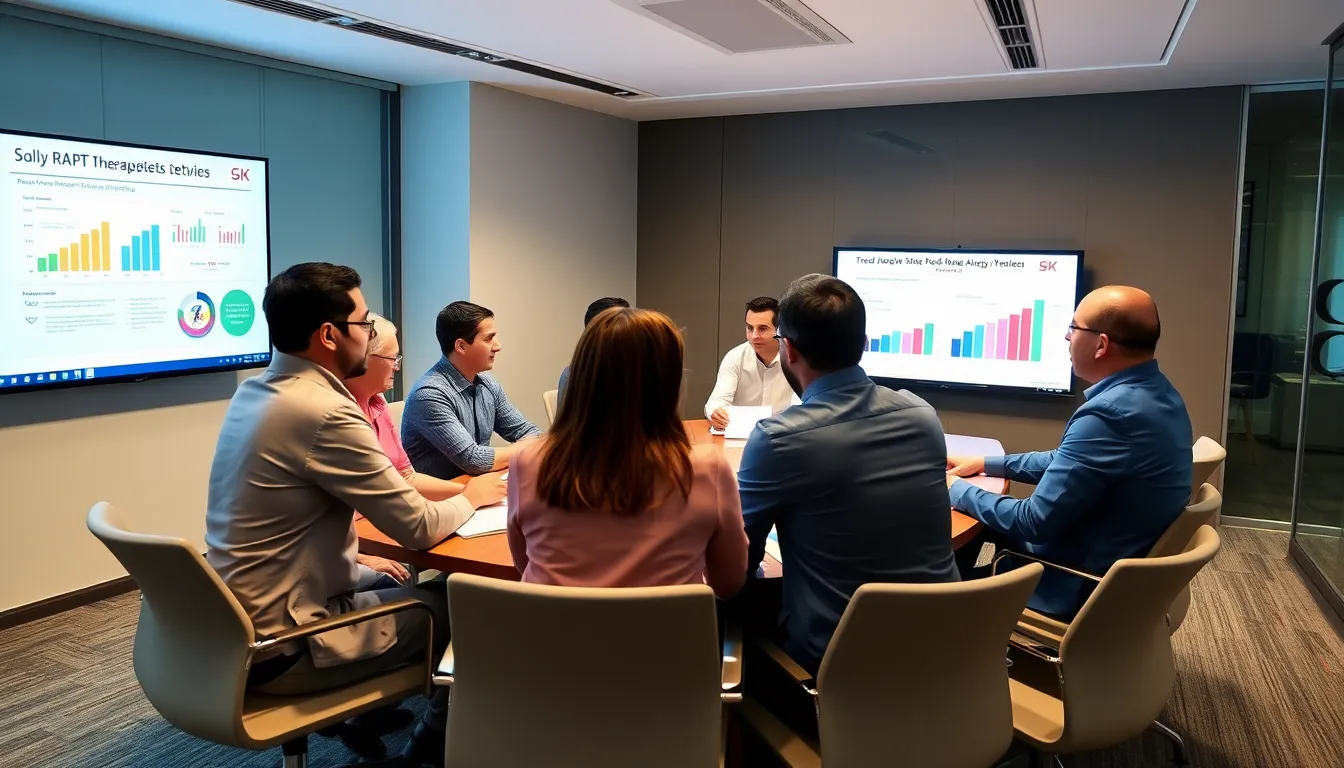
However, the deal is not without its conflicts and trade-offs. Regulatory scrutiny is a significant concern, as antitrust laws may impact the transaction if it is perceived to reduce competition in the market for food allergy treatments. Additionally, there are economic implications for both companies, including potential layoffs or restructuring within RAPT as GSK integrates its operations.
- Regulatory Approval: The acquisition must pass regulatory hurdles, ensuring it does not create monopolistic practices in the pharmaceutical industry.
- Market Competition: The deal could alter the competitive landscape, affecting other companies in the food allergy treatment space.
- Financial Implications: GSK must justify the $2.2 billion investment to its shareholders, balancing short-term costs with long-term benefits.
- Research and Development Focus: The integration may shift RAPT’s research priorities, impacting ongoing projects and staff morale.
- Public Perception: Stakeholders must consider how the deal is viewed by patients and healthcare providers, which can influence market acceptance of new treatments.
Overall, the GSK-RAPT deal represents a significant move in the pharmaceutical landscape, with multiple stakeholders navigating a complex web of interests and challenges. The outcome will likely set precedents for future acquisitions in the biotech sector, particularly in niche therapeutic areas like food allergies.
Impact of the acquisition on the pharmaceutical market
The acquisition of RAPT Therapeutics by GSK for $2.2 billion is set to have significant implications across various sectors, particularly in the pharmaceutical and biotechnology industries. This deal primarily affects stakeholders involved in allergy treatments, including patients, healthcare providers, and pharmaceutical companies focused on immunology and allergy therapies.
In the short term, patients suffering from food allergies may experience a shift in treatment options as GSK integrates RAPT’s innovative therapies into its portfolio. This could lead to enhanced access to new treatments, potentially improving quality of life for those affected. Healthcare providers may need to adapt to new protocols and guidelines associated with RAPT’s products, which could require additional training and resources.
From a business perspective, GSK’s acquisition may prompt a ripple effect within the pharmaceutical sector, encouraging other companies to pursue similar mergers and acquisitions to enhance their product offerings. This could lead to increased competition and innovation in the allergy treatment market, benefiting consumers in the long run. However, there are risks involved, particularly concerning regulatory hurdles and the integration of RAPT’s operations into GSK’s existing framework.
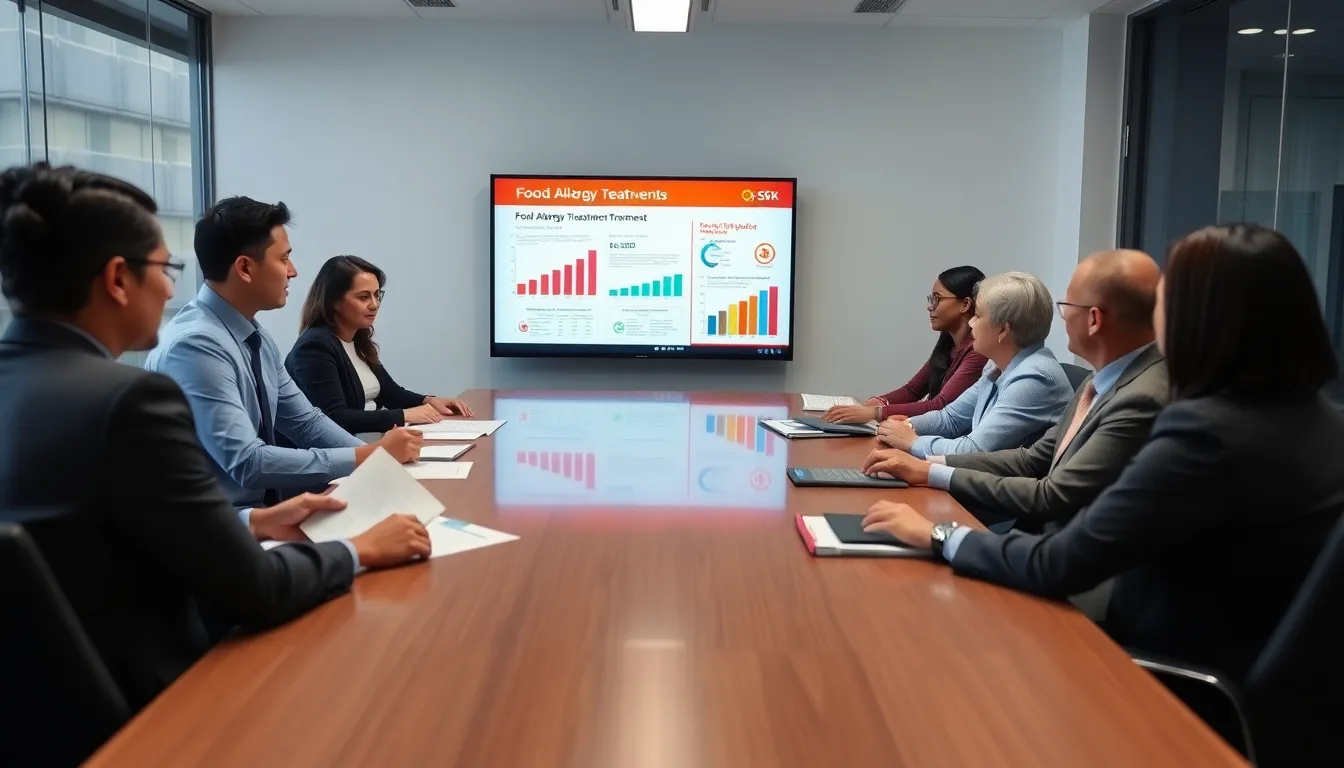
- Opportunities: Enhanced research and development capabilities in allergy treatments.
- Risks: Potential delays in bringing new products to market due to regulatory scrutiny.
- Impact on patients: Access to novel therapies may improve, but there could be uncertainty during the transition period.
In the mid-term, the deal may influence policy discussions surrounding food allergy treatments, as increased attention on this area could lead to more funding and support for research initiatives. The acquisition may also prompt healthcare systems to reassess their approach to managing food allergies, potentially leading to changes in insurance coverage and treatment protocols.
A: This acquisition allows GSK to expand its portfolio in the food allergy treatment sector, potentially leading to new therapies and increased market share. A: RAPT will gain access to GSK’s extensive resources, including research and development capabilities, which can accelerate the development of its allergy treatments. A: The $2.2 billion deal reflects GSK’s commitment to investing in innovative therapies, which may enhance its long-term profitability and market position. A: Yes, the acquisition will need to pass regulatory scrutiny to ensure compliance with antitrust laws and other regulations before it can be finalized. A: RAPT is recognized for its innovative approaches to treating food allergies and related conditions, making it a valuable addition to GSK’s portfolio.
Frequently asked questions about the acquisition
Insights on the future of GSK and RAPT post-acquisition
The acquisition of RAPT Therapeutics by GSK for $2.2 billion marks a significant strategic move in the pharmaceutical landscape, particularly in the realm of allergy treatments. This integration not only expands GSK’s portfolio but also positions the company to leverage RAPT’s innovative drug development capabilities. As the market for food allergy therapies grows, GSK’s investment could yield substantial returns if RAPT’s pipeline proves successful.
Looking ahead, stakeholders should monitor how GSK integrates RAPT’s operations and technology, as well as the potential for accelerated drug development timelines. The collaboration might also enhance GSK’s competitive edge in the allergy treatment sector, especially given the increasing prevalence of food allergies globally.
- Watch for advancements in RAPT’s drug pipeline and their potential impact on GSK’s revenue streams.
- Monitor GSK’s integration strategy and how it affects RAPT’s existing projects and staff.
- Keep an eye on regulatory developments that could influence the approval process for RAPT’s therapies.
- Consider the implications of this acquisition on GSK’s overall market position within the pharmaceutical industry.
- Assess the response from competitors and how they might react to GSK’s strengthened capabilities in allergy treatments.