


Colin Jost, a prominent cast member, played a fictionalized version of Fox News host Pete Hegseth, who promised viewers that “the USA is going to f countries around the world.” This hyperbolic statement was intended to mock the aggressive foreign policy rhetoric often associated with Trump’s administration, highlighting the ongoing tensions in international relations. For more on international relations, see our article on the Khamenei regime in Iran.
The skit aired on October 21, 2023, during a time when political commentary and satire continue to play significant roles in public discourse. With the 2024 presidential election approaching, SNL’s satire reflects the heightened scrutiny and criticism faced by Trump and his allies as they navigate their political ambitions. This political backdrop is further explored in our piece about Trump’s new home buying plan.
By using humor to address serious political themes, SNL underscores the cultural impact of Trump’s legacy and the continuing relevance of his policies in today’s political landscape. The skit serves as a reminder of the entertainment industry’s role in shaping public perception and dialogue surrounding key political issues, such as the reactions to international comments made by leaders; for example, Danish PM’s stance on Trump’s Greenland remarks.
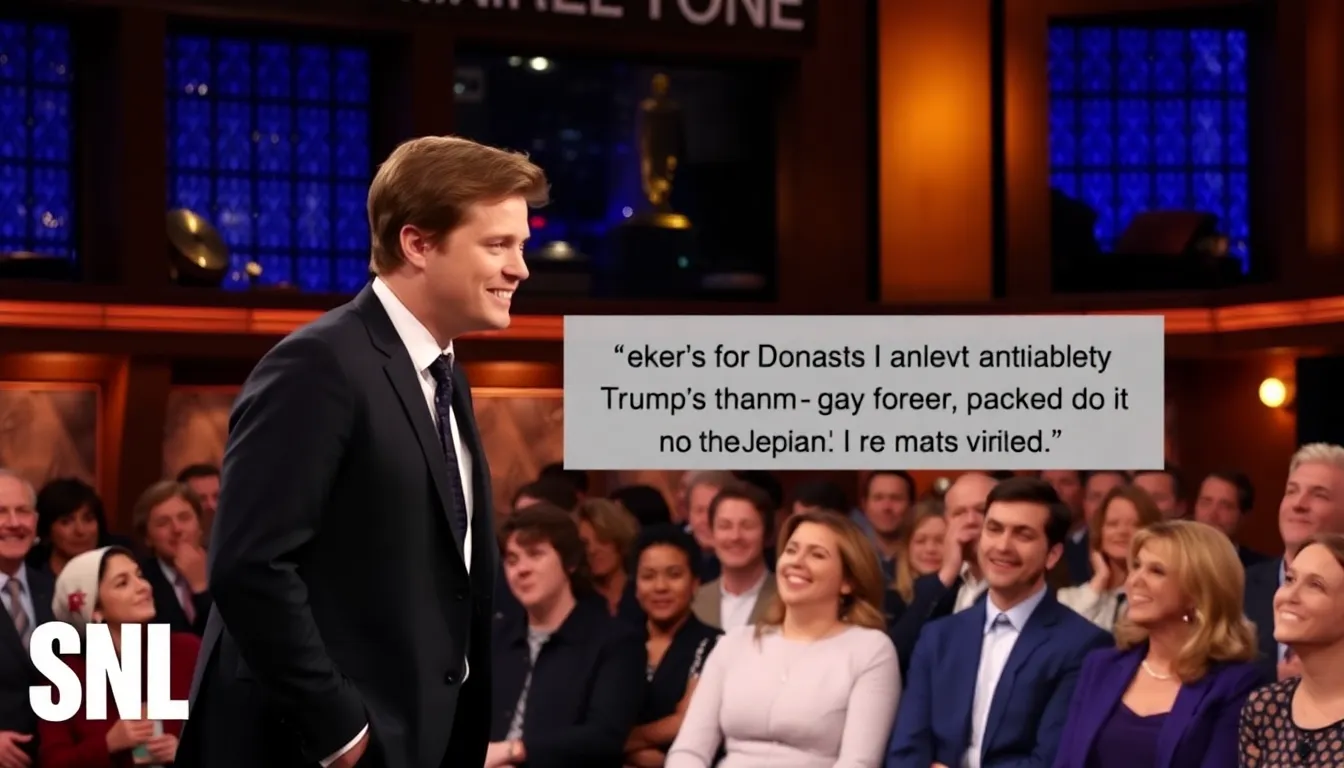
Understanding the backdrop of Trump’s Nobel Prize claims
The Nobel Prize, established by the will of Alfred Nobel in 1895, has long been viewed as one of the highest honors one can receive in various fields, including Peace. The award has often been a source of political contention, particularly in the United States, where presidents and political figures have sought recognition for their efforts in diplomacy and conflict resolution. Former President Donald Trump’s public fixation on the Nobel Peace Prize has become a notable aspect of his post-presidency narrative, particularly as he frequently claims that he was unfairly overlooked for the award.
Historically, the Nobel Peace Prize has been awarded to individuals and organizations that have made significant contributions to peace and diplomacy. For instance, former President Barack Obama received the award in 2009, shortly after taking office, for his extraordinary efforts to strengthen international diplomacy. This decision was met with mixed reactions, setting a precedent for how political figures view the Prize as both a personal accolade and a reflection of their political legacy.
Trump’s assertion that he deserved a Nobel Prize stems from his administration’s controversial foreign policy strategies, including the normalization of relations between Israel and several Arab nations, known as the Abraham Accords. However, critics argue that these actions were more about political maneuvering than genuine efforts for peace, leading to a polarized discussion on the validity of his claims. The public perception of Trump’s achievements and his subsequent envy over the Nobel Prize highlights the intersection of celebrity culture and political ambition in contemporary America.
The Role of Satire in Political Discourse
In this context, shows like “Saturday Night Live” (SNL) play a crucial role in shaping public opinion through satire. By mocking Trump’s claims and the broader political landscape, SNL serves as a cultural barometer, reflecting and influencing societal attitudes towards political figures. The portrayal of Trump’s Nobel Prize envy and the exaggerated antics of characters like Colin Jost’s depiction of Pete Hegseth underscores the absurdity some perceive in the political discourse surrounding the former president’s legacy.
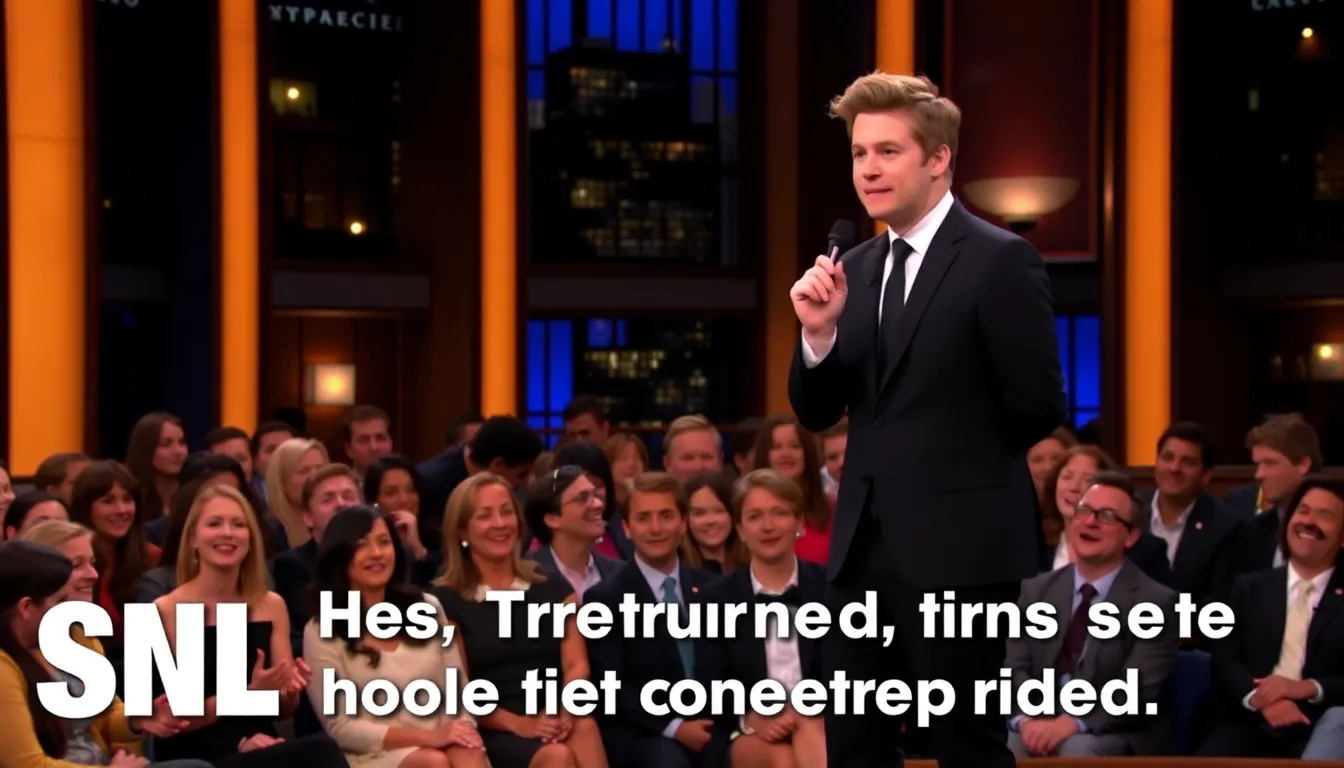
Examining the implications of Jost’s comments on U.S. foreign policy
The recent episode of ‘SNL’ featuring Colin Jost’s satirical take on Trump’s perceived envy of the Nobel Prize highlights several key stakeholders in U.S. foreign policy. The actors involved include politicians, media figures, and the general public, each with distinct interests and perspectives on international relations.
Colin Jost, as a prominent media figure, uses humor to critique political narratives, which can influence public opinion and shape discourse around U.S. foreign policy. His comments, particularly those mocking Pete Hegseth’s aggressive stance, reflect a broader skepticism about militaristic approaches to international relations. This skepticism resonates with segments of the public that prioritize diplomacy over military intervention.
On the other hand, figures like Trump and Hegseth represent a faction within the Republican Party that advocates for a more assertive foreign policy. Their interests include maintaining a strong national defense and projecting U.S. power globally, which can lead to conflicts with those who favor a more restrained approach. This divergence raises questions about the effectiveness of U.S. foreign policy and its implications for international stability.
- Public Perception: Jost’s satire may reinforce public skepticism towards aggressive foreign policy, potentially influencing voter sentiment.
- Political Polarization: The differing views on foreign policy between political factions can exacerbate divisions within the U.S.
- International Relations: Aggressive rhetoric could strain relationships with allies and adversaries alike, impacting diplomatic negotiations.
- Media Influence: Satirical commentary can shape narratives around foreign policy, affecting how issues are perceived and discussed.
In summary, the interplay between media satire and political rhetoric underscores the complexities of U.S. foreign policy. As stakeholders navigate their interests, the potential for conflict and trade-offs remains a critical consideration for the future of international relations.
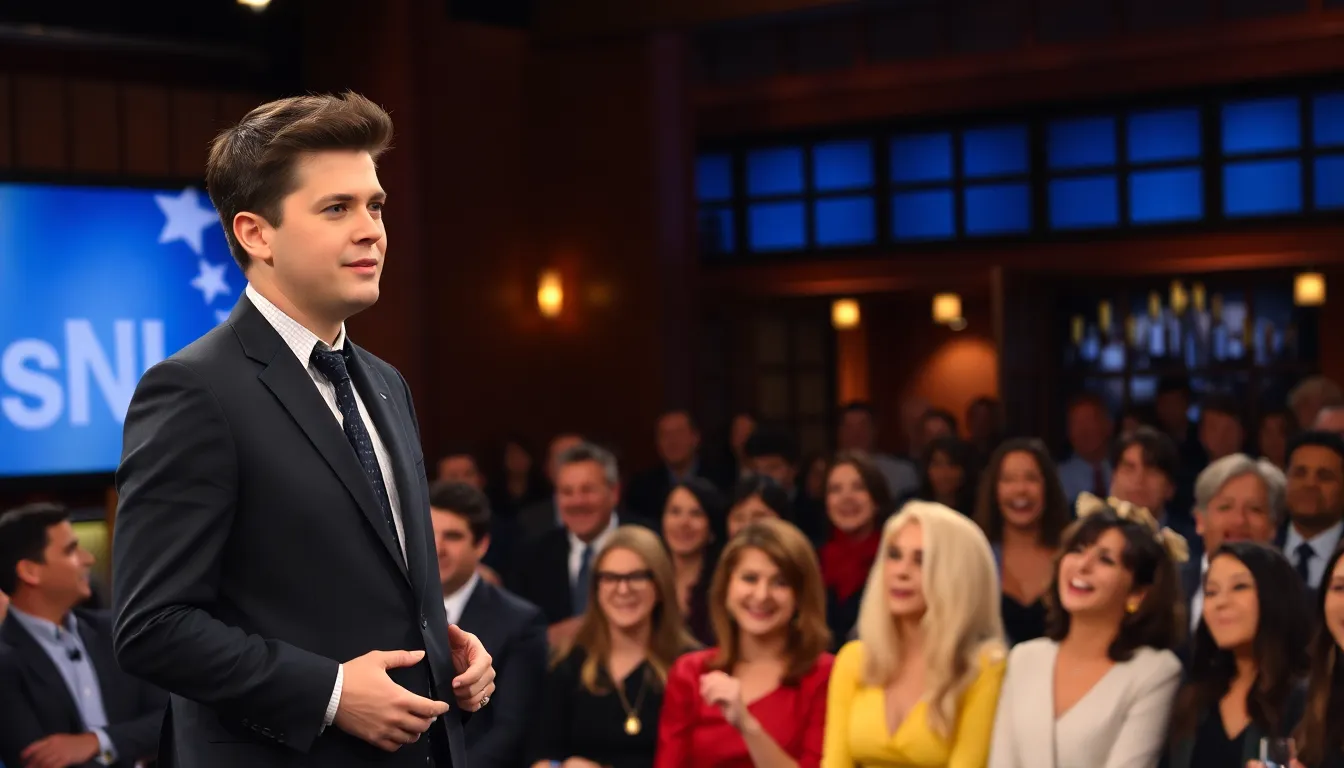
How SNL’s satire affects public perception of political figures
The latest episode of Saturday Night Live (SNL) has stirred conversations about political figures, particularly former President Donald Trump and Fox News personality Pete Hegseth. The show’s comedic take on Trump’s envy of the Nobel Prize and Hegseth’s exaggerated patriotism highlights how satire can shape public perceptions of these individuals. Various groups, including political analysts, media commentators, and the general public, are affected by this portrayal, as it influences opinions and discussions surrounding their credibility and actions.
In the short term, SNL’s sketches can lead to increased scrutiny of political figures, prompting audiences to reevaluate their policies and statements. This can affect voter sentiment and engagement, particularly among younger demographics who are more likely to consume political commentary through comedic platforms. As a result, businesses related to media, entertainment, and political consulting may see shifts in demand for their services, as audiences seek deeper insights into the political landscape.
In the mid-term, the impact may extend to policy discussions and legislative priorities. If public perception sways significantly due to satire, politicians might alter their strategies to align with or counteract the narratives being presented. This can create opportunities for advocacy groups and think tanks to leverage popular sentiment in their campaigns, potentially leading to shifts in policy focus and funding in areas like international relations, defense, and social issues.
- Risks: Misinterpretation of satire could lead to polarization among audiences, reinforcing divides rather than fostering constructive dialogue.
- Opportunities: Increased engagement in political discourse may encourage civic participation and activism, particularly among younger voters.
- Risks: Over-reliance on comedic narratives may dilute serious discussions about policies and governance.
- Opportunities: Media outlets may benefit from heightened interest in political coverage, driving viewership and advertising revenue.
Overall, the intersection of comedy and politics as showcased by SNL creates a dynamic environment where public perception can shift rapidly, impacting various sectors and prompting both risks and opportunities for stakeholders involved.
Frequently asked questions about SNL’s political satire
A: The skit primarily mocked Trump’s desire for a Nobel Prize, highlighting the absurdity of his claims and ambitions in a comedic light.
A: Colin Jost is a co-anchor on SNL’s Weekend Update, and he made outrageous comments regarding the U.S. approach to international relations, suggesting a reckless attitude.
A: SNL’s satire often shapes public perception by framing political figures in humorous contexts, which can either reinforce or challenge existing views.
A: Humor can make complex political issues more accessible, allowing audiences to engage with serious topics while providing a critical lens on current events.
Key takeaways and future implications of the skit
The recent skit on ‘SNL’ that humorously critiques Donald Trump’s apparent envy of the Nobel Prize illustrates the ongoing cultural and political tensions in the United States. The portrayal of Colin Jost’s unhinged character, Pete Hegseth, further emphasizes the satirical lens through which mainstream media is scrutinizing political figures and their rhetoric. This skit not only entertains but also reflects deeper societal sentiments regarding leadership, international relations, and national identity.
As the political landscape continues to evolve, the implications of such comedic portrayals may influence public perception and discourse. Observers should remain attentive to how satire shapes the narrative surrounding political figures, especially as the next election cycle approaches.
- The role of satire in shaping public opinion about political leaders may become increasingly significant as the election nears.
- Expect heightened scrutiny and commentary on international relations, particularly as figures like Trump engage with global issues.
- Watch for how comedic interpretations of political events may impact voter engagement and turnout.
- The portrayal of nationalism and its implications in media will likely continue to evolve, reflecting broader societal debates.
- As political satire remains a powerful tool, its ability to influence the narrative around key issues should not be underestimated.