


In 2023, a series of legislative changes have been proposed across several states aimed at regulating seed ownership and usage. These changes have sparked protests from agricultural communities who argue that such regulations could limit their ability to save and replant seeds, a practice that has been integral to farming for generations. The implications of these changes are profound, as they could reshape the landscape of agriculture and food production, highlighting the importance of understanding food sovereignty.
Moreover, climate change continues to exacerbate existing vulnerabilities within the farming sector. Unpredictable weather patterns and extreme conditions have led to crop failures and reduced yields, further stressing farmers’ financial stability. As a result, many are being forced to reconsider their farming methods and adapt to an uncertain future.
At the same time, consumer awareness and demand for sustainable farming practices are rising. This shift in consumer behavior is prompting some farmers to explore alternative methods, but the transition can be costly and complex. The intersection of these factors creates a precarious environment for agricultural communities, where the preservation of traditional farming methods is at risk.
Understanding the agricultural landscape and its significance
The agricultural sector has long been a cornerstone of human civilization, shaping economies, cultures, and communities. Over centuries, farming practices have evolved, influenced by technological advancements, climate changes, and shifting political landscapes. Today, agriculture faces unprecedented challenges due to globalization, environmental concerns, and the rise of industrial farming, which threaten traditional farming methods and the livelihoods of small-scale farmers.
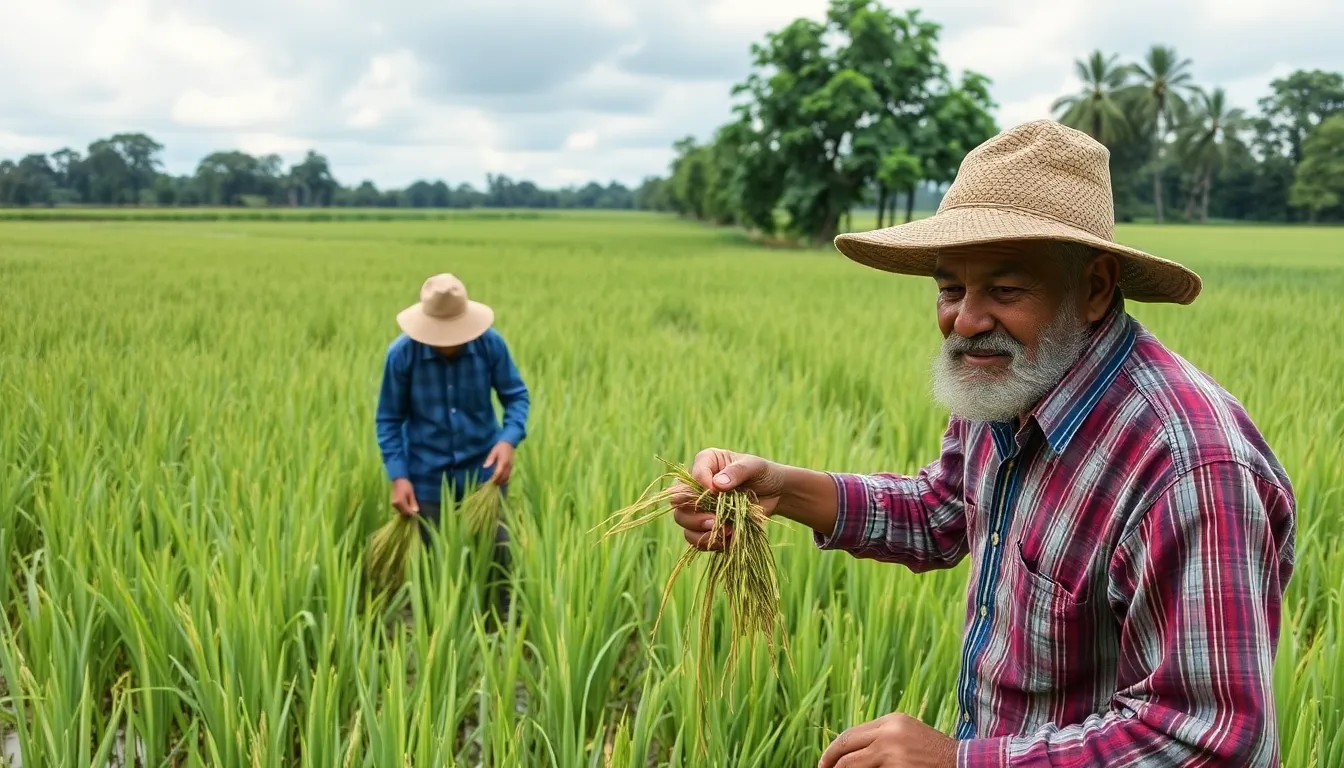
Historically, the agricultural landscape has been marked by significant milestones, such as the Green Revolution in the mid-20th century, which introduced high-yield crop varieties and modern farming techniques. While this revolution increased food production globally, it also led to the marginalization of traditional farming practices and a reliance on chemical inputs, which have raised concerns about sustainability and food security. As a result, many farmers have found themselves caught in a cycle of debt and dependency on large agribusinesses, emphasizing the need for a shift toward sustainable practices.
Politically, the issue of seeds and their ownership has become a contentious topic. The introduction of intellectual property rights in agriculture has allowed corporations to patent seeds, restricting farmers’ ability to save and share them. This shift has significant implications for food sovereignty, as it places control of essential resources in the hands of a few multinational companies, often at the expense of local farmers and biodiversity.
The impact of economic policies on farming communities
Economic policies have also played a crucial role in shaping the agricultural landscape. Subsidies for large-scale farming operations have often sidelined smallholders, making it difficult for them to compete. This economic disparity has led to a decline in rural communities, as young people migrate to urban areas in search of better opportunities. The loss of these farming populations not only threatens the preservation of traditional knowledge and practices but also raises questions about the future of food production in an increasingly industrialized world, echoing sentiments discussed in the review of the farming sector.
As the documentary ‘Seeds’ highlights, the intersection of these historical, political, and economic factors creates a complex web that defines the current agricultural landscape. Understanding this context is essential for grasping the challenges that lie ahead for farmers and the broader implications for society as a whole.
Key stakeholders and major issues in the farming sector
The farming sector, particularly as depicted in the review of ‘Seeds’, involves a complex web of stakeholders, each with their own interests and priorities. Key actors include farmers, agricultural organizations, government bodies, and consumers, all of whom play a crucial role in shaping the landscape of agriculture.
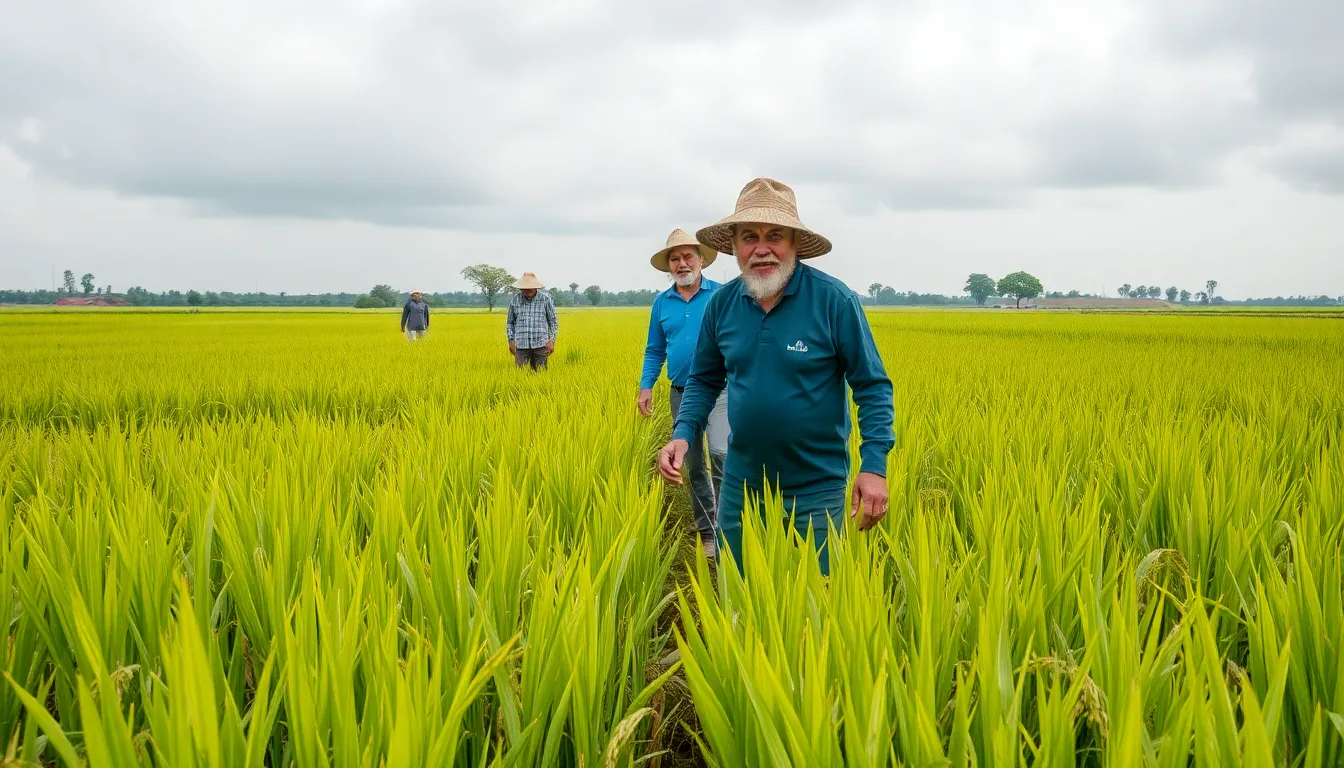
Farmers are at the heart of this narrative, often caught between the pressures of modern agricultural practices and the desire to maintain traditional farming methods. Their interests typically revolve around sustainability, profitability, and the preservation of their way of life. However, they face challenges such as fluctuating market prices, environmental regulations, and competition from large agribusinesses.
Government agencies also play a significant role in the farming sector, tasked with creating policies that balance economic growth with environmental protection. Their interests lie in ensuring food security, supporting rural economies, and addressing climate change. However, conflicts can arise when regulatory measures hinder farmers’ operational flexibility or when subsidies favor large corporations over smallholders.
- Economic pressures: Farmers must navigate the complexities of market demands and pricing, which can lead to financial instability.
- Environmental concerns: The impact of farming practices on biodiversity and climate change raises questions about sustainable agriculture.
- Legal challenges: Issues surrounding land ownership, patenting of seeds, and compliance with regulations can create significant hurdles for farmers.
- Consumer preferences: Growing demand for organic and locally sourced products can influence farming practices and market dynamics.
- Technological advancements: The integration of new technologies in agriculture can lead to increased efficiency but may also disrupt traditional practices.
As these stakeholders navigate their interests, the potential for conflict and trade-offs becomes evident. For instance, while consumers may push for more sustainable practices, farmers may struggle to implement these changes without adequate support or resources. This dynamic illustrates the broader challenges facing the farming sector as it seeks to adapt to a rapidly changing world.
The effects of agricultural changes on communities and markets
The ongoing transformation in agricultural practices, as highlighted in the review of ‘Seeds’, significantly impacts various stakeholders, including farmers, agricultural workers, consumers, and local economies. Rural communities that rely on traditional farming methods face existential threats, while industries tied to agriculture, such as food processing and distribution, are also affected.
In the short term, farmers may experience increased uncertainty regarding crop yields and market prices. This volatility can lead to financial strain, making it difficult for them to invest in their farms or plan for the future. Additionally, local markets may see fluctuations in food availability, which can impact consumers, particularly in regions where access to diverse produce is already limited.
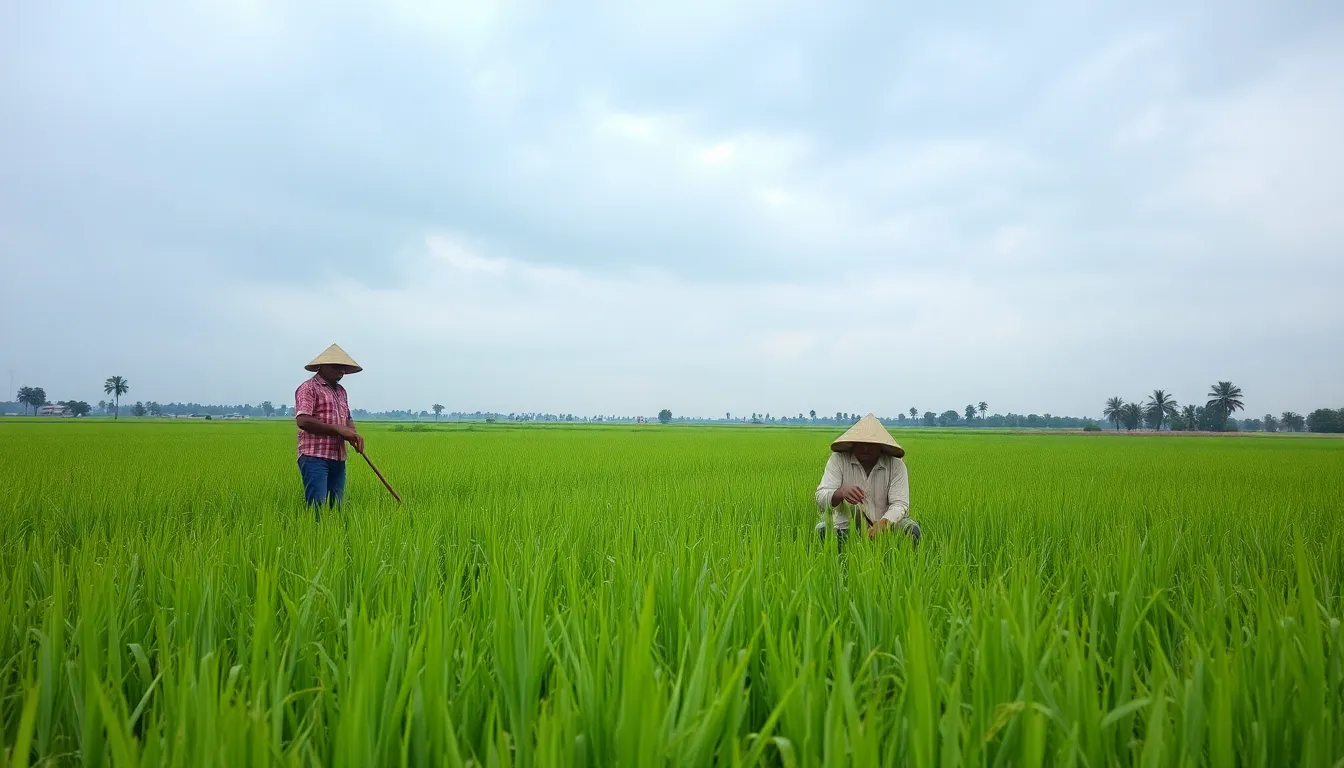
In the mid-term, these changes could reshape agricultural policies as governments respond to the needs of affected communities. There may be a push for sustainable practices and support for farmers transitioning to new methods. However, this shift could also lead to regulatory challenges and increased competition among businesses adapting to new agricultural norms.
- Risks: Financial instability for farmers, food scarcity in local markets, and potential job losses in traditional agriculture.
- Opportunities: Growth of sustainable farming practices, innovation in agricultural technology, and new markets for organic and locally sourced products.
Ultimately, while the transition presents significant challenges, it also opens avenues for innovation and collaboration among various sectors, potentially leading to a more resilient agricultural landscape in the long run.
A: The review emphasizes the struggle of farms to maintain their operations amidst economic pressures and environmental changes. It also discusses the cultural significance of farming lifestyles. A: The review explores how technology is reshaping farming practices, offering both opportunities for efficiency and challenges regarding traditional methods. A: Key stakeholders include farmers, agricultural organizations, policymakers, and consumers who are all impacted by the evolving agricultural landscape. A: The review suggests that without significant changes in policy and support, many farms may struggle to survive, impacting food security and rural communities. A: While it acknowledges the challenges, the review also highlights innovative practices and community efforts that could lead to a more sustainable future.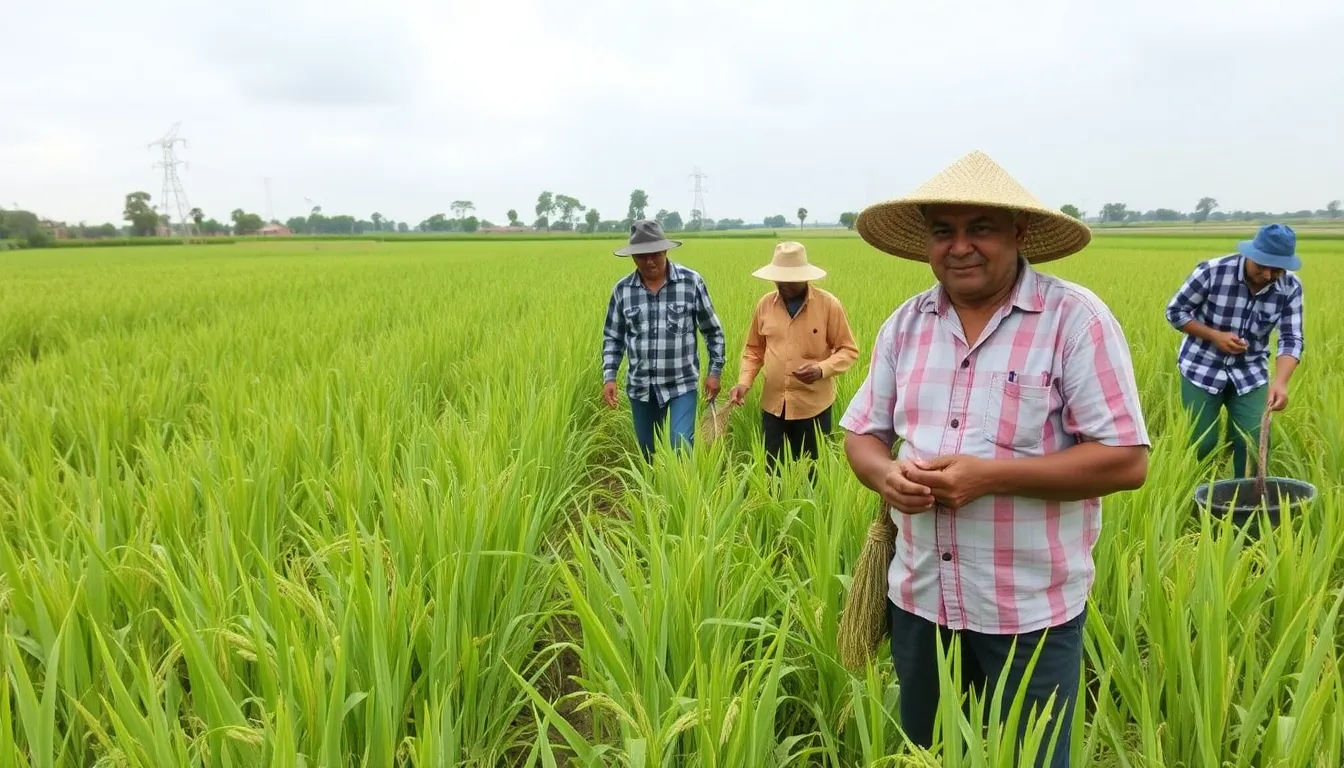
Frequently asked questions about the farming industry
Insights and future outlook on farming and sustainability
The review of ‘Seeds’ highlights the precarious situation facing farms and the traditional ways of life that depend on them. As agricultural practices evolve under the pressures of climate change, technological advancements, and economic shifts, the implications for sustainability and food security become increasingly significant. The film serves as a poignant reminder of the delicate balance between innovation and preservation in the agricultural sector.
Looking ahead, it is essential to consider how these changes will affect not only farming communities but also the broader ecosystem. Stakeholders must remain vigilant in supporting sustainable practices that honor both the land and the heritage of farming. The future of agriculture will likely depend on a collaborative approach that integrates modern techniques with respect for time-honored traditions.
- Embrace sustainable practices: Farmers should prioritize eco-friendly methods to ensure long-term viability and health of the soil.
- Support local economies: Investing in local food systems can strengthen community ties and promote resilience against global market fluctuations.
- Advocate for policy changes: Engaging with policymakers to create regulations that support sustainable agriculture can help protect small farms.
- Foster innovation: Encouraging research and development in agricultural technology can lead to more efficient and sustainable farming solutions.