


In 2021, a study conducted by researchers in Italy detected microplastics in human lung tissue for the first time, highlighting the urgent need for further investigation. Additionally, a 2022 report from the World Health Organization acknowledged the growing evidence of microplastics in drinking water, food, and air, emphasizing the necessity for comprehensive research to understand their effects on human health.
Despite the increasing awareness, the scientific community remains divided on the implications of microplastics in the human body. Some experts argue that the levels detected are too low to cause harm, while others caution that the long-term effects are still unknown. This uncertainty is compounded by the lack of standardized methods for measuring microplastics in biological samples, which complicates efforts to draw definitive conclusions.
As the debate continues, it is evident that more rigorous and expedited research is needed to clarify the risks associated with microplastics. The urgency is underscored by the potential for widespread exposure, as these particles are pervasive in everyday products and the environment. Scientists are calling for coordinated efforts to establish clearer guidelines and methodologies to assess the impact of microplastics on human health.
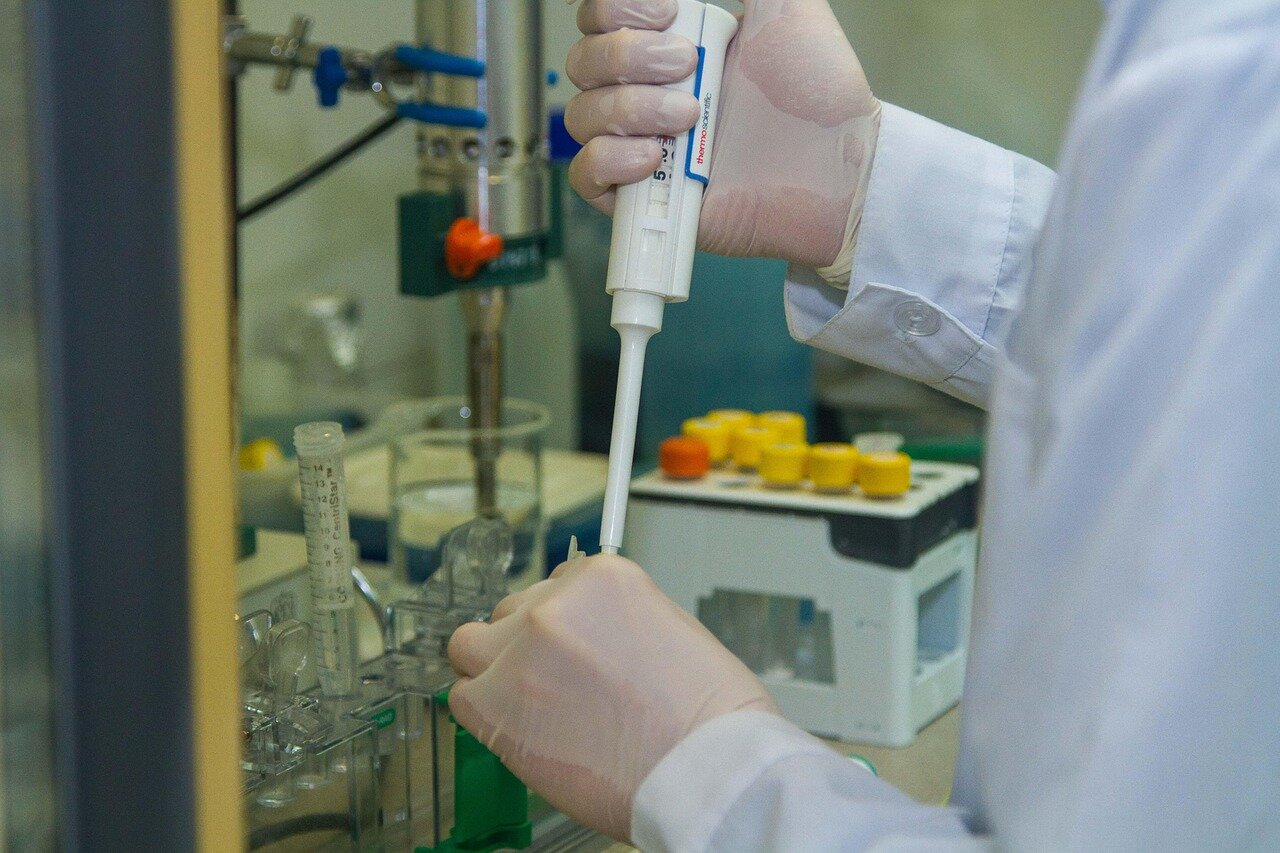
Understanding the origins and implications of microplastics
The rise of microplastics as a prominent environmental concern can be traced back to the mid-20th century, coinciding with the mass production and consumption of plastic materials. Initially hailed for their versatility and durability, plastics quickly became integral to various industries, from packaging to automotive manufacturing. However, the very properties that made plastics desirable also contributed to their environmental persistence, leading to widespread fragmentation into microplasticsparticles smaller than five millimeters.
Over the years, research has increasingly highlighted the presence of microplastics in diverse ecosystems, from oceans to freshwater sources. Studies have shown that these tiny particles can be ingested by marine life, entering the food chain and raising concerns about their potential impact on human health. The debate surrounding microplastics has intensified, particularly as evidence mounts suggesting that they may be present in human tissues, blood, and even organs, similar to the issues highlighted in articles about affordable healthcare.
Political and Regulatory Responses
The political landscape surrounding microplastics has evolved as public awareness of the issue has grown. Environmental organizations and scientists have pushed for stricter regulations on plastic production and waste management. In response, several governments have initiated policies aimed at reducing plastic pollution, such as bans on single-use plastics and increased funding for research on microplastics. However, the effectiveness of these measures remains a topic of ongoing debate, as many countries struggle to balance economic interests with environmental protection.
Economically, the plastic industry remains a powerful force, with significant lobbying efforts aimed at influencing policy decisions. This has created a complex dynamic where environmental concerns often clash with economic imperatives, complicating efforts to address microplastic pollution comprehensively. As the scientific community continues to investigate the implications of microplastics, the urgency for coordinated action and further research has never been more critical, echoing the discussions in recent reviews such as Love Machines by James Muldoon.
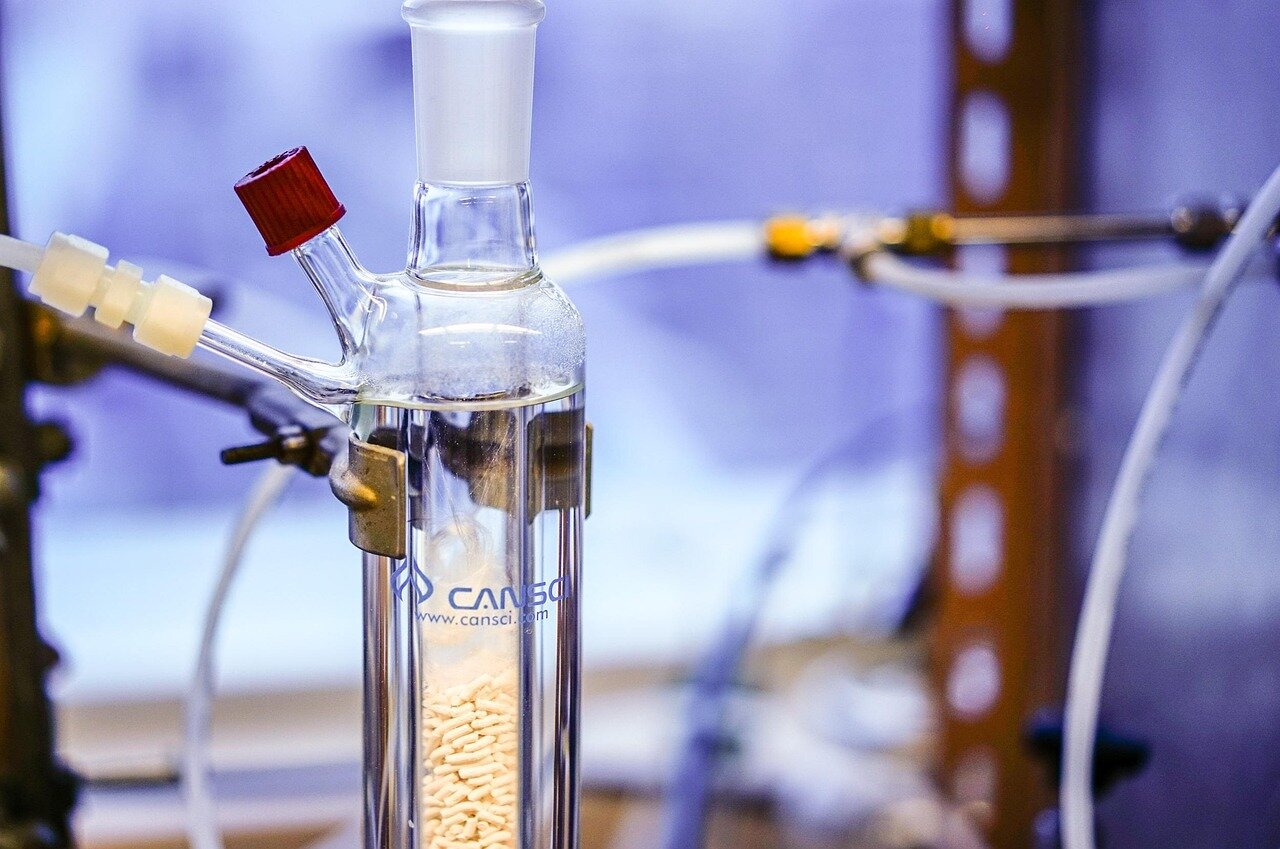
Key stakeholders and the main issues surrounding microplastics research
The debate over the presence of microplastics in the human body involves a diverse array of stakeholders, each with unique interests and concerns. Scientists, environmental organizations, policymakers, and the general public all play significant roles in shaping the discourse surrounding this pressing issue.
Scientists are at the forefront, conducting research to determine the extent of microplastic contamination in human tissues. Their primary interest lies in uncovering reliable data that can inform public health guidelines and environmental policies. However, the scientific community is often fragmented, with varying methodologies and results leading to conflicting conclusions. This lack of consensus can hinder effective communication with the public and policymakers.
Environmental organizations advocate for stricter regulations on plastic production and waste management. Their goal is to reduce plastic pollution at its source, thereby minimizing potential health risks associated with microplastics. However, their efforts can sometimes clash with economic interests, particularly in industries reliant on plastic manufacturing. This creates a complex landscape where environmental and economic considerations must be balanced.
Governments also play a crucial role, as they are responsible for implementing policies that address plastic pollution. They face the challenge of navigating between public health concerns, economic implications, and the demands of various interest groups. Key legal issues arise regarding liability for pollution and the regulation of plastic products, which can lead to significant trade-offs in policy formulation.

- Public Health Concerns: The potential impact of microplastics on human health is a primary concern for many stakeholders.
- Economic Interests: Industries that rely on plastics may resist regulatory changes that could affect their profitability.
- Scientific Consensus: The need for unified research methodologies to establish clear findings on microplastics.
- Policy Development: The challenge of creating effective regulations that address both environmental and economic factors.
- Public Awareness: Increasing public knowledge and concern about microplastics can influence policy and research funding.
Who is affected by microplastics and what are the market implications?
Microplastics have emerged as a pervasive issue, affecting various groups and industries around the globe. The primary groups impacted include consumers, particularly those in urban areas where plastic waste is prevalent, as well as vulnerable populations such as children and pregnant women who may be more susceptible to health risks. Additionally, industries related to food and beverage, healthcare, and environmental services are significantly influenced by the presence of microplastics in the environment.
In the short term, the presence of microplastics can lead to increased scrutiny on food safety, prompting businesses in the food and beverage sector to invest in better filtration and testing technologies. This may raise operational costs, but it also opens opportunities for innovation in product safety and sustainability. As consumers become more aware of microplastics, businesses that prioritize transparency and eco-friendly practices may gain a competitive edge.
Mid-term impacts may include shifts in policy as governments respond to public concern. Regulatory measures could be implemented to limit plastic production and improve waste management practices, affecting manufacturers and retailers. Companies that adapt to these regulations early on may find themselves ahead of the curve, while those that resist change could face penalties and loss of market share.

- Health Risks: Potential health issues related to microplastic exposure could lead to increased healthcare costs and demand for medical research.
- Environmental Impact: Microplastics contribute to pollution, affecting ecosystems and biodiversity, which can have long-term economic consequences.
- Market Opportunities: Innovations in biodegradable materials and waste management solutions could emerge as key growth areas in response to the microplastics crisis.
Overall, the debate over microplastics is not just an environmental concern but also a significant market issue that could reshape industries and consumer behavior in the coming years.
A: Microplastics are tiny plastic particles that can originate from various sources, including the breakdown of larger plastic items. They can enter our bodies through food, water, and even the air we breathe. A: While research is ongoing, some studies suggest that microplastics may pose health risks, potentially causing inflammation or other adverse effects. However, definitive conclusions have yet to be established. A: Scientists can resolve this debate by conducting comprehensive studies that analyze the presence and effects of microplastics in human tissues. This requires urgent collaboration and funding. A: Various initiatives are underway globally, including bans on single-use plastics, improved waste management, and public awareness campaigns aimed at reducing plastic consumption. A: Yes, recent research has shown that microplastics can be detected in human tissues, but the extent and implications of this presence are still being studied.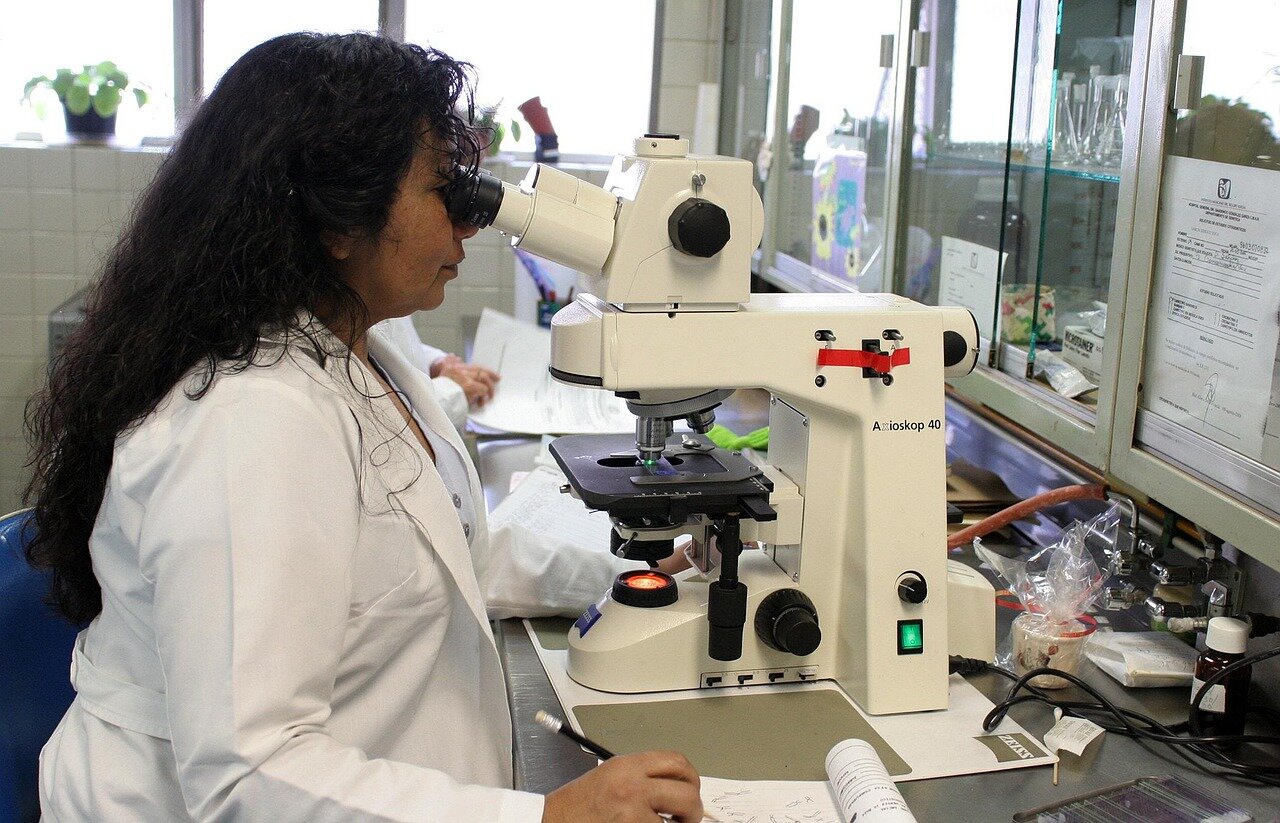
Frequently asked questions about microplastics in our bodies
Key takeaways and future outlook on microplastics research
The ongoing debate about the presence of microplastics in human bodies highlights a significant gap in scientific understanding that needs to be addressed urgently. As researchers explore the potential health implications of microplastics, the urgency for standardized testing methods and comprehensive studies becomes increasingly apparent. This will not only clarify the extent of microplastic contamination but also guide public health policies and consumer safety measures.
Moving forward, collaboration among scientists, regulatory bodies, and industries will be crucial in developing effective strategies to mitigate microplastic exposure. The integration of advanced technologies and interdisciplinary approaches will play a vital role in unraveling the complexities of microplastics in our environment and bodies.
- Standardized testing methods are essential for accurate assessments of microplastic levels in human tissues.
- Increased funding and resources for microplastics research will accelerate the discovery of potential health impacts.
- Public awareness campaigns can help inform consumers about microplastics and promote safer practices.
- Collaboration between scientists and policymakers is vital for creating effective regulations to reduce microplastic pollution.
- Monitoring and reporting of microplastic levels in food and water sources should be prioritized to safeguard public health.