


Authorities reported that the crane, which was part of ongoing construction work near the railway tracks, fell unexpectedly, striking the train and causing considerable structural damage. Emergency services quickly responded to the scene, providing medical assistance to the injured and working to clear the wreckage.
This incident highlights ongoing safety concerns regarding construction practices in proximity to public transportation infrastructure.
As investigations continue, officials are working to assess the full extent of the damage and determine the cause of the crane’s collapse. Local rail services have been suspended in the area, affecting thousands of commuters and travelers.
Understanding the circumstances surrounding the crane collapse
The recent crane collapse in Thailand, which tragically resulted in a train being struck, highlights significant concerns regarding construction safety and infrastructure management in the country.
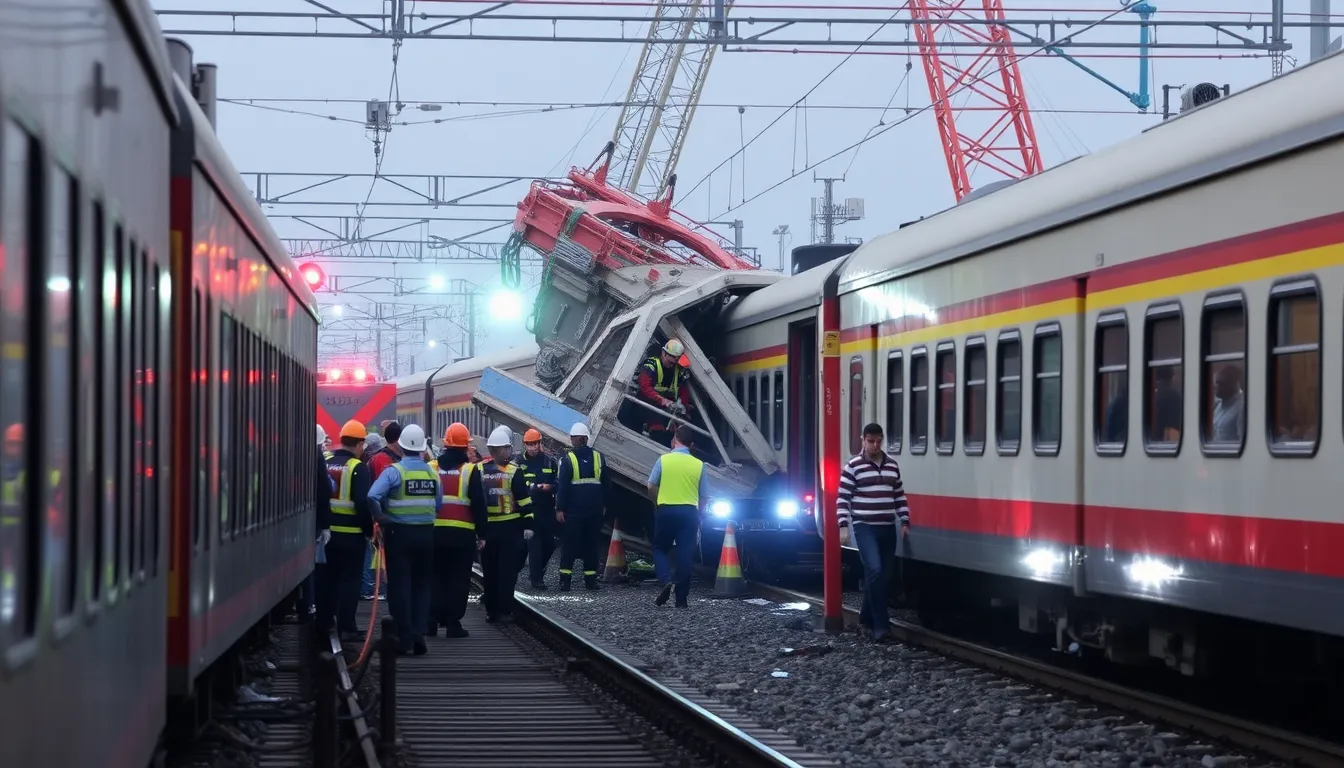
Historically, Thailand has faced challenges related to labor safety and regulatory enforcement. The construction industry has often been criticized for its lax adherence to safety protocols, which can be attributed to a combination of factors including insufficient training for workers, corruption, and inadequate inspections. Previous incidents, such as building collapses and workplace accidents, have underscored the need for reform in safety practices, yet many of these issues remain unresolved.
Political and Economic Context
The political landscape in Thailand has also played a role in shaping the construction sector. Frequent changes in government and policy direction have led to inconsistencies in regulatory enforcement. Economic pressures to complete projects quickly and under budget often result in compromised safety standards. This environment creates a perfect storm for accidents, as seen in the recent crane collapse, which may have been exacerbated by rushed timelines and insufficient oversight.
As the country continues to modernize its infrastructure, it is imperative that lessons be learned from past incidents to prevent future tragedies, similar to those highlighted in the recent detention request following a fatal fire.
Key stakeholders and issues related to the crane incident
The recent crane collapse in Thailand, which resulted in significant disruption and potential loss of life, involves multiple stakeholders with varying interests. Key actors include the Thai government, local authorities, construction companies, and the railway operator. Each of these stakeholders has a vested interest in the outcomes of the investigation and the implications for future safety regulations.
The Thai government, particularly the Ministry of Transport, is under scrutiny as it is responsible for public safety and infrastructure oversight. Their interest lies in ensuring that the incident is thoroughly investigated to prevent future occurrences. Additionally, they must manage public perception and confidence in the safety of transportation systems.
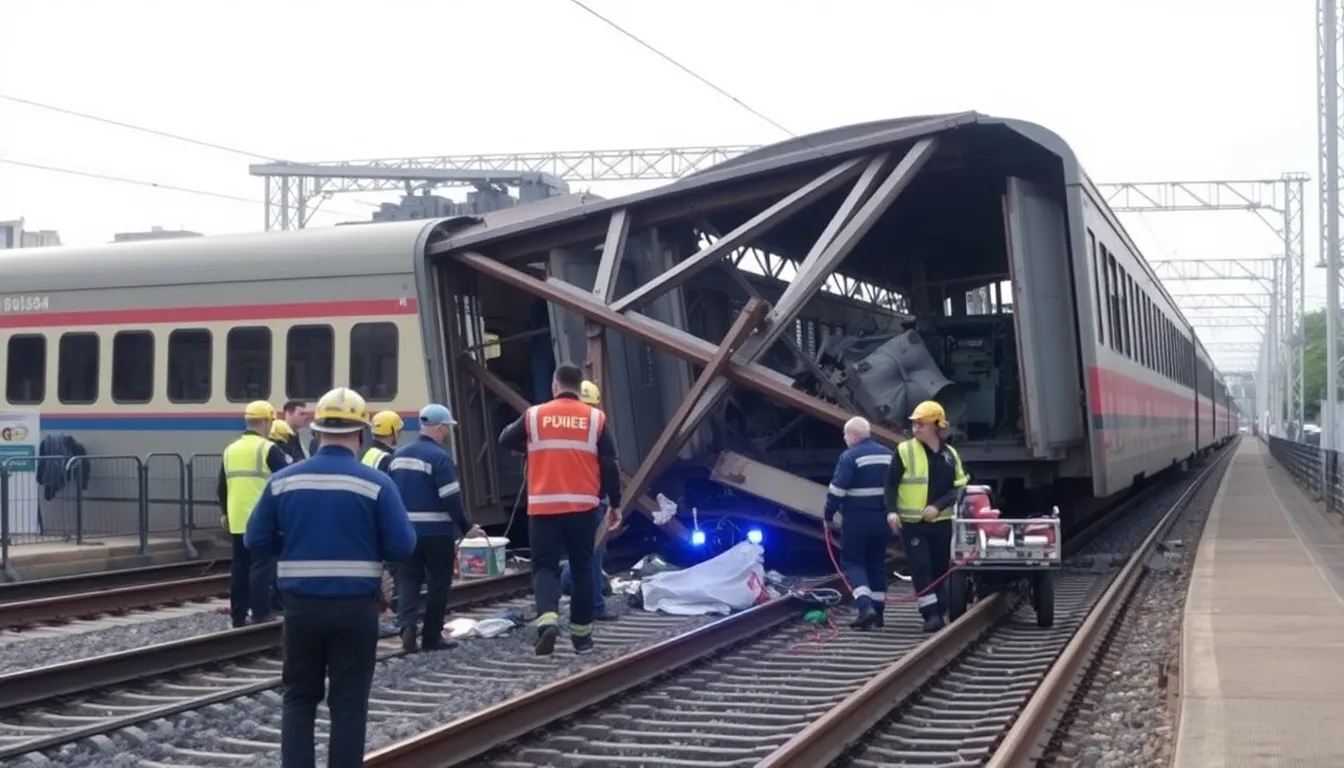
Construction companies involved in the project face legal and financial repercussions. They are likely to be concerned about liability issues and the potential for increased regulation or stricter safety standards. This incident may also impact their reputation and future contracts, creating a trade-off between immediate financial interests and long-term sustainability.
The railway operator is another critical stakeholder, as the incident directly affects their operations and customer trust. They may need to address the immediate aftermath, including passenger safety and service disruptions, while also considering the broader implications for infrastructure investment and maintenance.
- Legal Issues: Potential lawsuits from victims’ families and liability claims against construction firms.
- Economic Impact: Disruption to rail services could affect local economies and tourism.
- Public Safety Concerns: Increased scrutiny on construction practices and safety regulations.
- Political Ramifications: Government accountability and the need for policy reforms in infrastructure safety.
- Industry Standards: Possible changes in industry regulations regarding crane operations and safety protocols.
The impact of the crane collapse on passengers and the railway system
The recent crane collapse on a train in Thailand has far-reaching implications for various groups, including passengers, railway workers, and local businesses. The immediate aftermath has left many travelers stranded and shaken, highlighting the vulnerabilities within the transportation infrastructure. This incident not only disrupts the daily commute but also raises concerns about safety standards in construction and railway operations.
In the short term, passengers face significant disruptions, including canceled or delayed train services. This situation can lead to missed appointments, increased travel costs, and heightened anxiety among commuters. Moreover, the railway system may experience a surge in maintenance and safety inspections, diverting resources and attention from regular operations.
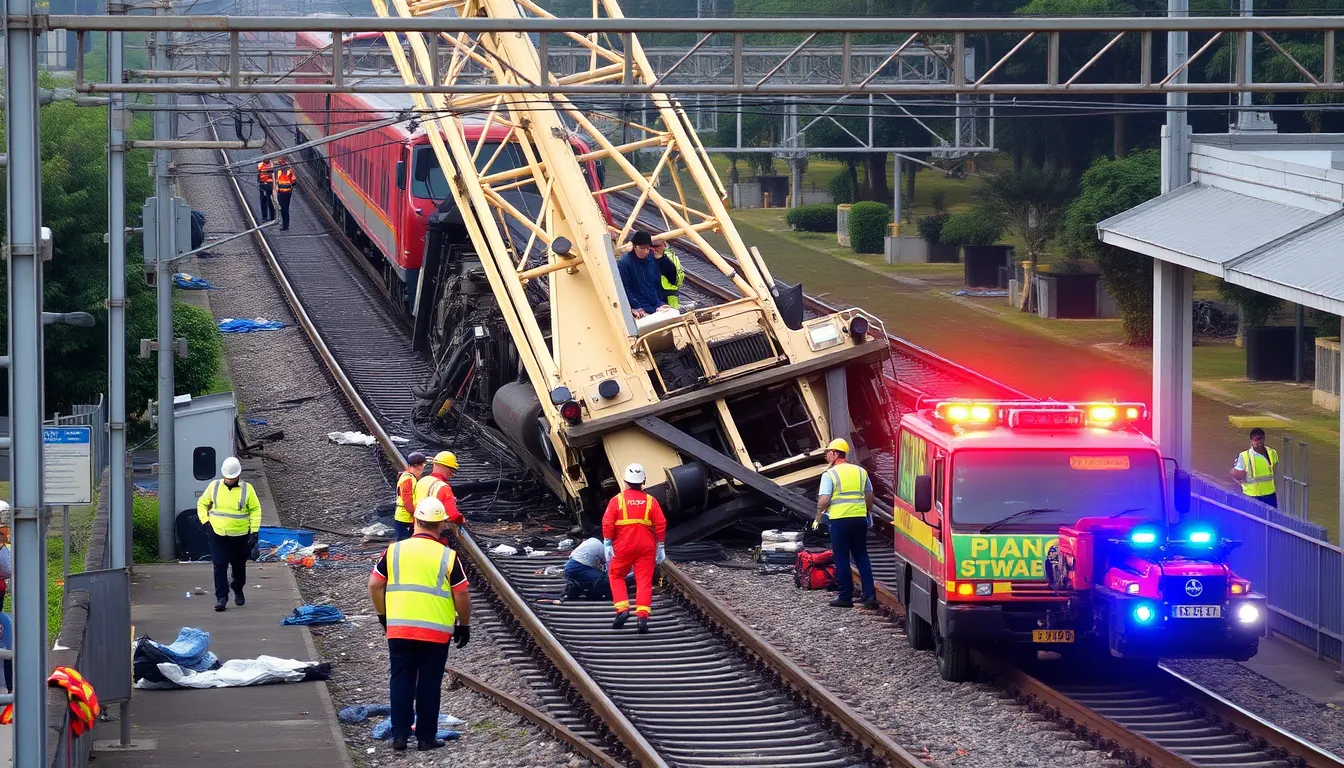
Local businesses that rely on train traffic, such as shops and restaurants near railway stations, are also affected. Reduced foot traffic can lead to a decline in sales, impacting their revenue and potentially resulting in layoffs. The construction industry may face scrutiny as investigations into the crane’s collapse unfold, leading to potential regulatory changes that could affect ongoing and future projects.
- Passenger safety concerns: Increased anxiety and reluctance to use rail services.
- Economic impact: Local businesses experiencing a downturn due to reduced train traffic.
- Regulatory scrutiny: Potential changes in construction and safety regulations affecting the industry.
In the mid-term, there may be opportunities for improvement in infrastructure resilience and safety protocols. The incident could prompt a review of existing policies, leading to enhanced training for railway workers and stricter oversight of construction practices. While the immediate impacts are negative, they may catalyze positive changes that ultimately benefit the railway system and its users.
A: The exact cause of the crane collapse is still under investigation, but preliminary reports suggest structural failure may have played a role. A: Yes, the incident resulted in several injuries, and emergency services are currently assessing the situation to provide necessary medical assistance. A: The railway authority has launched an investigation and is working closely with safety inspectors to determine the cause and prevent future occurrences. A: Typically, safety protocols include regular inspections and adherence to strict guidelines, but the effectiveness of these measures is now under scrutiny following this incident. A: Train services may experience delays and disruptions as authorities assess the damage and ensure safety before resuming operations.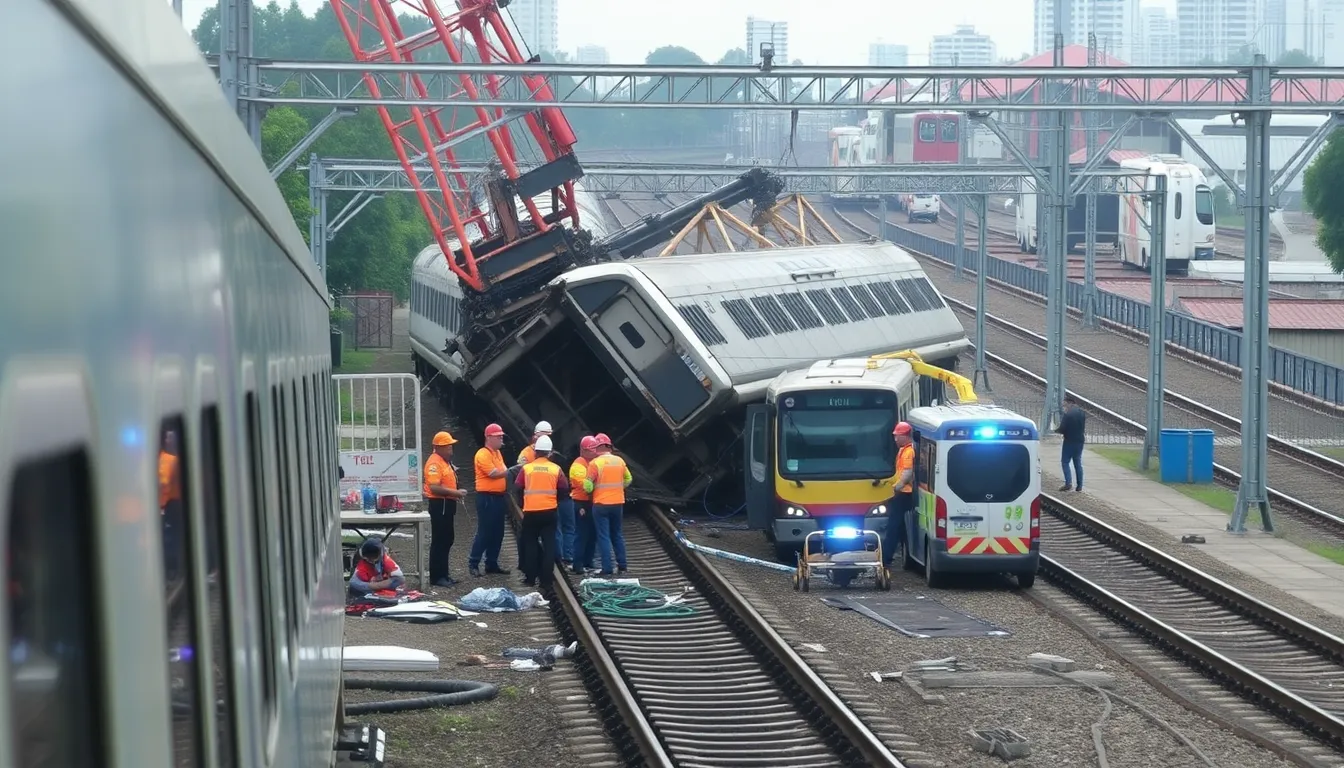
Frequently asked questions about the crane collapse incident
Key takeaways and future implications of the crane collapse
The recent crane collapse in Thailand, which tragically impacted a train, underscores the critical need for stringent safety regulations in construction and transportation sectors. As investigations unfold, the focus will likely shift towards assessing compliance with safety standards and the potential for systemic changes to prevent similar incidents in the future.
This incident not only highlights the immediate dangers associated with construction activities near public transport but also raises questions about the broader implications for infrastructure safety and public trust. Stakeholders must remain vigilant as the situation develops, ensuring that lessons learned lead to improved practices and safeguards.
- Increased scrutiny of construction safety protocols may lead to more rigorous enforcement of regulations.
- Potential for policy changes aimed at enhancing the safety of construction projects adjacent to transportation networks.
- Public awareness and concern regarding infrastructure safety could drive demand for transparency in safety practices.
- Future infrastructure projects may incorporate advanced safety technologies to mitigate risks associated with heavy machinery.