


The decision to raise prices is influenced by several factors, including increased demand for high-performance GPUs driven by gaming, artificial intelligence, and data center applications. As more consumers and businesses rely on advanced graphics technology, both companies are looking to capitalize on this trend while addressing their own cost pressures.
Market analysts predict that the price increases could reshape the competitive landscape in the GPU market. Consumers may face higher costs for new graphics cards, which could lead to a slowdown in sales and impact overall market growth. As AMD and Nvidia adjust their pricing strategies, other manufacturers may also follow suit, further affecting pricing dynamics.
As of now, no specific percentage increase has been disclosed, but industry insiders suggest that the changes could be substantial. With the GPU market already experiencing volatility, this news is likely to generate discussions among consumers, investors, and tech enthusiasts about the future of graphics technology.
Recommended Articles
Understanding the factors behind the price increase
The graphics processing unit (GPU) market has experienced significant fluctuations over the past decade, driven by a combination of technological advancements, increased demand for gaming and cryptocurrency mining, and supply chain disruptions. Historically, companies like AMD and Nvidia have played a crucial role in shaping the landscape of computer graphics, but their pricing strategies have often been influenced by external factors, including global economic conditions and competition.
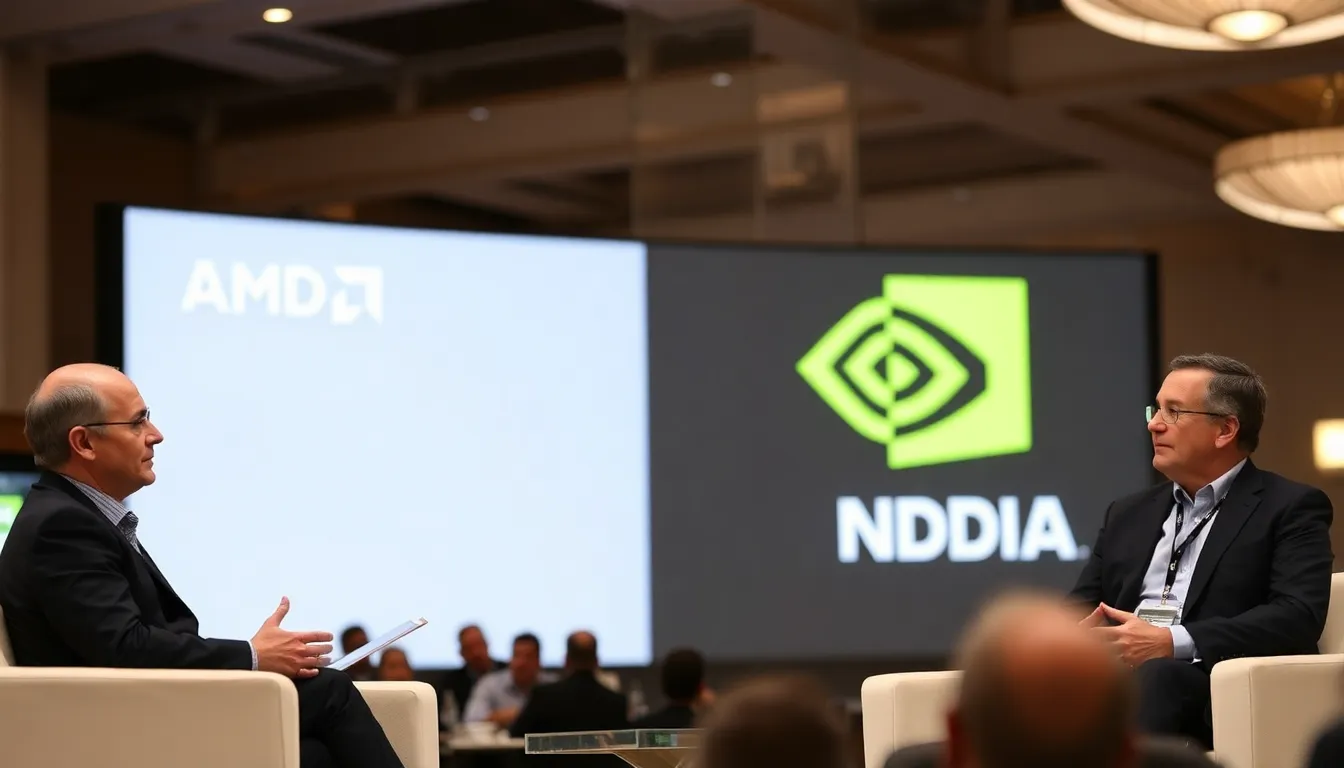
In the early 2020s, the surge in remote work and online entertainment during the pandemic led to an unprecedented demand for GPUs. This spike in demand was further exacerbated by the cryptocurrency boom, where GPUs were sought after for mining digital currencies. As a result, both AMD and Nvidia faced challenges in meeting consumer needs, leading to inflated prices and scarcity in the market. The situation was compounded by semiconductor shortages, which affected production capabilities and further drove up prices.
The impact of inflation and supply chain issues
As the world began to recover from the pandemic, inflation rates soared, impacting various sectors, including technology. Rising costs of raw materials and transportation have placed additional pressure on manufacturers, prompting them to reconsider their pricing models. AMD and Nvidia, facing increased operational costs, are likely to pass these expenses onto consumers, resulting in the anticipated price hikes in 2026.
Moreover, geopolitical tensions and trade policies have also influenced the GPU market. Trade restrictions and tariffs imposed on semiconductor imports have created further challenges for companies relying on global supply chains. This complex interplay of factors has set the stage for AMD and Nvidia to raise their prices significantly, as they navigate a market that is both competitive and fraught with uncertainties.
Key stakeholders and their positions on the price hike
The anticipated price increase of GPUs by AMD and Nvidia in 2026 has significant implications for various stakeholders in the technology and gaming industries. The main actors include the GPU manufacturers themselves, consumers, gaming companies, and regulatory bodies. Each of these stakeholders has distinct interests and concerns regarding the potential price hike.
AMD and Nvidia, as the leading manufacturers of graphics processing units, are primarily motivated by profit maximization and market share growth. A significant price hike could enhance their revenue streams, especially in a competitive market where demand for high-performance GPUs continues to rise. However, they must also consider the potential backlash from consumers and the long-term effects on their brand loyalty.

Consumers, particularly gamers and professionals who rely on high-quality graphics, are likely to oppose the price increase. Many may feel that such a hike is unjustified, especially if it occurs without a corresponding improvement in technology or performance. This discontent could lead to a shift in consumer behavior, with some opting for alternatives or delaying purchases, which may ultimately impact sales for both companies.
Gaming companies and software developers may also be affected by the price rise. Higher GPU prices could lead to increased costs for game development and production, as developers may need to invest in more expensive hardware to ensure compatibility with the latest technologies. This scenario could result in higher prices for consumers in the gaming market, creating a ripple effect throughout the industry.
- Market competition: A price hike could alter the competitive landscape, encouraging rival companies to innovate or offer lower-priced alternatives.
- Consumer backlash: Increased prices may lead to dissatisfaction among consumers, potentially damaging brand loyalty for AMD and Nvidia.
- Regulatory scrutiny: Governments may intervene if price hikes are viewed as anti-competitive or exploitative, particularly in markets where consumers have limited options.
- Technological advancements: If the price increase is accompanied by significant advancements in GPU technology, it may be more palatable for consumers.
- Economic conditions: Broader economic factors, such as inflation and supply chain issues, could influence the timing and magnitude of the price increase.
Potential effects on consumers and the gaming market
The anticipated price increase of GPUs by AMD and Nvidia in 2026 is expected to have a significant impact on various groups, particularly gamers, content creators, and tech enthusiasts. These consumers, who heavily rely on high-performance graphics cards for gaming and professional applications, will face increased costs that could limit their purchasing power and access to the latest technology.
Industries such as gaming, virtual reality, and graphic design will also feel the effects. As GPU prices rise, game developers and studios may need to adjust their budgets, potentially leading to higher prices for new games or delayed releases. This could stifle innovation and creativity in the gaming sector, affecting both developers and players.

Regions with a high concentration of tech companies and gaming communities, such as Silicon Valley and major urban centers, may experience a more pronounced impact. Consumers in these areas are likely to be more sensitive to price increases, which could lead to a decline in sales for local retailers and online platforms. Furthermore, the ripple effect could extend to related sectors, such as gaming hardware and accessories.
- Short-term risks: Increased consumer spending may lead to reduced disposable income for other purchases.
- Mid-term risks: Potential layoffs in gaming and tech industries due to budget constraints.
- Opportunities: New entrants in the market may emerge as consumers seek affordable alternatives.
While the price hike poses challenges, it may also present opportunities for innovation. Companies that can develop cost-effective solutions or alternative technologies may find a growing market. Additionally, as consumers adapt to higher prices, there may be a shift towards subscription models or cloud gaming services, which could reshape the industry landscape.
A: The price increase is attributed to rising production costs and increased demand for high-performance GPUs in gaming and AI applications. A: The price hike is expected to be implemented in 2026, but specific dates have not yet been announced. A: Gamers may face higher costs for new GPU purchases, which could impact their ability to upgrade or build new systems. A: While AMD and Nvidia are the leading GPU manufacturers, there are alternatives such as Intel’s graphics cards and older models that may be more affordable. A: Yes, the increase in GPU prices could lead to higher costs for gaming PCs and related hardware, potentially slowing down market growth.
Frequently asked questions about the upcoming price changes
Looking ahead: implications of the price increase
The anticipated significant price increase of GPUs by AMD and Nvidia in 2026 raises several important considerations for consumers, developers, and industry stakeholders. As the demand for high-performance graphics continues to grow, the financial implications of these price adjustments could reshape market dynamics, consumer purchasing behavior, and the overall competitive landscape within the tech industry.
Monitoring how these price changes affect consumer sentiment and sales trends will be crucial, as will observing potential responses from competitors and alternative technologies. Stakeholders should prepare for potential shifts in investment strategies and product development cycles as companies adapt to the evolving market conditions.
- Watch for shifts in consumer purchasing patterns as buyers may delay upgrades or seek alternative solutions.
- Monitor competitor responses; companies may innovate or adjust pricing strategies to maintain market share.
- Consider the impact on gaming and AI sectors, where high-performance GPUs are critical for development and user experience.
- Stay informed about potential regulatory responses to price increases, particularly if they significantly impact consumer access.
- Evaluate the long-term implications for the semiconductor supply chain and manufacturing processes as companies adjust to new pricing models.