


During the hearings, which commenced on September 21, 2023, The Gambia presented evidence and testimonies highlighting the systematic persecution faced by the Rohingya, including killings, sexual violence, and the destruction of homes and villages. The Gambia, supported by the Organization of Islamic Cooperation (OIC), argues that these actions constitute genocide and calls for Myanmar to be held accountable under international law. This landmark case has sparked interest in how international law addresses such serious allegations.
Myanmar’s defense, presented by its legal team, contests the allegations, asserting that the military operations were a legitimate response to terrorism and insurgency. The country maintains that the claims of genocide are unfounded and politically motivated, seeking to undermine its sovereignty.
The proceedings at the ICJ are significant not only for the Rohingya but also for international law, as they could set a precedent for how genocide cases are addressed in the future. For more on the implications of this case on global responses to human rights violations, refer to related articles.
The ongoing case has drawn international attention, with various human rights organizations and advocates urging the court to take a strong stance against impunity. As the world watches, the outcome of this case could have far-reaching implications for the Rohingya community and the broader struggle for justice in the face of genocide.
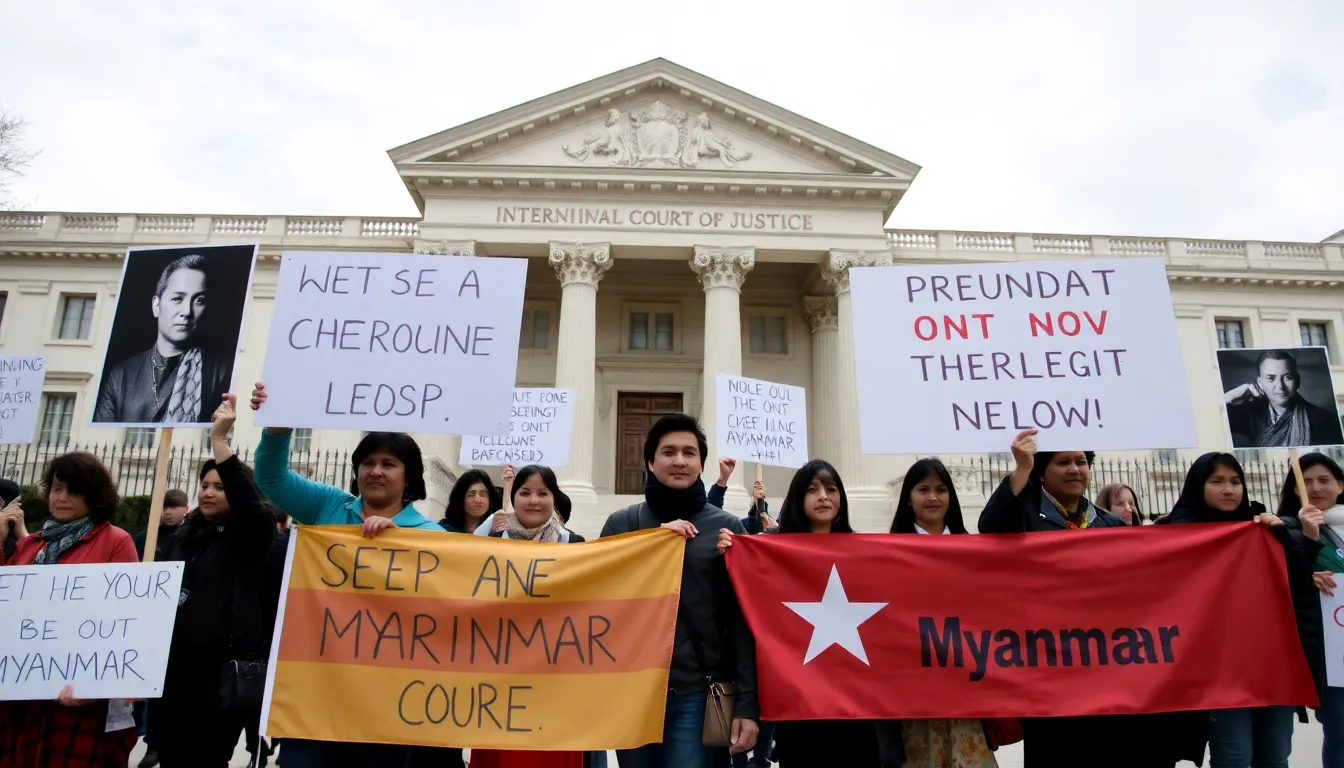
Background on the Rohingya crisis and international response
The Rohingya crisis has its roots in a complex interplay of historical, political, and social factors that have marginalized the Rohingya people, a Muslim minority group in Myanmar. The origins of the conflict can be traced back to the colonial era when British colonial policies exacerbated ethnic divisions in the region. Following Myanmar’s independence in 1948, the newly formed government struggled to integrate the Rohingya, who were often viewed as outsiders despite their long-standing presence in Rakhine State.
In the decades that followed, the Rohingya faced increasing discrimination and violence, particularly after the 1962 military coup that established a repressive regime. The government enacted laws that stripped the Rohingya of their citizenship, rendering them stateless and subject to severe restrictions on movement, education, and employment. This systemic marginalization laid the groundwork for the violent outbreaks that would occur later, including the significant escalations in 2012 and 2017.
The situation reached a critical point in August 2017, when a military crackdown was launched in response to attacks by the Arakan Rohingya Salvation Army (ARSA). This campaign led to widespread atrocities, including mass killings, sexual violence, and the burning of villages, prompting over 700,000 Rohingya to flee to neighboring Bangladesh. The United Nations described these actions as a “textbook example of ethnic cleansing,” drawing international condemnation and calls for accountability.
International Legal Actions and Responses
The international community has taken various steps to address the Rohingya crisis, including the establishment of fact-finding missions and calls for justice from organizations like the United Nations. In 2019, The Gambia filed a landmark case against Myanmar at the International Court of Justice (ICJ), accusing it of committing genocide against the Rohingya. This case has opened new avenues for legal accountability and has highlighted the need for a robust international response to protect vulnerable populations facing similar threats globally, much like other advocacy efforts.
Despite these efforts, the situation remains dire, with many Rohingya still living in overcrowded refugee camps in Bangladesh, facing uncertain futures. The ongoing legal proceedings at the ICJ represent a critical juncture in the fight for justice and accountability for the Rohingya people, as well as a test for the international community’s commitment to preventing genocide and protecting human rights.
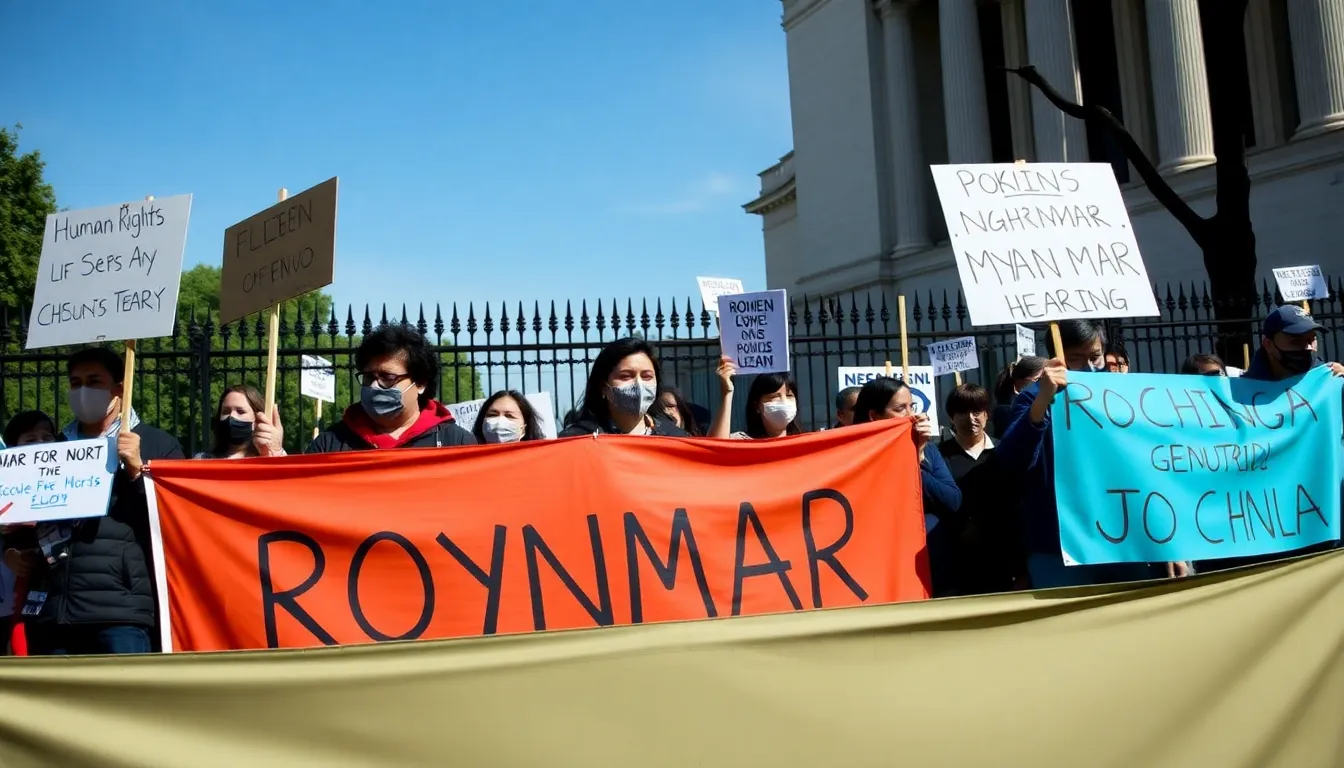
Key stakeholders and major issues in the case
The ongoing case regarding the Rohingya genocide at the International Court of Justice (ICJ) involves several key stakeholders, each with distinct interests and motivations. The primary actors include the government of Myanmar, the Rohingya people, international human rights organizations, and various member states of the United Nations.
Myanmar’s government is a central player in this case, facing allegations of committing genocide against the Rohingya population. The military and political leadership in Myanmar are primarily concerned with maintaining national sovereignty and avoiding international condemnation. Their interests lie in defending their actions as necessary for national security and stability, while simultaneously seeking to minimize the economic and diplomatic repercussions of the case.
The Rohingya people, who have faced severe persecution and violence, are the victims at the heart of this case. Their primary interest is in achieving justice and accountability for the atrocities committed against them. This includes seeking reparations, recognition of their rights, and the possibility of returning to their homeland in safety and dignity. The Rohingya community is represented by various advocacy groups and legal organizations that aim to support their claims and amplify their voices on the international stage.
International human rights organizations, such as Amnesty International and Human Rights Watch, play a crucial role in documenting abuses and advocating for the Rohingya. Their interests are focused on holding perpetrators accountable and influencing global public opinion to pressure Myanmar into compliance with international laws. These organizations also seek to ensure that the voices of the Rohingya are heard and that their plight remains a priority for the international community.
- Legal complexities: The case raises significant legal questions regarding the application of international law, particularly the Genocide Convention.
- Economic implications: Sanctions and trade restrictions may impact Myanmar’s economy, influencing its political landscape.
- Diplomatic relations: The case could strain Myanmar’s relationships with other nations, particularly those in Southeast Asia.
- Humanitarian concerns: Ongoing humanitarian crises resulting from the conflict complicate the resolution of the case.
- Long-term stability: The outcome of the case may affect regional stability and the future of minority rights in Myanmar.
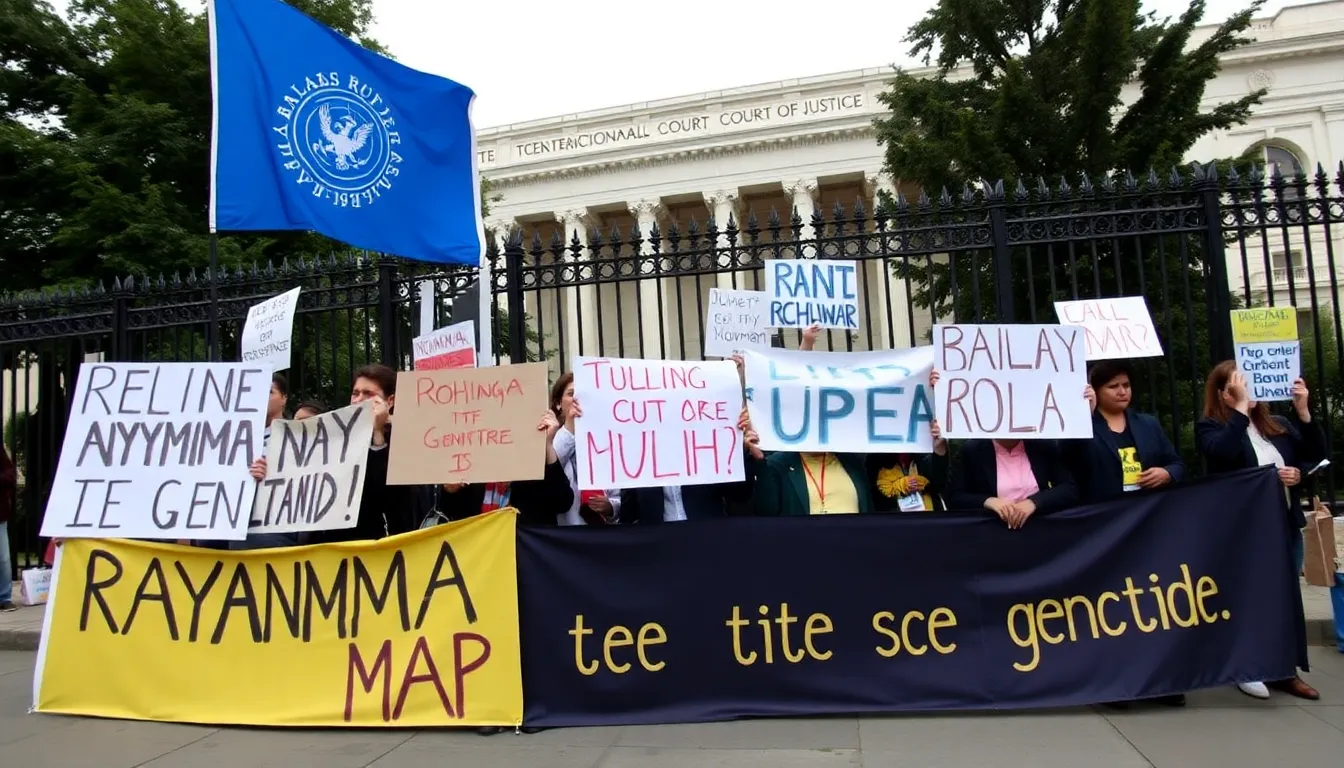
Impact on Rohingya communities and global perceptions
The ongoing landmark genocide case against Myanmar at the International Court of Justice (ICJ) has profound implications for Rohingya communities both within Myanmar and in diaspora regions. The case directly affects the lives of millions of Rohingya individuals who have faced systemic violence, displacement, and discrimination. As the world watches the proceedings, it also influences global perceptions of Myanmar’s government and its accountability for human rights abuses.
In the short term, the case may lead to increased international scrutiny and pressure on Myanmar, which could result in immediate changes in policy or humanitarian responses. For the Rohingya, this could mean enhanced support from international organizations and potential pathways for resettlement or aid. However, it also poses risks, as Myanmar may react defensively, further entrenching discriminatory policies against the Rohingya.
In the mid-term, the outcome of the case could significantly alter the geopolitical landscape in Southeast Asia. Countries that have historically supported Myanmar may reconsider their stances, leading to shifts in trade relations and diplomatic ties. This could create opportunities for advocacy groups and humanitarian organizations to push for reforms and increased aid, while also risking backlash from nationalist elements within Myanmar.
- Rohingya Communities: Increased visibility and potential support but also heightened risks of retaliation.
- International Relations: Possible shifts in diplomatic ties affecting regional stability.
- Humanitarian Aid: Opportunities for increased funding and resources for displaced populations.
- Business Environment: Risks for foreign investments in Myanmar due to reputational damage.
Overall, the case not only highlights the plight of the Rohingya but also serves as a litmus test for the international community’s commitment to human rights. The impacts will resonate far beyond the courtroom, affecting policies, economies, and the lives of countless individuals.
A: The case is significant as it seeks to hold Myanmar accountable for alleged genocide against the Rohingya people, highlighting international human rights obligations. A: The international community has largely condemned Myanmar’s actions, with various countries and organizations calling for justice and support for the Rohingya. A: The International Court of Justice adjudicates disputes between states and provides advisory opinions on legal questions referred to it by the UN. A: Potential outcomes include a ruling that could mandate reparations, changes in Myanmar’s policies, or further international sanctions. A: Individuals can support the Rohingya community through advocacy, donations to humanitarian organizations, and raising awareness about their plight.
Frequently asked questions about the case
Key takeaways and future outlook on the case
The ongoing case concerning the Rohingya genocide at the International Court of Justice (ICJ) marks a significant moment in international law and human rights advocacy. As the court deliberates on the evidence presented, the implications of this case extend beyond the immediate legal outcomes, potentially influencing global norms surrounding accountability for genocide and crimes against humanity.
Observers should remain vigilant about the potential ramifications of the ICJ’s ruling. A favorable decision for the Rohingya could pave the way for increased international pressure on Myanmar, while a dismissal may embolden similar actions by states with poor human rights records. The case also highlights the importance of international cooperation in addressing humanitarian crises and the pursuit of justice for marginalized communities.
- The ICJ’s ruling could set a precedent for future cases of genocide and crimes against humanity, influencing international legal standards.
- Increased global attention may lead to more robust sanctions or diplomatic efforts against Myanmar, impacting its political landscape.
- The case underscores the necessity for ongoing support and advocacy for the Rohingya, emphasizing humanitarian aid and resettlement efforts.
- Monitoring the reactions from Myanmar’s government and military will be crucial in assessing the potential for further violence or repression.
- This case may inspire similar legal actions by other marginalized groups seeking justice, highlighting a growing trend in international human rights litigation.