


Additionally, Trump’s administration has taken steps to withdraw from various international organizations and agreements that focus on environmental issues. This includes the United Nations Framework Convention on Climate Change (UNFCCC) and the Global Climate Fund, which have been instrumental in facilitating international cooperation on climate action.
The implications of these withdrawals are significant. Critics argue that stepping back from global climate commitments undermines efforts to combat climate change, potentially leading to increased greenhouse gas emissions and a lack of leadership in international climate discussions. Supporters of the withdrawal, however, contend that these agreements impose unfair economic burdens on the U.S.
As the world grapples with the urgent need for climate action, the U.S. withdrawal from these key treaties and organizations raises questions about the future of international climate cooperation and the role of the United States in addressing global environmental challenges.
Understanding the background of the climate treaty and its significance
The climate treaty in question, formally known as the Paris Agreement, was adopted in 2015 during the United Nations Climate Change Conference (COP21) in Paris. This landmark accord marked a significant shift in global climate policy, as nations around the world committed to limiting global warming to well below 2 degrees Celsius above pre-industrial levels, with efforts to restrict the increase to 1.5 degrees Celsius. The treaty was seen as a crucial step towards mitigating the impacts of climate change, which poses severe risks to ecosystems, human health, and global economies.
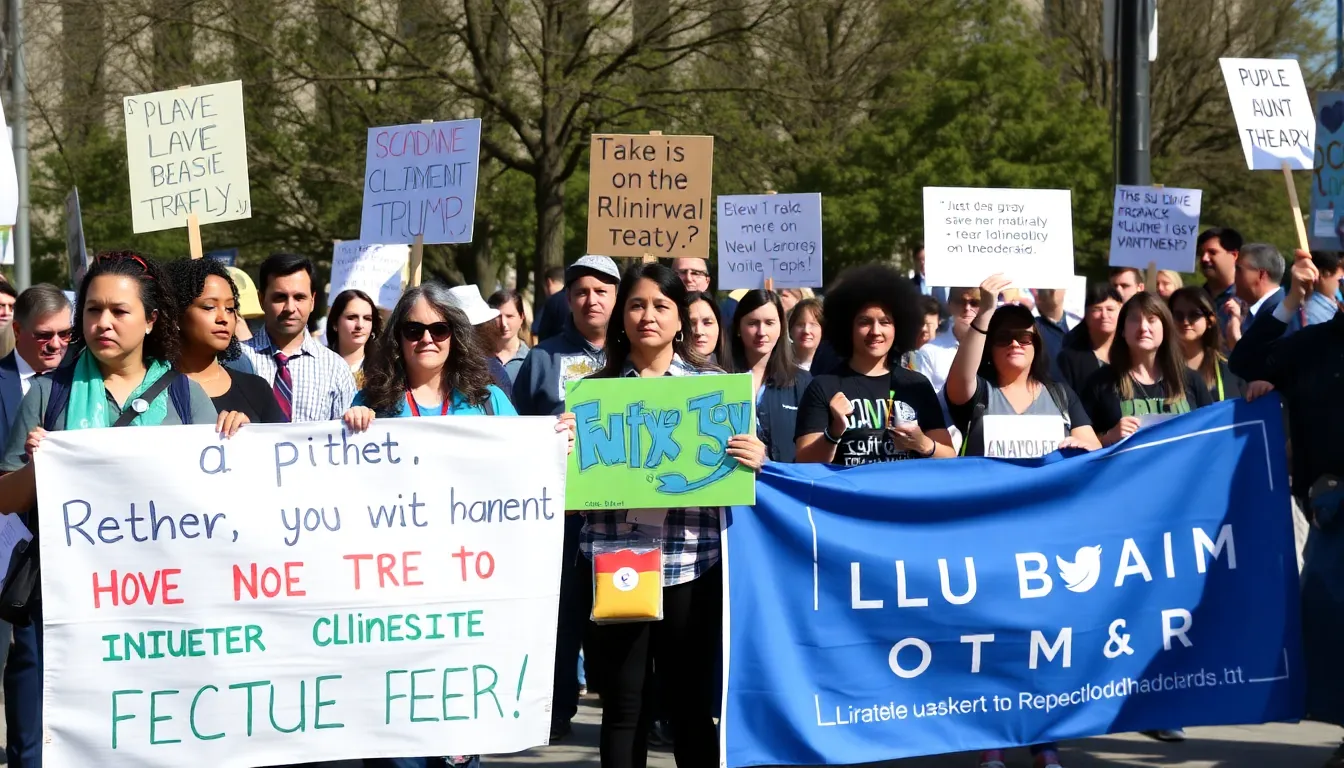
However, the political landscape shifted dramatically with the election of Donald Trump in 2016. Trump’s administration viewed the treaty as detrimental to the U.S. economy, arguing that it imposed unfair burdens on American workers and industries. This perspective was rooted in a broader skepticism towards climate change science and a prioritization of fossil fuel production and economic growth over environmental regulations.
In June 2017, President Trump announced the U.S. withdrawal from the Paris Agreement, stating that he was acting in the best interest of the American people. This move was met with widespread criticism both domestically and internationally, as many leaders and environmental advocates feared it would undermine global efforts to combat climate change. The withdrawal was formalized in November 2020, making the U.S. the only country to exit the agreement, a decision that raised concerns about the future of international climate cooperation.
Impact on Global Climate Policy
The U.S. withdrawal from the Paris Agreement had significant implications for global climate policy. It not only weakened the collective ambition of nations to reduce greenhouse gas emissions but also prompted other countries to reconsider their commitments. The absence of U.S. leadership in climate discussions created a vacuum that some nations sought to fill, while others expressed doubts about the effectiveness of international treaties in addressing climate change. This shift highlighted the delicate balance between national interests and global responsibilities in the fight against climate change.
Key stakeholders and major issues surrounding the withdrawal
The decision by former President Donald Trump to withdraw the United States from key climate treaties has sparked intense debate among various stakeholders. These include government entities, environmental organizations, and the business sector, each with distinct interests and perspectives on climate policy and global cooperation.
On one side, the Trump administration and its supporters argue that withdrawing from these treaties is essential for protecting American jobs and economic interests. They believe that international agreements often impose unfair restrictions on domestic industries, potentially stifling growth and innovation. This perspective emphasizes a prioritization of national sovereignty and economic independence.
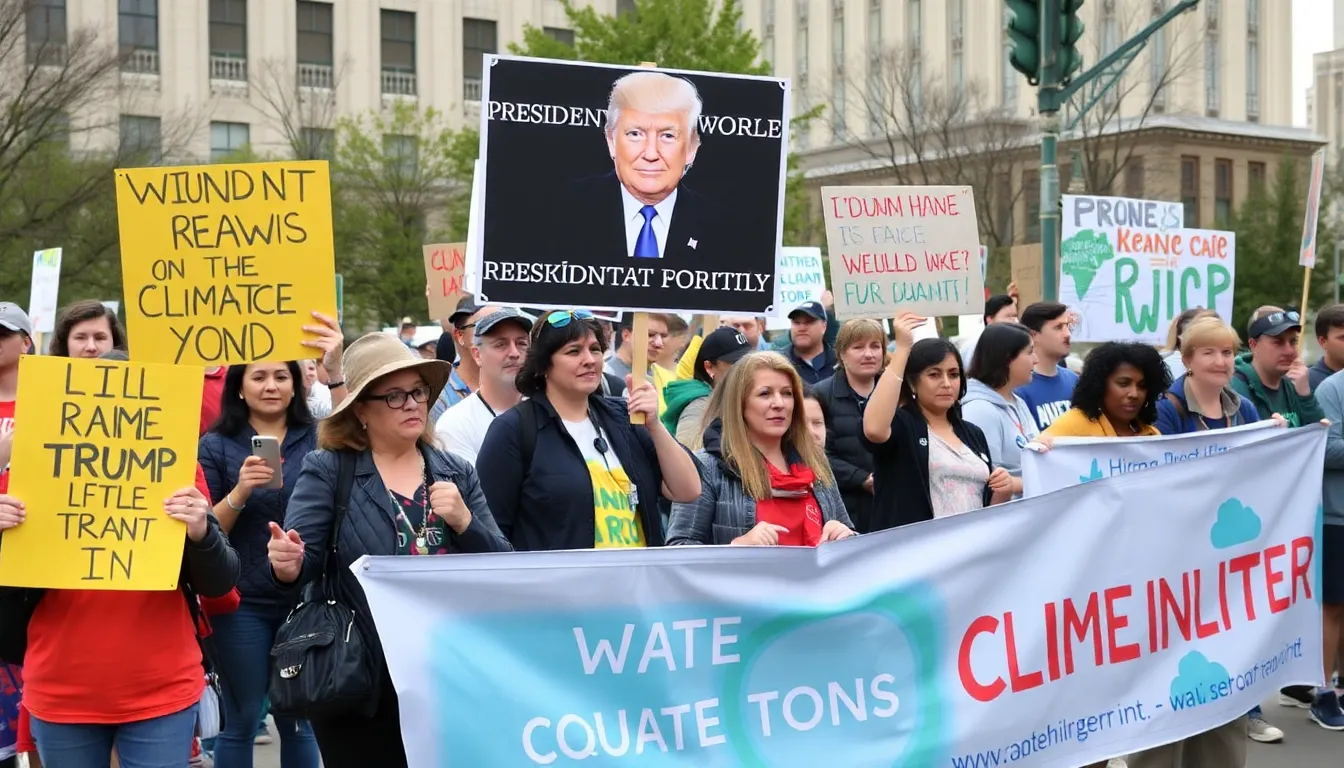
Conversely, environmental groups and many scientists view the withdrawal as a significant setback in the global fight against climate change. They argue that international collaboration is crucial for addressing the urgent challenges posed by global warming. The withdrawal raises concerns about increased greenhouse gas emissions and the potential for irreversible damage to ecosystems. Key organizations such as the Sierra Club and Greenpeace have voiced strong opposition, emphasizing the need for the U.S. to lead in climate action.
Additionally, international stakeholders, including other governments and multinational organizations, have expressed disappointment over the withdrawal. The Paris Agreement, for instance, relies on cooperation among countries to meet climate goals. The U.S. exit could undermine global efforts and weaken commitments from other nations, leading to a fragmented approach to climate policy. This scenario raises questions about the future of international climate negotiations and the potential for other countries to follow suit.
- Economic Interests: The conflict between job preservation in traditional industries and the transition to a green economy.
- Environmental Impact: The potential for increased emissions and ecological damage due to reduced U.S. commitments.
- International Relations: Strain on diplomatic ties with allies who prioritize climate action and multilateral agreements.
- Public Health Concerns: The implications of climate change on air quality and public health outcomes.
- Legal Challenges: Possible litigation from states and environmental groups against the withdrawal.
The potential impact on global climate efforts and local communities
The withdrawal of the United States from a key climate treaty poses significant challenges for various groups and industries, particularly those focused on environmental sustainability and renewable energy. The decision affects not only policymakers but also businesses, non-governmental organizations, and local communities that rely on climate initiatives for support and funding.
Industries such as renewable energy, agriculture, and tourism are among the most impacted. For instance, renewable energy companies may face reduced federal support and investment, hindering their growth and innovation. Agricultural sectors that depend on climate regulations to manage water resources and crop sustainability may also experience increased vulnerability to climate change.
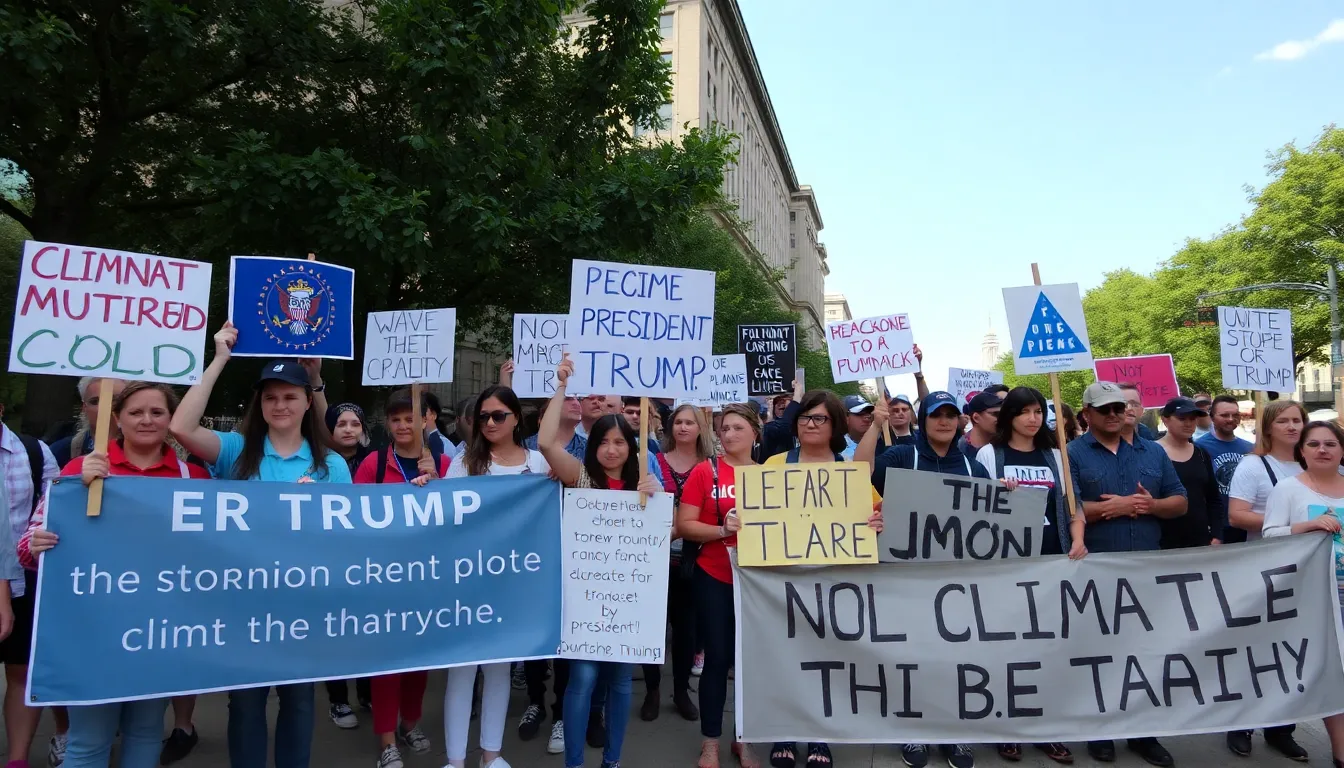
Local communities, especially those in vulnerable regions, may see immediate effects in their daily lives. The lack of U.S. participation in global climate agreements could lead to more severe weather events, impacting infrastructure and public health. These communities may also struggle with increased costs related to climate adaptation and disaster recovery.
However, there are potential opportunities that could arise from this situation. Some industries may pivot towards more localized solutions, fostering innovation and entrepreneurship in sustainable practices. Additionally, states and cities may take the initiative to implement their own climate policies, leading to a patchwork of regulations that could stimulate economic growth in green sectors.
- Increased risks of climate-related disasters for vulnerable communities.
- Potential decline in investment for renewable energy projects.
- Opportunities for local governments to lead in climate initiatives.
- Shift in business strategies towards sustainability in response to market demands.
- Increased advocacy and activism from environmental groups.
A: Trump cited concerns over economic impacts and national sovereignty as reasons for the withdrawal. He believes the treaty imposes unfair regulations on the US economy. A: The withdrawal could undermine global efforts to combat climate change, as the US is a major player in international negotiations. It may also lead to other countries reconsidering their commitments. A: Local communities that are vulnerable to climate change may face increased risks without federal support for climate initiatives. This could impact public health, infrastructure, and local economies. A: Some business groups and conservative organizations support the withdrawal, arguing that it protects American jobs and economic interests. However, environmental groups strongly oppose it. A: Individuals can advocate for climate action at the local level, support sustainable practices, and engage with policymakers to emphasize the importance of environmental protection.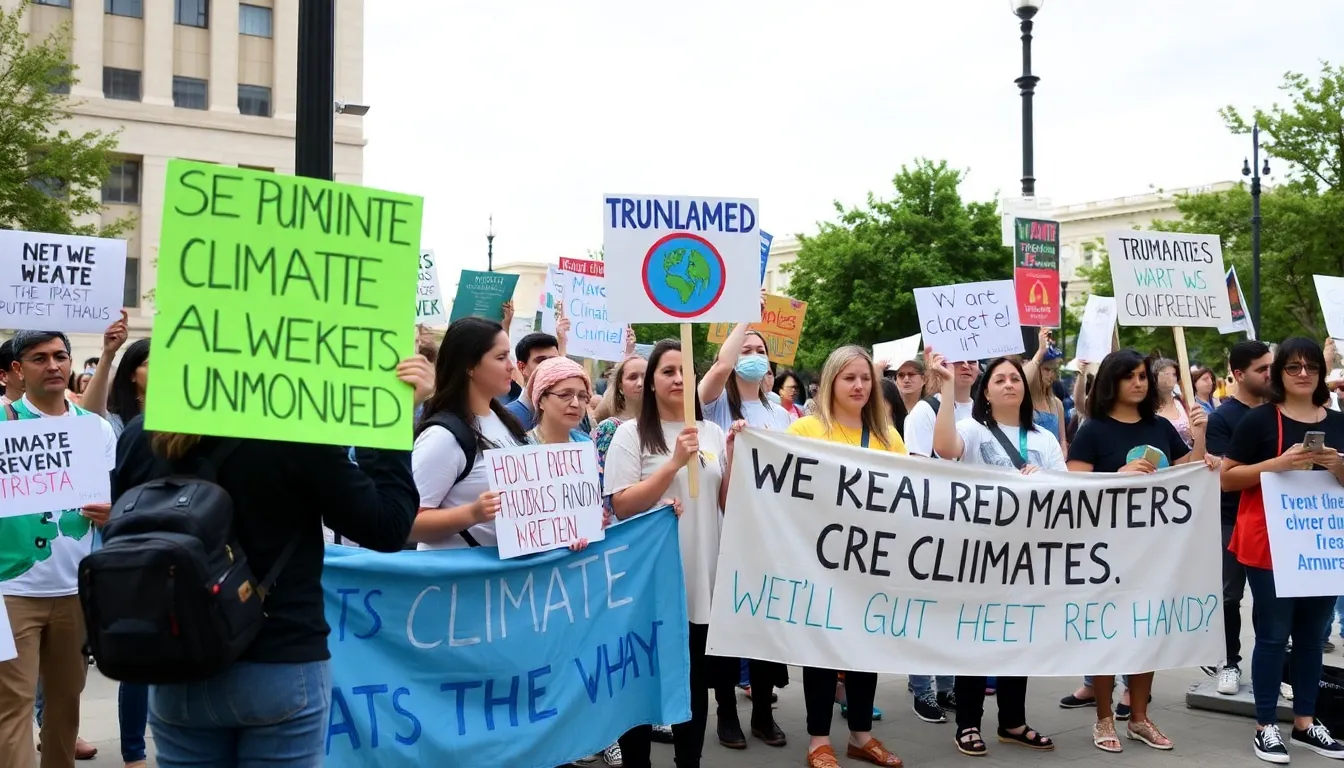
Frequently asked questions about the withdrawal
Key takeaways and future outlook on climate policy
The recent decision by Trump to withdraw the United States from a pivotal climate treaty signals a significant shift in the nation’s approach to environmental issues. This move not only has immediate implications for international climate agreements but also raises questions about the future of domestic climate policy and its alignment with global efforts to combat climate change.
As various groups respond to this development, stakeholders will need to closely monitor the changing landscape of climate initiatives, both in the U.S. and abroad. The potential for increased state-level action and the role of private sector investments in sustainable practices will be critical in shaping the future of climate policy.
- The withdrawal may prompt states and cities to take stronger local actions to meet climate goals, potentially leading to a patchwork of regulations across the country.
- Expect increased pressure on businesses to adopt sustainable practices as consumers and investors become more environmentally conscious.
- International relations regarding climate agreements may become strained, affecting future collaborations on global environmental initiatives.
- Watch for emerging technologies and innovations in renewable energy as companies seek to fill the void left by federal policy changes.