


The initiative is part of a broader effort to harness the unique conditions of space for industrial applications. By operating in microgravity, the factory can potentially enhance the quality and efficiency of manufacturing processes, leading to innovations in various sectors, including pharmaceuticals, materials science, and electronics.
Key players in this project include government agencies and private investors who have supported the initiative through funding and technological expertise. The launch was facilitated by a collaboration with a leading space launch provider, further emphasizing the growing interest in commercial space ventures. As more companies invest in space exploration, the potential for economic growth in this sector continues to expand.
Experts believe that the success of this factory could pave the way for future space-based industrial operations, which could revolutionize how we think about production and supply chains on Earth. As this project unfolds, it will be closely monitored by industry leaders and researchers eager to assess its impact on both space exploration and terrestrial manufacturing.
Understanding the significance of space-based manufacturing
The concept of manufacturing in space has evolved significantly over the past few decades, driven by advancements in technology and a growing interest in the potential benefits of off-Earth production. Historically, space exploration was primarily focused on scientific research and exploration, but as the costs of launching payloads into orbit have decreased, the idea of utilizing space for industrial processes has gained traction. This shift is not just about exploration; it represents a new frontier for economic growth and innovation.

In recent years, several key milestones have underscored the importance of space-based manufacturing. The International Space Station (ISS), established in 1998, has served as a laboratory for various experiments, including those related to material science and manufacturing processes in microgravity. These experiments have demonstrated that certain materials can be produced with superior properties when manufactured in space, paving the way for commercial applications.
The economic implications of space manufacturing
The economic landscape surrounding space-based manufacturing is rapidly changing. With the rise of private space companies, such as SpaceX and Blue Origin, the barriers to entry for space exploration and utilization are lowering. This has led to increased investment in technologies that can support manufacturing processes beyond Earth. The UK company sending a factory with a 1,000C furnace into space is a prime example of how private enterprises are exploring the potential for new markets and revenue streams in the aerospace sector.
Moreover, the global demand for advanced materials and high-performance products continues to rise, and space-based manufacturing could provide unique solutions that are not feasible on Earth. As nations and companies race to establish a foothold in this emerging industry, the implications for trade, employment, and technological advancement are profound, suggesting that the future of manufacturing may very well lie among the stars.
Key stakeholders and challenges in space manufacturing
The launch of a UK company’s factory equipped with a 1,000C furnace into space represents a significant milestone in the field of space manufacturing, involving key stakeholders such as the UK government, private aerospace companies, research institutions, and international space agencies.
The UK government is primarily interested in fostering innovation and maintaining a competitive edge in the global space industry. By supporting such ventures, it aims to stimulate economic growth, create jobs, and enhance the country’s technological capabilities. Private aerospace companies, on the other hand, are focused on the commercial viability of space manufacturing, seeking to develop new products and services that can be produced in microgravity environments.
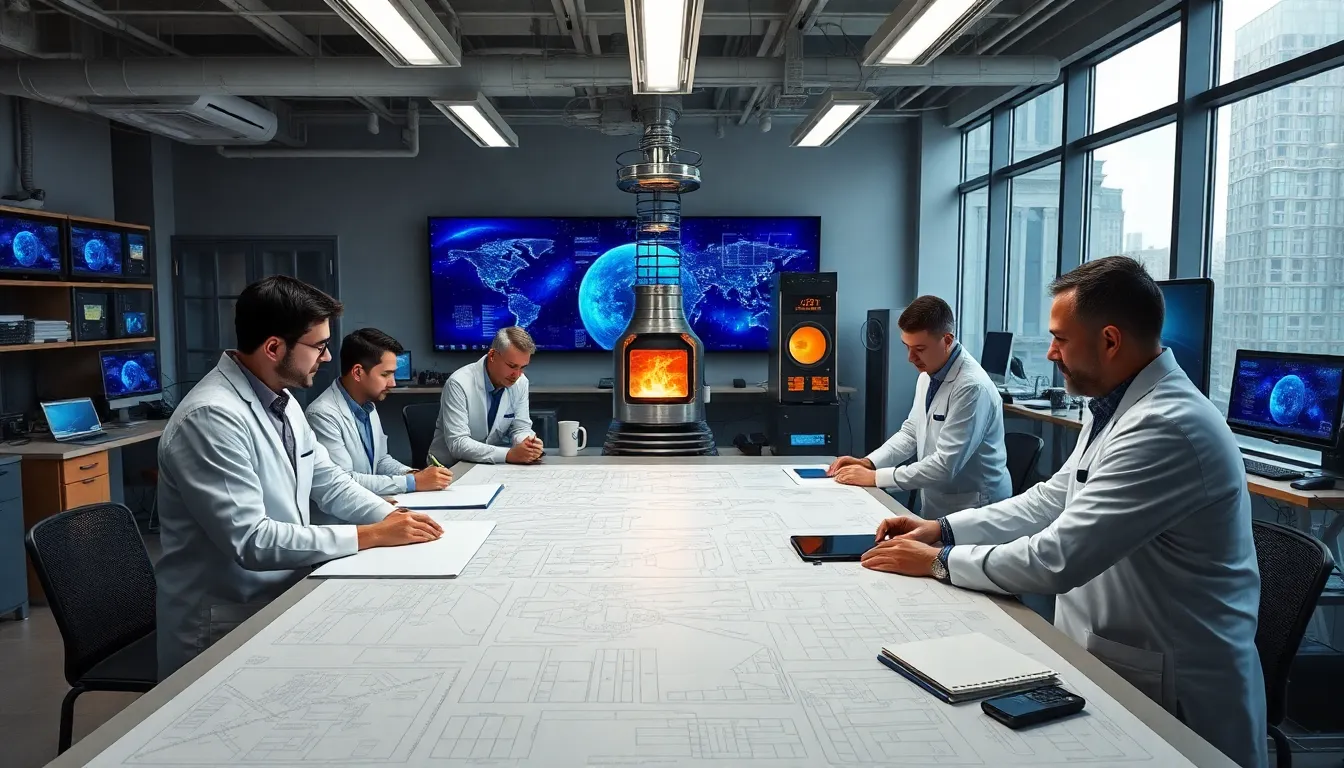
Research institutions play a crucial role by providing the scientific expertise necessary to understand the implications of manufacturing in space. Their interests lie in advancing knowledge and technology, which can lead to breakthroughs in various fields, including materials science and engineering. Meanwhile, international space agencies are concerned with regulatory compliance and the safety of space operations, as well as the potential for collaboration or competition with private entities.
- Regulatory Challenges: The need for clear regulations governing space manufacturing activities to ensure safety and sustainability.
- Economic Trade-offs: Balancing the high costs of space launches against the potential long-term benefits of space-based manufacturing.
- Technological Risks: Addressing the uncertainties associated with operating complex machinery in the harsh environment of space.
- International Collaboration: Navigating relationships with other nations and agencies that may have competing interests in space resources.
- Public Perception: Managing the public’s understanding and acceptance of commercial space endeavors and their implications for society.
As these stakeholders navigate the complexities of space manufacturing, they must also consider the broader implications of their actions. The intersection of innovation, regulation, and international cooperation will be critical in shaping the future of this emerging industry.
Potential impacts on industries and space exploration
The launch of a UK company’s factory equipped with a 1,000C furnace into space signifies a groundbreaking shift in manufacturing and materials science. This initiative primarily affects the aerospace, materials, and technology sectors, as well as regions heavily invested in space exploration, such as the UK and Europe. Companies involved in aerospace engineering, satellite manufacturing, and advanced materials are likely to see both immediate and long-term effects from this development.
In the short term, businesses may experience increased competition as new technologies emerge from this space factory. The ability to produce materials in microgravity could lead to innovations that are not possible on Earth, potentially disrupting existing supply chains and manufacturing processes. Companies that adapt quickly to these changes may secure a competitive edge, while those that do not could face challenges in maintaining their market position.
Mid-term impacts could include shifts in workforce requirements, as new skills will be needed to operate and maintain space-based manufacturing facilities. This could lead to job creation in specialized fields, but may also result in job displacement for those in traditional manufacturing roles. Additionally, policies surrounding space exploration and manufacturing may evolve, prompting governments to reassess regulations and funding for space initiatives.
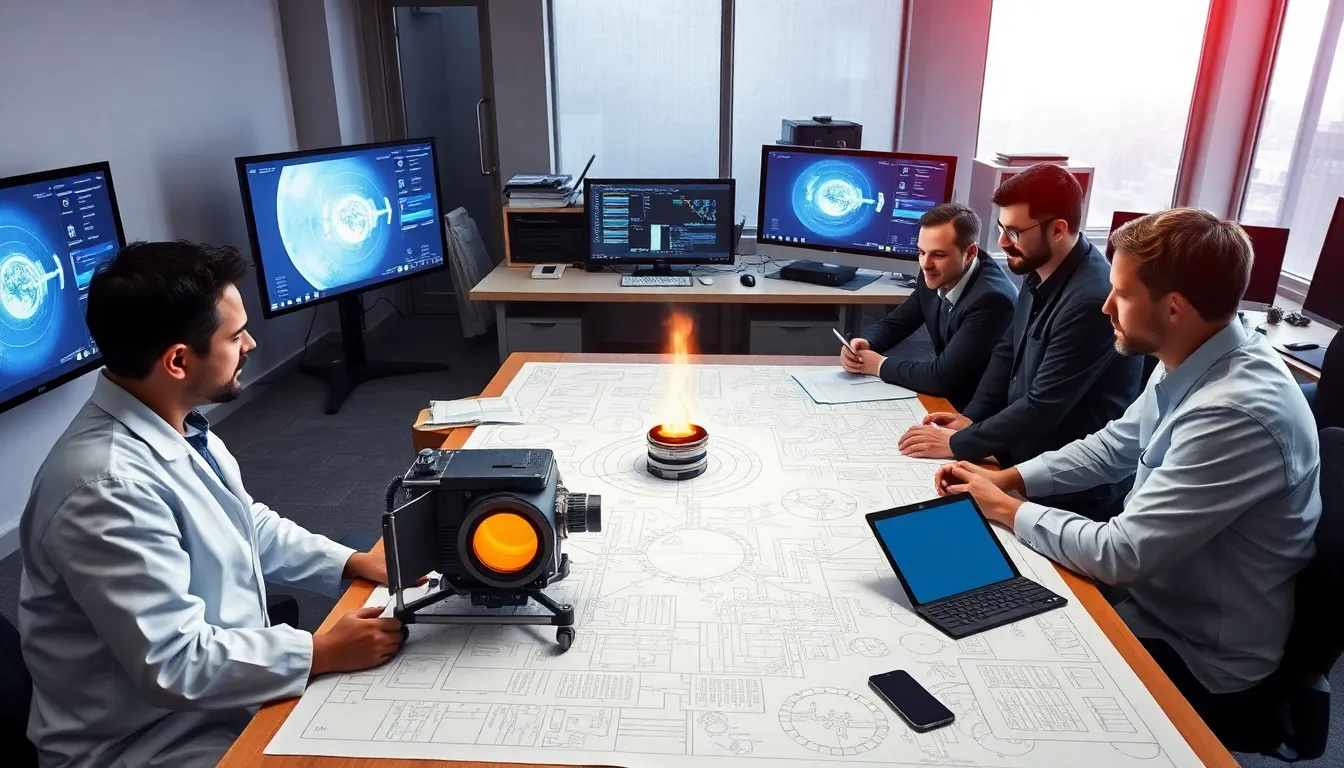
- Opportunities for innovation: New materials and products could emerge from space manufacturing, enhancing various industries.
- Economic growth: The success of space-based manufacturing could stimulate investment in related sectors.
- Job creation: Demand for skilled workers in aerospace and materials science may increase.
- Regulatory changes: Governments may need to adapt policies to facilitate and govern space manufacturing.
However, this venture also carries risks. The high costs associated with launching and maintaining a factory in space could deter investment from smaller companies. Furthermore, if the technology fails to produce the anticipated benefits, it could lead to significant financial losses and skepticism about the viability of space-based manufacturing. Balancing these risks with the potential for groundbreaking advancements will be crucial for stakeholders in the coming years.
A: The factory aims to explore the potential of manufacturing materials in microgravity, which could lead to advancements in various industries. A: The furnace is designed to function in a vacuum environment, utilizing advanced technology to maintain high temperatures necessary for material processing. A: The factory will focus on producing advanced materials that can benefit from the unique conditions of space, such as alloys and composites. A: The project has received funding from both private investors and government grants aimed at promoting space exploration and innovation. A: The company plans to conduct a series of experiments to assess the performance of the factory and its outputs before scaling operations.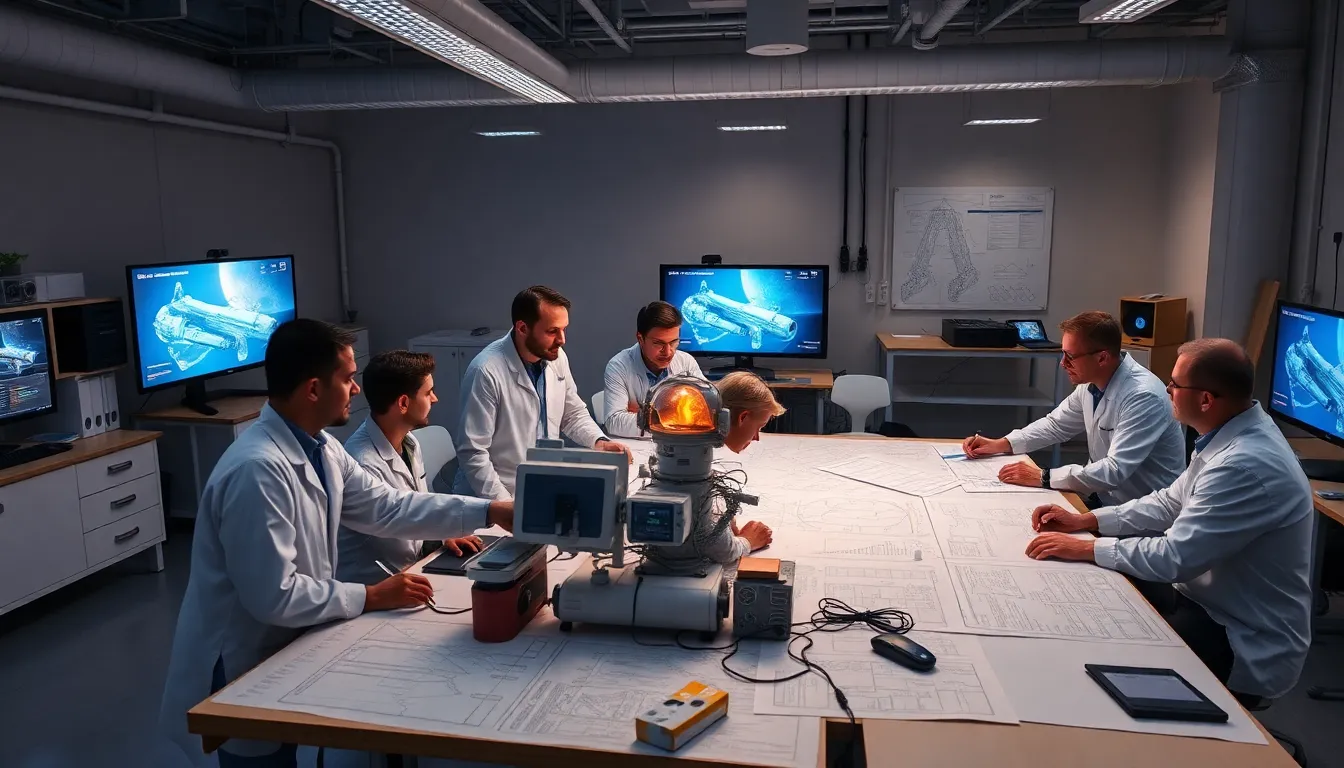
Frequently asked questions about the space factory
Future outlook on space manufacturing and its implications
The recent launch of a UK company’s factory equipped with a 1,000C furnace into space marks a significant milestone in the evolution of space manufacturing. This development not only showcases the potential for advanced materials processing in microgravity but also opens up new avenues for innovation in various industries, including aerospace, electronics, and pharmaceuticals. As we look ahead, the implications of this venture could reshape our understanding of manufacturing processes and materials science.
Furthermore, the ability to produce high-quality materials in space could lead to reduced costs and increased efficiency for future space missions. This advancement may encourage more private and public investments in space technologies, ultimately fostering a new era of economic activity beyond Earth. Stakeholders should closely monitor the outcomes of this initiative and its potential to influence global supply chains and manufacturing practices.
- Watch for advancements in material science that could result from zero-gravity manufacturing processes.
- Consider the potential for reduced costs in space missions due to in-situ resource utilization.
- Keep an eye on investment trends in space technology as more companies enter the market.
- Evaluate the implications for global supply chains as space manufacturing becomes more viable.
- Monitor regulatory developments as governments adapt to new manufacturing capabilities in space.