


Many residents have expressed frustration over the timing of these warnings, as they were issued only hours before the fires were predicted to reach populated areas. This delay has left some individuals with little time to prepare or evacuate, raising concerns about the adequacy of the state’s emergency response systems. For more on similar emergency measures, see the recent discussions on Venezuelan government actions.
In parallel, New South Wales Premier Chris Minns announced new legislative measures aimed at combating hate speech, particularly in private settings. This initiative, revealed on October 14, 2023, seeks to address rising concerns about divisive rhetoric and its impact on community cohesion.
The dual crises highlight the ongoing challenges faced by Australian authorities in managing both environmental threats and social issues. As communities grapple with the immediate dangers of bushfires, the government is also tasked with fostering a more inclusive dialogue to mitigate hate speech and promote unity.
Background on fire risks and hate speech legislation in Australia
Australia is no stranger to devastating bushfires, a phenomenon exacerbated by its unique climate and geography. The country experiences extreme weather conditions, including prolonged droughts and heatwaves, which create a perfect environment for bushfires to ignite and spread. Historical events, such as the Black Saturday bushfires in 2009 and the 2019-2020 Australian bushfire season, have highlighted the increasing frequency and intensity of these natural disasters, prompting a reevaluation of emergency response strategies and public safety measures.
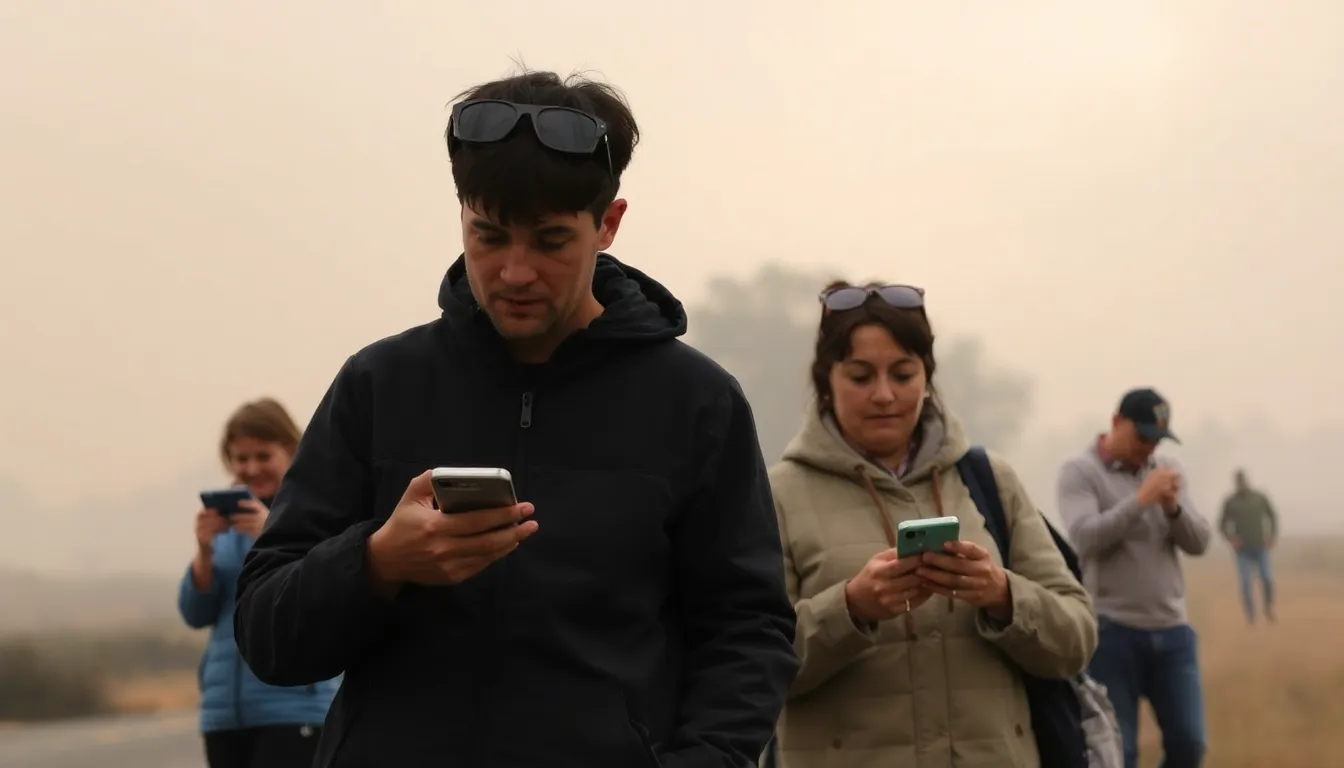
In recent years, warnings about fire risks have become more urgent, particularly in states like Victoria. The late warning systems have drawn criticism, as many residents find themselves caught off guard, forced to make hasty decisions about evacuation. The government’s response to these crises has evolved, with a focus on improving communication and preparedness to ensure that residents are adequately informed and equipped to respond to the threats posed by bushfires.
Legislative Responses to Hate Speech
Parallel to the challenges posed by natural disasters, Australia is also grappling with social issues such as hate speech, which has become a focal point of political debate. Recent incidents have prompted calls for stronger legislative measures to address hate speech, particularly in the context of rising tensions and divisive rhetoric. New South Wales Premier Chris Minns has proposed new powers aimed at combating hate speech, emphasizing the importance of addressing harmful discourse that often occurs “behind closed doors.” This initiative reflects a broader trend in Australian politics to foster a more inclusive society while balancing freedom of expression with the need to protect vulnerable communities. For further insights into international criticism of governmental actions, check out U.N. Allies’ perspectives.
The historical context of hate speech legislation in Australia reveals a complex landscape. Previous attempts to legislate against hate speech have faced challenges, including debates over the limits of free speech and the effectiveness of existing laws. The recent push for reform signifies a growing recognition of the need for proactive measures to foster social cohesion and protect individuals from discrimination and violence fueled by hate speech.
Key stakeholders and issues surrounding fire safety and hate speech
In the context of the current crisis in Victoria, the primary stakeholders include the Victorian government, local emergency services, and the affected residents. The government has a vested interest in ensuring public safety and managing the response to the bushfires, which have prompted late evacuation warnings. Local emergency services, including the Country Fire Authority, are tasked with firefighting and rescue efforts, while residents are primarily concerned about their safety and property.
The late warnings issued by authorities have sparked significant criticism, raising questions about the effectiveness of communication strategies during emergencies. This situation highlights the conflict between the need for timely information and the challenges of predicting fire behavior, which can change rapidly. The government must balance the urgency of evacuation orders with the accuracy of information provided to the public.
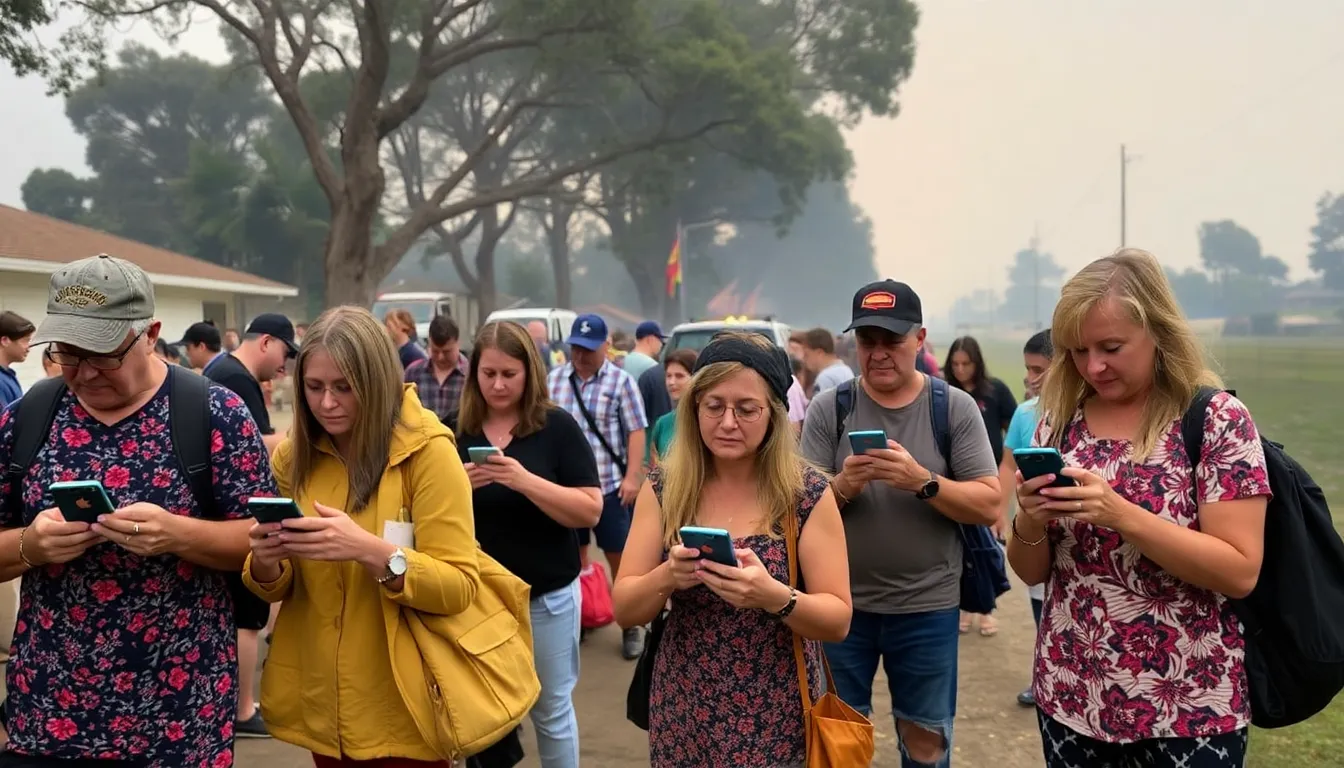
In New South Wales, the introduction of new powers by Premier Chris Minns to combat hate speech reflects another critical issue. Stakeholders here include the state government, advocacy groups, and communities affected by hate speech. The government aims to address rising concerns about hate speech and its impact on social cohesion, while advocacy groups support measures that promote inclusivity and safety.
- Potential conflicts between freedom of speech and the need to protect individuals from hate speech.
- Legal implications of the new powers and how they may affect civil liberties.
- Economic considerations regarding the implementation of these measures and their impact on community relations.
- The role of social media platforms in moderating hate speech and the responsibilities they bear.
Both issues fire safety in Victoria and hate speech legislation in New South Wales underscore the complexities that governments face in safeguarding their communities. These situations reveal the delicate balance between ensuring safety, protecting rights, and fostering a sense of community resilience amidst crises. Historical context on such emergencies can be explored in detail, as seen in the recent reports about the key differentiators in various sectors like F1, which can similarly reflect timely adaptations in crisis management here.
Impact on communities and the broader Australian society
The recent fires in Victoria have put numerous communities at risk, particularly in rural and semi-urban areas. Residents in regions such as East Gippsland and the Central Highlands are facing immediate threats to their homes and livelihoods. The situation is compounded by the late warnings issued, leaving many with little time to evacuate and seek safety.
In the short term, the fires will disrupt daily life for those affected, with evacuations leading to temporary displacement and potential loss of property. Local businesses, particularly in tourism and agriculture, are likely to see a significant decline in activity as the fires impact access and safety. Emergency services are stretched thin, which may delay responses to other emergencies in the region.
Mid-term impacts may include a prolonged recovery period for affected communities, with rebuilding efforts requiring substantial resources and support. The psychological toll on residents, coupled with potential job losses in key industries, could lead to economic downturns in these regions. Furthermore, the fires may prompt policy changes regarding land management and emergency preparedness, influencing how future crises are handled.
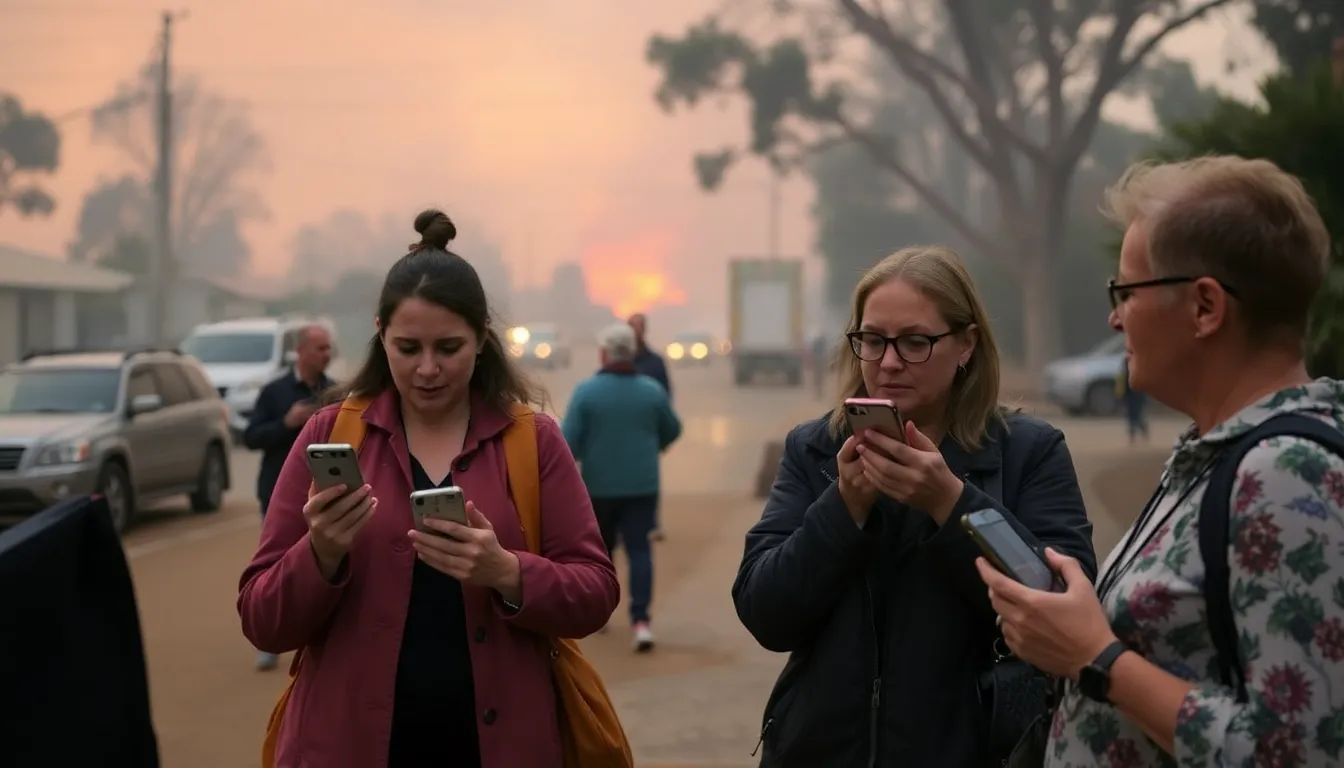
- Communities at risk: Rural and semi-urban residents in Victoria.
- Businesses affected: Tourism and agriculture industries facing declines.
- Emergency services: Strain on resources impacting response times.
- Policy changes: Potential reforms in land management and emergency response.
Conversely, there are opportunities for innovation in emergency response strategies and community resilience programs. The increased focus on hate speech legislation in New South Wales, as highlighted by Minns, may also foster a more inclusive dialogue about community safety and support in the wake of these crises. As communities band together in the face of adversity, there is potential for strengthened social ties and collaborative recovery efforts.
A: Residents should prioritize their safety by evacuating immediately if they are in a high-risk area. It’s crucial to stay informed through local news and emergency services. A: The new law aims to address hate speech by providing authorities with enhanced powers to investigate and act against hate speech incidents, especially those occurring in private settings. A: Yes, individuals found guilty of violating the hate speech laws may face fines or other legal consequences, depending on the severity of the offense. A: Current fire conditions in Victoria are severe, with high temperatures and dry winds contributing to the risk. Residents are urged to stay alert and follow safety guidelines. A: You can stay updated by following local news outlets, signing up for emergency alerts, and checking official government websites for real-time information.
Frequently Asked Questions about fires and hate speech laws
Outlook on fire management and hate speech enforcement in Australia
The recent developments in Victoria regarding fire management highlight the ongoing challenges faced by residents as natural disasters become increasingly severe. The late warnings issued to residents serve as a critical reminder of the need for improved communication and timely evacuation protocols. As Australia grapples with the realities of climate change, the focus must shift towards enhancing preparedness and response strategies to safeguard communities from future threats.
In parallel, the introduction of new powers in New South Wales to combat hate speech signifies a proactive approach to addressing social issues that have been exacerbated by divisive rhetoric. The effectiveness of these measures will depend on their implementation and the balance between free speech and community safety. Observing the outcomes of these initiatives will be crucial in shaping future policies across the nation.
- Improved communication strategies are essential for timely evacuation during natural disasters.
- Monitoring the effectiveness of new hate speech laws will provide insights into community safety and social cohesion.
- Investing in disaster preparedness and response infrastructure can mitigate the impacts of climate-related events.
- Engagement with local communities will be vital in fostering resilience against both natural and social challenges.
- Future policy developments should prioritize a balanced approach to freedom of expression and the protection of vulnerable populations.