


The order specifies penalties for individuals or organizations that express solidarity with the U.S. actions, which the government has labeled as acts of aggression. Critics argue that this measure stifles free speech and could lead to further repression of dissent within the country, similar to the situation outlined in Vance Justifies Capture as Bringing Maduro to Justice.
Officials from the Venezuelan government assert that the emergency order is necessary to protect national sovereignty and maintain public order in the face of external threats. However, the timing of the announcement raises questions about the government’s motives, particularly as the nation grapples with economic turmoil and social unrest.
International reactions have been swift, with several countries and human rights organizations condemning the order. They warn that such legislation could exacerbate existing tensions and hinder efforts for dialogue and resolution in the region.
Understanding the background of Venezuela’s political climate
Venezuela has been embroiled in a complex political crisis for over a decade, characterized by deep economic turmoil, social unrest, and a struggle for power between the government and opposition forces. The roots of this crisis can be traced back to the presidency of Hugo Chávez, who, from 1999 until his death in 2013, implemented a series of socialist policies that aimed to redistribute wealth and reduce poverty. While these measures initially garnered popular support, they also led to significant economic mismanagement and dependency on oil revenues.
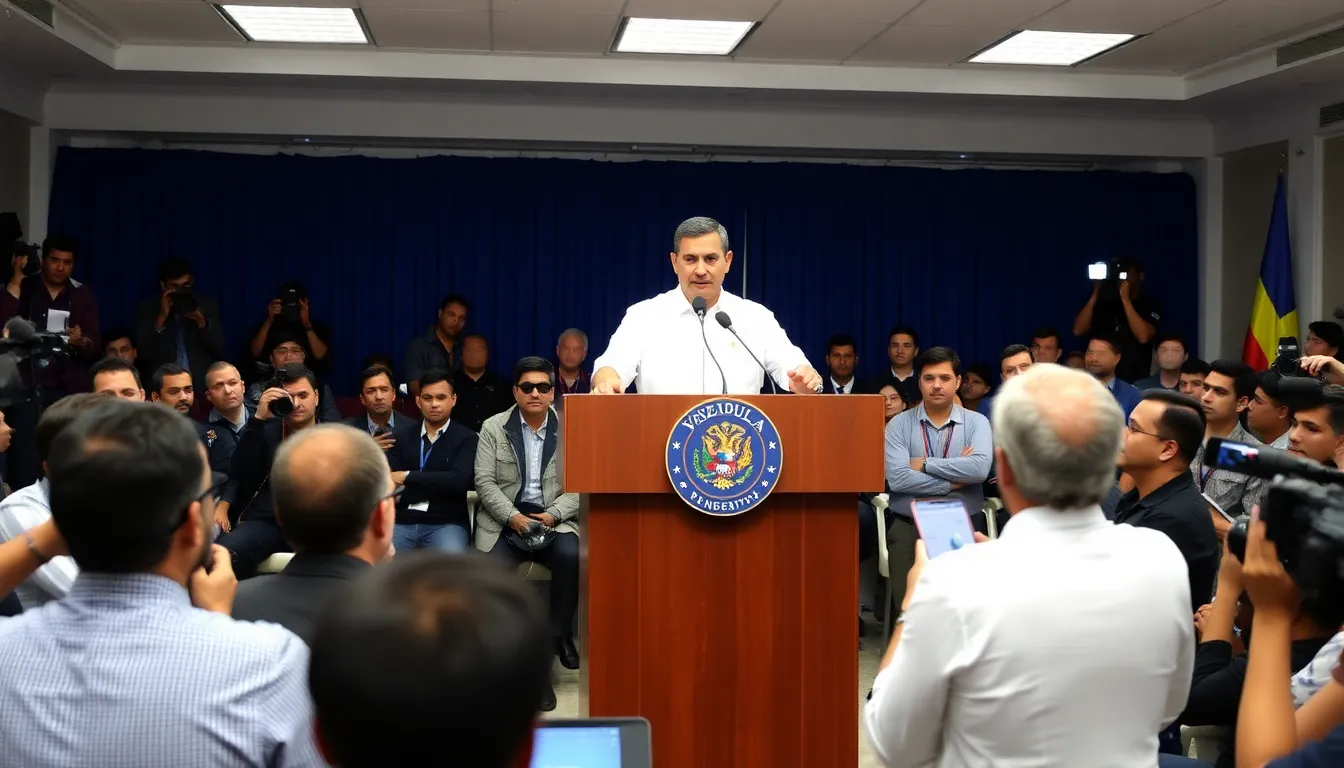
Following Chávez’s death, Nicolás Maduro assumed the presidency amid growing economic challenges, including plummeting oil prices and hyperinflation. The government’s failure to address these issues has resulted in widespread shortages of basic goods, a collapsing healthcare system, and mass emigration of Venezuelans seeking better opportunities abroad. As the situation deteriorated, the opposition gained momentum, culminating in a failed attempt to oust Maduro in 2019, which was supported by the United States and several other countries.
Criminalization of Dissent
In response to increasing opposition and external pressures, the Maduro government has intensified its crackdown on dissent. The recent emergency order that criminalizes support for U.S. interventions is part of a broader strategy to consolidate power and demonize opposition figures. By framing dissent as treasonous and equating it with foreign aggression, the government seeks to justify its authoritarian measures and rally nationalistic sentiments among its supporters, much like the reactions seen in the U.S. regarding immigration policies.
The international community remains divided on the issue, with some countries supporting Maduro’s government while others back the opposition. This geopolitical tug-of-war further complicates the situation, as external influences continue to shape Venezuela’s political landscape. The emergency order reflects the heightened tensions and the lengths to which the Maduro regime is willing to go to maintain control amid mounting challenges.
Key stakeholders and issues surrounding the emergency order
The recent emergency order issued by the Venezuelan government has significant implications for various stakeholders involved in the ongoing geopolitical tensions. The primary actors include the Venezuelan government, the United States, opposition groups within Venezuela, and international human rights organizations. Each of these entities has distinct interests that influence their responses to the order.
The Venezuelan government, led by President Nicolás Maduro, aims to consolidate power and suppress dissent in the face of international criticism and economic sanctions. By criminalizing support for the U.S. attack, the government seeks to frame its narrative as a defense of national sovereignty, thereby rallying domestic support and delegitimizing opposition voices. This tactic could serve to strengthen the government’s grip on power amidst ongoing economic turmoil and social unrest.
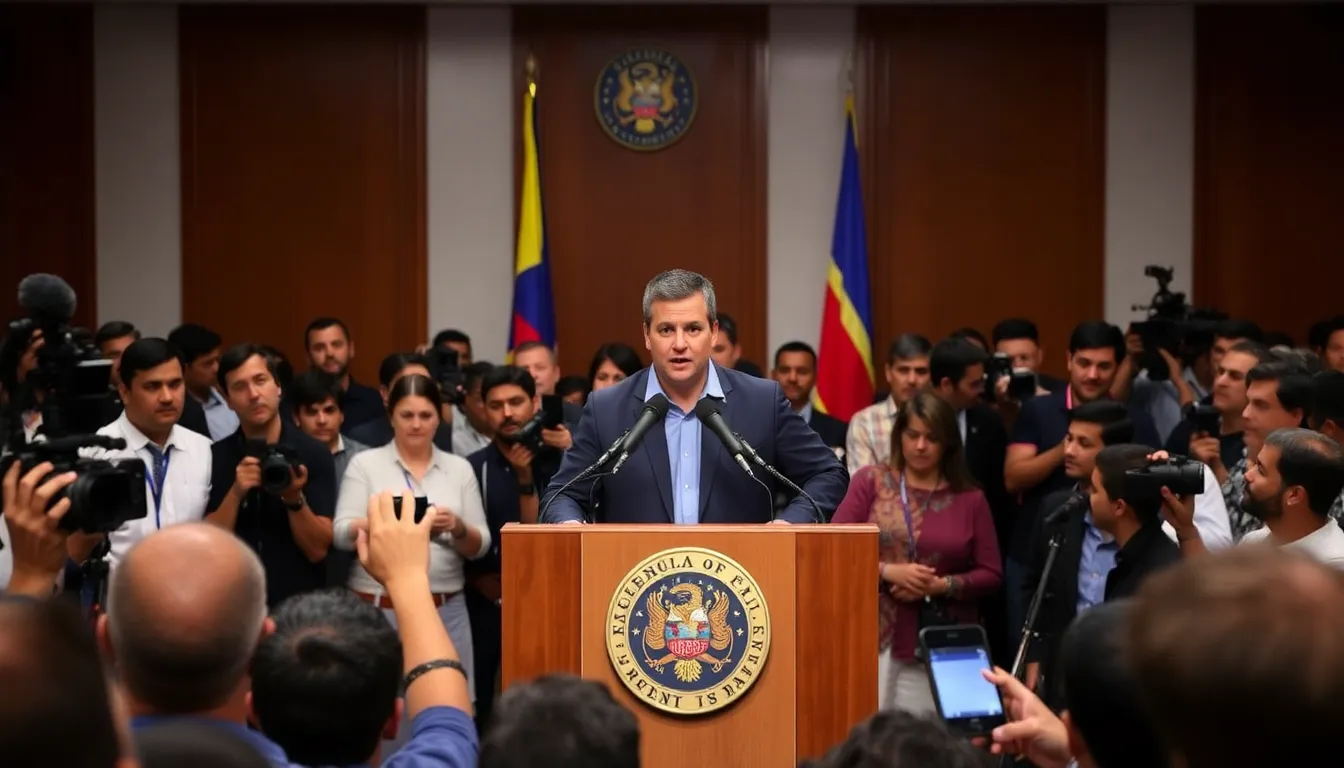
On the other hand, the United States has a vested interest in promoting democratic reforms and human rights in Venezuela. The U.S. government views the emergency order as an infringement on free speech and political expression, which could lead to increased diplomatic tensions. Additionally, U.S. support for opposition groups may intensify in response to the Venezuelan government’s crackdown, creating a cycle of conflict that complicates any potential resolution.
- Opposition groups: These actors are likely to face increased repression, making it challenging for them to organize and mobilize against the government.
- International human rights organizations: These organizations may amplify their advocacy efforts, highlighting the implications of the emergency order on civil liberties.
- Regional governments: Neighboring countries may have to navigate their diplomatic relations with Venezuela, balancing their own interests against the humanitarian implications of the order.
Key legal issues arise from the emergency order, particularly concerning international law and human rights treaties to which Venezuela is a signatory. The criminalization of political support raises questions about the legality of such measures under both domestic and international law, adding to the complexities discussed in the warning surrounding economic policies.
Potential impacts on citizens and international relations
The recent emergency order from the Venezuelan government criminalizing support for the U.S. attack has far-reaching implications for various groups within the country. Citizens who express dissenting opinions or offer assistance to international entities may face legal repercussions, leading to a chilling effect on free speech and civic engagement. This could disproportionately affect activists, journalists, and human rights organizations who may already be operating under precarious conditions.
Industries that rely on international trade and foreign investment, particularly oil and agriculture, may also feel the pinch. The government’s crackdown on perceived support for the U.S. could deter foreign partners, leading to decreased investment and a potential decline in exports. In the short term, businesses may experience disruptions as they navigate the new legal landscape, causing uncertainty in operational stability.
In the mid-term, the impact on daily life could manifest through increased surveillance and repression, as the government seeks to stifle any opposition. Citizens might face restrictions on their movements and communications, further isolating Venezuela from the global community. Essential services could be affected as resources are redirected to maintain internal control rather than addressing economic needs.
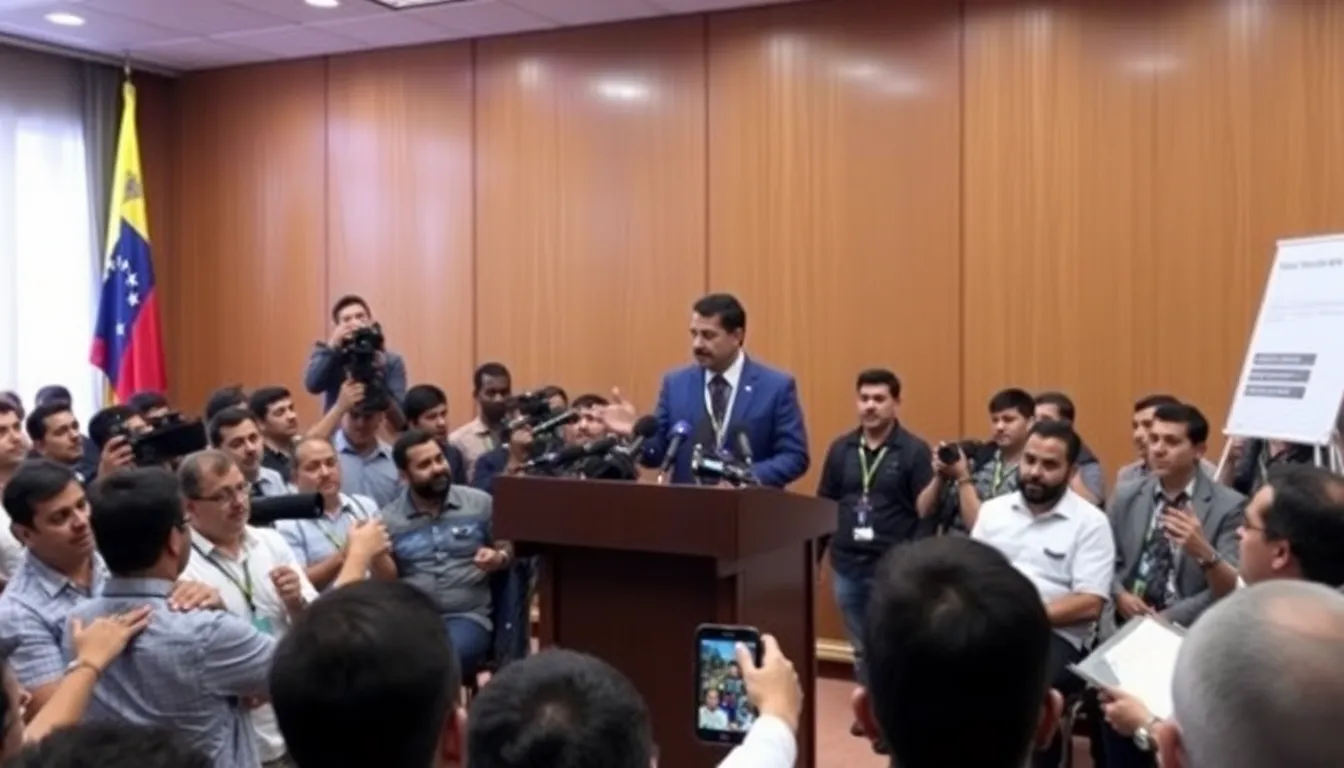
- Increased repression: Heightened surveillance and legal penalties for dissent.
- Economic downturn: Reduced foreign investment and trade opportunities.
- Social unrest: Potential for protests and civil disobedience as citizens react to new restrictions.
However, there are potential opportunities for solidarity movements and grassroots organizations to emerge, as citizens rally against the government’s actions. The international community may also respond with support for human rights initiatives, leading to increased awareness and advocacy for Venezuelan citizens. Additionally, some local businesses may pivot to adapt to the new realities, finding ways to operate within the constraints while fostering resilience among the population.
A: The emergency order criminalizes any form of support for U.S. actions against Venezuela, potentially leading to legal repercussions for individuals and organizations. A: The order raises serious concerns about freedom of expression, as it may deter individuals from voicing their opinions or supporting U.S. policies due to fear of prosecution. A: This order could strain Venezuela’s relations with other countries, particularly those aligned with U.S. interests, and may lead to increased isolation. A: Key stakeholders include the Venezuelan government, opposition groups, human rights organizations, and international diplomatic entities. A: The international community has expressed concern over the implications of the order, urging Venezuela to respect human rights and freedom of speech.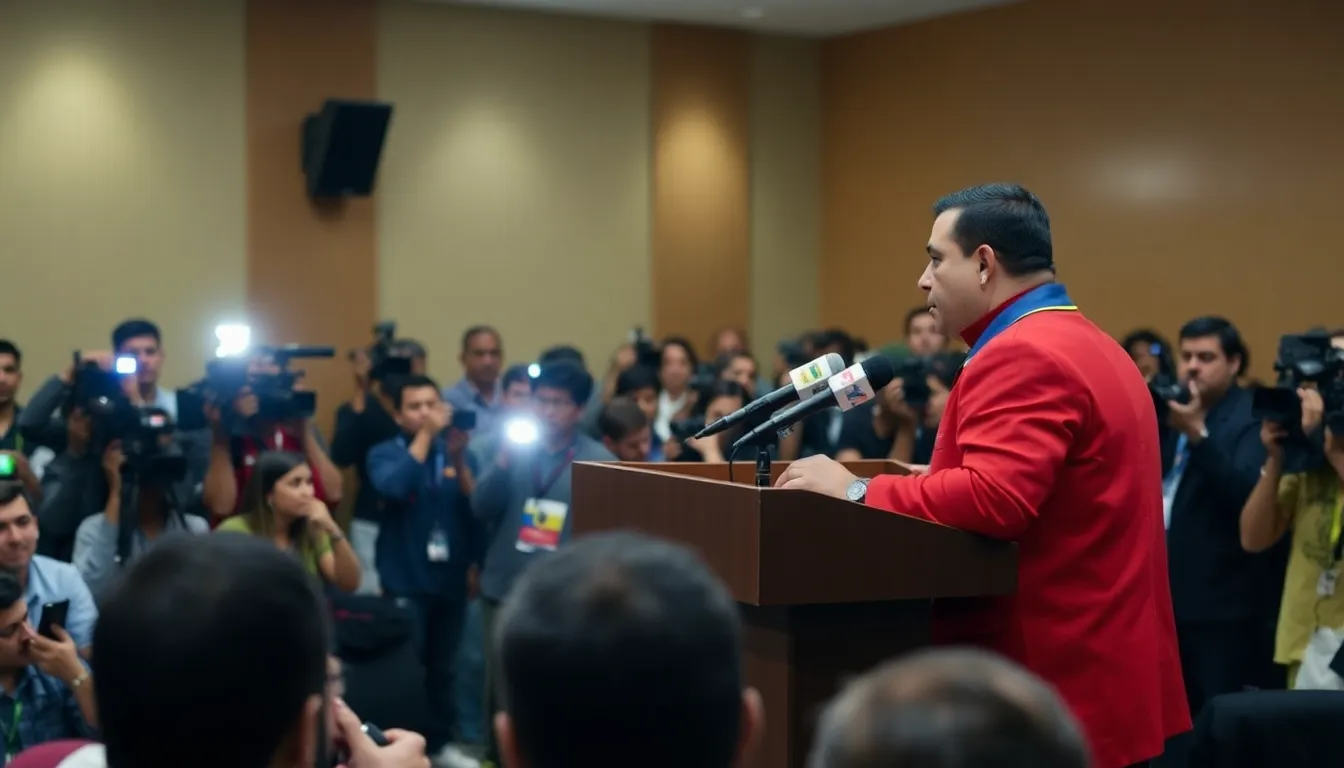
Frequently asked questions about the emergency order
Looking ahead: implications of the emergency order
The Venezuelan government’s emergency order, which criminalizes support for perceived U.S. aggression, marks a significant shift in the political landscape. This move could lead to heightened tensions both domestically and internationally, as dissent and opposition to the government may be stifled under the threat of legal repercussions. The implications of this order extend beyond immediate political ramifications, potentially affecting Venezuela’s relations with foreign nations and its standing in global forums.
As the situation unfolds, observers should be attentive to how this order influences public sentiment, international diplomatic efforts, and the broader geopolitical dynamics in Latin America. The government’s approach may provoke reactions from various sectors, including human rights organizations and foreign governments, which could further complicate Venezuela’s already strained international relations.
- Monitor the response from opposition groups within Venezuela and their ability to mobilize against the government’s crackdown.
- Watch for potential sanctions or diplomatic actions from the U.S. and its allies in response to the emergency order.
- Consider the implications for foreign investment and economic stability in Venezuela as the government tightens its grip on dissent.
- Observe how neighboring countries react, particularly those with their own political challenges, as they may be influenced by Venezuela’s actions.
- Stay informed about the potential for increased civil unrest as citizens navigate the implications of the new legal framework.