


According to industry reports, BYD sold over 640,000 electric vehicles in the first six months of 2023, while Tesla reported approximately 440,000 units sold during the same period. This achievement underscores BYD’s strategic expansion into both domestic and international markets, including significant investments in production and technology. The company’s diverse product lineup, which includes electric buses and trucks, has also contributed to its rapid growth. For more insights into the impact of emerging technologies, check out this article on the potential economic impact of AI slop in 2026.
This development matters not only for the companies involved but also for the broader EV market and environmental efforts globally. As governments push for greener transportation solutions, BYD’s ascendance signals a shift in competitive dynamics, with more players entering the market. The increased competition could lead to lower prices and accelerated innovation, benefiting consumers and promoting the adoption of electric vehicles. Notably, this trend reflects the automotive industry’s evolving landscape.
Furthermore, BYD’s rise highlights China’s growing influence in the global EV sector, as the country continues to lead in manufacturing and technology advancements. The implications of this shift extend beyond sales figures, as it reflects changing consumer preferences and the urgent need for sustainable transportation solutions in the face of climate change. To understand the wider impact of government policies, it is important to explore how support for domestic manufacturers enhances their growth.
The evolution of the electric vehicle industry in China
The electric vehicle (EV) industry in China has undergone a remarkable transformation over the past two decades. Initially, the country faced significant challenges in establishing a robust EV market, primarily due to a lack of infrastructure, limited consumer awareness, and high production costs. However, with the government’s strong push towards sustainable energy and reducing air pollution, China has emerged as a global leader in EV manufacturing and sales.
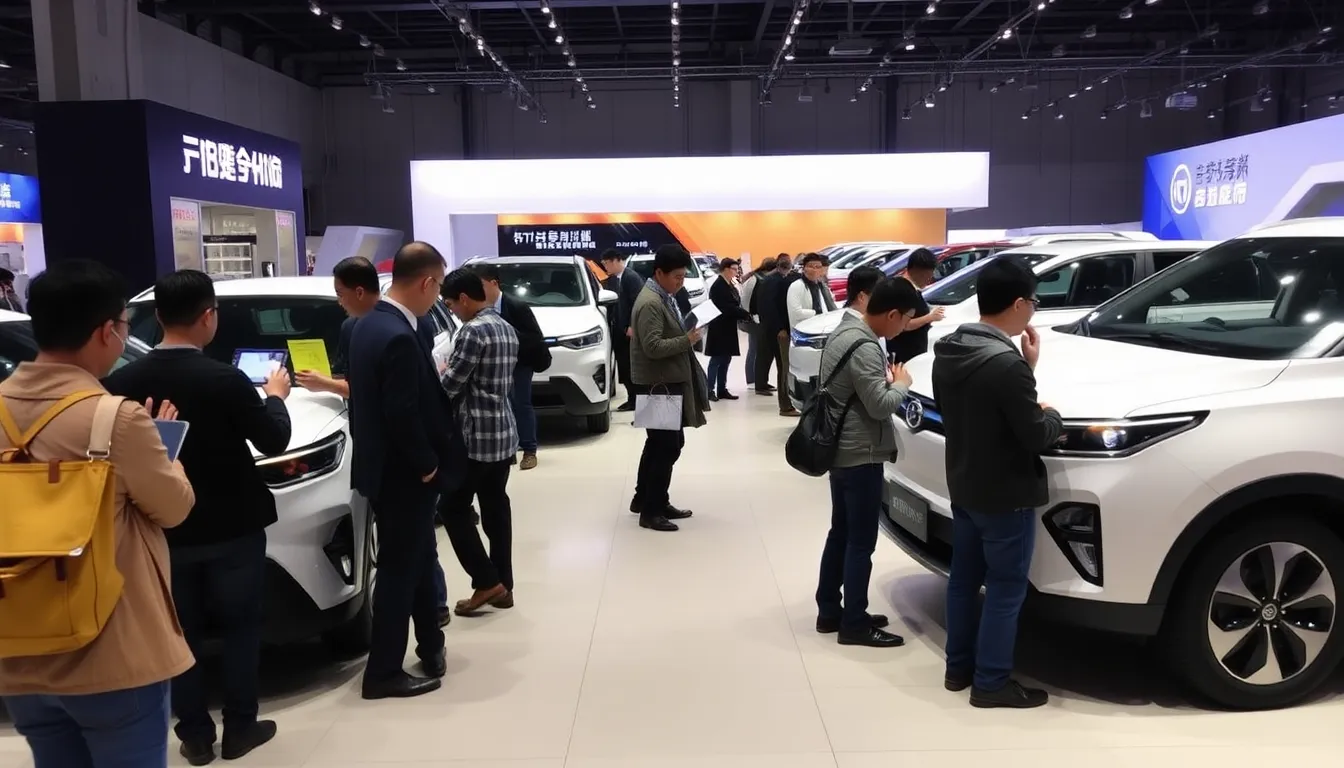
In 2009, China introduced its first comprehensive policy to promote electric vehicles, which included subsidies for manufacturers and consumers alike. This initiative aimed to reduce reliance on fossil fuels and address the growing environmental concerns in urban areas. By 2015, the Chinese government had invested heavily in EV infrastructure, including charging stations, which laid the groundwork for mass adoption of electric vehicles.
Key milestones in BYD’s rise
BYD, or Build Your Dreams, was founded in 1995 and initially focused on battery manufacturing. The company quickly recognized the potential of electric vehicles and began producing its first electric car in 2008. Significant milestones in BYD’s journey include the launch of the BYD e6, which became popular among taxi services in major cities, and the introduction of the BYD Tang, a plug-in hybrid SUV that gained traction in both domestic and international markets.
As competition intensified, BYD’s commitment to innovation and investment in research and development allowed it to expand its product lineup significantly. In recent years, the company has introduced several models that cater to various market segments, including affordable compact cars and luxury SUVs. This diversification has enabled BYD to capture a broader audience, ultimately leading to its recent achievement of surpassing Tesla in global EV sales.
The combination of supportive government policies, a growing consumer base, and BYD’s strategic initiatives has positioned the company as a formidable player in the global electric vehicle market. As the demand for sustainable transportation continues to rise, BYD’s success story serves as a testament to the rapid evolution of the electric vehicle industry in China and its potential to shape the future of mobility worldwide.
Key factors contributing to BYD’s success over Tesla
In the rapidly evolving electric vehicle (EV) market, BYD’s rise to prominence as the world’s top seller of EVs has drawn considerable attention. This shift has highlighted several key stakeholders, including automotive manufacturers, consumers, and governments, each with their unique interests and concerns.
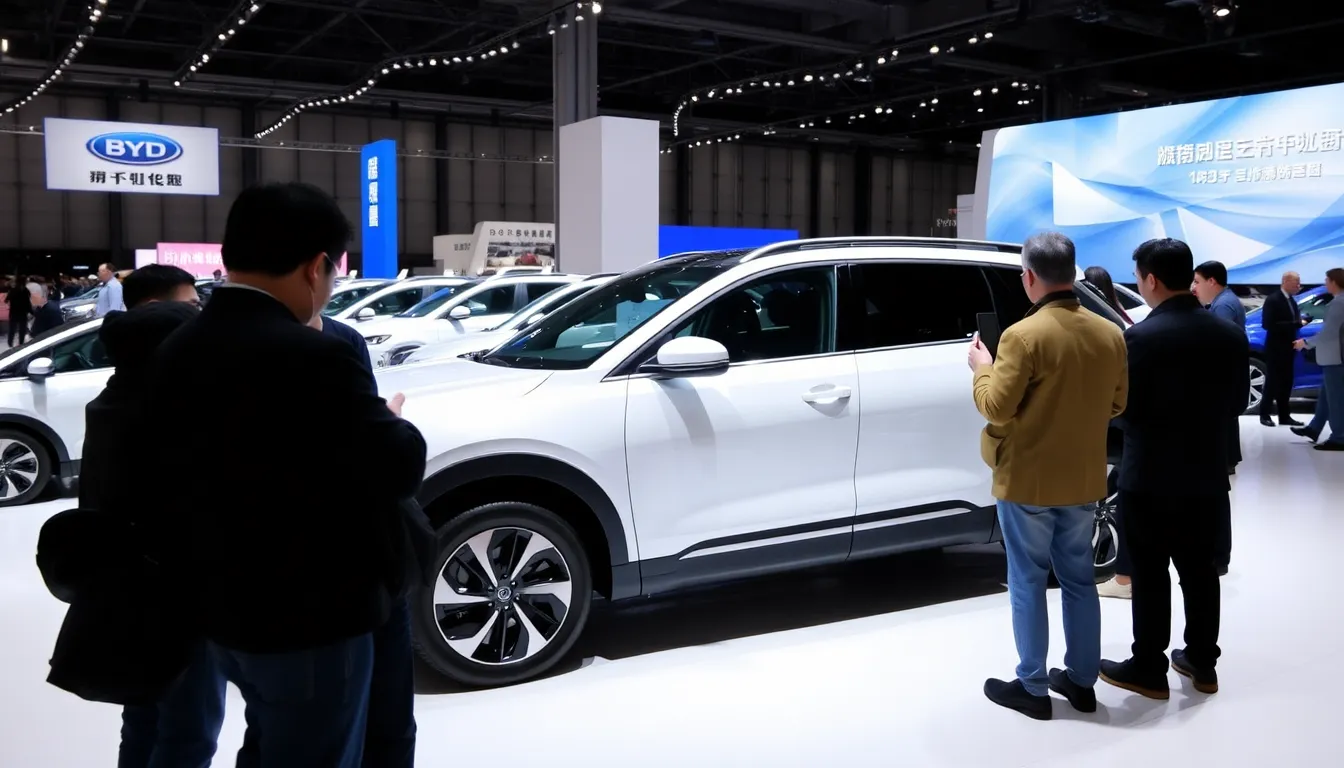
One of the primary actors in this scenario is BYD, a Chinese manufacturer that has strategically positioned itself in the EV market by offering a diverse range of affordable electric vehicles. Their focus on local production and supply chain efficiency has allowed them to respond quickly to market demands. In contrast, Tesla, while still a dominant player, has faced challenges related to production delays and pricing strategies that may not align with emerging consumer preferences in various regions.
Governments play a critical role in shaping the EV landscape through policies and incentives aimed at promoting electric mobility. In China, government support for domestic manufacturers like BYD has created a favorable environment for growth. This has led to a competitive advantage over foreign companies, including Tesla, which may not benefit from the same level of state backing. Additionally, trade policies and tariffs can influence market dynamics, impacting the pricing and availability of EVs in different regions.
- Market Competition: The competition between BYD and Tesla is intensifying, with both companies vying for market share in various regions.
- Consumer Preferences: Shifts in consumer preferences towards more affordable EV options have favored BYD’s product offerings.
- Regulatory Environment: Government policies in China that support local manufacturers create a challenging landscape for foreign competitors.
- Supply Chain Dynamics: BYD’s control over its supply chain has enabled it to mitigate issues related to component shortages more effectively than Tesla.
- Global Expansion: Both companies are exploring international markets, leading to potential conflicts over market entry and brand positioning.
As the EV market continues to grow, the interplay between these stakeholders will shape the future landscape of electric mobility. The competition between BYD and Tesla serves as a microcosm of broader trends in the automotive industry, reflecting shifts in consumer behavior, regulatory frameworks, and technological advancements.
Implications for the global automotive market and consumers
The rise of BYD as the world’s top electric vehicle (EV) seller has significant implications for various stakeholders in the automotive industry. Traditional automakers, particularly those heavily invested in internal combustion engines, may find themselves under increased pressure to accelerate their transition to electric vehicles. This shift could lead to a reevaluation of production strategies and supply chains as companies race to catch up with BYD’s rapid growth.
Consumers in regions where BYD has a strong presence, such as China and parts of Europe, may experience a greater variety of affordable EV options. This increased competition could lead to lower prices and improved features in electric vehicles, enhancing consumer choice. However, consumers in markets dominated by Tesla may face challenges as the brand adjusts to its new position and the competitive landscape evolves.
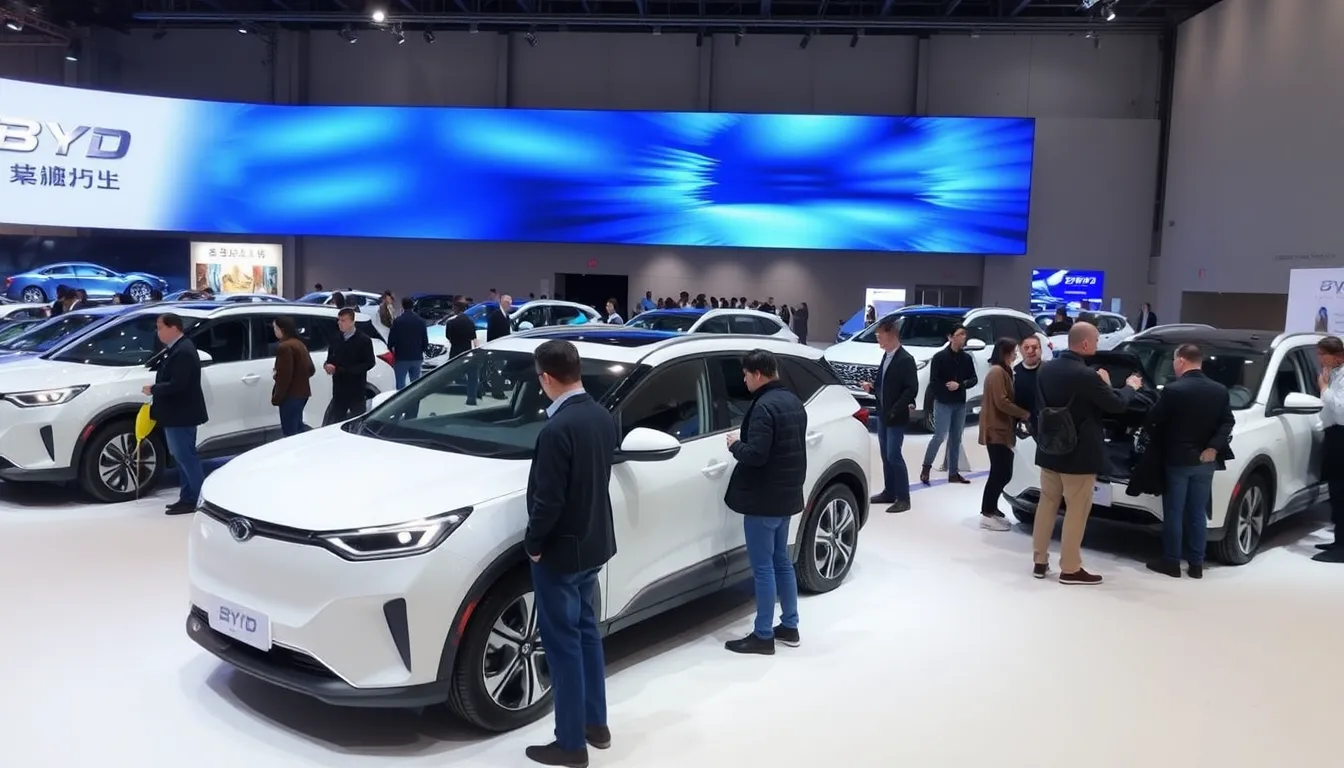
In the short term, BYD’s ascendance may disrupt existing market dynamics, leading to potential job losses in companies that fail to adapt quickly. Conversely, it may also create opportunities for new jobs in EV manufacturing and related sectors. The automotive supply chain could see a shift, with increased demand for batteries and other components, benefiting suppliers who align with BYD’s growth.
- Short-term impacts: Increased competition may lead to price wars, benefiting consumers but straining manufacturers.
- Mid-term impacts: Potential job creation in EV sectors, while traditional automotive jobs may decline.
- Policy shifts: Governments may need to adjust regulations to support the growing EV market and infrastructure.
- Risks: Supply chain vulnerabilities could arise as demand for critical components increases.
- Opportunities: New partnerships and innovations in EV technology may emerge as companies respond to market changes.
As BYD continues to expand its global footprint, policymakers will need to consider how to foster a competitive environment that encourages innovation while ensuring that existing industries can transition smoothly. The evolution of the automotive market will not only shape consumer choices but also influence environmental policies aimed at reducing carbon footprints.
A: BYD’s diverse product range, aggressive pricing, and strong domestic market presence contributed significantly to its sales growth, allowing it to surpass Tesla. A: Tesla may need to reevaluate its strategies in pricing and product offerings to maintain its competitive edge in the rapidly evolving EV market. A: BYD focuses on affordability and a wider range of models, while Tesla emphasizes high performance and advanced technology features. A: Yes, BYD has announced plans to increase its presence in international markets, targeting Europe and North America. A: Increased competition in the EV market can lead to better choices and lower prices for consumers as companies strive to attract buyers.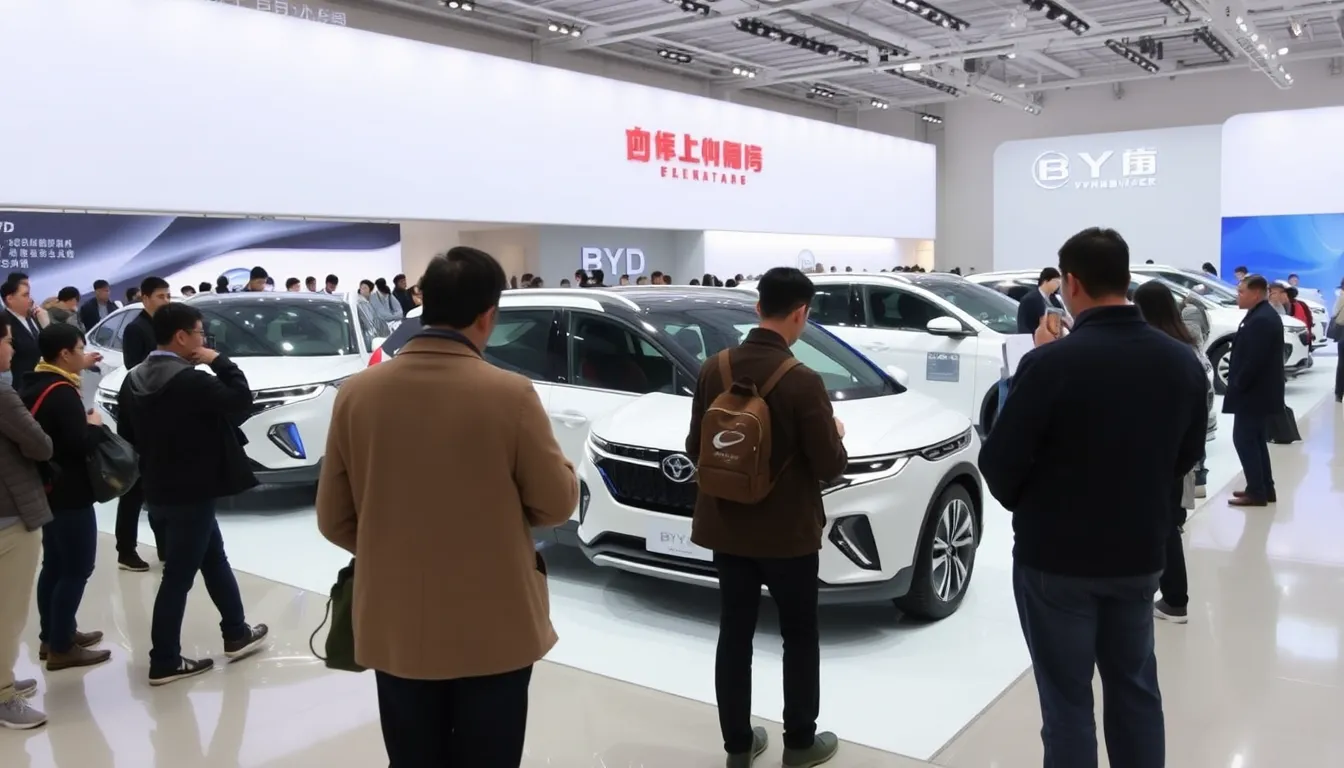
Frequently asked questions about BYD and Tesla
Future outlook for BYD and the electric vehicle market
BYD’s ascension as the world’s leading electric vehicle seller marks a significant shift in the global automotive landscape. This transition not only highlights the growing competitiveness of Chinese manufacturers but also signals a potential reshaping of market dynamics as consumer preferences evolve. As the demand for electric vehicles continues to surge, BYD’s innovative strategies and extensive product lineup may set new benchmarks for the industry.
Looking ahead, the rivalry between BYD and Tesla will likely intensify, prompting both companies to innovate further while expanding their global footprints. Investors and consumers alike should remain vigilant, as this competitive landscape could lead to accelerated advancements in technology, pricing strategies, and sustainability efforts across the sector.
- Increased competition: Expect intensified rivalry between BYD and Tesla, pushing both to enhance their offerings.
- Market expansion: Watch for BYD’s potential growth in international markets, particularly in Europe and North America.
- Technological advancements: Anticipate rapid innovations in battery technology and autonomous driving features as both companies strive for leadership.
- Consumer preferences: Monitor shifts in consumer preferences towards more affordable and diverse EV options, which BYD is well-positioned to address.
- Sustainability focus: Keep an eye on the industry’s increasing emphasis on sustainable practices, as both companies commit to greener production methods.