


The increase in phone usage is attributed to several factors, including the rise of social media platforms and the integration of technology into educational curricula. Many students report using their devices for both academic purposes, such as research and communication with peers, as well as for leisure activities like gaming and social networking. For a closer look at how technology influences learning, check out our article on Exploring the Latest Trends in Technology.
Educators and parents are expressing concerns about the impact of this behavior on students’ focus and learning outcomes. Some schools have implemented stricter policies regarding phone use in classrooms, while others are exploring ways to incorporate technology positively into the learning environment. This balance is crucial, especially when considering how advancements in technology might shape educational practices.
This growing reliance on mobile devices raises important questions about digital literacy and the ability of students to manage distractions. As schools continue to adapt to these changes, understanding the implications of phone usage on education will be crucial for fostering a productive learning atmosphere.
Understanding the background of phone usage among teens
The rise of smartphone usage among teenagers has transformed the landscape of communication, education, and social interaction. Historically, the introduction of mobile phones in the late 1990s marked a significant shift in how young people connected with each other. Initially, these devices were seen as luxury items, but as technology advanced and prices dropped, mobile phones became ubiquitous among teens. By the early 2000s, the advent of text messaging and later, smartphones with internet capabilities, further entrenched their presence in daily life.
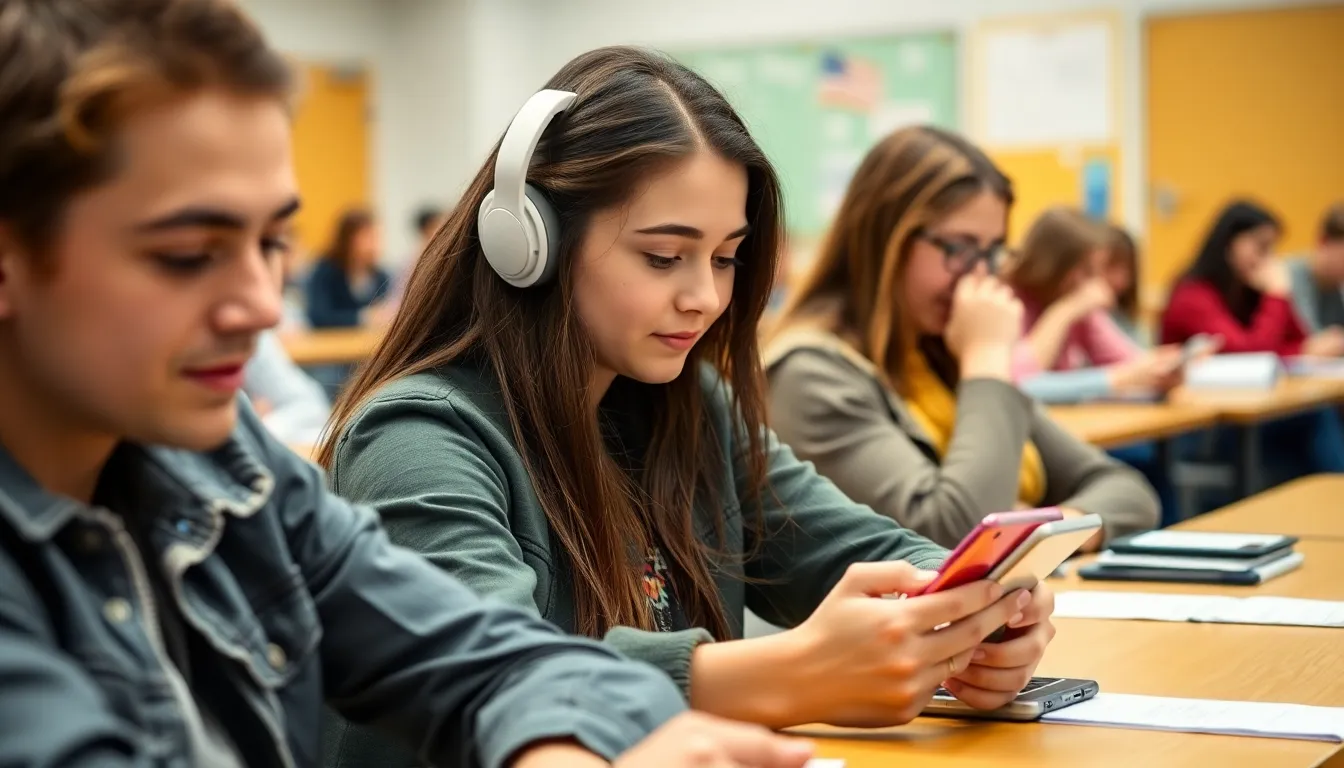
Socially, the integration of smartphones into the lives of teenagers has been influenced by the need for constant connectivity. As peer interactions increasingly shifted online, the pressure to remain accessible and engaged has grown. This shift was compounded by the rise of social media platforms, which have become central to teenage identity and social dynamics. For more insights on how society changes alongside technology, read our article on Record year for wind and solar electricity in Great Britain in 2025.
Economically, the smartphone industry has thrived, with major tech companies investing heavily in marketing and developing features tailored for younger audiences. This economic incentive has led to an environment where phone usage is normalized and even encouraged in various settings, including schools. Educational institutions have had to grapple with this reality, often struggling to balance the benefits of technology in learning with the distractions posed by social media and gaming.
Milestones in Teen Phone Usage
Several key milestones have marked the evolution of teen phone usage. The launch of the iPhone in 2007 revolutionized mobile technology, making powerful computing capabilities accessible in the palm of a hand. Subsequent advancements in app development and internet accessibility have only accelerated usage rates. Moreover, studies over the past decade have consistently shown a correlation between increased screen time and academic performance, prompting debates among educators and policymakers about the role of phones in the classroom.
Key stakeholders and issues surrounding teen phone use
The increasing use of smartphones by teenagers during school hours has raised concerns among various stakeholders, including parents, educators, school administrators, and policymakers. Each group has distinct interests that shape their perspectives on this issue.
Parents often worry about the impact of excessive phone use on their children’s academic performance and social interactions. They may advocate for stricter regulations on phone usage in schools to ensure that their children remain focused on their studies. Conversely, some parents may support the integration of technology in education, viewing smartphones as valuable learning tools that can enhance classroom engagement.
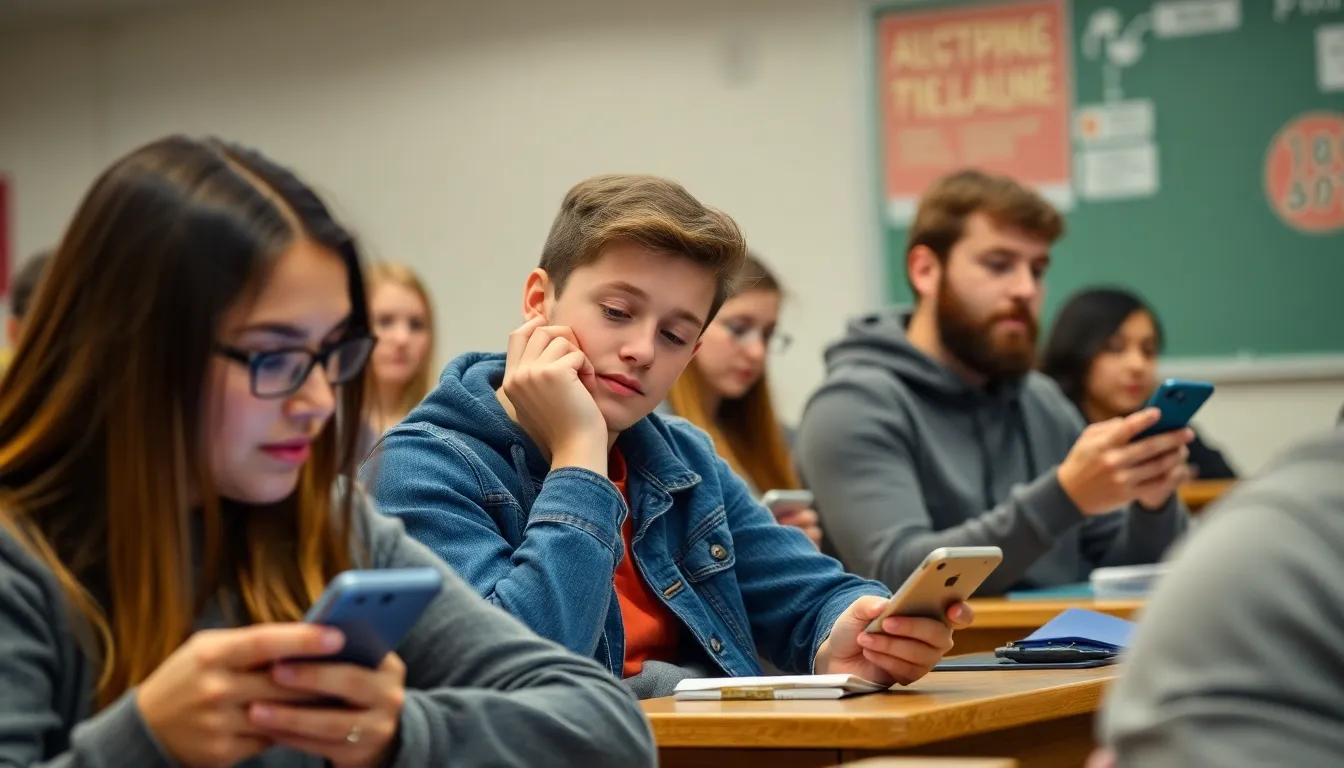
Educators and school administrators are caught in a complex situation. They recognize the potential benefits of smartphones for educational purposes, such as access to information and learning apps. However, they also face challenges related to classroom management and student distraction. The need to balance these competing interests often leads to differing policies across schools and districts.
Policymakers are tasked with addressing the legal and economic implications of teen phone use in schools. Key issues include:
- Digital equity: Ensuring that all students have equal access to technology and the internet.
- Privacy concerns: Protecting student data and privacy in an increasingly digital learning environment.
- Regulatory frameworks: Developing guidelines for appropriate phone use that consider both educational benefits and potential distractions.
As these stakeholders navigate their interests, conflicts and trade-offs will continue to emerge, making it essential for ongoing dialogue and collaboration to address the complexities surrounding teen phone use in schools.
The impact of phone usage on students and education
The increasing reliance on smartphones among teenagers during school hours has significant implications for various stakeholders, including students, educators, parents, and policymakers. As more students report using their phones for over an hour a day at school, the educational environment is being reshaped, prompting a reevaluation of existing policies and practices.
In the short term, the immediate impact is evident in classroom dynamics. Teachers may face challenges in maintaining student attention, as phones can serve as distractions. This shift could lead to a decline in academic performance and engagement. Furthermore, parents are likely to express concerns about their children’s focus and the potential for decreased learning outcomes, leading to increased pressure on schools to address these issues.
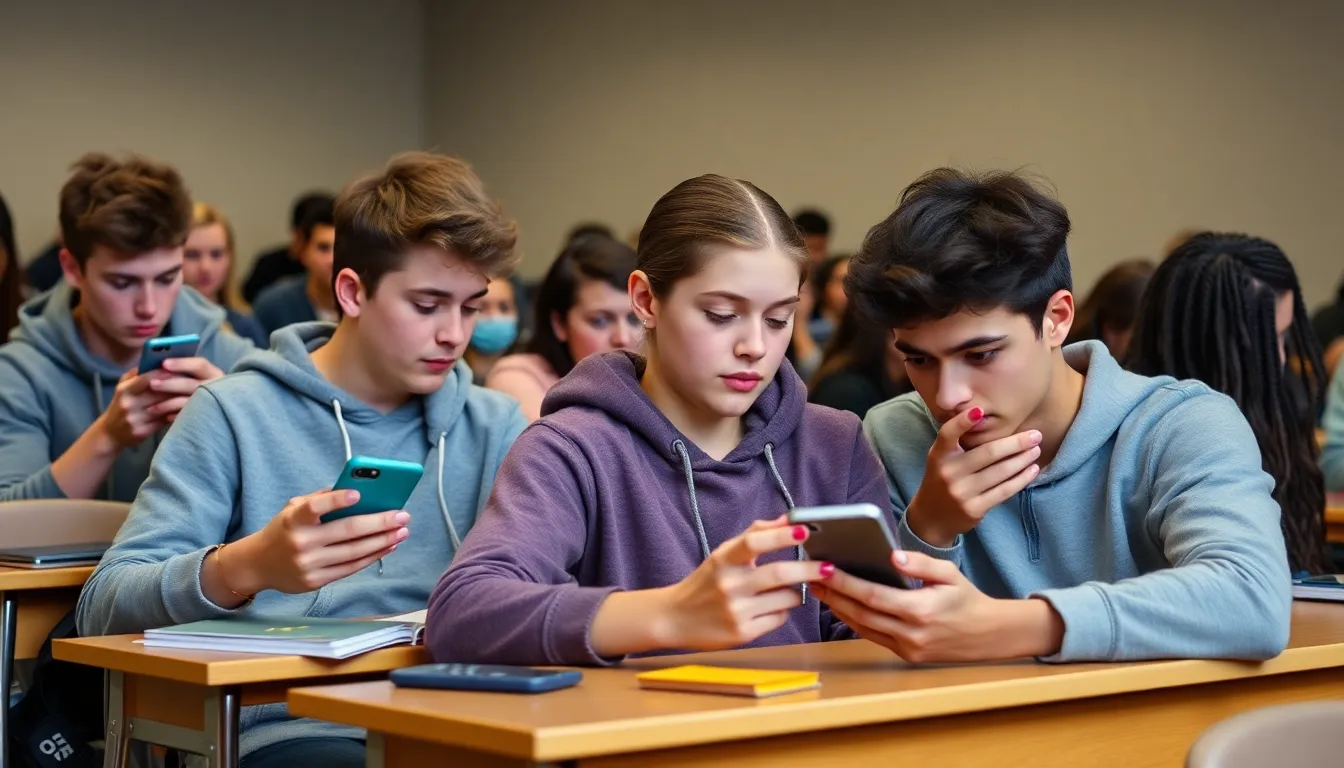
In the mid-term, the rise in smartphone usage could influence educational technology markets. Companies specializing in educational apps may see growth opportunities, as they can develop tools aimed at integrating phone use into learning rather than viewing it solely as a distraction. Schools might also explore policies that allow structured phone use, creating a more balanced approach to technology in education.
- Risks: Decreased student engagement, potential decline in academic performance, and increased distractions in the classroom.
- Opportunities: Growth in educational technology, development of policies for structured phone use, and enhanced communication between parents and schools.
Regions with higher smartphone penetration among youth may experience these effects more acutely, prompting local governments and educational institutions to adapt their strategies. As the dialogue around phone usage evolves, it will be crucial for all stakeholders to find a balance that maximizes benefits while minimizing risks.
A: According to the study, teens spend more than an hour a day on their phones while at school, which can affect their concentration and academic performance. A: Teens often use their phones for social media, texting, and accessing information, which can be both a distraction and a resource for learning. A: Many schools have implemented policies to restrict phone use during class, but enforcement and effectiveness vary widely. A: Parents can set clear expectations about phone use during school hours and encourage their teens to focus on their studies. A: Excessive phone use can lead to decreased face-to-face interactions among students, impacting their social skills and relationships.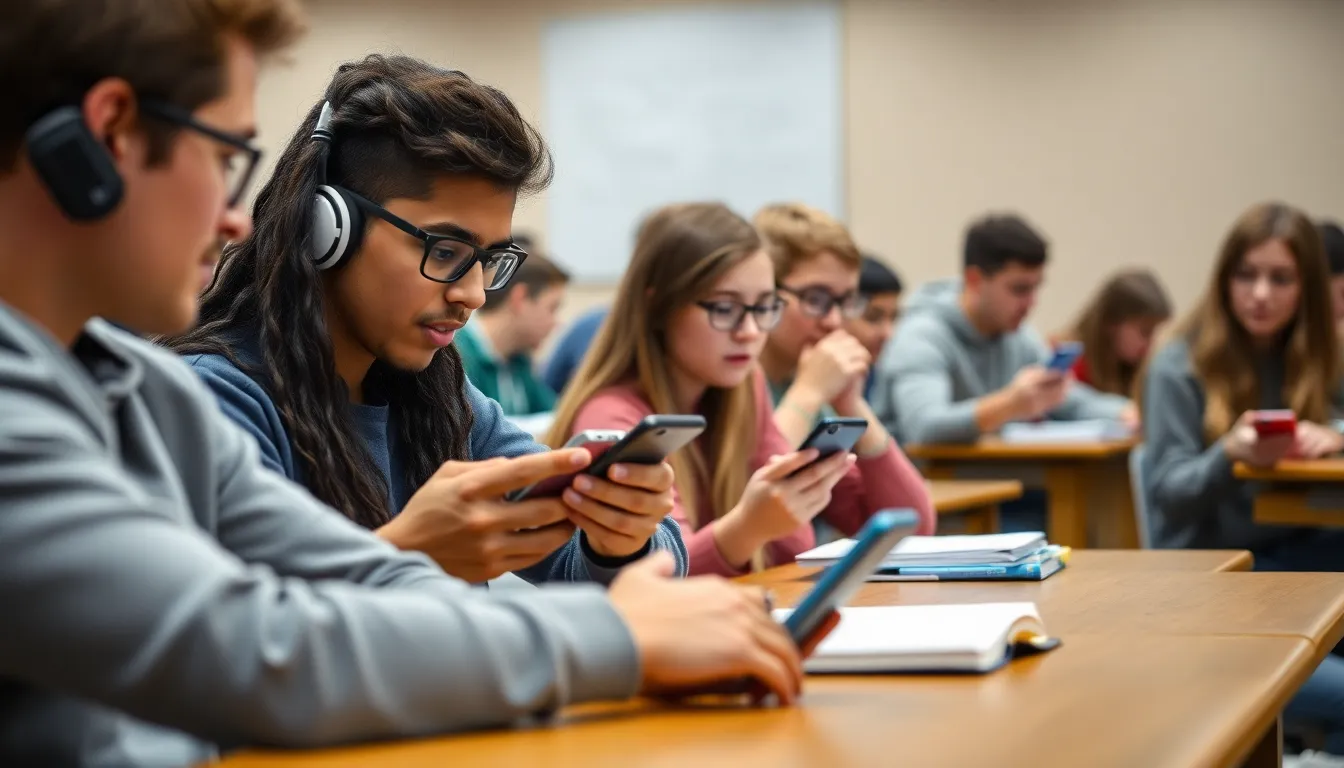
Frequently asked questions about teen phone usage
Key insights and future outlook on teen phone usage in schools
The increasing reliance of teenagers on smartphones during school hours raises important questions about attention, learning, and social interaction. As students reportedly use their devices for more than an hour each day in educational settings, it is essential to consider both the potential benefits and drawbacks of this trend. Schools must navigate the balance between integrating technology into learning and ensuring that it does not detract from the educational experience.
Looking ahead, educators and policymakers will need to develop strategies that harness the positive aspects of smartphone use while mitigating potential distractions. This dual approach could involve fostering digital literacy, promoting responsible usage, and creating environments where technology enhances rather than hinders learning.
- Monitor smartphone usage patterns to identify peak times and potential distractions in the classroom.
- Implement educational programs that teach students about responsible digital citizenship and the impact of excessive phone use.
- Encourage the integration of educational apps and tools that can enhance learning experiences while using smartphones.
- Foster an open dialogue among students, teachers, and parents about the role of technology in education.
- Consider establishing guidelines or policies that promote balanced phone usage during school hours.