


The announcement was made on October 15, 2023, during a press conference in which Djokovic expressed his concerns about the current direction of the union. He cited a lack of cohesion among players and differing priorities as key factors influencing his decision to step away. This decision comes at a time when the player union’s stability is under scrutiny.
Djokovic’s departure is seen as a pivotal moment for the PTPA, which aimed to provide a unified voice for players outside the traditional ATP framework. His exit raises questions about the future of the organization and its ability to advocate effectively for player interests without one of its most prominent figures.
This development also highlights the ongoing tensions within the tennis community regarding governance and player rights. As the sport continues to evolve, the implications of Djokovic’s decision may resonate beyond the immediate context, potentially impacting negotiations around player compensation and representation in the coming years.
Understanding the formation and purpose of the player union
The player union, formally known as the Professional Tennis Players Association (PTPA), was co-founded by Novak Djokovic in 2020 amid growing concerns about the economic disparities within the sport. The union aimed to provide a collective voice for players, particularly those outside the top rankings. The establishment of the PTPA represented a significant shift in the landscape of professional tennis, emphasizing the need for better representation and support for all players.
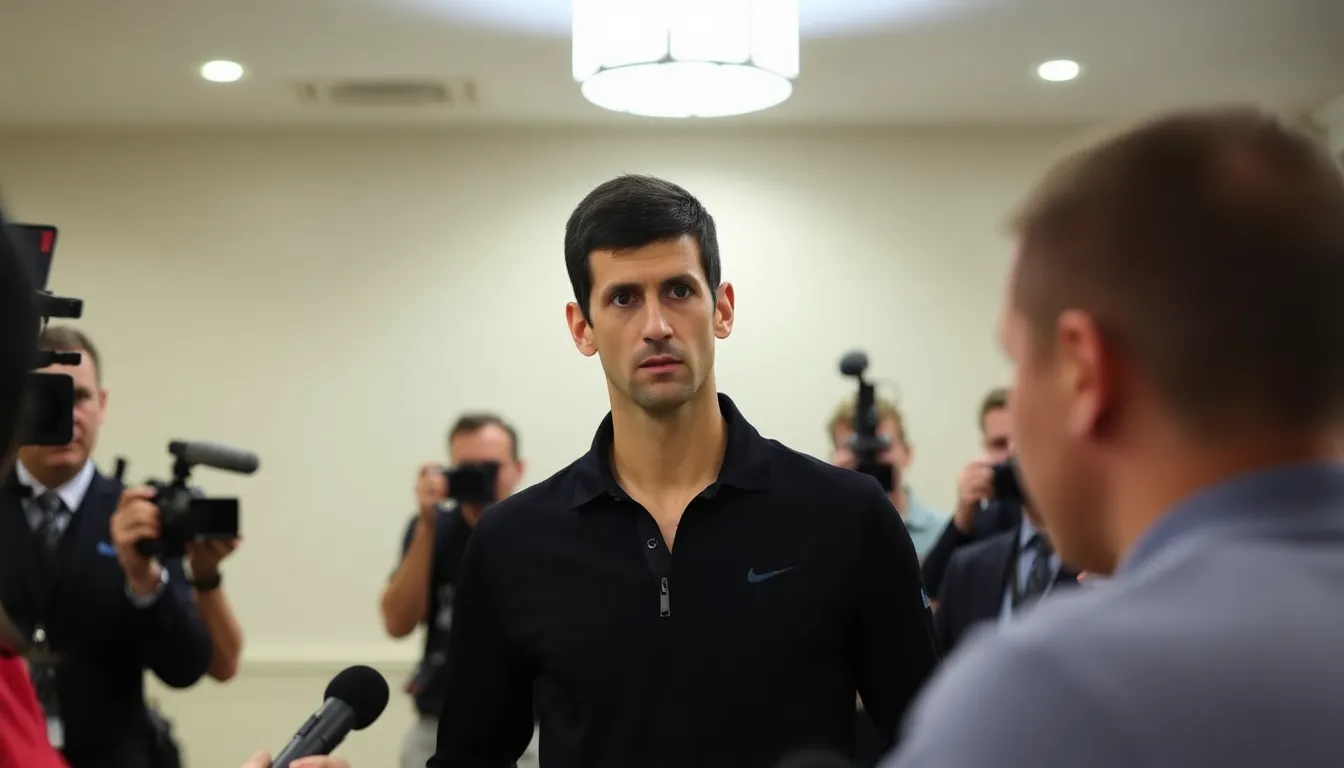
Historically, professional tennis has been governed by the ATP (Association of Tennis Professionals) and WTA (Women’s Tennis Association), which have been criticized for prioritizing the interests of top players over the broader player base. This imbalance became particularly pronounced during the COVID-19 pandemic, which exacerbated financial challenges for lower-ranked players. Djokovic and other founding members believed that a dedicated union could address these issues more effectively than existing structures.
Since its inception, the PTPA has sought to negotiate better prize money distribution, improved working conditions, and enhanced player welfare. However, the union’s relationship with established tennis bodies has been contentious, leading to divisions within the player community. Some players have supported the PTPA’s mission, while others have expressed concerns about its potential to create further fragmentation in the sport.
Key milestones in the player union’s journey
In the years following its formation, the PTPA achieved several notable milestones, including the launch of initiatives aimed at increasing transparency in prize money allocations and advocating for mental health resources for players. However, internal disagreements and differing visions for the future of the union have led to tensions among its members. Djokovic’s recent decision to cut ties with the PTPA marks a pivotal moment in this ongoing struggle, raising questions about the future direction of player representation in professional tennis.
Analyzing the implications of Djokovic’s departure from the union
Novak Djokovic’s recent decision to cut ties with the player union he co-founded has sent ripples throughout the tennis community. This move raises questions about the future of player representation and the dynamics within professional tennis. The main actors involved include Djokovic himself, the Professional Tennis Players Association (PTPA), the ATP (Association of Tennis Professionals), and individual players.
Djokovic’s interests have historically aligned with advocating for players’ rights and improving their financial conditions. However, his departure may signal a shift in his priorities, particularly as he navigates the latter stages of his career. The PTPA, which aims to provide a collective voice for players, may now face challenges in maintaining its influence without one of the sport’s biggest stars, like Djokovic who has often been compared to figures in other industries, such as those discussed in music and governance.
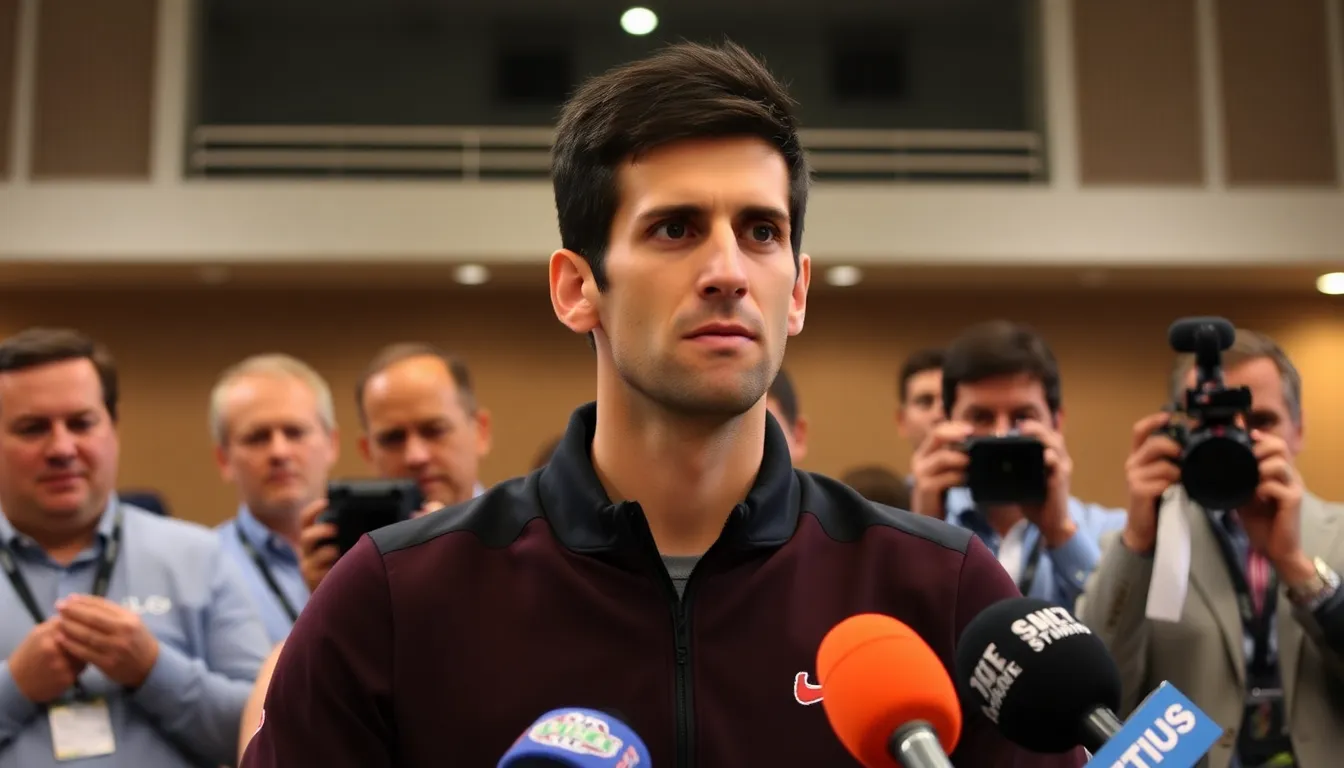
On the other hand, the ATP, which governs men’s professional tennis, may perceive Djokovic’s exit as an opportunity to reinforce its authority. The ATP has been criticized for its handling of player issues, and Djokovic’s departure could exacerbate existing tensions between the players and the governing body. The potential for conflict arises as players may feel increasingly alienated from an organization that they believe does not adequately represent their interests.
- Player Representation: With Djokovic’s exit, the effectiveness of the PTPA in advocating for players may be diminished, impacting negotiations on key issues such as prize money distribution.
- Economic Implications: The financial landscape of professional tennis could shift, especially if more players choose to distance themselves from the PTPA, potentially leading to a fragmented representation.
- Future Collaborations: Djokovic’s departure raises questions about future collaborations between the PTPA and the ATP, as well as the possibility of new alliances forming within the sport.
- Legal Considerations: Legal challenges may arise regarding player contracts and rights, particularly if tensions escalate between the PTPA and the ATP.
Ultimately, Djokovic’s decision not only impacts his career but also the broader landscape of professional tennis, where the balance of power among players, unions, and governing bodies remains delicate and contentious.
Impact on players and the tennis community
The decision by Novak Djokovic to cut ties with the player union he co-founded is poised to have significant ramifications for various groups within the tennis community. Primarily, professional players, both established and emerging, will feel the effects as they navigate their careers without the support structure that the union provided.
In the short term, this move may create uncertainty among players regarding their representation and rights. Many players rely on unions for advocacy on issues such as prize money distribution, scheduling, and health benefits. The absence of a unified voice could lead to fragmented negotiations with governing bodies, potentially affecting tournament conditions and player welfare.
In the mid-term, the impact may extend to business relationships within the tennis ecosystem. Sponsors and advertisers might reassess their partnerships, as a lack of player unity could alter the dynamics of fan engagement and marketability. This could lead to a decrease in investment in the sport, affecting everything from grassroots programs to major tournaments.
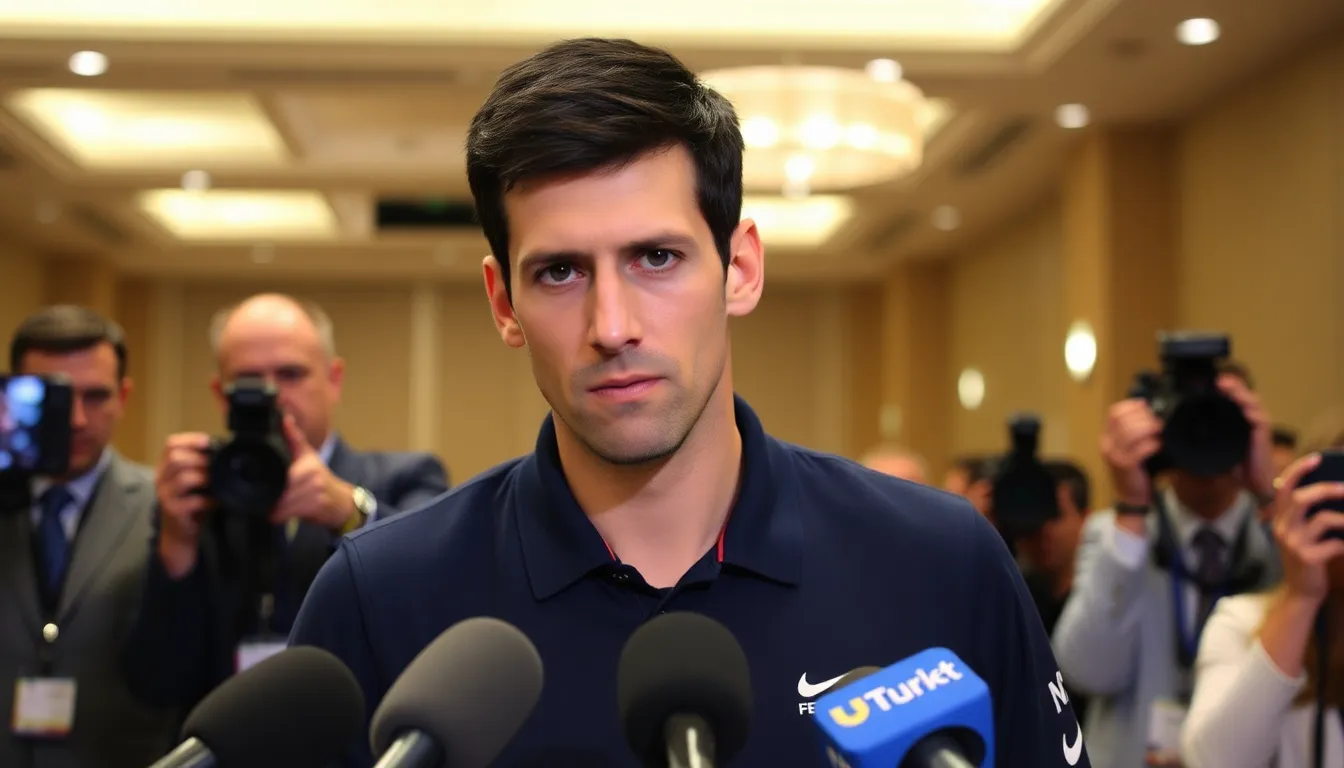
- Players: Increased uncertainty about representation and rights.
- Business Relationships: Potential decrease in sponsorship and investment.
- Policy Changes: Possible shifts in tournament regulations and player welfare standards.
Despite these risks, there are potential opportunities that could arise from this situation. Players may be compelled to take a more active role in advocating for their interests, leading to a more engaged and empowered athlete community. Additionally, new alliances or organizations may emerge to fill the void left by the union, fostering innovation in how players collaborate and negotiate.
A: Djokovic’s departure is reportedly due to differences in vision regarding the union’s direction and effectiveness in representing players. A: The player union was established to advocate for player rights and improve conditions within the sport, aiming to unify athletes’ voices. A: Other players may feel uncertain about their representation, and it could lead to a divide among athletes regarding union support. A: The union will need to reassess its strategies and possibly seek new leadership to continue its mission effectively. A: While he has left the union, Djokovic has expressed a commitment to advocating for player rights through other means.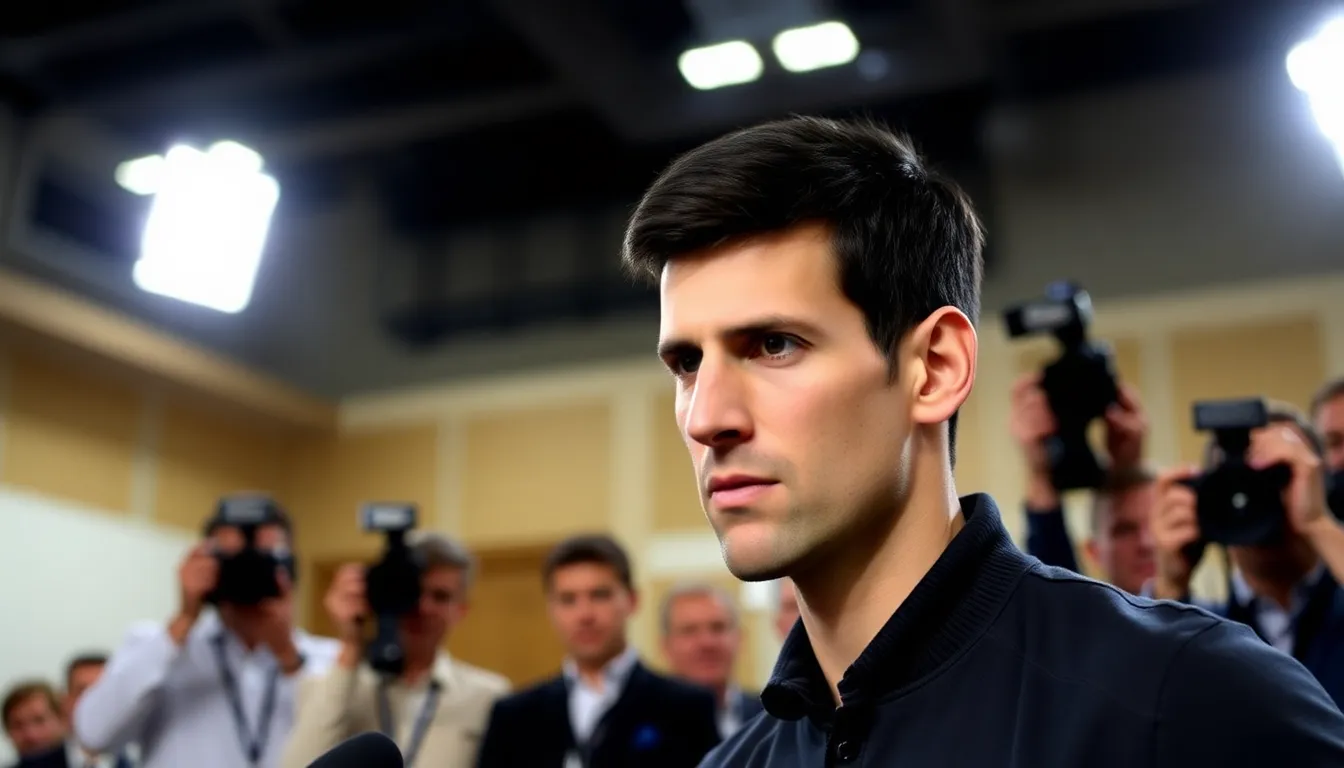
Frequently asked questions about Djokovic’s decision
Key takeaways and future outlook on player representation
Novak Djokovic’s decision to sever ties with the player union he co-founded marks a significant shift in the landscape of player representation in professional tennis. This move raises questions about the future of athlete advocacy and the potential for a more fragmented approach to player interests. As the dynamics within the sport evolve, it will be essential to monitor how this decision impacts both the union’s effectiveness and the broader player community.
Looking ahead, the implications of Djokovic’s departure may influence negotiations around player rights, financial distributions, and the overall governance of the sport. Stakeholders will need to adapt to the changing environment and consider new strategies for collaboration and representation.
- Watch for potential changes in player union leadership and direction following Djokovic’s exit.
- Monitor how this decision affects negotiations with tournament organizers and sponsors.
- Consider the impact on younger players and their willingness to engage in union activities.
- Assess the potential for new factions or alliances within the player community.
- Stay informed about shifts in public perception regarding player representation and advocacy.