


Several high-profile transfers have highlighted this trend, with clubs across Europe actively scouting and signing young players. For instance, in July 2023, a record number of youth players were transferred in the summer window, with notable moves including a 19-year-old midfielder moving from a lower league club to a top-tier team. These transactions not only provide opportunities for young athletes but also illustrate the changing dynamics of player development.
The motivation behind these transfers often stems from the need for young players to find environments where they can thrive. Many athletes express that their previous clubs lacked the resources or focus on youth development, prompting them to seek new homes where they can receive better training and mentorship. This shift is crucial as it allows players to maximize their potential and gain valuable experience in competitive settings.
Moreover, the role of social media and networking cannot be overlooked in this context. Young athletes are now more connected than ever, enabling them to showcase their skills and attract the attention of scouts and clubs worldwide. This increased visibility has led to a more competitive market for emerging talent, where the right opportunities can significantly alter a player’s career trajectory.
As the trend continues to evolve, it raises important questions about the future of youth sports and the responsibilities of clubs in nurturing young talent. The current environment underscores the necessity for clubs to provide adequate support and development pathways for young athletes, ensuring that they not only find new homes but also the right conditions to flourish.

The Background of Young Players Seeking New Opportunities
In recent years, the landscape of professional sports, particularly football, has witnessed a significant shift in how young players navigate their careers. Historically, youth academies were the primary pathway for aspiring athletes, with clubs investing heavily in developing talent from a young age. However, economic pressures, changes in transfer regulations, and the global nature of the sport have led to a more complex environment where young players often seek new homes to fulfill their potential.
The rise of globalization in football has opened doors for young talents from various regions to showcase their skills on international platforms. This trend has been accelerated by advancements in technology and media, allowing scouts and clubs to identify promising players from remote areas. As a result, young athletes are no longer confined to local leagues; they have the opportunity to pursue careers in foreign clubs, which can offer better training facilities, higher wages, and exposure to competitive play.
The Impact of Economic Factors
Moreover, the economic landscape surrounding football has evolved dramatically. With the influx of investment from wealthy owners and sponsorship deals, clubs are now under pressure to perform at higher levels. This has led to a demand for immediate results, often at the expense of nurturing young talent. Consequently, young players find themselves in a precarious position, where they must either adapt quickly to professional environments or seek opportunities elsewhere when they feel their development is stifled.
Key milestones in this evolution include the Bosman ruling of 1995, which allowed players greater freedom to move between clubs, and the subsequent rise of transfer market values. These changes have created an environment where young players can negotiate better terms and seek clubs that align with their career aspirations. As clubs compete for talent, the narrative of young players finding new homes has become a common theme, reflecting both the challenges and opportunities that define modern football.
Key Stakeholders in the Transition of Young Athletes
The transition of young athletes to new homes involves a variety of stakeholders, each with distinct interests and motivations. These include the athletes themselves, their families, sports clubs, governing bodies, and sponsors. Understanding the dynamics among these actors is crucial for grasping the complexities of this transition.
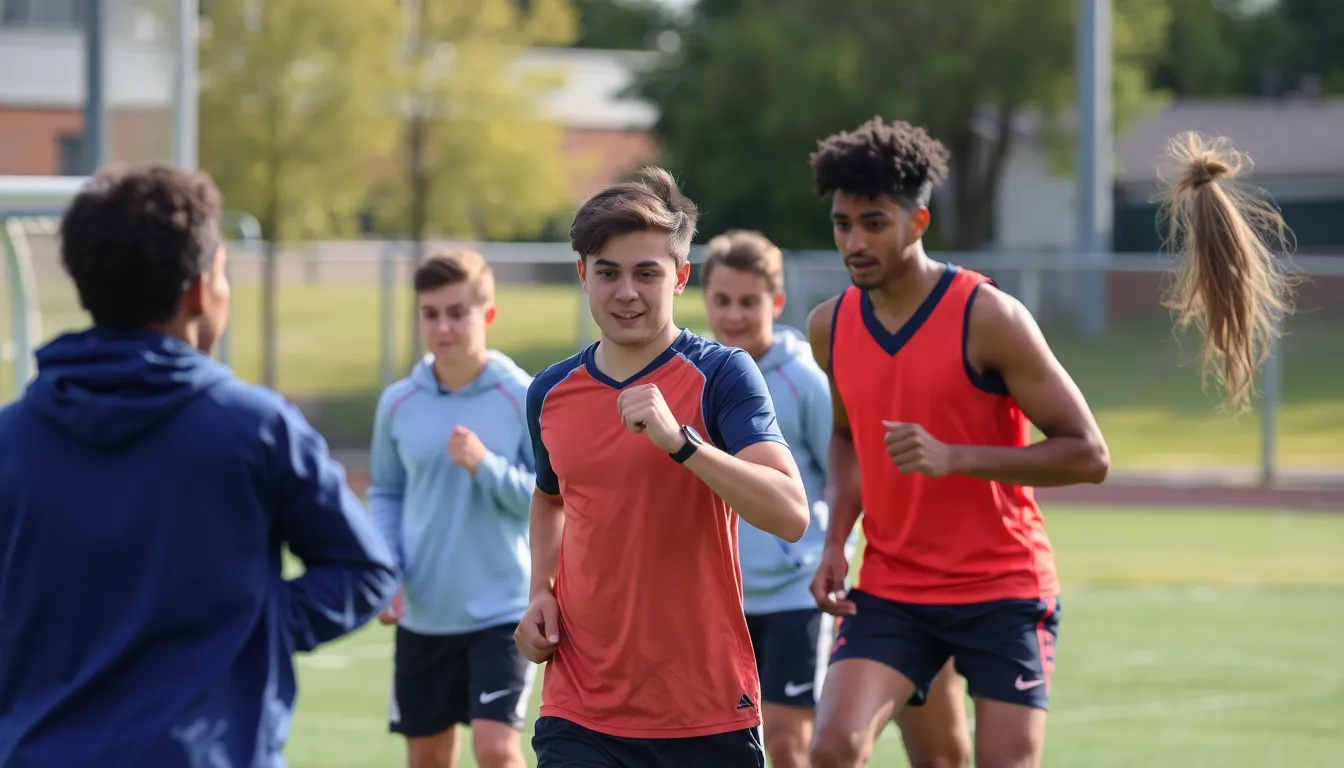
Young athletes often seek opportunities that provide better training facilities, coaching, and competitive exposure. Their families are typically invested in ensuring their children have the best possible environment for development, both athletically and personally. Sports clubs, on the other hand, are interested in acquiring talent that can enhance their team’s performance and reputation.
Governing bodies play a significant role in regulating the movement of athletes, enforcing rules that aim to protect young players while also promoting fair competition. However, these regulations can sometimes create conflicts between the aspirations of young athletes and the interests of clubs and sponsors. For instance, restrictions on transfers or financial incentives can lead to tensions around player commitments.
- Economic Issues: The financial implications of transfers can affect clubs’ budgets and the market value of young players.
- Legal Concerns: Compliance with regulations regarding player contracts and age restrictions is critical to avoid disputes.
- Emotional Factors: The pressure on young athletes to succeed can lead to mental health challenges, impacting their performance and well-being.
- Community Impact: The departure of local talent can affect community support and engagement with sports programs.
- Long-term Development: The focus on immediate success may overshadow the importance of nurturing young talent for sustainable growth.
In summary, the transition of young athletes is a multifaceted issue that involves navigating various interests and potential conflicts. By recognizing the roles of each stakeholder, it becomes easier to appreciate the broader implications of these transitions on the sports landscape.
The Impact of Transfers on Young Players and Their New Teams
The transfer of young players to new teams significantly affects various groups, including the players themselves, their families, local communities, and the broader sports industry. These transfers often lead to shifts in team dynamics, fan engagement, and economic activity within regions that host these teams.
In the short term, young players may experience a mix of excitement and pressure as they adapt to new environments. Their immediate surroundings, including their families and local communities, may feel the impact as these players seek support systems in unfamiliar settings. Teams benefit from fresh talent that can rejuvenate their roster, potentially leading to improved performance and increased ticket sales.

Mid-term impacts can include changes in local economies, particularly in regions that invest heavily in sports. As young players settle in, they may attract new fans and sponsors, boosting merchandise sales and local business revenues. However, the pressure on these players to perform can also lead to mental health challenges, which teams must address to ensure sustainable development.
- Economic Growth: Increased spending in local businesses and potential job creation.
- Community Engagement: Opportunities for local youth to engage with professional athletes.
- Team Performance: Enhanced competitiveness leading to higher league standings and visibility.
- Risks of Burnout: Young players may face intense scrutiny and expectations.
- Pressure on Families: Families may struggle with the relocation and adjustment process.
Overall, while the transfer of young players can bring about significant benefits, it is essential to recognize and address the accompanying challenges to create a supportive environment for both the players and their new teams.
A: Young players often seek new teams for better opportunities, coaching, or playing time. Additionally, personal circumstances and team dynamics can play significant roles in their decision. A: Teams typically provide mentorship programs, training resources, and psychological support to help young athletes adjust to their new environments. A: Young players may encounter challenges such as adapting to new coaching styles, building relationships with teammates, and managing expectations from fans and the media. A: Yes, many young athletes have successfully transitioned to new teams, leading to impressive performances and career advancements. These stories often highlight the importance of a supportive environment. A: Transfers can significantly alter team dynamics, introducing new skills and perspectives. However, they also require adjustments in team chemistry and strategy.
Frequently Asked Questions About Young Player Transfers
Insights and Future Outlook on Young Athletes’ Transitions
The journey of young athletes finding new homes in different teams or leagues highlights the importance of adaptability and support systems in sports. As these players navigate their transitions, the role of mentorship, coaching, and community becomes increasingly crucial. The experiences shared by these young athletes reveal not only the challenges they face but also the opportunities for growth and development in their careers.
Looking ahead, the dynamics of player transfers and team compositions will continue to evolve. Stakeholders, including clubs, coaches, and scouts, should pay close attention to the mental and emotional well-being of young athletes as they transition into new environments. This understanding will be vital in fostering a nurturing atmosphere that allows young talent to flourish.
- Support Systems Matter: Establishing robust support networks can significantly ease the transition for young players, enhancing their performance and well-being.
- Mentorship Opportunities: Experienced players and coaches can play a pivotal role in guiding young athletes through their new environments, facilitating smoother adjustments.
- Focus on Mental Health: Prioritizing mental health resources will become essential as young athletes face the pressures of adapting to new teams and expectations.
- Scouting for Potential: Teams should look beyond skill alone, considering how well a player might adapt to a new culture and environment.
- Community Engagement: Building connections with local communities can help young athletes feel more at home, promoting overall satisfaction and performance.