


Bortoleto, who is a rising star in the racing world, described the experience as both “bruising” and “the most amazing” of his career. He highlighted the physical and mental demands of navigating the complex Interlagos circuit, where every turn requires precision and focus. His performance during the race has drawn attention from fans and analysts alike, emphasizing his potential in the sport, especially in light of recent events at the Brazil GP.
The Brazil GP is not only a critical event for drivers but also plays a vital role in the championship standings. Bortoleto’s experience at this race is indicative of the broader challenges faced by emerging talents in Formula 1, where the pressure to perform can be overwhelming. His reflections on the race underscore the importance of resilience and adaptability in high-stakes environments.
As the season progresses, Bortoleto’s insights from the Brazil GP may influence his approach in upcoming races. The lessons learned from this challenging event could shape his strategies and performance as he continues to compete against some of the world’s best drivers in the sport.
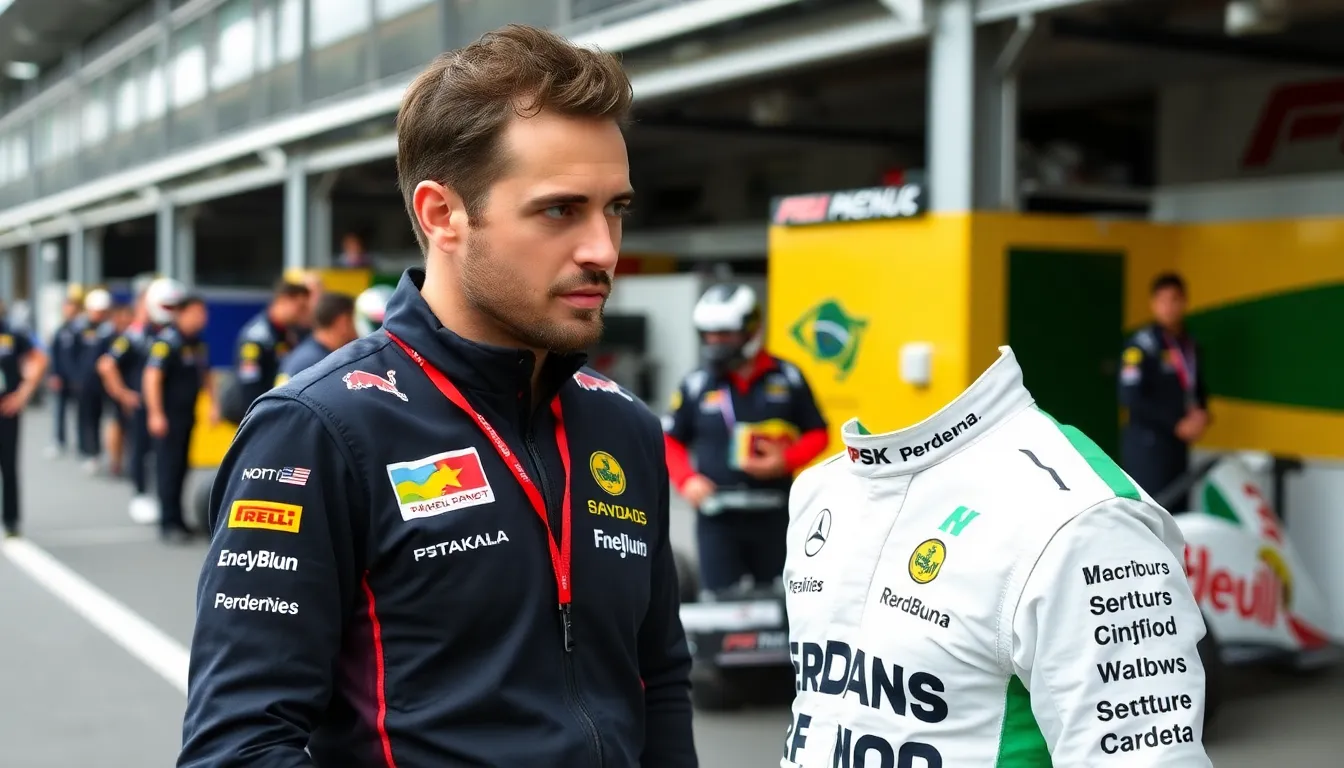
Understanding the significance of the Brazil GP in the racing calendar
The Brazilian Grand Prix, held at the iconic Interlagos circuit in São Paulo, has a rich history that dates back to its inaugural race in 1972. Over the years, it has become a pivotal event in the Formula 1 calendar, known for its passionate fans, unpredictable weather, and thrilling races. The unique characteristics of the track, including its elevation changes and tight corners, have made it a favorite among drivers and spectators alike, much like the memorable moments seen in cinematic events.
Historically, the Brazil GP has been a stage for dramatic moments that have shaped the sport. From Ayrton Senna’s legendary performances to the controversies that have arisen over the years, the race has often been a microcosm of the broader challenges and triumphs within Formula 1. The event has witnessed significant political and economic changes in Brazil, reflecting the country’s evolving landscape and its relationship with motorsport.
In recent years, the Brazil GP has also gained prominence due to its role in the championship standings. With the introduction of new regulations and the increasing competitiveness of teams, races in Brazil have become crucial for drivers aiming for the title. The emotional atmosphere surrounding the event, combined with the high stakes, has led to unforgettable racing moments, making it a highlight of the season, akin to the dramatic debuts celebrated in sports.
The cultural impact of motorsport in Brazil
Motorsport holds a special place in Brazilian culture, with a history of producing world-class drivers who have excelled on the international stage. The Brazil GP serves as a celebration of this legacy, drawing fans from across the country and beyond. The event not only showcases the talents of drivers like Gabriel Bortoleto but also highlights Brazil’s passion for racing, fostering a sense of national pride and unity among its people.
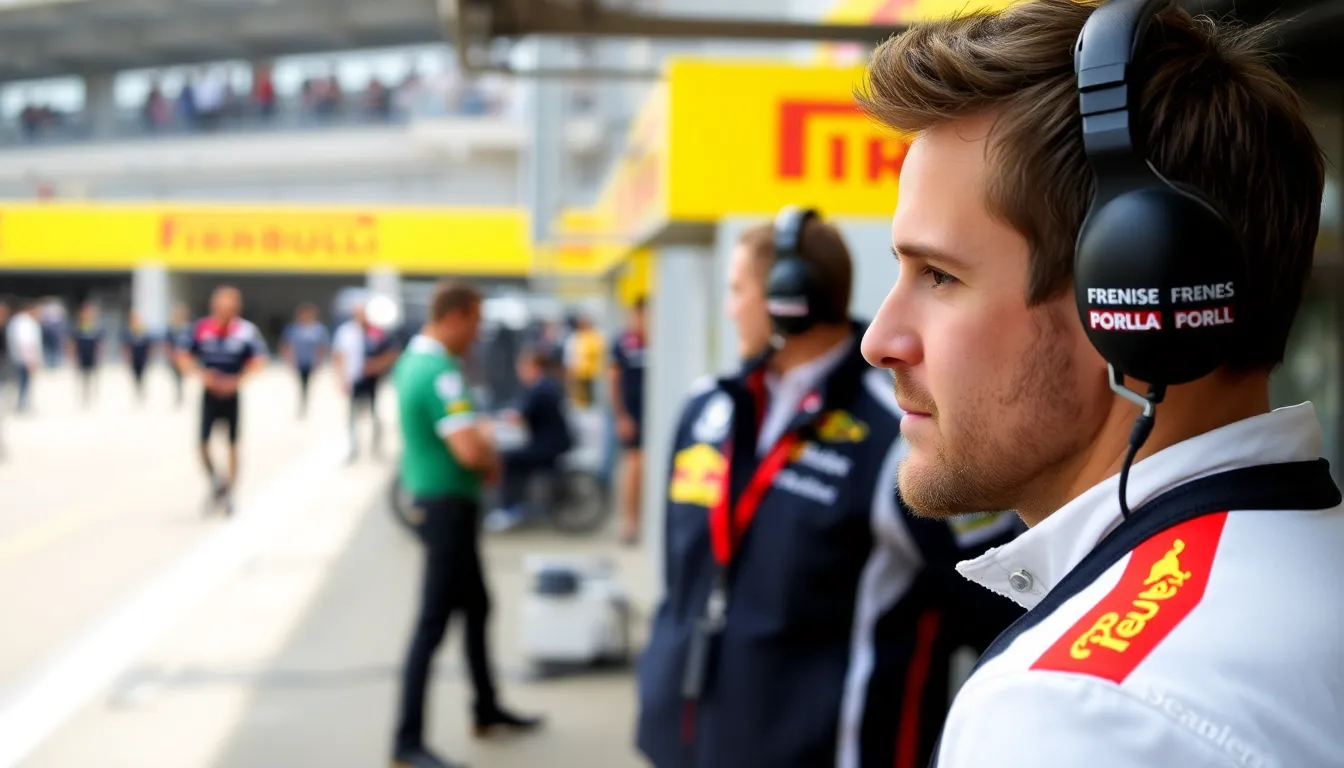
Key issues and challenges faced by drivers at the Brazil GP
The Brazil Grand Prix, held at the Interlagos circuit, is renowned for its challenging layout and unpredictable weather conditions. This year, Gabriel Bortoleto and other drivers faced a myriad of issues that not only tested their skills but also highlighted the complex dynamics of the sport. Understanding the stakeholders involved and the challenges they encountered is essential for grasping the broader implications of the race.
One of the primary stakeholders is the drivers themselves, including Bortoleto, who expressed that despite the physical toll of the race, it was an unforgettable experience. Drivers are motivated by personal success, team performance, and the pursuit of championship points. However, the intense competition often leads to conflicts, particularly when it comes to team strategies and individual ambitions.
- Weather Conditions: The unpredictable rain during the race created hazardous conditions that challenged drivers’ abilities and strategies.
- Team Dynamics: Conflicts can arise between teammates when individual goals clash with team objectives, leading to tension on and off the track.
- Economic Pressures: Teams face significant financial constraints, which can influence decisions about car development and race strategies.
- Regulatory Challenges: Compliance with FIA regulations can lead to disputes over penalties and race conduct, affecting the outcome of the race.
Additionally, the role of sponsors and media cannot be overlooked. Sponsors invest heavily in the sport and expect strong performances from drivers, which adds another layer of pressure. Media coverage amplifies this pressure, as public scrutiny can impact the mental state of the drivers. Balancing personal aspirations with external expectations is a delicate task that requires considerable resilience.
In summary, the Brazil GP serves as a microcosm of the broader challenges faced in Formula 1, where the interests of drivers, teams, sponsors, and regulatory bodies often intersect, leading to a complex web of interactions that define the sport.
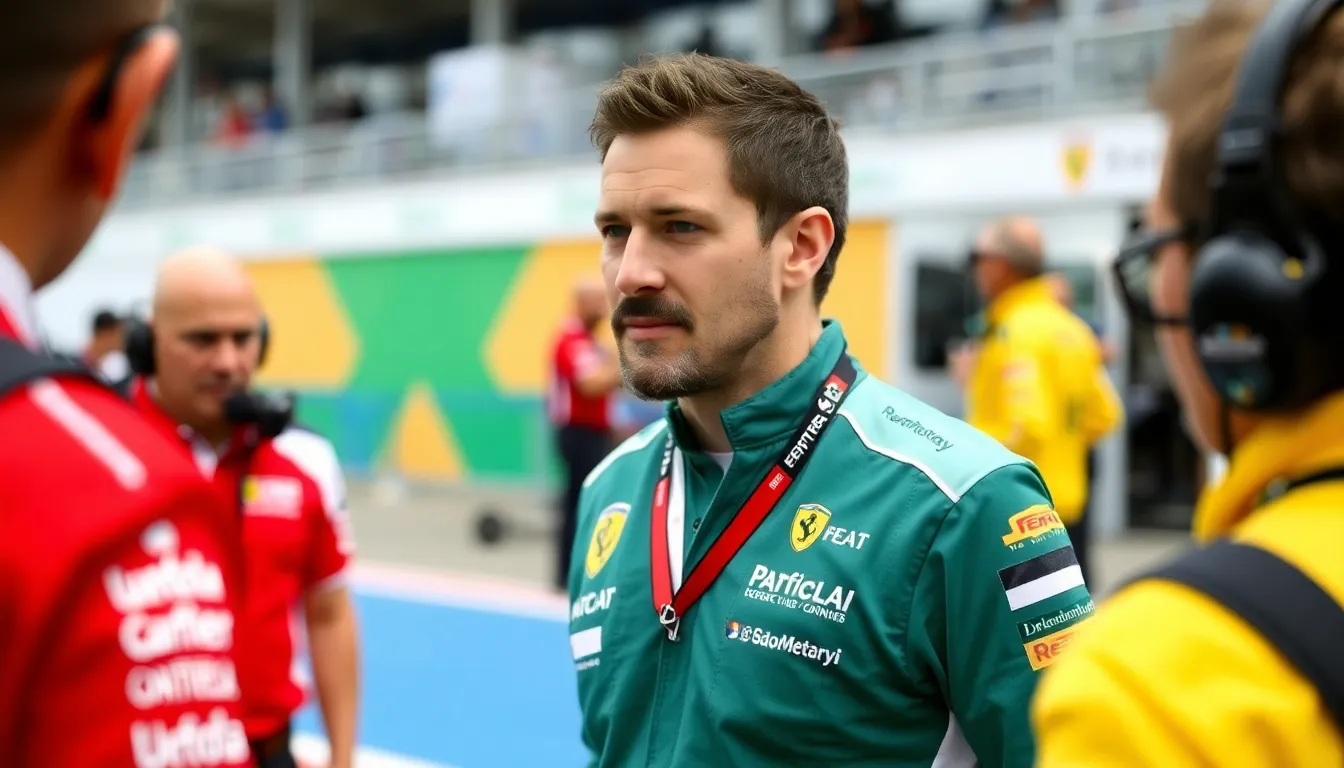
The impact of the Brazil GP on Bortoleto’s career and future prospects
The recent Brazil Grand Prix has significantly influenced Gabriel Bortoleto’s career trajectory, impacting not only his personal growth but also the broader motorsport industry. As a rising star in Formula 1, Bortoleto’s experiences during the race resonate with various stakeholders, including fans, sponsors, and the Brazilian motorsport community.
In the short term, Bortoleto’s performance has garnered increased media attention and fan support, which can lead to enhanced sponsorship opportunities. Brands looking to associate with emerging talents are likely to invest in him, boosting his financial backing and allowing him to focus more on his racing. This influx of support can also elevate interest in motorsport among younger audiences in Brazil, potentially increasing attendance at future races.
Mid-term impacts may include stronger ties between Bortoleto and Brazilian motorsport organizations, which could lead to initiatives aimed at developing local talent. This can create a ripple effect, encouraging more young drivers to pursue careers in racing, thereby enriching the competitive landscape. Furthermore, the heightened attention on Bortoleto may prompt policy discussions around improving infrastructure and support for motorsport in Brazil.
- Increased sponsorship opportunities for Bortoleto and potential investments in Brazilian motorsport.
- Boost in local fan engagement, leading to higher attendance at races and events.
- Development of grassroots programs aimed at nurturing young racing talent.
- Policy discussions around enhancing motorsport infrastructure in Brazil.
While the Brazil GP has opened doors for Bortoleto, it also presents risks, such as the pressure of heightened expectations from fans and sponsors. If he fails to maintain his performance, it could lead to a decline in support and opportunities. Nevertheless, the potential for growth and development within the motorsport industry in Brazil remains substantial, making this a pivotal moment for Bortoleto and the community surrounding him.
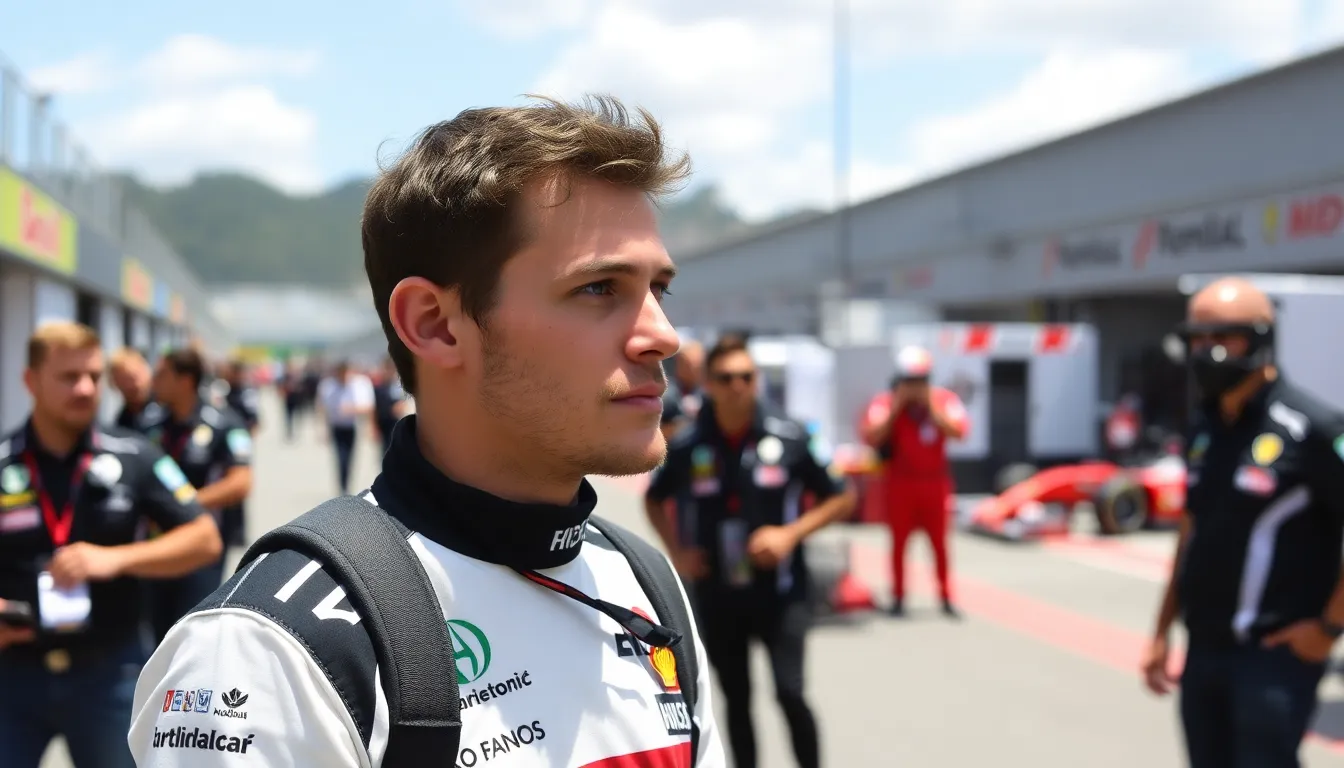
Frequently asked questions about Gabriel Bortoleto and the Brazil GP
A: Gabriel Bortoleto described the Brazil GP as a challenging yet incredible experience, highlighting both the physical demands and the thrill of racing.
A: The Brazil GP provided Bortoleto with valuable experience and exposure, which could significantly influence his future in racing.
A: Drivers at the Brazil GP encounter tough weather conditions, a demanding track layout, and intense competition, making it a unique challenge.
A: The Brazil GP is known for its passionate fans and challenging circuit, making it a crucial event for drivers seeking to showcase their skills.
Key takeaways from Bortoleto’s experience at the Brazil GP
Gabriel Bortoleto’s reflections on the Brazil GP highlight the dual nature of racing, where challenges and triumphs coexist. His ability to navigate the intense pressures of the race underscores the importance of resilience and adaptability in high-stakes environments. As he embraces the lessons learned, it becomes clear that experiences like these shape not only a driver’s career but also their character.
Looking ahead, Bortoleto’s insights provide valuable perspectives for aspiring drivers and teams alike. The balance between embracing the thrill of competition and managing the physical and mental demands of racing is crucial for success in the sport.
- Resilience is key: The ability to bounce back from setbacks can define a driver’s future performance.
- Experience shapes character: Each race offers lessons that contribute to personal and professional growth.
- Physical and mental preparation is essential: Athletes must cultivate both aspects to excel in demanding environments.
- Embrace challenges as opportunities: Viewing difficulties as chances to learn can enhance performance and satisfaction.
- Community support matters: Building a strong network can provide the encouragement needed during tough times.