


One of the key factors contributing to this year’s flu outbreak is the lower immunity levels in the population, attributed to reduced exposure during the previous seasons due to pandemic-related measures. The CDC has noted that the predominant strain circulating this winter is the H3N2 variant, which is known for causing more severe illness, especially among vulnerable populations such as the elderly and those with underlying health conditions.
Vaccination efforts have been ramped up as health authorities urge individuals to get vaccinated to mitigate the impact of the flu this season. For more information on this year’s vaccination trends, check out the article on flu cases in New York City.
The convergence of flu, COVID-19, and RSV cases has prompted health experts to call for increased vigilance and preventive measures. Hospitals are preparing for potential surges in patients, and local health departments are monitoring trends closely to adapt their responses. This situation underscores the ongoing challenges in managing respiratory illnesses during the winter months, highlighting the need for public awareness and proactive health measures.
Background on flu seasons and their variations
Understanding the dynamics of these seasonal variations is crucial for anticipating and managing outbreaks effectively, and you can learn more about how different factors influence flu seasons in the context of the Canadian winter.

In the 20th century, pandemics such as the 1918 Spanish flu and the 2009 H1N1 outbreak highlighted the potential severity of influenza viruses. These events underscored the importance of vaccination and public health preparedness, leading to the establishment of annual flu vaccination campaigns. However, despite advancements in vaccine development, flu seasons continue to fluctuate, often catching communities off guard.
Factors Influencing Flu Severity
Several factors contribute to the variations seen in flu seasons. One major element is the antigenic drift and shift of the influenza virus, which can lead to new strains that evade immunity from previous infections or vaccinations. Additionally, social behaviors, such as increased travel and gatherings during winter months, can facilitate the spread of the virus. Economic factors, including healthcare access and vaccination rates, also play a critical role in determining the impact of flu seasons on different populations.
In recent years, the COVID-19 pandemic has further complicated the landscape of influenza. Public health measures such as mask-wearing and social distancing significantly reduced flu transmission during the 2020-2021 season. However, as these measures have relaxed, experts are closely monitoring the potential resurgence of flu cases, raising questions about the interplay between COVID-19 and seasonal influenza.
As we navigate this winter, understanding the historical context and current dynamics of flu seasons will be essential for public health officials and communities alike. With ongoing surveillance and research, the aim is to mitigate the impact of influenza and ensure that populations remain informed and prepared.
Key stakeholders and issues in the flu response
This winter, the flu response involves a diverse array of stakeholders, each with distinct interests and concerns, emphasizing the importance of public health organizations such as the WHO and CDC in shaping effective strategies.

Public health organizations, such as the World Health Organization (WHO) and the Centers for Disease Control and Prevention (CDC), play a critical role in monitoring flu trends and guiding vaccination efforts. Their primary interest lies in minimizing the impact of flu outbreaks and ensuring public safety through effective vaccination campaigns and health education.
Government agencies are also pivotal in the flu response, as they allocate resources for healthcare, fund vaccination programs, and implement policies to manage outbreaks. Conflicts may arise between federal and state governments regarding the distribution of vaccines and public health mandates, leading to varying responses across regions.
- Healthcare providers are on the front lines, administering vaccines and treating patients. They face challenges related to resource allocation and patient education.
- Pharmaceutical companies have a vested interest in flu vaccine production and distribution. Economic issues, such as pricing and accessibility, can create tensions between profit motives and public health needs.
- The general public is a crucial stakeholder, as community attitudes towards vaccination can significantly influence overall flu response effectiveness. Misinformation and vaccine hesitancy are ongoing challenges that complicate public health efforts.
Legal issues also play a role in the flu response, particularly concerning vaccine mandates and liability for adverse effects. Balancing individual rights with public health needs can lead to contentious debates, highlighting the trade-offs involved in managing flu outbreaks effectively.
Who is affected by the flu this winter and how
This winter, the flu virus is impacting various groups, including the elderly, young children, and individuals with pre-existing health conditions. These populations are particularly vulnerable to severe complications from the flu, making them a primary focus for public health initiatives. Additionally, healthcare providers and emergency services are feeling the strain as they manage increased patient loads.
Industries such as healthcare, education, and retail are experiencing significant effects. Hospitals are seeing a rise in flu-related admissions, which can lead to resource shortages and increased operational costs. Schools may face closures or disruptions as absenteeism rises among both students and staff, affecting educational continuity. Retail businesses may also see fluctuations in consumer behavior, as people prioritize health over shopping during peak flu season.

In the short term, individuals may need to adjust their daily routines, with increased emphasis on hygiene practices and vaccination efforts. Workplaces might implement health policies such as remote working or flexible schedules to accommodate sick employees. In the mid-term, we could see a shift in public health policy, with more funding directed towards flu prevention and education campaigns.
- Risks: Increased healthcare costs, worker absenteeism, and potential long-term health complications for vulnerable populations.
- Opportunities: Growth in the healthcare sector, demand for flu vaccines, and innovation in telehealth services.
Regions with higher population densities, such as urban areas, are likely to experience more pronounced effects due to the ease of virus transmission. However, rural areas may also face challenges as healthcare access can be limited, making it crucial for local health authorities to implement targeted outreach and vaccination drives.
A: The flu typically presents with symptoms such as fever, cough, sore throat, body aches, and fatigue. It’s important to distinguish these from common cold symptoms. A: Vaccination is the most effective way to prevent the flu. Additionally, practicing good hygiene, such as frequent handwashing and avoiding close contact with sick individuals, can help. A: Current data suggest that this winter’s flu strain may be more prevalent but not necessarily more severe than previous years. Monitoring continues to assess its impact. A: If you experience severe symptoms, difficulty breathing, or a high fever that does not respond to medication, it’s important to seek medical attention promptly. A: Yes, antiviral medications can be prescribed to help reduce the severity and duration of flu symptoms if taken early in the course of the illness.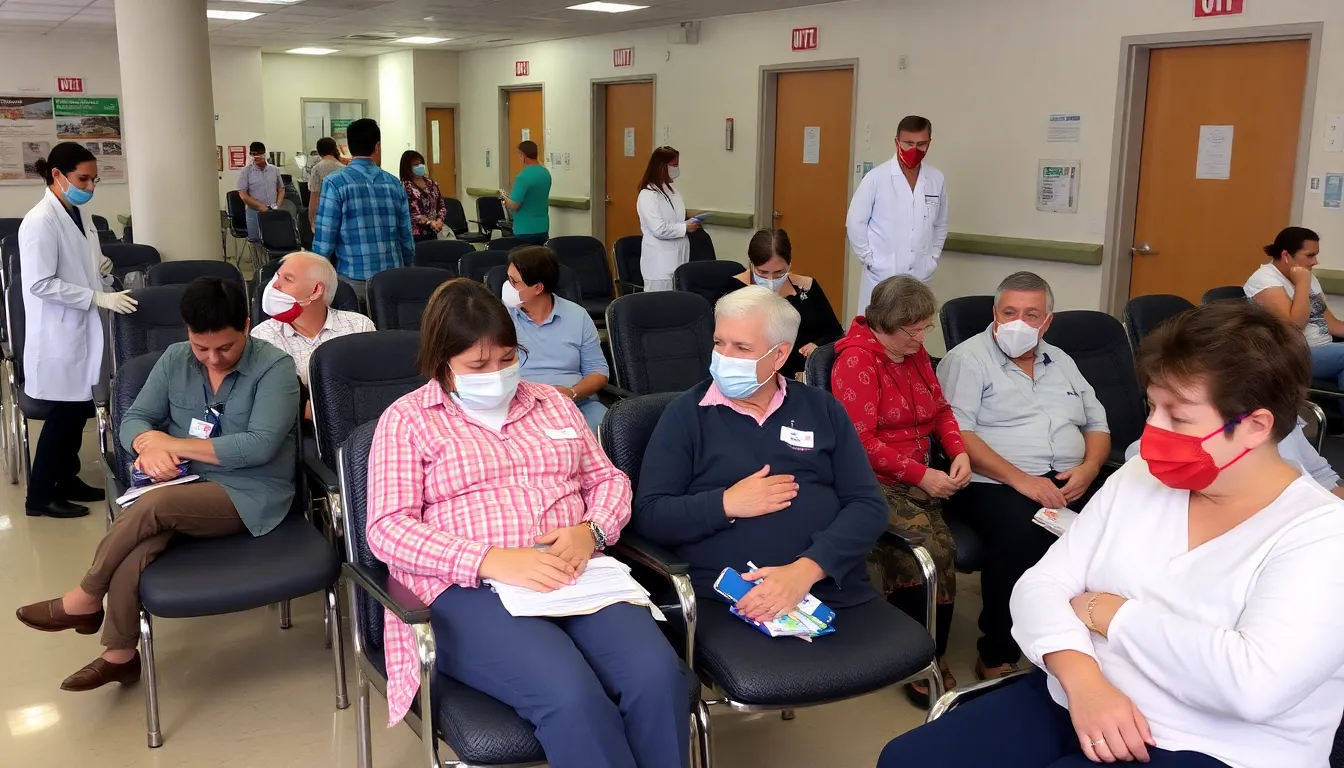
Frequently asked questions about this winter’s flu
Key takeaways and outlook for the flu season
This winter’s flu season presents a complex landscape influenced by various factors, including vaccination rates, public health measures, and the emergence of new virus strains. As we progress through the season, it is essential to remain vigilant and adaptable in our approaches to flu management and prevention.
Monitoring trends in flu activity will be crucial for understanding the potential impact on healthcare systems. Public awareness campaigns and ongoing vaccination efforts will play a significant role in mitigating the effects of flu this winter.
- Vaccination remains key: Increased vaccination rates can significantly reduce the severity and spread of flu, making it imperative for individuals to get vaccinated.
- Watch for emerging strains: Stay informed about any new flu strains that may arise, as these can affect the effectiveness of current vaccines.
- Public health measures matter: Continued adherence to public health guidelines, including hygiene practices and social distancing, can help minimize flu transmission.
- Healthcare preparedness is essential: Hospitals and clinics should prepare for potential surges in flu cases to ensure adequate care for all patients.
- Public awareness is critical: Ongoing education about flu symptoms and prevention strategies can empower communities to take proactive measures.