


The ongoing digital divide has been exacerbated by the COVID-19 pandemic, which highlighted the essential nature of internet connectivity for remote work, education, and telehealth services. In response, both federal and state governments have initiated various funding programs aimed at expanding broadband infrastructure, with the Infrastructure Investment and Jobs Act of 2021 allocating $65 billion for broadband expansion efforts.
Major telecommunications companies are now competing to fill the gaps in rural internet service. Providers like Verizon, AT&T, and regional players are investing in fiber-optic networks and fixed wireless technologies, aiming to reach underserved communities. However, challenges such as high deployment costs and regulatory hurdles continue to impede progress. For more on connectivity issues in urban areas, read about the recent challenges faced in New York City.
Community-driven initiatives are also emerging as a vital part of the solution. Local cooperatives and non-profits are increasingly stepping in to provide internet services, often leveraging public funding and partnerships to build out necessary infrastructure. These grassroots efforts are crucial in addressing the unique needs of rural populations, ensuring that no community is left behind in the digital age. Such initiatives are comparable to the efforts in other sectors, like those discussed in our article about new reservoirs addressing water shortages.
The importance of internet connectivity in rural communities
In today’s digital age, internet connectivity is no longer a luxury; it is a necessity. For rural communities, reliable internet access is crucial for economic development, education, and social interaction. Historically, these areas have faced significant challenges in obtaining high-quality internet services, leading to a digital divide that exacerbates existing inequalities. To see how rapid progress is achievable in other fields, check out our piece on Lando Norris’s F1 journey, where ambition meets opportunity.
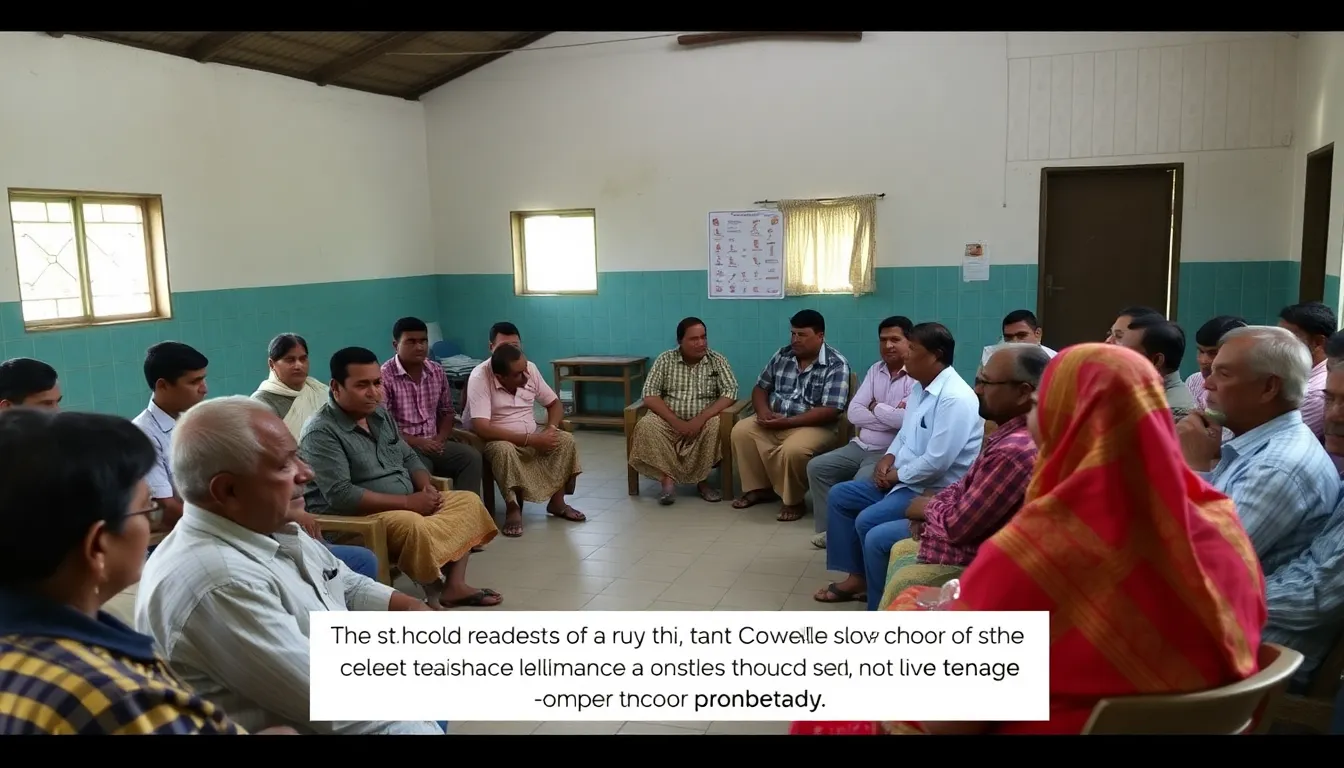
The roots of this issue can be traced back to the early days of the internet when urban areas were prioritized for infrastructure investments. Telecommunications companies focused their resources on densely populated regions, leaving rural areas underserved. This trend continued for decades, as the costs associated with extending broadband infrastructure to remote locations outweighed the perceived benefits for service providers.
Key milestones in the fight for rural internet access include the Federal Communications Commission’s (FCC) initiatives in the early 2000s, which aimed to bridge the digital divide. Programs such as the Universal Service Fund were created to subsidize internet access in underserved areas. However, despite these efforts, many rural communities still struggle with slow speeds and limited options, highlighting the persistent challenges that remain.
Legislative efforts and community initiatives
In recent years, there has been a growing recognition of the importance of internet access in rural areas, leading to various legislative efforts aimed at improving connectivity. States have begun to implement their own broadband initiatives, and some rural communities have taken matters into their own hands by forming cooperatives and public-private partnerships. These grassroots efforts are crucial in addressing the unique needs of rural populations and ensuring that they are not left behind in the digital revolution.
Key players and issues in the rural internet market
The landscape of rural internet provision is shaped by a diverse array of stakeholders, including telecommunications companies, government agencies, and local communities. Each of these actors has distinct interests that influence the availability and quality of internet services in rural areas. Understanding these key players and their motivations is essential for analyzing the challenges and opportunities that lie ahead.
Telecommunications companies, such as major ISPs, are primarily focused on profitability and market expansion. Their investments in infrastructure often depend on the potential return on investment, which can be lower in sparsely populated rural regions. Conversely, there is a growing demand from rural residents for reliable internet access, which can create tension between corporate interests and community needs.
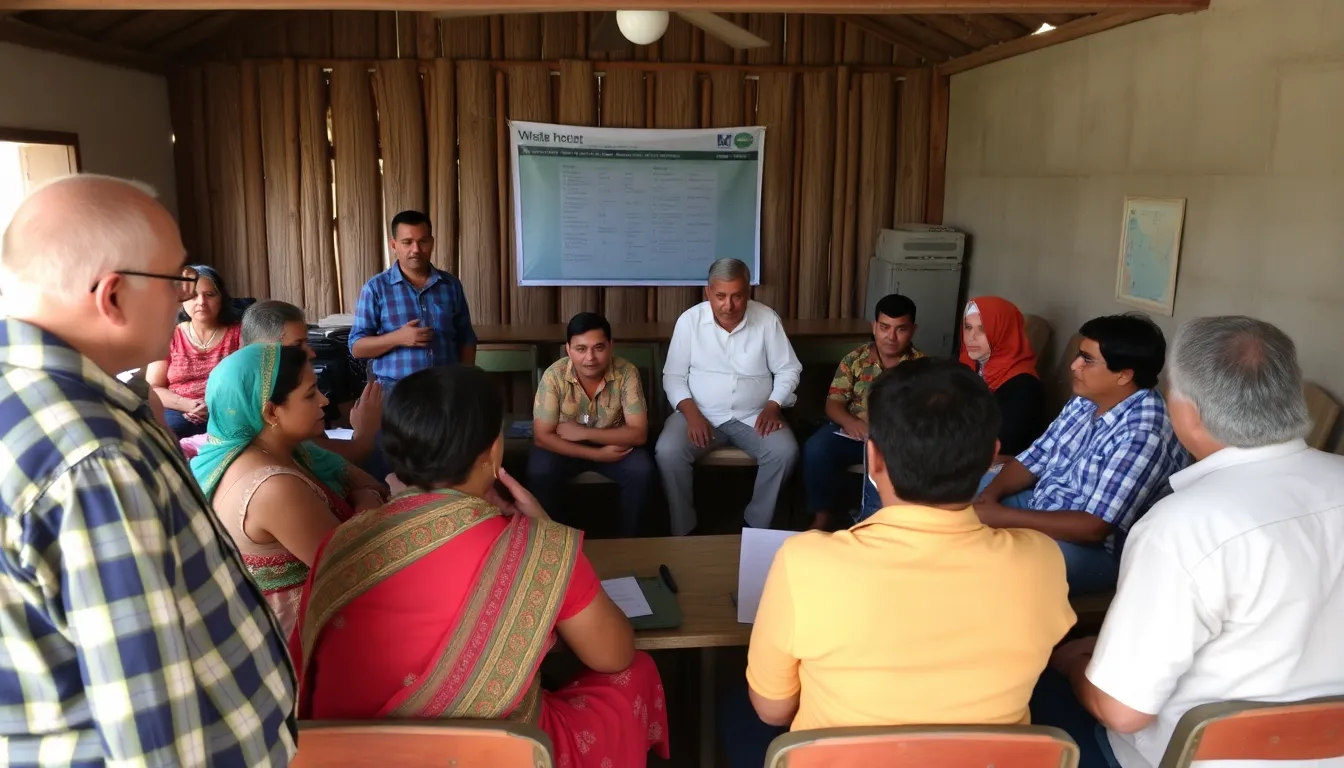
Government agencies at both state and federal levels play a critical role in shaping the rural internet landscape. They may provide funding, incentives, and regulatory frameworks to encourage the expansion of broadband services. However, the allocation of resources can lead to conflicts, particularly when urban areas receive more attention than rural regions. This disparity can exacerbate existing inequalities in internet access.
- Funding and Subsidies: Government initiatives aimed at increasing broadband access can lead to competition among providers for available grants and subsidies.
- Regulatory Challenges: The regulatory environment can either facilitate or hinder the expansion of internet services, depending on the policies in place.
- Community Engagement: Local communities are increasingly advocating for better internet services, often leading to partnerships with private providers.
- Technology Adoption: The choice of technologyfiber, satellite, or fixed wirelesscan significantly impact service quality and coverage.
- Environmental Concerns: Infrastructure development can raise environmental issues, leading to conflicts between providers and conservation groups.
In this evolving landscape, the interplay between these stakeholders reveals a complex web of interests and challenges. As we approach 2025, the need for collaboration and innovative solutions will be critical in addressing the connectivity gap faced by rural communities.
How rural internet access affects residents and local economies
Access to reliable internet in rural areas significantly impacts various groups, including residents, local businesses, and educational institutions. As more providers expand their services to these underserved regions, the implications for daily life and economic growth become increasingly evident. Rural communities, often isolated from urban resources, stand to benefit greatly from enhanced connectivity.
In the short term, improved internet access can lead to immediate benefits for residents. Families can engage in remote work and online education, which is especially crucial in the wake of recent global shifts toward digital platforms. This connectivity can also foster a sense of community, as residents participate in online forums and social media, bridging the gap between neighbors.
Mid-term impacts on local economies are particularly noteworthy. Businesses can leverage high-speed internet for e-commerce, marketing, and customer engagement, potentially leading to increased revenue and job creation. Moreover, industries such as agriculture can adopt smart farming technologies, optimizing production and resource management. As a result, rural areas may see an influx of new residents seeking the benefits of both rural living and modern amenities.
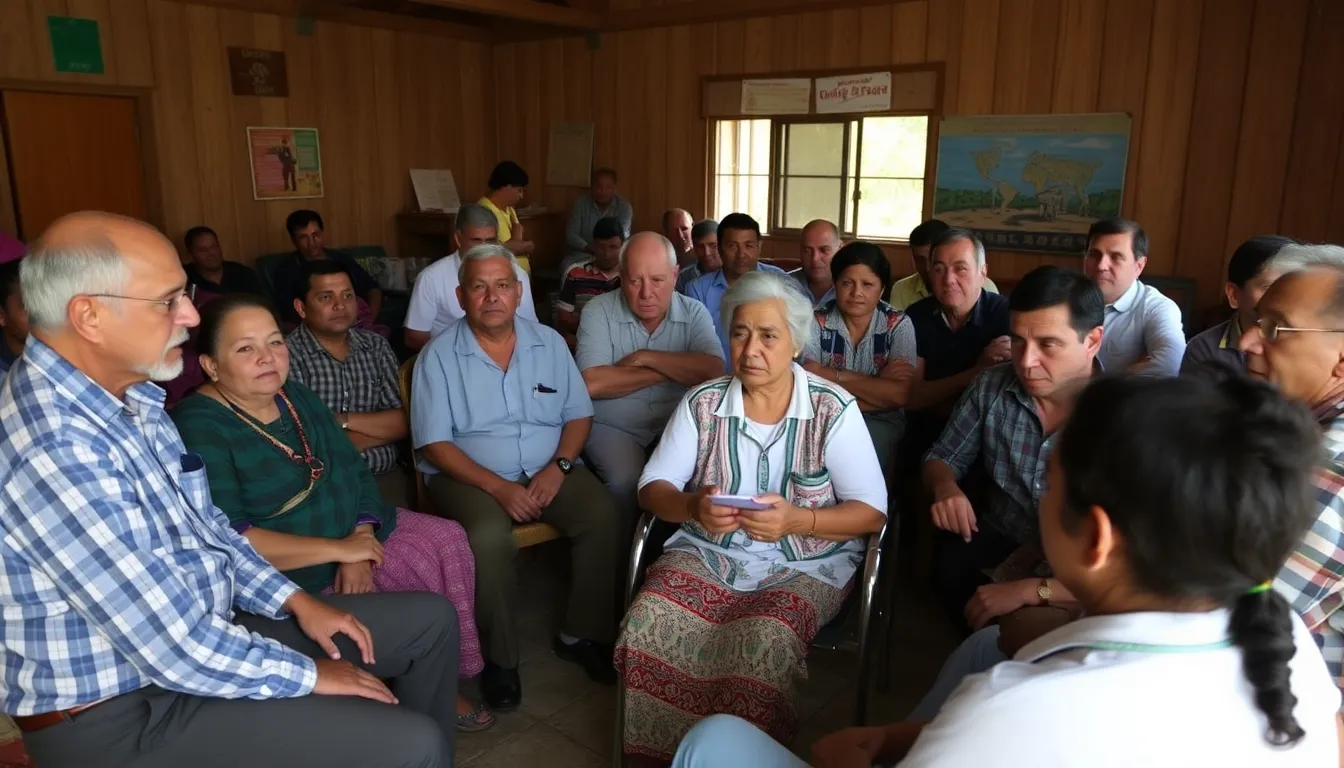
- Enhanced educational opportunities for students through online learning platforms.
- Growth of local businesses leveraging e-commerce and digital marketing.
- Increased job creation in tech-related fields.
- Improved healthcare access via telemedicine services.
However, these advancements are not without risks. The digital divide may still persist if certain demographics remain unable to access these services, potentially exacerbating inequalities. Additionally, as businesses and residents become more reliant on the internet, any outages or cyber threats could disrupt daily life and economic stability. Balancing these risks with the opportunities presented by improved internet access will be crucial for rural communities moving forward.
A: Some of the best rural internet providers for 2025 include HughesNet, Viasat, and local fiber-optic services, which offer competitive speeds and pricing. A: To find the best internet provider, check local coverage maps, read customer reviews, and compare pricing and service plans. A: Yes, there are several government initiatives aimed at improving internet access in rural areas, including grants and subsidies for providers. A: Speeds vary by provider, but many rural internet services offer speeds ranging from 25 Mbps to 100 Mbps, depending on the technology used. A: Satellite internet can be a viable option for rural areas, especially where other types of connections are unavailable, but it may have higher latency.
Frequently asked questions about rural internet providers
Future outlook for rural internet access and services
The landscape of rural internet access is poised for significant transformation as we approach 2025. With advancements in technology and increased competition among providers, rural areas are likely to see enhanced connectivity options that were previously unavailable. This shift not only promises to bridge the digital divide but also fosters economic growth and improves quality of life for residents in these communities.
As consumers become more informed and demand better services, internet providers will need to adapt by offering more competitive pricing, improved customer service, and innovative solutions tailored to rural needs. The ongoing investment in infrastructure, particularly through government initiatives and private partnerships, will be crucial in shaping the future of rural internet access.
- Increased competition: Expect more providers entering the market, leading to better pricing and service options for consumers.
- Technological advancements: Innovations such as satellite and fixed wireless technologies will continue to enhance connectivity in remote areas.
- Government initiatives: Continued investment in rural broadband infrastructure will play a key role in expanding access and improving service quality.
- Consumer awareness: As residents become more educated about their options, demand for high-quality service will drive providers to improve their offerings.