


The rise of loud luxury is also evident, with brands like Balenciaga and Gucci leading the charge. These labels are redefining opulence through the use of unconventional materials and striking silhouettes, appealing to a consumer base that seeks individuality and self-expression. This shift is not just a fleeting trend; it reflects a broader cultural movement towards embracing personal style and authenticity, much like the anticipated trends discussed in Potential Challengers to Sinner and Alcaraz in 2026.
Tassels and intricate embellishments are making a comeback, adding texture and movement to garments. This trend can be traced back to various influences, including the resurgence of 1970s aesthetics and the increasing popularity of bohemian styles. Designers are incorporating these elements into their collections, making them a staple for the upcoming seasons.
Moreover, sustainability remains a key consideration in this evolving fashion narrative. Many brands are now focusing on sustainable practices while still embracing bold aesthetics, creating a unique blend of style and responsibility. This dual focus is expected to resonate with consumers who are becoming more conscientious about their fashion choices.
Understanding the evolution of style trends leading to 2026
The fashion industry has always been a reflection of societal changes, with style trends often emerging as responses to historical, political, and economic contexts. As we look towards 2026, the anticipated rise of bold colours, tassels, and loud luxury can be traced back to significant milestones in fashion history, including the vibrant street style movements of the late 20th century and the increasing influence of social media on consumer behaviour, much like the global impact of British culture.
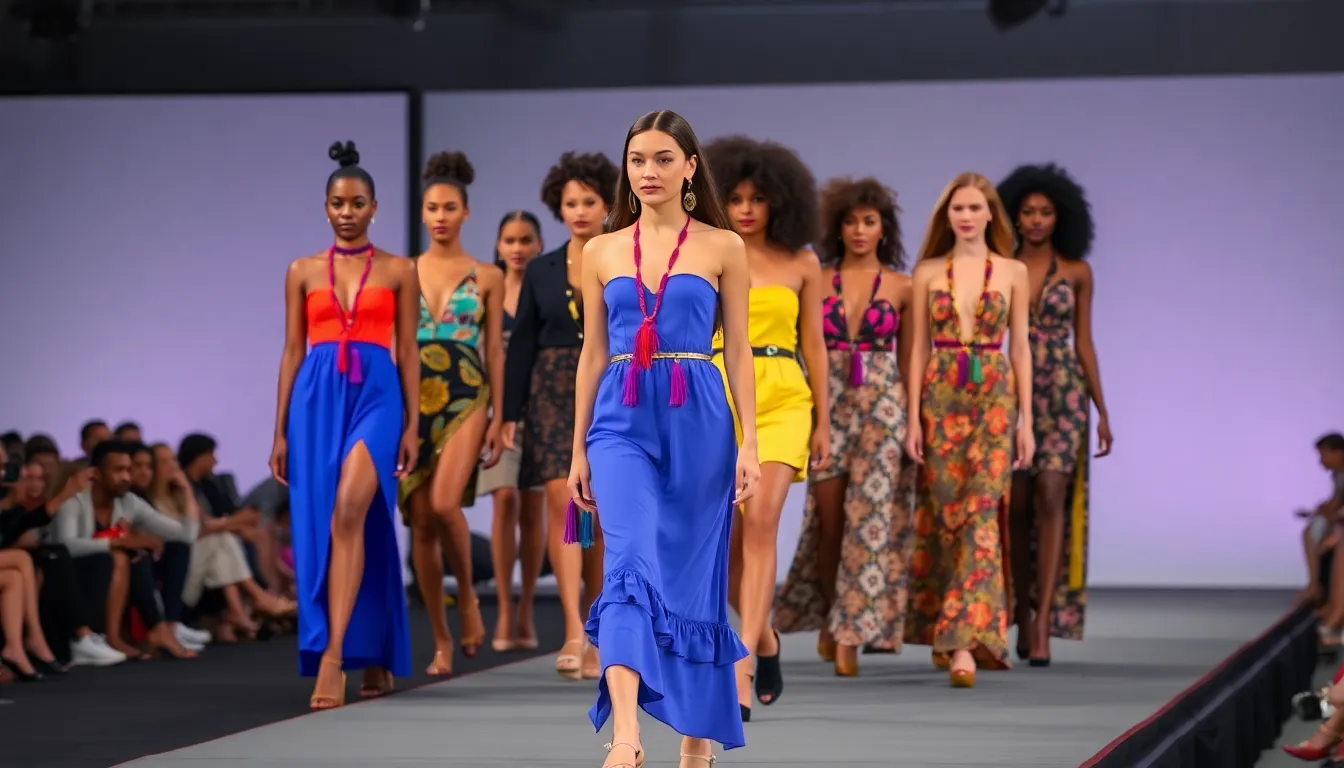
In the 1980s and 1990s, fashion embraced a more expressive and eclectic aesthetic, characterized by bright colours and exaggerated silhouettes. This period marked a shift towards individuality and self-expression, which laid the groundwork for contemporary style trends. The resurgence of these bold elements in the 2020s can be seen as a reaction to the minimalism that dominated the early 2010s, where subdued palettes and understated designs prevailed.
Furthermore, the global pandemic of 2020 significantly altered consumer priorities and values. As people sought comfort and joy in their daily lives, fashion began to reflect a desire for optimism and vibrancy. The rise of ‘loud luxury’ a term describing opulent styles that prioritize eye-catching designs over subtlety can be linked to this shift, with consumers increasingly gravitating towards pieces that make a statement, similar to how trends are evolving in other areas as noted in A Sweeping Look at One Thing That Unites Canada Winter.
The Role of Social Media in Shaping Trends
Social media platforms have also played a crucial role in amplifying emerging trends. Influencers and fashion icons showcasing bold styles have rapidly popularized these looks, making them accessible to a wider audience. The immediacy of social media allows for trends to evolve at an unprecedented pace, creating a culture where bold fashion choices are celebrated and encouraged. This dynamic environment has paved the way for the anticipated trends of 2026, where bold colours and intricate details like tassels are set to dominate the fashion landscape.
Key stakeholders influencing the fashion industry and their impact
The fashion industry is a complex ecosystem influenced by a variety of stakeholders, each with distinct interests and motivations. Designers, brands, consumers, and regulatory bodies all play pivotal roles in shaping style trends, particularly as we look towards 2026, where bold colours, tassels, and loud luxury are expected to dominate.
Designers and fashion houses are at the forefront of trend-setting, often pushing the boundaries of creativity. Their interest lies in establishing a unique identity that resonates with consumers while also responding to market demands. As they experiment with vibrant palettes and extravagant details, they must balance artistic expression with commercial viability.
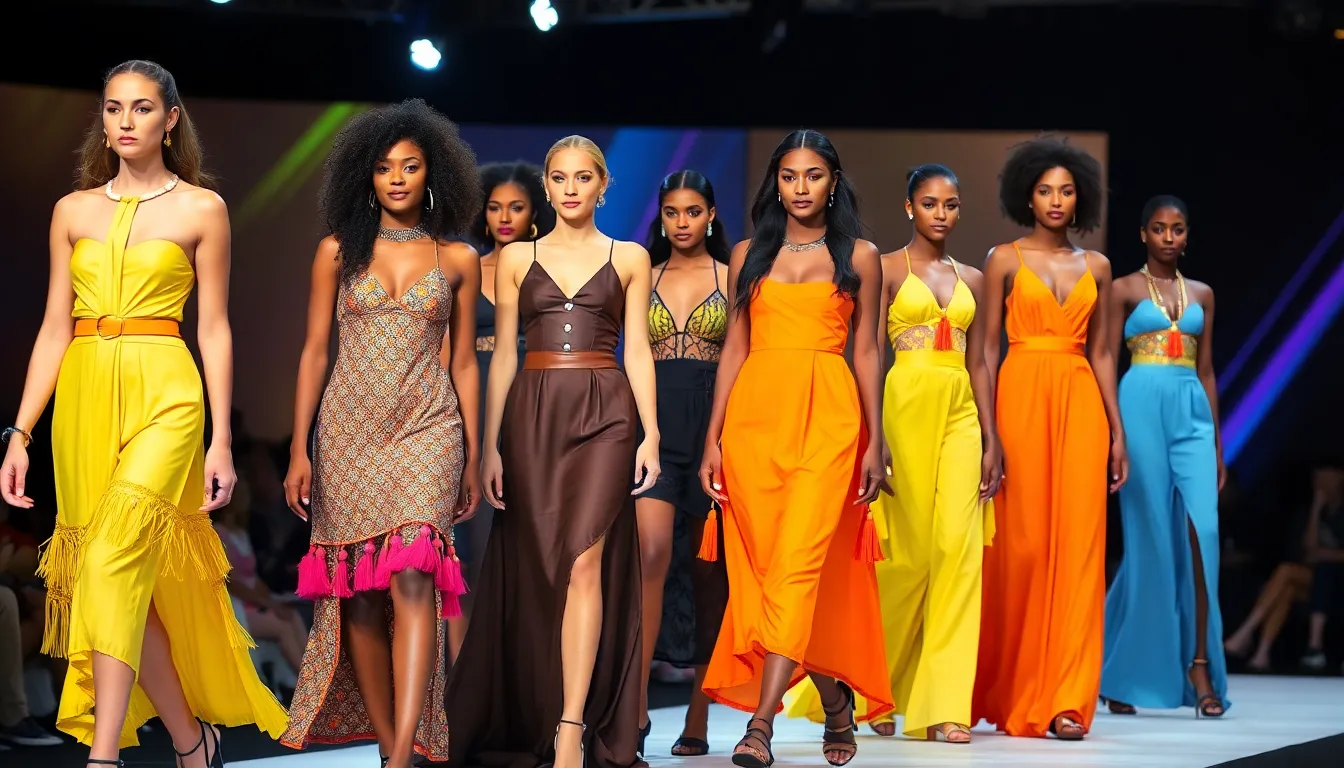
Consumers are increasingly becoming active participants in the fashion narrative. With the rise of social media and digital platforms, they wield significant influence over trends through their preferences and purchasing decisions. This shift has led brands to prioritize engagement and authenticity, often leading to conflicts between traditional marketing strategies and the need for genuine connections with consumers.
- Environmental concerns: As bold styles gain popularity, there is a growing scrutiny on sustainable practices within the industry.
- Economic pressures: The cost of producing high-quality, luxurious items can conflict with the demand for affordability among consumers.
- Regulatory challenges: Governments are increasingly implementing regulations on labor practices and environmental impact, which can affect production methods.
Additionally, organizations advocating for ethical fashion are becoming more prominent, pushing for transparency and sustainability. Their interests often clash with fast fashion brands that prioritize speed and cost over ethical considerations. This tension highlights the need for a balance between innovation and responsibility in the fashion landscape.
How these trends will affect consumers and the fashion market
The upcoming style trends for 2026, characterized by bold colours, tassels, and loud luxury, will significantly impact various groups, including consumers, fashion retailers, and manufacturers. The shift towards vibrant aesthetics will cater to a younger demographic eager for self-expression through fashion, while established brands may need to adapt to maintain their relevance in an evolving market.
In the short term, consumers may experience a surge in options that emphasize individuality and creativity. Retailers will likely respond by expanding their collections to include more statement pieces, which could lead to increased competition among brands. The demand for bold colours and intricate designs may also stimulate local artisans and craftspeople, providing them with new opportunities to showcase their skills.
In the mid-term, the impact on daily life could manifest in the way people approach their wardrobes and personal style. As loud luxury becomes more mainstream, consumers may prioritize unique and eye-catching items over traditional, understated pieces. This shift could influence purchasing habits, leading to a rise in sales for brands that embrace these trends while potentially marginalizing those that do not.
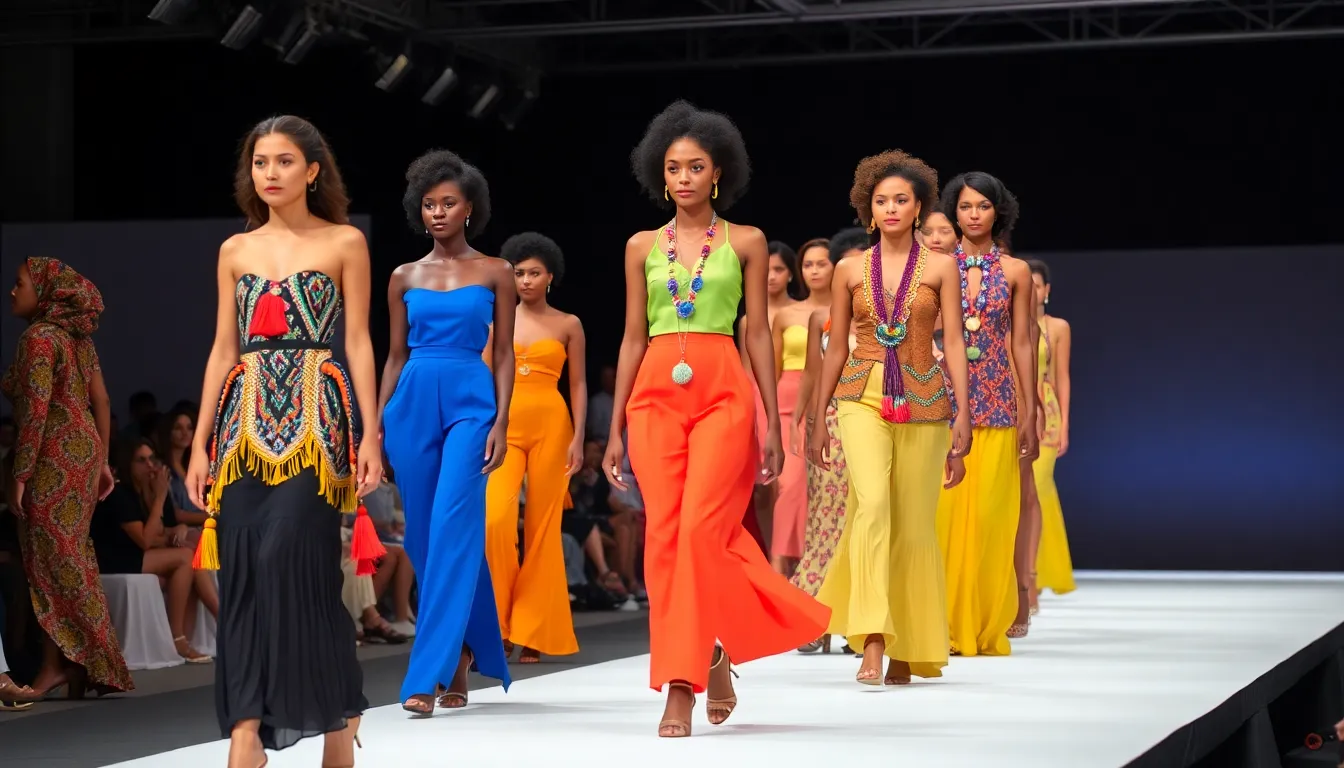
- Opportunities: Increased demand for unique fashion items can boost small businesses and local artisans.
- Risks: Established brands may struggle to adapt, risking loss of market share.
- Consumer Impact: A shift towards bolder fashion choices may enhance self-expression but could also lead to increased pressure to conform to new trends.
Regions with a strong fashion presence, such as Europe and North America, are likely to see the most immediate effects, while emerging markets may gradually adopt these trends as they gain access to global fashion influences. Overall, the interplay between consumer preferences and industry responses will shape the future landscape of fashion in the coming years.
A: Bold and vibrant colours such as electric blue, neon green, and bright orange are anticipated to be prominent in 2026. These colours reflect a shift towards more expressive and eye-catching fashion choices. A: Tassels are expected to make a strong comeback, being used in various forms such as accessories, clothing embellishments, and even footwear. They add a playful and dynamic element to outfits. A: Loud luxury refers to luxury fashion that is overtly extravagant and attention-grabbing, often featuring bold designs, rich textures, and statement pieces that showcase wealth and style. A: Several high-end brands are already embracing these trends, including Gucci, Balenciaga, and Versace. They are known for pushing the boundaries of traditional luxury with bold designs. A: Consumers can start by adding statement pieces like bold-coloured accessories or clothing with tassels. Mixing and matching these elements can create unique and trendy outfits.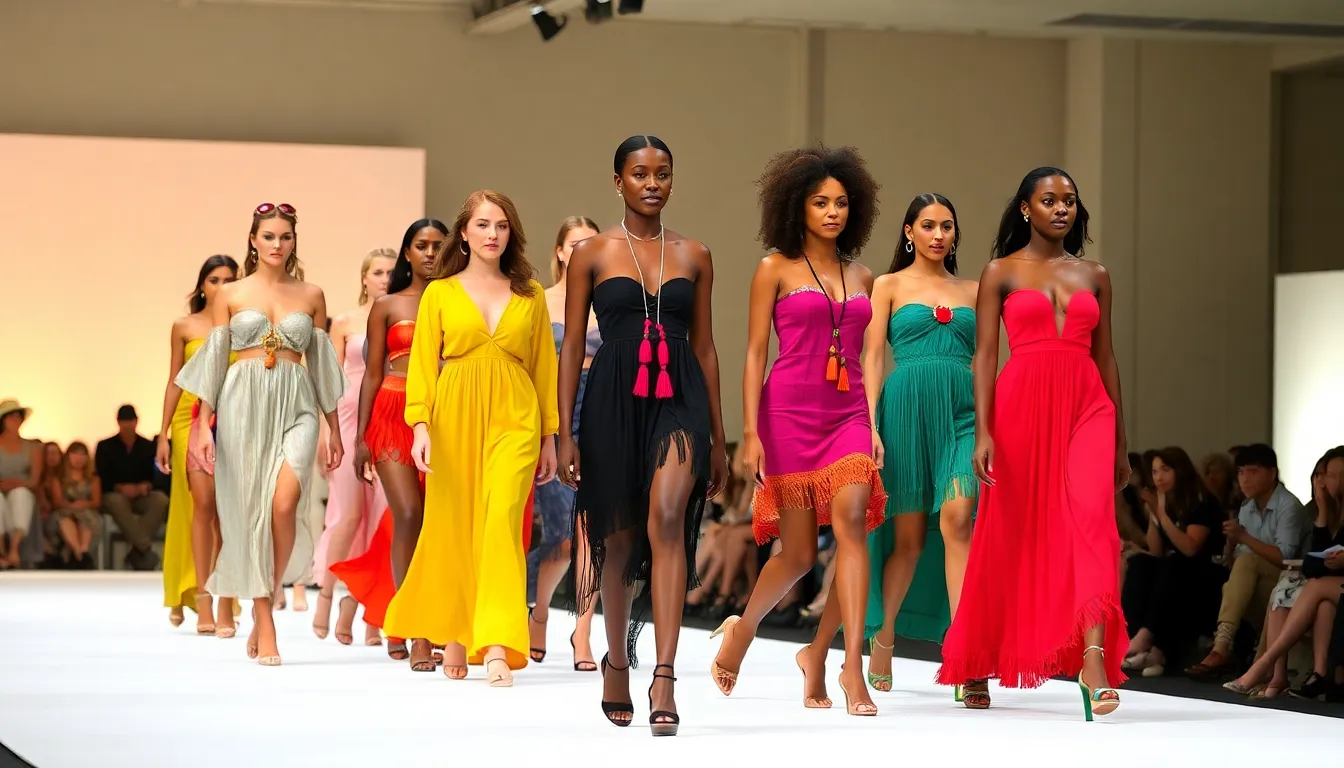
Frequently asked questions about 2026 fashion trends
Insights into the future of fashion trends and consumer preferences
As we look ahead to 2026, the fashion landscape is poised for a vibrant transformation, characterized by bold colours, intricate tassels, and a renewed emphasis on luxury that speaks volumes. These elements reflect not only an aesthetic shift but also a deeper consumer desire for individuality and self-expression. The embrace of loud luxury signifies a move away from minimalism, suggesting that consumers are ready to make bolder statements through their wardrobe choices.
In this evolving environment, brands must remain agile and responsive to these trends, understanding that the future of fashion will be defined by a blend of audacity and artistry. The key will be to balance these striking elements with sustainable practices, ensuring that luxury does not come at the expense of ethical considerations.
- Monitor the rise of bold colour palettes as a reflection of consumer confidence and desire for self-expression.
- Expect an increase in the popularity of accessories featuring tassels and other intricate designs, which add a tactile dimension to outfits.
- Watch for a resurgence of luxury brands that prioritize craftsmanship and storytelling, appealing to consumers seeking authenticity.
- Consider how the integration of technology in fashion will enhance the experience of bold styles, from virtual try-ons to personalized recommendations.
- Stay alert for shifts in consumer values towards sustainability, as the demand for luxurious items that are also ethically produced continues to grow.