


This situation highlights the critical need for support systems for astronauts, who face not only the physical challenges of space travel but also the emotional toll of public scrutiny, similar to the challenges faced by individuals in other high-pressure roles.
Experts argue that the mental well-being of astronauts is as crucial as their physical fitness, especially given the psychological demands of long-duration space missions, reflecting broader trends in mental health awareness across various sectors.
As the conversation around mental health continues to evolve, this incident serves as a reminder of the importance of fostering a supportive environment for professionals in high-stakes roles. The implications of such harassment not only affect individual astronauts but could also impact mission outcomes and the overall perception of the space industry.
Understanding the background of harassment in the space industry
The space industry has long been a frontier not only for technological advancement but also for social dynamics, including issues of harassment and discrimination. Historically, the field has been dominated by a predominantly male workforce, leading to an environment where women and other marginalized groups often face significant challenges. This gender disparity has roots in broader societal norms that have undervalued contributions from diverse voices in STEM (Science, Technology, Engineering, and Mathematics) fields.
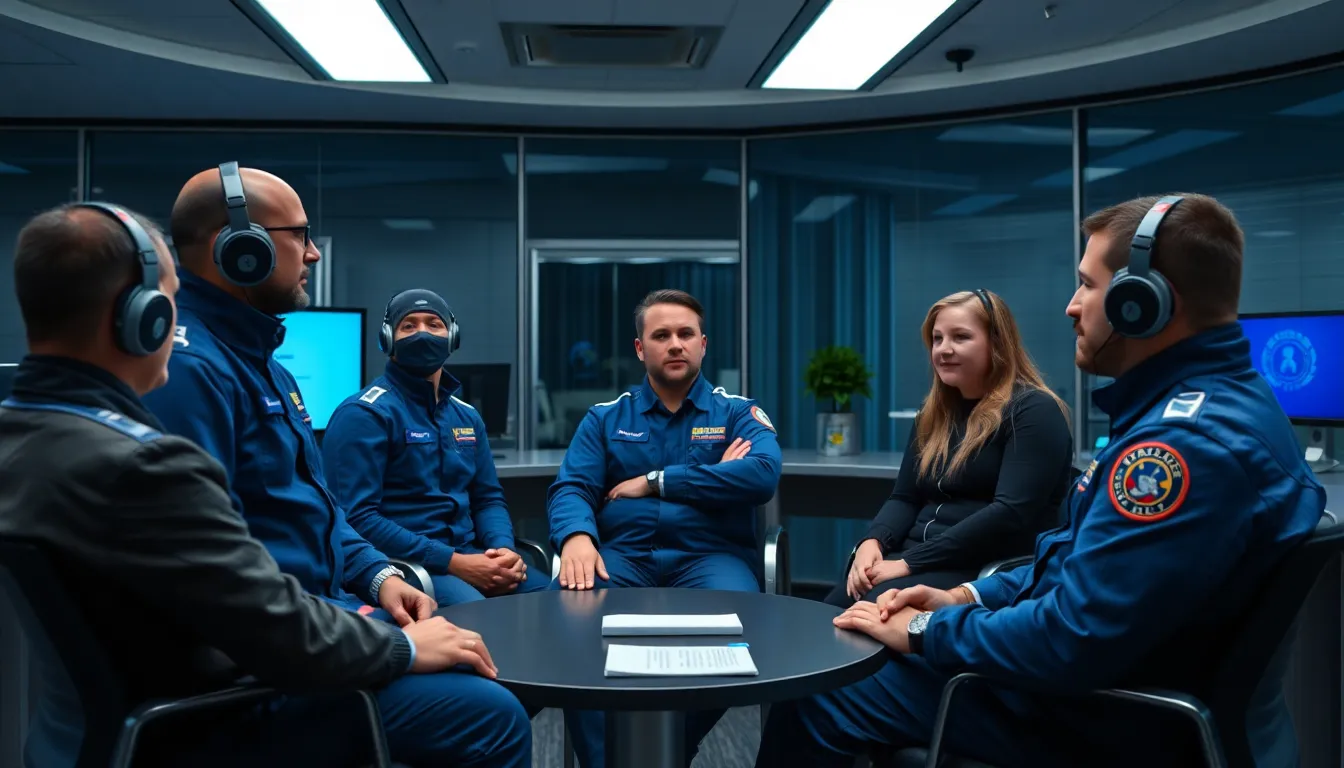
In recent years, the emergence of private space companies, such as Blue Origin and SpaceX, has brought new attention to workplace culture within the industry. The excitement surrounding commercial space exploration has been tempered by reports of toxic work environments, where harassment and discrimination are prevalent. These incidents have sparked conversations about accountability and the need for systemic change within organizations that prioritize innovation and exploration over employee well-being.
Key Milestones in Addressing Harassment
Several key milestones have highlighted the ongoing struggle against harassment in the space industry. For instance, the #MeToo movement, which gained traction in 2017, encouraged individuals to share their experiences of harassment and abuse across various sectors, including aerospace. This movement led to increased scrutiny of workplace practices and prompted some companies to reevaluate their policies regarding harassment and discrimination.
Moreover, high-profile cases of harassment have surfaced within the industry, prompting internal investigations and public outcry. These incidents have not only affected the individuals involved but have also raised questions about the broader culture within the space industry. As more astronauts and employees come forward with their experiences, the urgency for change becomes increasingly apparent, pushing organizations to prioritize a safe and inclusive work environment.
As the conversation around harassment continues to evolve, it is crucial to recognize the historical context that has allowed such issues to persist. The intersection of gender, power dynamics, and workplace culture in the space industry will require ongoing attention and action to ensure a future where all individuals can thrive without fear of harassment or discrimination.
Examining the key issues surrounding harassment and mental health
This situation involves various stakeholders, including the astronaut, Blue Origin, regulatory bodies, and the broader public.
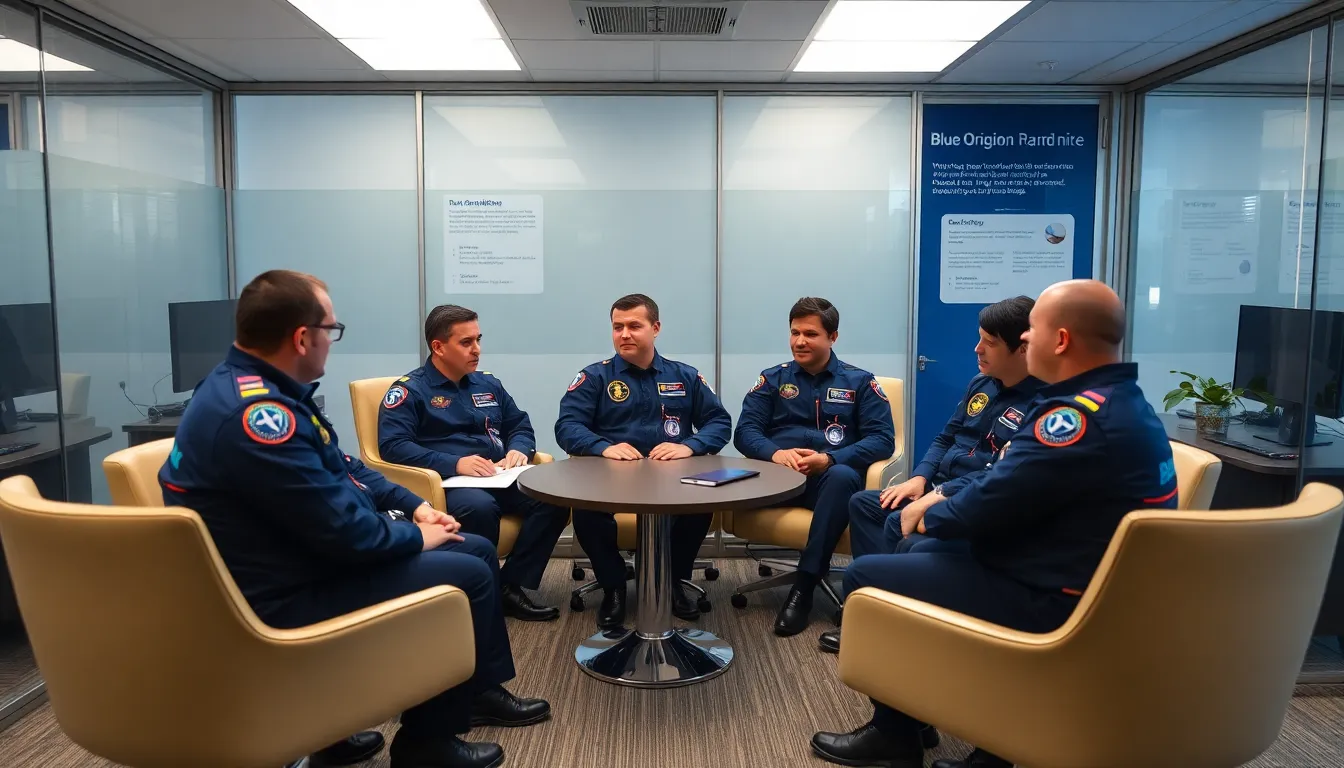
One of the primary actors in this scenario is Blue Origin, which has a vested interest in maintaining its reputation as a leader in the private space industry. The company must address allegations of harassment seriously to protect its brand and ensure a supportive workplace for its employees. Failure to do so could result in legal ramifications and a loss of public trust, impacting its operations and future projects.
The astronaut’s experience sheds light on the mental health challenges faced by individuals in high-pressure roles. This raises questions about the adequacy of mental health resources and support systems within the aerospace sector. As mental health becomes an increasingly prominent issue in workplaces, companies like Blue Origin may face pressure to implement comprehensive mental health programs and policies.
- Harassment and its Impact: The psychological effects of harassment can lead to significant mental health issues, affecting not only the individual but also workplace dynamics and productivity.
- Regulatory Oversight: Government agencies may need to step in to establish clearer guidelines and protections for employees in high-risk industries, ensuring that harassment is addressed effectively.
- Public Perception: How the public perceives the handling of harassment claims can influence consumer trust and investment in space exploration initiatives.
- Legal Implications: Potential lawsuits or legal actions could arise from mishandled harassment cases, leading to financial and reputational consequences for companies.
- Support Systems: The need for robust mental health support systems within organizations is critical to prevent similar issues in the future.
As these issues unfold, it is essential for all stakeholders to engage in constructive dialogue and seek solutions that promote a healthier and more inclusive environment in the aerospace industry and beyond. Understanding the complexities of harassment and its impact on mental health will be key to fostering a culture of respect and support for all individuals involved.
The broader impact on astronauts and the space community
The revelation of depression by a Blue Origin astronaut due to a ‘tsunami of harassment’ highlights significant issues within the space community, affecting not only individual astronauts but also the broader aerospace industry. This situation draws attention to the mental health challenges faced by space professionals, which can lead to a reevaluation of support systems in place for those involved in high-stress environments.
In the short term, the space industry may experience increased scrutiny regarding workplace culture and the treatment of astronauts. Companies like Blue Origin and others in the space sector will likely be prompted to implement more robust mental health resources and anti-harassment policies. This could lead to immediate changes in hiring practices, training programs, and overall workplace environments.
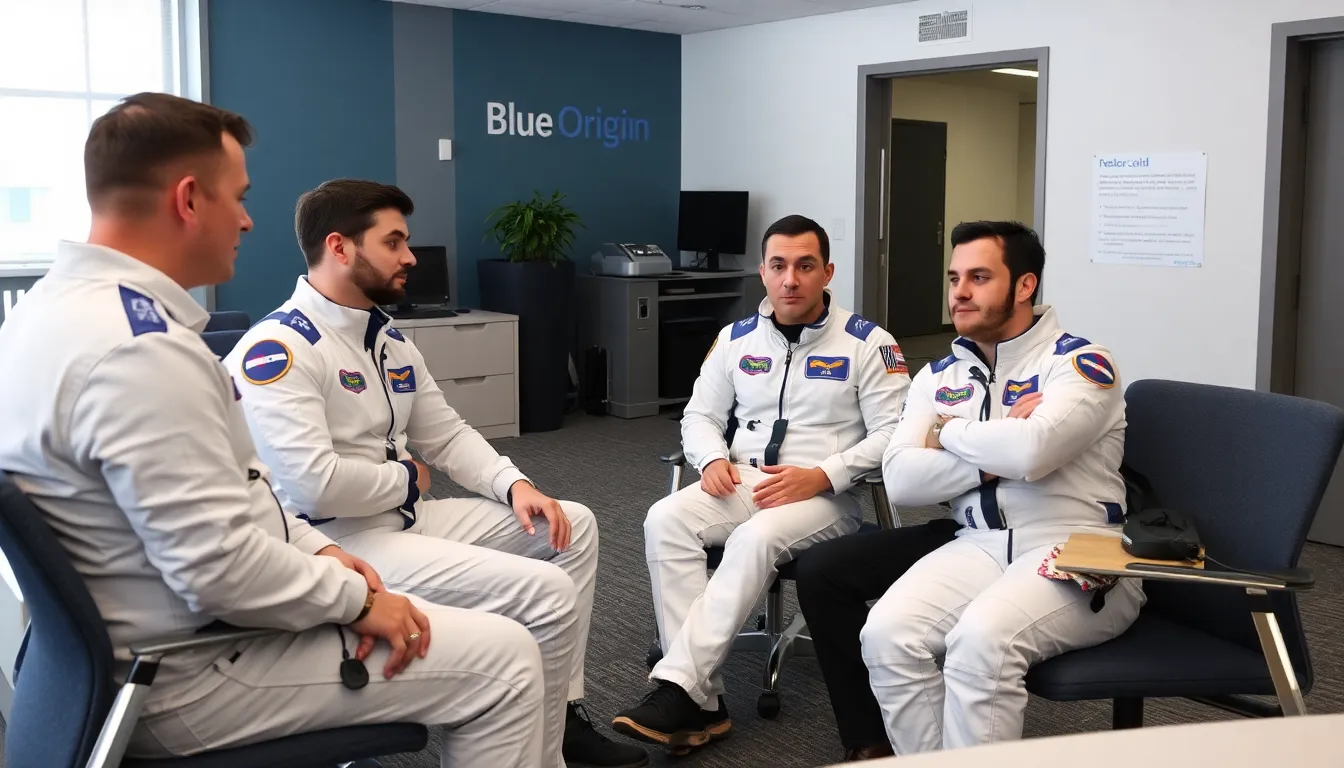
In the mid-term, the impact could extend to public perception and investment in space exploration. As awareness of mental health issues grows, there may be a shift in how the industry is viewed by potential investors and the general public. Companies that prioritize mental well-being may gain a competitive edge, attracting talent and funding, while those that fail to address these concerns could face reputational damage.
- Increased focus on mental health policies in the aerospace sector.
- Potential for improved workplace environments for astronauts and support staff.
- Shifts in public perception regarding space exploration and its challenges.
- Opportunities for companies that prioritize mental health to stand out in the market.
Moreover, the conversation surrounding harassment and mental health in the space community may resonate with other high-pressure industries, such as technology and finance. This could lead to a broader cultural shift in how mental health is addressed across various sectors, potentially fostering a more supportive environment for all professionals.
A: The astronaut faced a series of harassment incidents that created a hostile environment, contributing to their mental health struggles. A: The space industry is increasingly recognizing the importance of mental health and is implementing support systems for astronauts. A: Establishing clear policies, promoting a culture of respect, and providing training can help prevent harassment. A: Yes, many organizations are offering counseling and mental health resources specifically tailored for astronauts. A: Harassment can significantly affect an astronaut’s performance, leading to decreased focus and increased stress.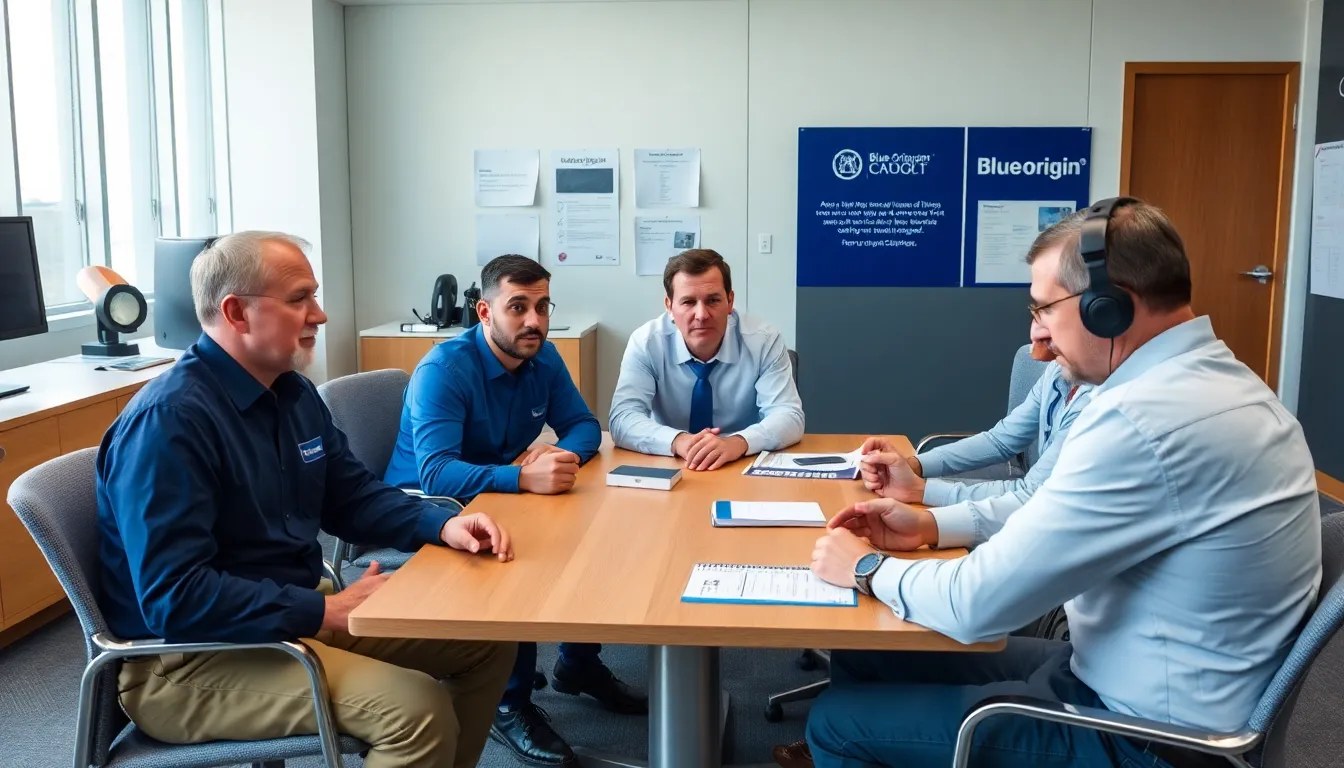
Frequently asked questions about the situation
Key takeaways and future outlook on mental health in space
The recent revelations by a Blue Origin astronaut regarding her struggles with depression highlight the critical need for mental health support in the aerospace industry. As space travel becomes more accessible and frequent, understanding the psychological impacts on astronauts will be essential for ensuring their well-being and performance. The challenges of isolation, high-pressure environments, and public scrutiny can significantly affect mental health, necessitating a proactive approach from space agencies and private companies alike.
Moving forward, it is imperative for the industry to prioritize mental health resources and strategies. This includes fostering open dialogues about mental health, implementing comprehensive support systems, and training for both astronauts and ground personnel. By addressing these issues head-on, the space community can create a healthier and more sustainable environment for those venturing into the final frontier.
- Increased focus on mental health training: Space agencies should incorporate mental health education into astronaut training programs to prepare individuals for the psychological challenges of space travel.
- Development of support networks: Establishing robust support systems, including counseling and peer support groups, can help astronauts cope with stress and mental health issues.
- Encouragement of open conversations: Creating a culture that normalizes discussions about mental health can reduce stigma and encourage individuals to seek help when needed.
- Regular mental health assessments: Implementing routine psychological evaluations can help identify issues early and provide timely interventions.
- Collaboration with mental health professionals: Partnering with experts in psychology and psychiatry can enhance the understanding of mental health needs specific to the space environment.