


Thai officials claim that Cambodian troops have engaged in provocative actions, including artillery fire and troop deployments, which they argue are direct violations of the ceasefire terms. These claims were made public on October 15, 2023, further straining diplomatic relations that were already fragile following recent border disputes.
The Cambodian government has denied these allegations, asserting that their military is acting within its own territory and is committed to the peace agreement. Cambodian officials have called for dialogue to resolve the misunderstandings and reaffirm their commitment to maintaining stability in the region.
The situation is critical as both nations have a history of border conflicts, and any escalation could lead to a wider confrontation. Observers are calling for international mediation to help defuse tensions and uphold the ceasefire, emphasizing the importance of regional stability in Southeast Asia.
Understanding the historical context of Thailand-Cambodia relations
The relationship between Thailand and Cambodia has been historically complex, shaped by a mix of territorial disputes, cultural ties, and political tensions. The two nations share a border that has been a source of contention for decades, particularly over the area surrounding the ancient Preah Vihear Temple. This UNESCO World Heritage site has been at the center of a long-standing dispute, culminating in a ruling by the International Court of Justice in 1962 that awarded the temple to Cambodia, a decision that Thailand has contested.
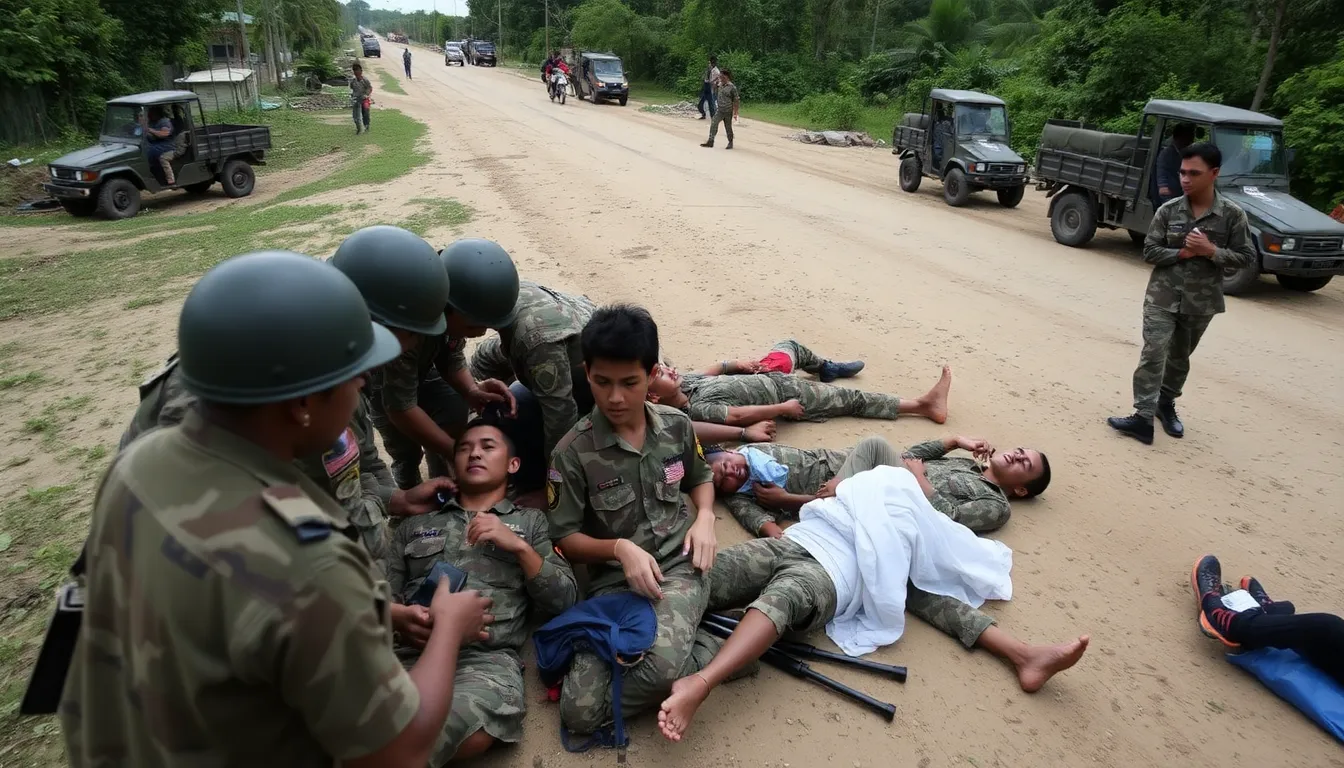
In recent years, the political landscape in both countries has influenced their bilateral relations. Thailand has experienced several political upheavals, including coups and changes in government, which have often led to a more nationalist rhetoric towards neighboring countries. Conversely, Cambodia has seen its own political challenges, including accusations of authoritarianism under Prime Minister Hun Sen. These domestic issues have sometimes been projected onto their foreign relations, exacerbating tensions between the two nations, as noted in recent reports.
Economic Factors and Regional Dynamics
Economically, both Thailand and Cambodia are part of the Association of Southeast Asian Nations (ASEAN), which aims to promote economic cooperation and stability in the region. However, economic disparities have fueled resentment, with Thailand being the more developed of the two. Issues such as trade, labor migration, and investment have created both opportunities for collaboration and sources of friction. The recent ceasefire agreement was seen as an attempt to stabilize relations amidst these economic pressures, but accusations of violations have raised concerns about the sustainability of peace.
Historically, military confrontations have also marked the relationship, including skirmishes along the border in the late 2000s. These events have left lingering distrust and have often been exploited by political leaders to rally domestic support. As both countries navigate their respective political landscapes, the fragility of their ceasefire agreements remains a critical issue, reflecting the broader challenges of maintaining peace in a region with a history of conflict.
In conclusion, the current accusations from Thailand against Cambodia regarding the ceasefire deal are rooted in a long history of territorial disputes, political instability, and economic competition. Understanding this context is essential to grasp the complexities of their ongoing relationship and the potential for future conflict or cooperation.
Key stakeholders and issues surrounding the ceasefire agreement
The recent ceasefire agreement between Thailand and Cambodia has highlighted several key stakeholders and underlying issues that are critical to understanding the dynamics of the region. At the forefront are the governments of Thailand and Cambodia, both of which have vested interests in maintaining territorial integrity and national security. The Thai government, led by Prime Minister Srettha Thavisin, seeks to uphold its claims over disputed areas, while Cambodia, under Prime Minister Hun Sen, aims to assert its sovereignty and protect its borders.
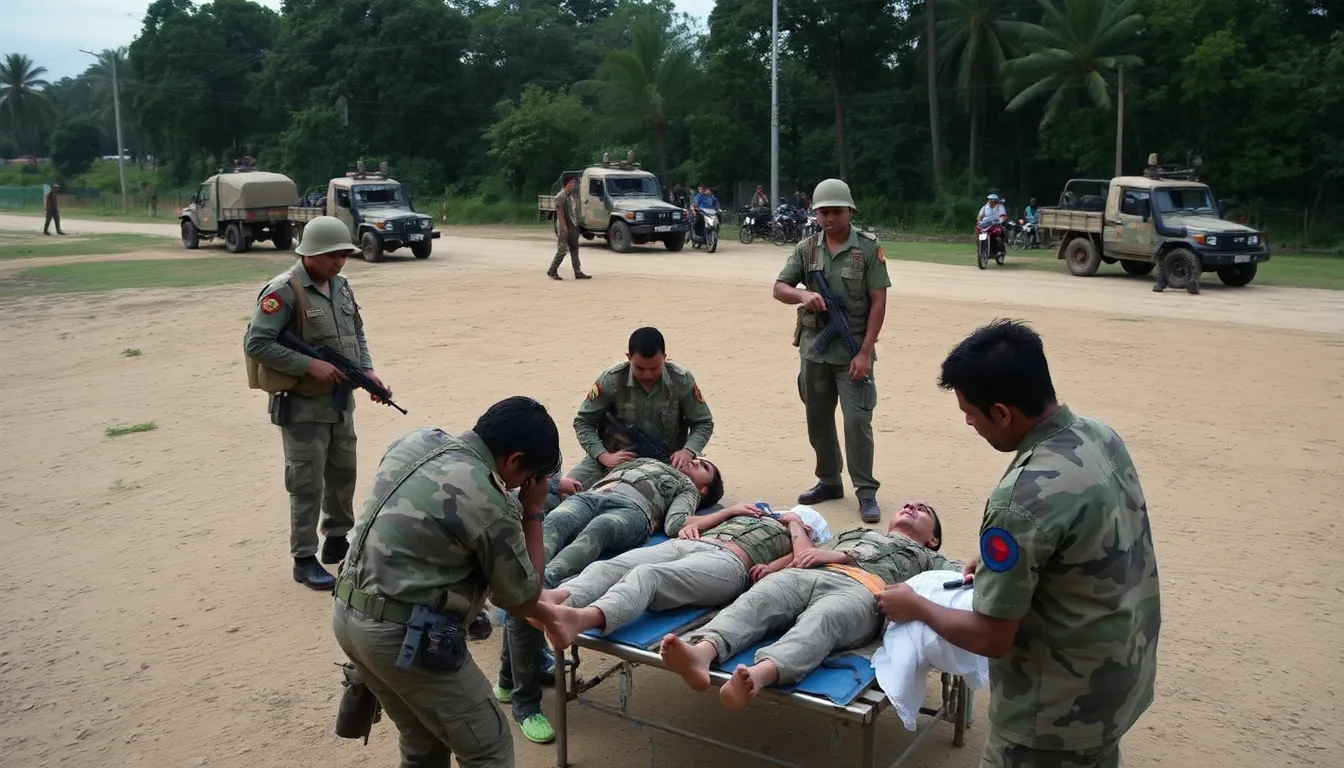
In addition to the national governments, local communities living in the border regions are significant stakeholders. These communities often experience the direct impacts of military tensions and ceasefire agreements, including displacement and economic disruption. Their interests typically revolve around stability, economic opportunity, and access to resources, which can be jeopardized by ongoing conflicts.
Legal and economic issues also play a crucial role in this situation. The ceasefire agreement itself is a legal document that aims to establish boundaries and protocols for military engagement, but its effectiveness depends on the willingness of both parties to adhere to its terms. Economic interests, particularly related to natural resources and trade routes, further complicate the situation. Both nations rely on cross-border trade, and any disruption can have significant economic repercussions.
- Territorial disputes: Ongoing disagreements over land ownership and resource rights continue to fuel tensions between the two countries.
- Military presence: Both nations maintain military forces in disputed areas, which raises the stakes for any potential violations of the ceasefire.
- International observers: The involvement of international organizations could provide oversight but may also introduce external pressures that complicate bilateral relations.
- Public sentiment: Nationalist sentiments within both countries can influence government actions and complicate negotiations.
- Economic dependencies: The need for stable trade relations may encourage both parties to adhere to the ceasefire, despite underlying tensions.
The potential impact on regional stability and local populations
The recent accusations by Thailand against Cambodia regarding the breach of a newly signed ceasefire deal have significant implications for various groups and industries in the region. Both nations share a border that is crucial for trade, tourism, and cultural exchange, making any instability a concern for local populations and businesses alike.
In the short term, the tensions may lead to disruptions in daily life for communities near the border. Local farmers and traders could face challenges in transporting goods, impacting their livelihoods. The tourism sector, which relies heavily on visitors exploring the rich cultural heritage of both countries, might also suffer as travelers become wary of potential conflicts.
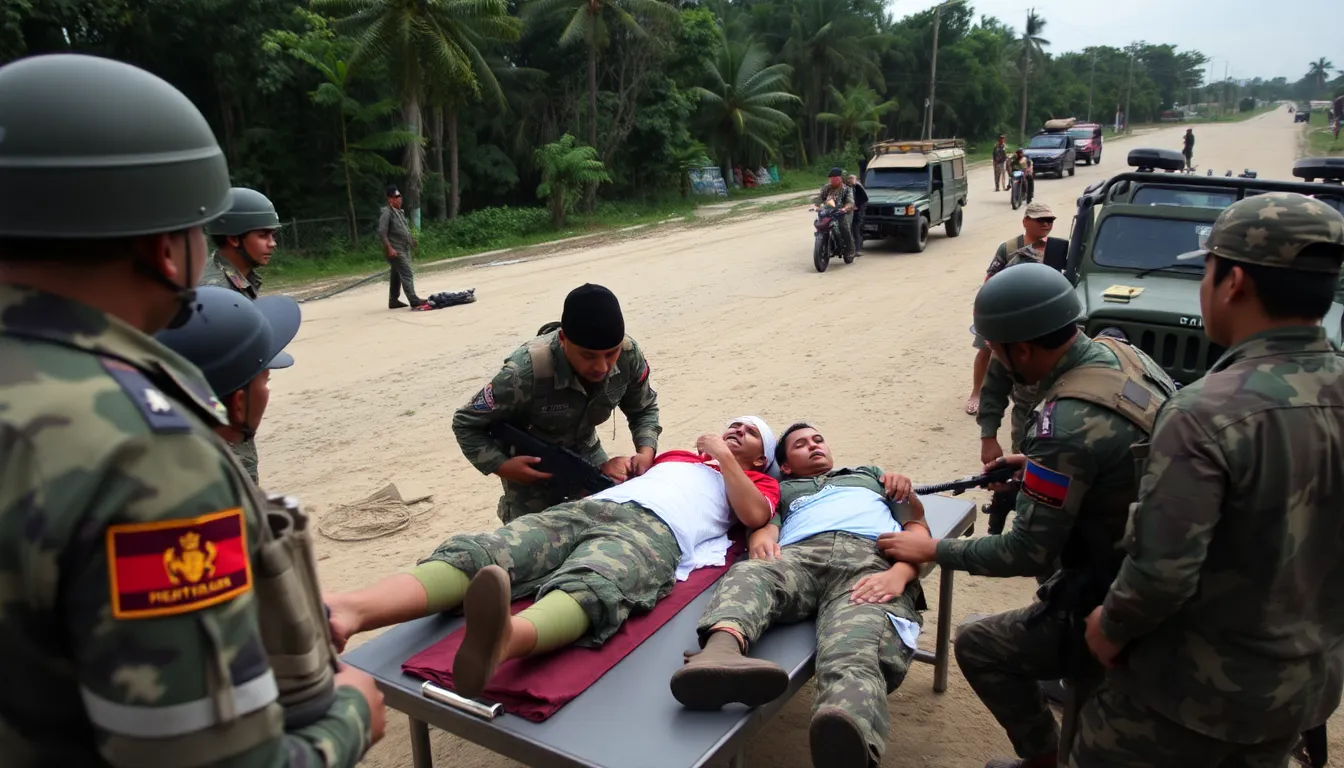
Mid-term effects could manifest in policy changes as both governments might increase military presence along the border, diverting resources from social programs and infrastructure development. This could lead to a heightened sense of insecurity among local populations, affecting their quality of life and economic stability.
However, amidst these risks, there are potential opportunities for dialogue and cooperation. The situation could prompt regional organizations to mediate discussions, fostering a stronger framework for conflict resolution. Additionally, businesses in sectors such as security and conflict resolution services might see an increase in demand as governments seek to address these tensions.
- Local farmers and traders may experience disruptions in their operations.
- The tourism industry could face declines in visitor numbers.
- Increased military presence may shift government focus away from social programs.
- Opportunities for regional dialogue and conflict resolution services may arise.
A: The ceasefire agreement was reached to address ongoing border disputes and military tensions that have historically plagued the two nations. A: Thailand claims that Cambodian forces have engaged in military activities that breach the terms of the ceasefire, although specific incidents have not been detailed. A: Cambodia has denied the allegations, asserting that it is committed to upholding the ceasefire and maintaining peace along the border. A: The accusations may complicate future negotiations, as trust between the two countries could be further eroded, impacting regional diplomacy. A: Yes, there are international observers who have been called upon to monitor the ceasefire and ensure compliance from both sides.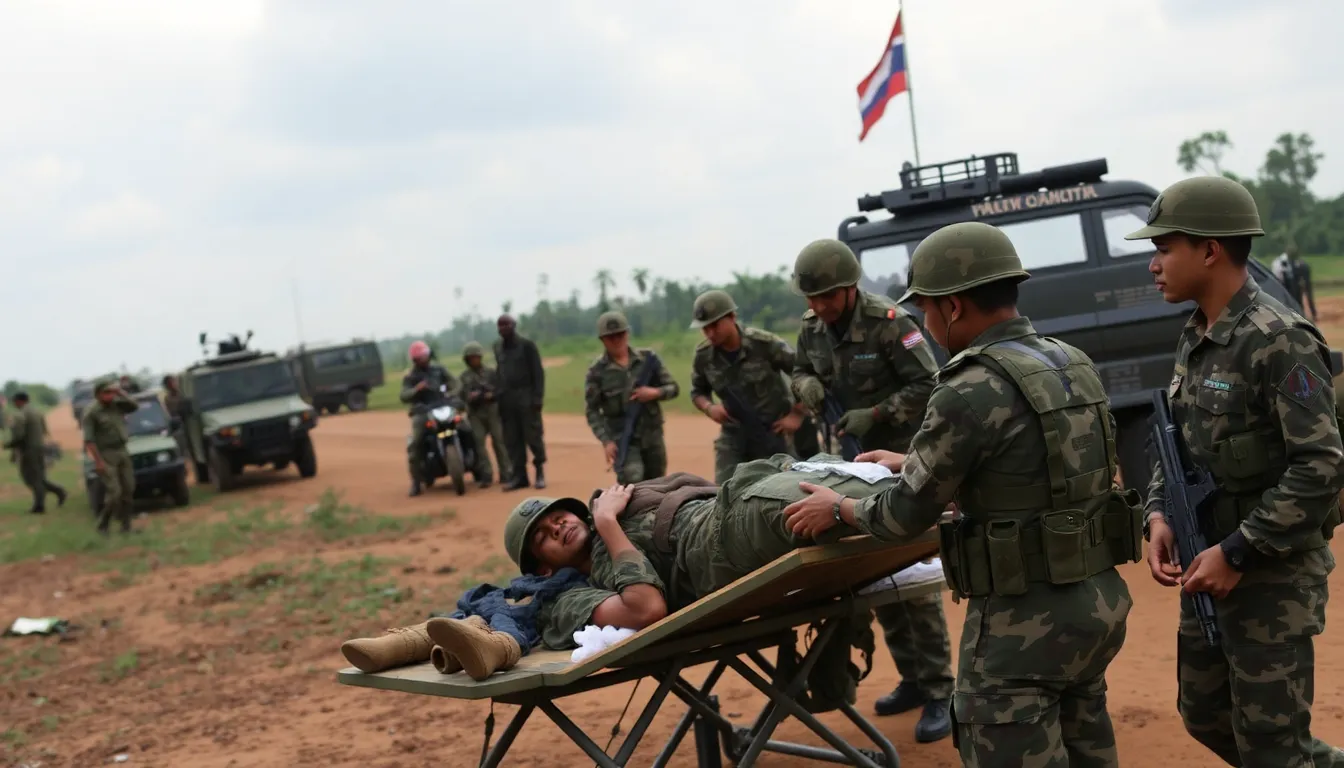
Frequently asked questions about the ceasefire situation
Key points and future outlook on the ceasefire agreement
The recent accusations by Thailand against Cambodia regarding violations of the newly signed ceasefire deal highlight the fragility of peace in the region. Both nations must navigate a complex landscape of diplomatic relations, domestic pressures, and historical grievances. As tensions rise, the implications for regional stability and security become increasingly significant.
Moving forward, it is essential to monitor how both governments respond to these accusations and whether they can maintain dialogue to resolve their differences. The potential for escalation remains, but so does the opportunity for constructive engagement that could lead to a more stable relationship between the two countries.
- Watch for official responses from both governments, which may indicate their willingness to engage in further negotiations.
- Monitor the involvement of regional organizations, such as ASEAN, in mediating the situation.
- Consider the impact of domestic political pressures on both governments’ approaches to the ceasefire agreement.
- Keep an eye on the reactions of local communities affected by the ceasefire, as public sentiment can influence government actions.
- Evaluate the broader implications for regional security dynamics, particularly in relation to other neighboring countries.