


The Saudi military stated that the airstrike was a necessary measure to prevent the Houthis from receiving advanced weaponry that could further destabilize the region. The UAE, which has previously supported various factions in Yemen, has not officially commented on the airstrike but has faced scrutiny regarding its arms supply practices. This incident underscores the ongoing struggle for influence in Yemen, with multiple regional actors vying for control.
Analysts warn that the airstrike could exacerbate the humanitarian crisis in Yemen, where millions are already suffering from famine and lack of medical care. Aid organizations have expressed concerns that escalated military actions could hinder their ability to deliver essential supplies to the civilian population. This latest development raises questions about the future of peace negotiations and the broader implications for security in the Arabian Peninsula.
As the conflict continues, the international community remains watchful, with calls for a ceasefire and renewed diplomatic efforts to resolve the crisis. The situation is further complicated by the intricate relationships between Saudi Arabia, the UAE, and other regional powers, each with their own interests in the outcome of the conflict. The airstrike serves as a stark reminder of the fragile state of affairs in Yemen and the urgent need for a comprehensive resolution.
Understanding the backdrop of the conflict in Yemen
The conflict in Yemen, which escalated dramatically in 2015, has its roots in a complex interplay of political, social, and economic factors. The Arab Spring in 2011 sparked widespread protests against the long-standing regime of President Ali Abdullah Saleh, leading to his eventual ousting. This power vacuum allowed various factions, including the Houthis, a Zaydi Shia group, to gain influence and seize control of significant territories, including the capital, Sana’a, in 2014.
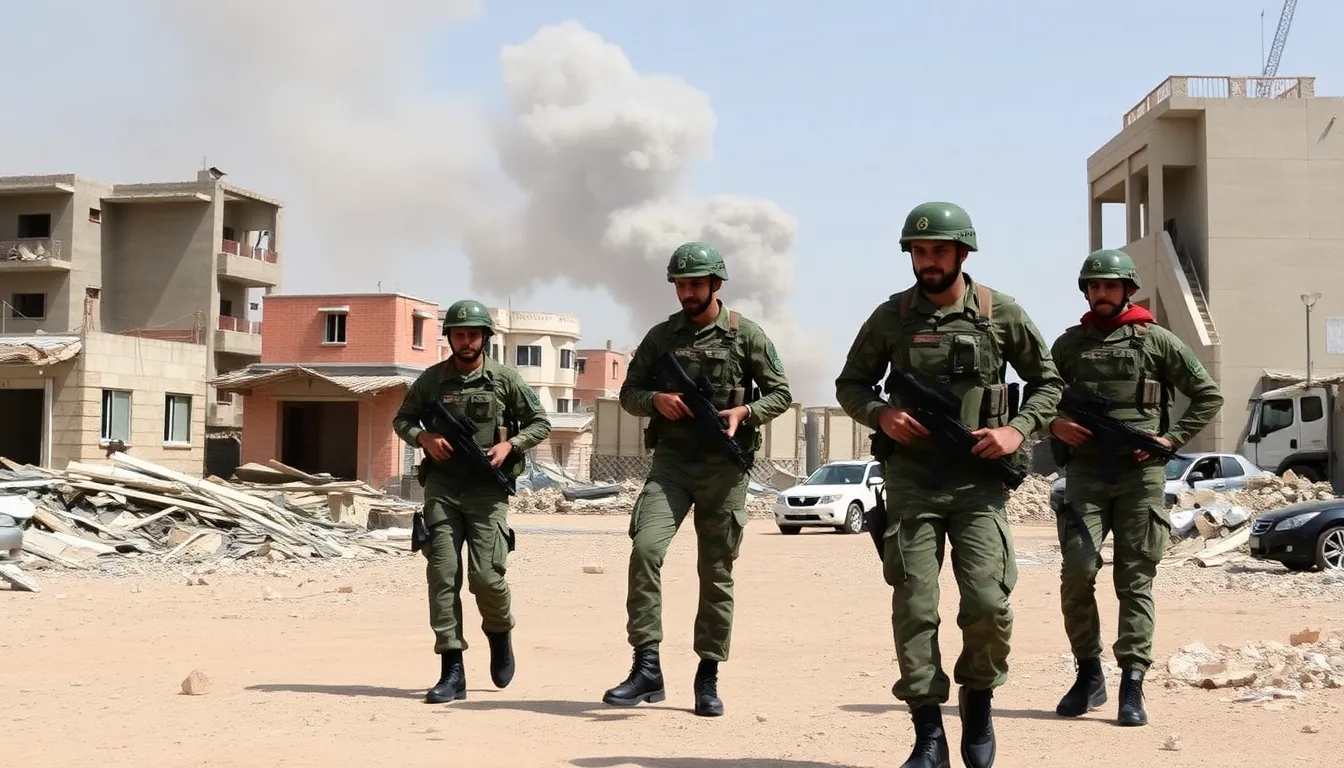
The situation further deteriorated as regional powers, notably Saudi Arabia and the United Arab Emirates (UAE), intervened militarily in 2015, forming a coalition aimed at restoring the internationally recognized government of President Abdrabbuh Mansur Hadi. This intervention was framed as a means to counter Iranian influence in the region, as the Houthis are often perceived to be backed by Tehran, escalating the proxy conflict between Saudi Arabia and Iran.
The Role of Arms and Military Strategy
The ongoing conflict has seen the use of sophisticated weaponry and military strategies, raising concerns about arms proliferation in the region. The recent airstrike by Saudi forces, which targeted what they claim were arms shipments from the UAE to the Houthis, highlights the intricate web of alliances and hostilities that define this war. The UAE, while part of the Saudi-led coalition, has also pursued its own interests in Yemen, supporting various factions, which has led to tensions within the coalition itself.
Economically, Yemen has been devastated by the conflict, with millions facing famine and a humanitarian crisis exacerbated by blockades and airstrikes. The country, already one of the poorest in the Arab world, has seen its infrastructure crumble, and the ongoing violence continues to thwart any attempts at peace negotiations. The geopolitical stakes are high, as control over Yemen’s strategic location along the Red Sea is vital for both regional and international maritime trade.
As the conflict drags on, the complexities of foreign involvement, local grievances, and the struggle for power make it increasingly difficult to envision a resolution. The airstrike incident not only underscores the fragility of alliances but also raises critical questions about the future of Yemen and the broader implications for regional stability.
Examining the implications for Saudi-U.A.E. relations
The recent airstrike in Yemen, claimed by Saudi forces to target arms allegedly supplied by the United Arab Emirates (U.A.E.), underscores the complex dynamics within the Gulf Cooperation Council (GCC). This incident highlights the shifting allegiances and interests among key regional players, particularly in the context of the ongoing conflict in Yemen.
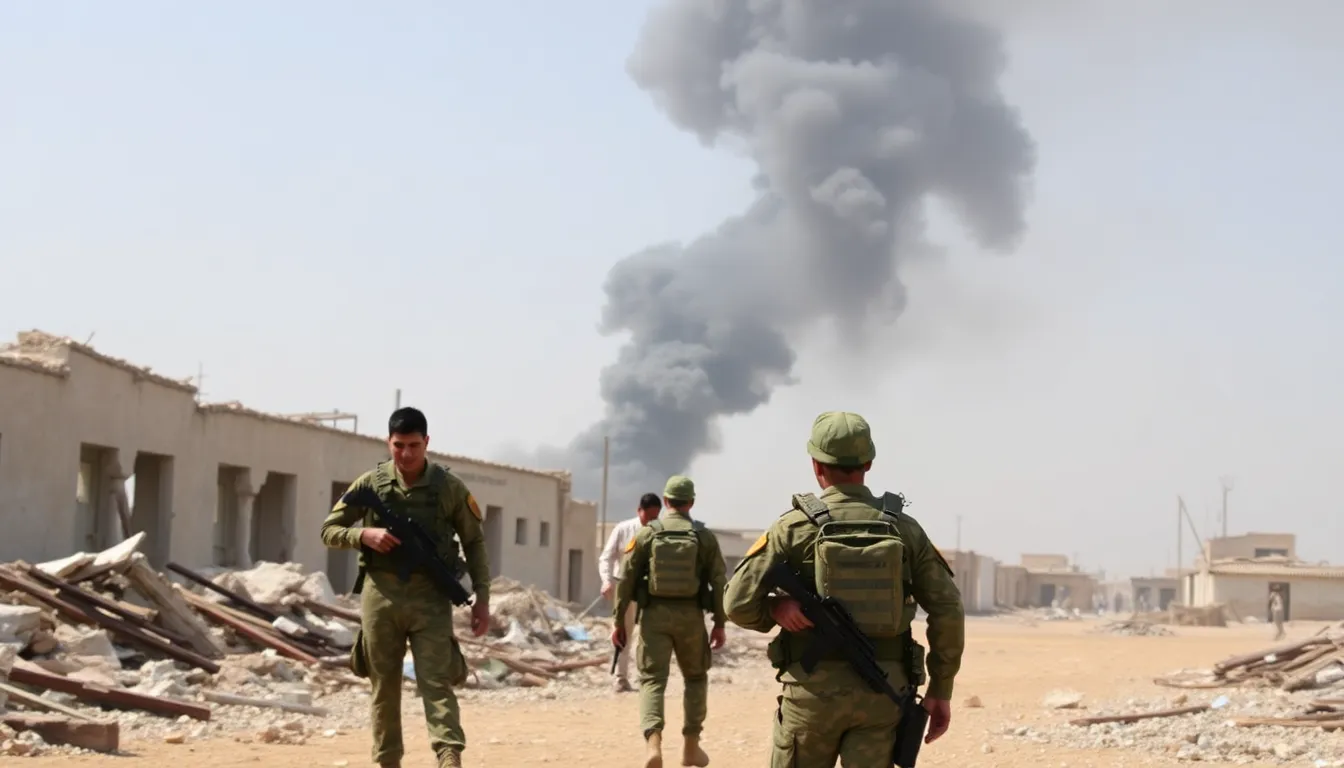
Saudi Arabia and the U.A.E. have historically collaborated in their military efforts against Houthi forces in Yemen. However, the accusation of arms transfer from the U.A.E. raises questions about trust and cooperation between these two nations. Each country has distinct strategic interests; Saudi Arabia aims to secure its southern border and maintain regional hegemony, while the U.A.E. seeks to expand its influence and economic ties in the region.
Key issues arising from this incident include:
- Military Strategy: The airstrike reflects a possible shift in military strategy, indicating a more aggressive stance from Saudi Arabia against perceived threats from its allies.
- Diplomatic Relations: Tensions may escalate, potentially leading to a rift in diplomatic relations that could affect broader GCC unity.
- Legal Ramifications: The legality of the airstrike and the implications under international law, particularly concerning sovereignty and the rules of engagement in conflict zones, are critical issues.
- Economic Impact: Any deterioration in relations could impact trade and economic partnerships, particularly in the defense sector.
- Public Perception: The narrative surrounding these events may influence public opinion within both countries, affecting domestic stability and governance.
As the situation evolves, the need for careful diplomatic engagement will be crucial to mitigate further escalation and to address the underlying issues that have led to this confrontation. Both nations must navigate their complex relationship while balancing their respective national interests and regional security concerns.
The potential effects on the Yemeni population and regional stability
The recent airstrike by Saudi forces in Yemen, reportedly targeting arms supplied by the U.A.E., has significant implications for various groups and industries in the region. The Yemeni population, already suffering from years of conflict, faces immediate risks to their safety and well-being. Civilian casualties and damage to infrastructure can exacerbate the humanitarian crisis, leading to increased displacement and suffering among the populace.
In the short term, businesses in Yemen may experience disruptions due to heightened military activity and instability. Local markets could see a decline in consumer confidence, leading to reduced economic activity. Additionally, humanitarian organizations may struggle to deliver aid effectively, as access to affected areas becomes more challenging amid ongoing hostilities.
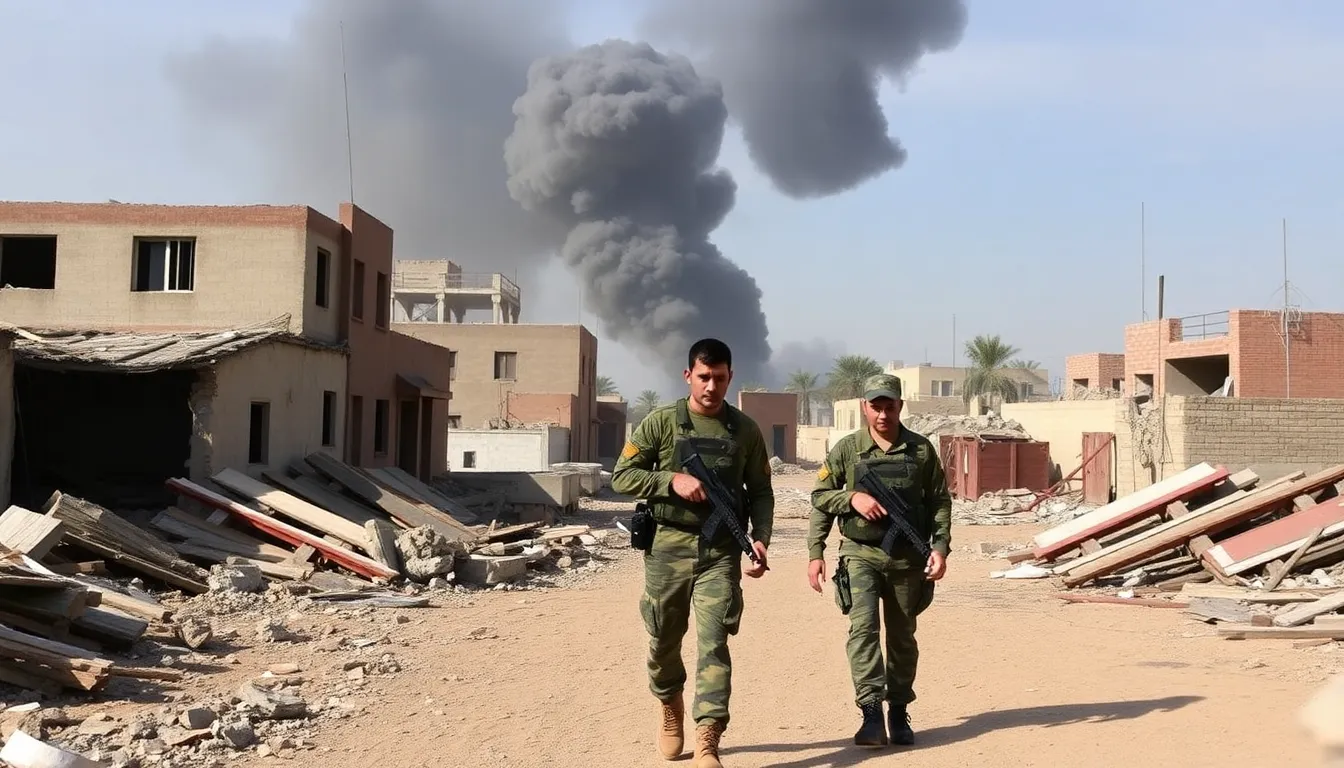
In the mid-term, the airstrike could shift the balance of power in the region, potentially leading to a realignment of alliances. This may result in increased tensions between Saudi Arabia and the U.A.E., affecting trade relations and regional cooperation efforts. The ongoing conflict could also attract more foreign intervention, further complicating the political landscape.
- Humanitarian Impact: Increased civilian casualties and displacement.
- Economic Disruption: Local businesses facing challenges and reduced activity.
- Political Realignment: Potential shifts in alliances and foreign intervention.
- Humanitarian Aid Access: Difficulties in delivering essential services.
Despite these risks, there may be potential opportunities for diplomatic engagement as the situation evolves. Increased international attention could lead to renewed efforts for peace talks, offering a chance for stability and rebuilding. Moreover, if the conflict prompts a reevaluation of arms supplies and military strategies, it could pave the way for a more sustainable resolution to the ongoing crisis.
A: The airstrike aimed to target arms allegedly supplied by the U.A.E. to Houthi rebels in Yemen, highlighting ongoing tensions between Saudi Arabia and its regional partners. A: The international community has expressed concern over the escalation of violence and the humanitarian impact on civilians caught in the conflict. A: This incident may strain relations between Saudi Arabia and the U.A.E., as it raises questions about cooperation and trust in their joint efforts in Yemen. A: The airstrike could exacerbate the humanitarian crisis in Yemen, where civilians are already suffering from food shortages and ongoing violence. A: The Houthi rebels may retaliate, leading to further escalation in the conflict and potentially more airstrikes from Saudi forces.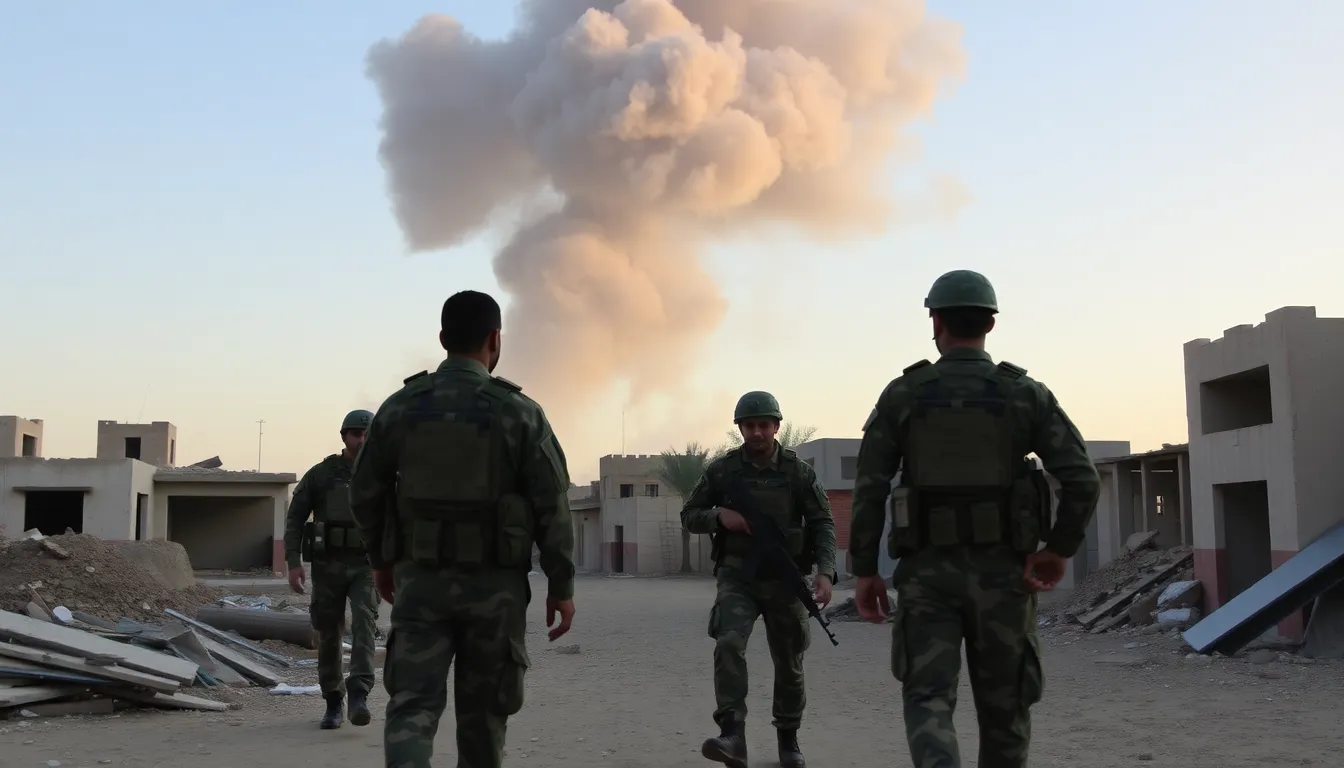
Frequently asked questions about the airstrike
Key takeaways and future outlook on the conflict
The recent Saudi airstrike in Yemen, which targeted arms allegedly supplied by the United Arab Emirates, underscores the complex dynamics of the ongoing conflict in the region. This incident not only highlights the tensions between Saudi Arabia and the U.A.E. but also raises questions about the stability of alliances within the broader coalition fighting against Houthi forces. The implications of this airstrike could influence future military strategies and diplomatic relations among Gulf states.
As the situation evolves, it is crucial to monitor how this incident may affect the humanitarian situation in Yemen, the response from the U.A.E., and the potential for further escalations in military actions. The interplay of regional power struggles will likely continue to shape the conflict’s trajectory.
- Watch for potential retaliatory actions from the U.A.E. and how they may affect coalition dynamics.
- Consider the impact on humanitarian efforts in Yemen, as military actions may complicate aid delivery.
- Analyze shifts in military strategies from both Saudi Arabia and the U.A.E. following this incident.
- Observe international reactions, particularly from Western allies, regarding arms supplies and military support.
- Stay informed on the evolving relationships among Gulf states, as this may influence future negotiations and peace efforts.