


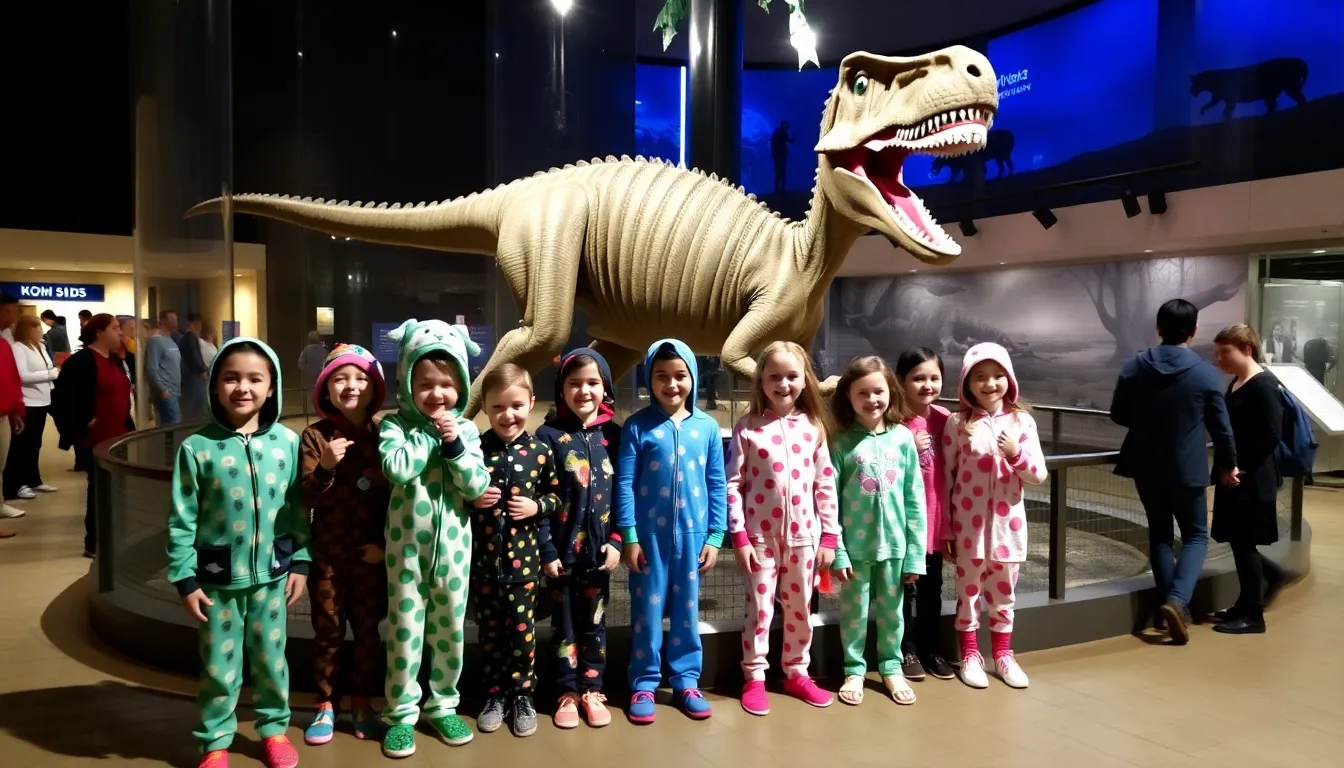
Attendees are encouraged to wear pajamas, creating a relaxed atmosphere that contrasts with the traditional museum experience. This playful approach aims to foster a sense of community and encourage families to explore exhibits in a fun and informal setting, similar to activities that unite families.
Among the highlights of these nighttime events are interactive displays featuring dinosaurs, which have consistently captivated audiences of all ages. By incorporating hands-on activities, storytelling sessions, and guided tours, museums are not only enhancing visitor engagement but also promoting educational opportunities, much like immersive experiences.
As these events continue to gain traction, museum officials report increased attendance and positive feedback from participants. The combination of unique themes, family-friendly activities, and extended hours is proving effective in attracting new visitors and revitalizing interest in local cultural institutions. This trend signals a potential shift in how museums operate, prioritizing visitor experience alongside traditional educational missions.
The Concept of Overnight Museum Experiences
The idea of spending a night in a museum is not entirely new, but it has gained significant traction in recent years. These unique experiences allow visitors, especially families and children, to explore exhibits after hours, often accompanied by special programs, guided tours, and themed activities. The concept taps into a growing trend of immersive and experiential learning, which has become increasingly popular in educational and entertainment sectors alike.
Historically, museums have served as institutions for preserving and showcasing cultural, historical, and scientific artifacts. However, as competition for public attention has intensified, many museums have sought innovative ways to engage audiences. The introduction of overnight experiences aligns with a broader shift towards interactive and participatory learning, as seen in the rise of escape rooms and interactive science centers. This shift reflects a societal desire for more engaging educational opportunities that go beyond traditional classroom settings.
Key Milestones in Museum Engagement
The evolution of overnight museum experiences can be traced back to several key milestones. In the early 2000s, the American Museum of Natural History in New York City began offering sleepovers, which quickly became a hit. This initiative was followed by many other institutions across the country, each adding their unique twist to the concept, reminiscent of innovative entertainment experiences.
In addition to fostering educational engagement, these overnight events have proven economically beneficial for museums. By diversifying their offerings, institutions can attract new visitors and generate additional revenue streams. The success of such programs has encouraged museums to innovate continually, creating themed experiences that resonate with current societal interests, such as sustainability and technology.
As museums continue to navigate the challenges posed by the digital age and changing public expectations, the integration of overnight experiences represents a strategic response to these dynamics. By providing unique, memorable experiences, museums not only enhance their relevance but also cultivate a new generation of museum-goers who appreciate the value of cultural institutions in a rapidly evolving world.
Key Stakeholders in the Night at the Museum Events
The “Night at the Museum” events, particularly the themed pajama nights featuring dinosaurs, attract a diverse group of stakeholders, each with unique interests and concerns. These stakeholders include museum administrators, local governments, families, and educational organizations, all of whom play a role in shaping the event’s success and impact.
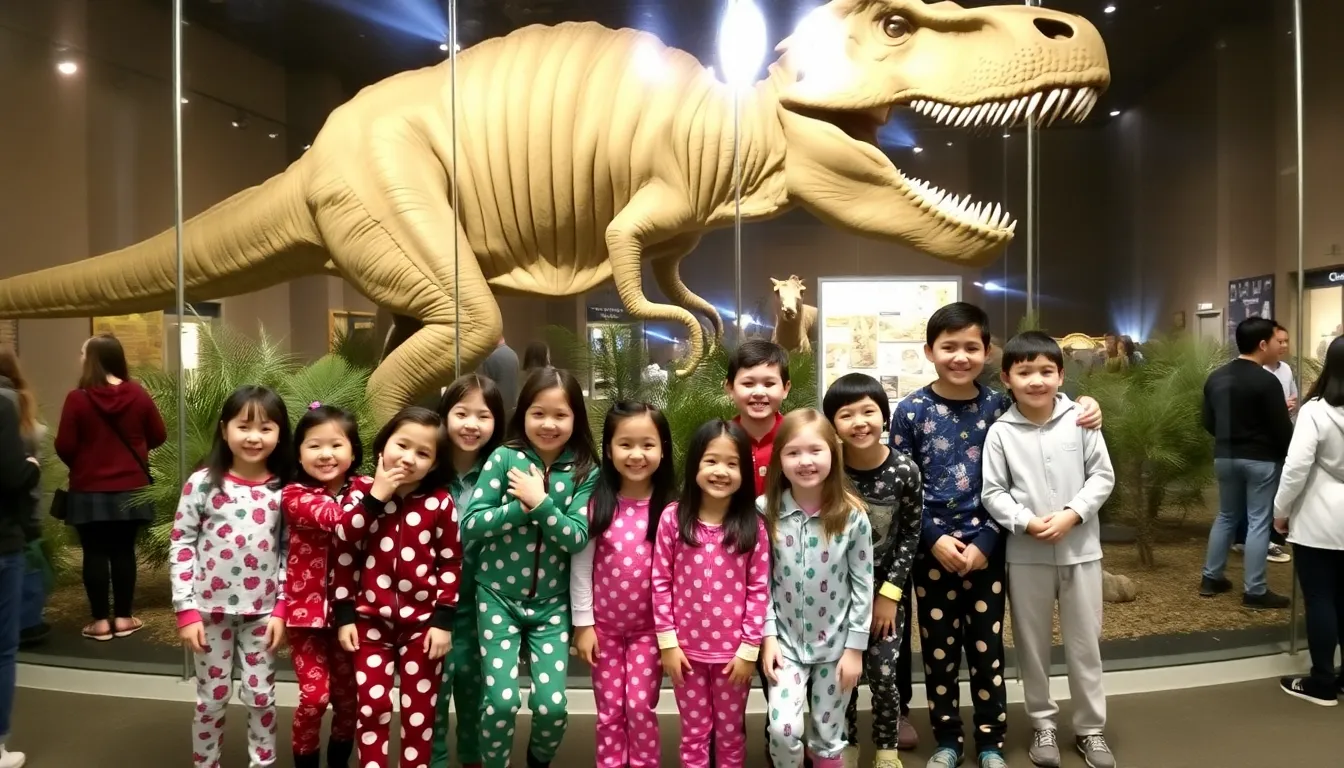
Museum administrators are primarily interested in increasing visitor engagement and generating revenue through ticket sales. The pajama-themed events appeal to families, providing a unique experience that combines education with entertainment. This initiative not only enhances the museum’s reputation but also encourages repeat visits, essential for long-term sustainability.
Local governments are stakeholders as well, as these events can boost tourism and stimulate the local economy. However, they must also consider logistical issues such as traffic management, public safety, and potential noise complaints from nearby residents. Balancing these interests can lead to conflicts, particularly if the events disrupt the community.
Families attending the event have a vested interest in ensuring a safe and enjoyable experience for their children. They may also have concerns regarding the cost of attendance, accessibility, and the educational value of the exhibits. Addressing these issues is crucial for the museum to maintain its family-friendly image and foster community support.
- Economic Impact: Increased revenue for museums and local businesses through tourism.
- Community Concerns: Potential disruptions to local neighborhoods and public safety issues.
- Educational Value: The importance of providing a meaningful learning experience for children.
- Accessibility: Ensuring that all families can participate in the events regardless of socio-economic status.
- Stakeholder Collaboration: The need for effective communication between stakeholders to mitigate conflicts.
How Pajamas and Dinosaurs Affect Visitor Engagement
The unique theme of ‘For a Night at the Museum, Pajamas and Dinosaurs’ is poised to impact various groups, including families, educational institutions, and the tourism industry. Families with children are likely to be the primary audience, as the event offers a fun and engaging way to experience museum exhibits. Educational institutions may also benefit by incorporating this event into their curriculum, promoting a love for science and history among students.
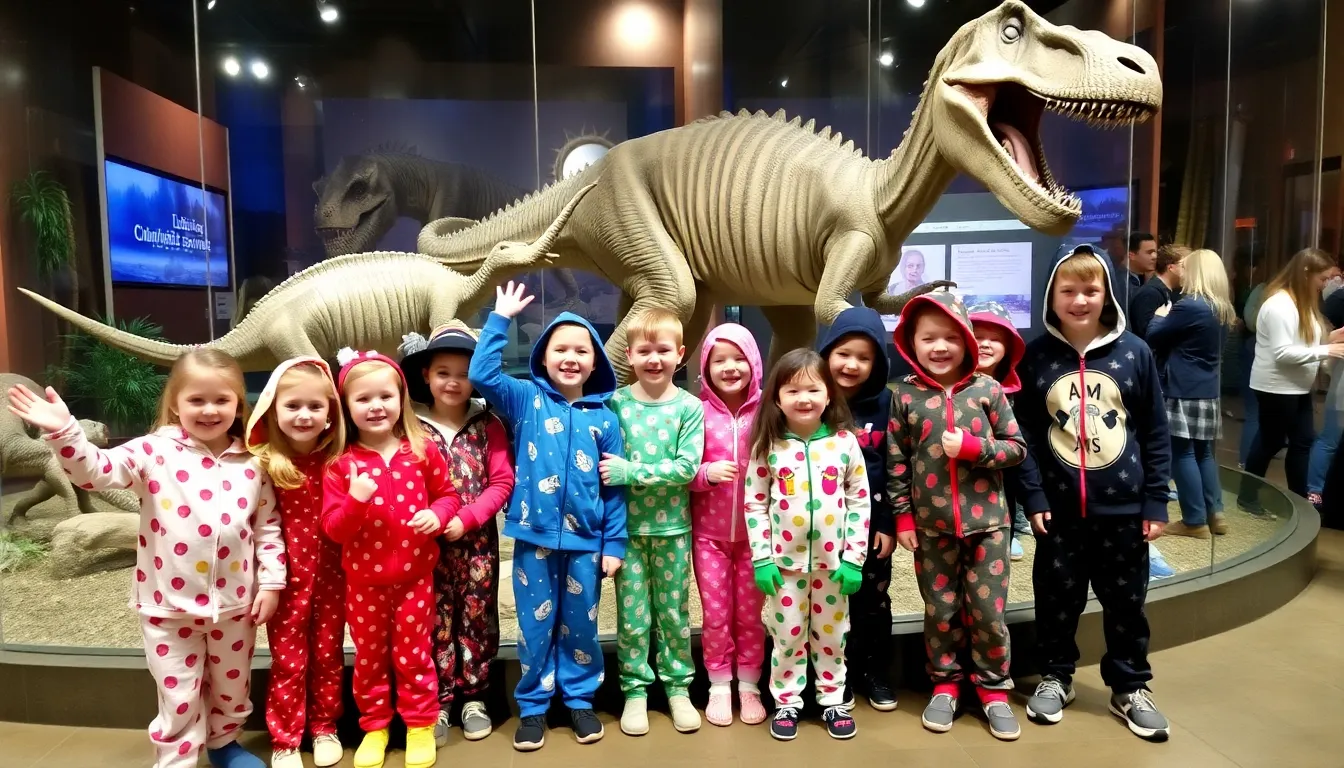
In the short term, local businesses, particularly those in the hospitality and retail sectors, may see an uptick in sales as families seek accommodation and souvenirs related to the event. Restaurants could experience increased foot traffic as visitors dine before or after their museum experience. Conversely, there are risks associated with potential overcrowding, which could lead to logistical challenges and diminished visitor satisfaction.
In the mid-term, the event could influence policies related to cultural programming and funding for museums. If the event proves successful, it may encourage similar initiatives that blend education with entertainment, leading to a shift in how museums engage with the public. This could result in more diverse programming that attracts a wider audience.
- Increased family engagement with educational content.
- Boost to local businesses during the event period.
- Potential for overcrowding and logistical challenges.
- Influence on future cultural programming and funding policies.
- Opportunities for museums to innovate in visitor experiences.
Moreover, the event presents an opportunity for museums to strengthen partnerships with local schools and community organizations. By collaborating on educational outreach, museums can enhance their role in the community, fostering a culture of learning that extends beyond the event itself. This collaboration could lead to long-lasting relationships that benefit both the museum and the educational institutions involved.
A: It is recommended to bring pajamas, a sleeping bag, and any personal items you might need overnight. Some museums may also suggest snacks or drinks. A: Generally, these events are designed for families, so children of all ages can participate. However, some museums may have specific age guidelines. A: Activities often include guided tours, interactive exhibits, storytelling sessions, and sometimes even movie screenings related to dinosaurs. A: Many museums offer snacks or meals as part of the package, but it’s best to check with the specific museum for their offerings. A: Registration typically occurs through the museum’s website. It’s advisable to book early as these events can fill up quickly.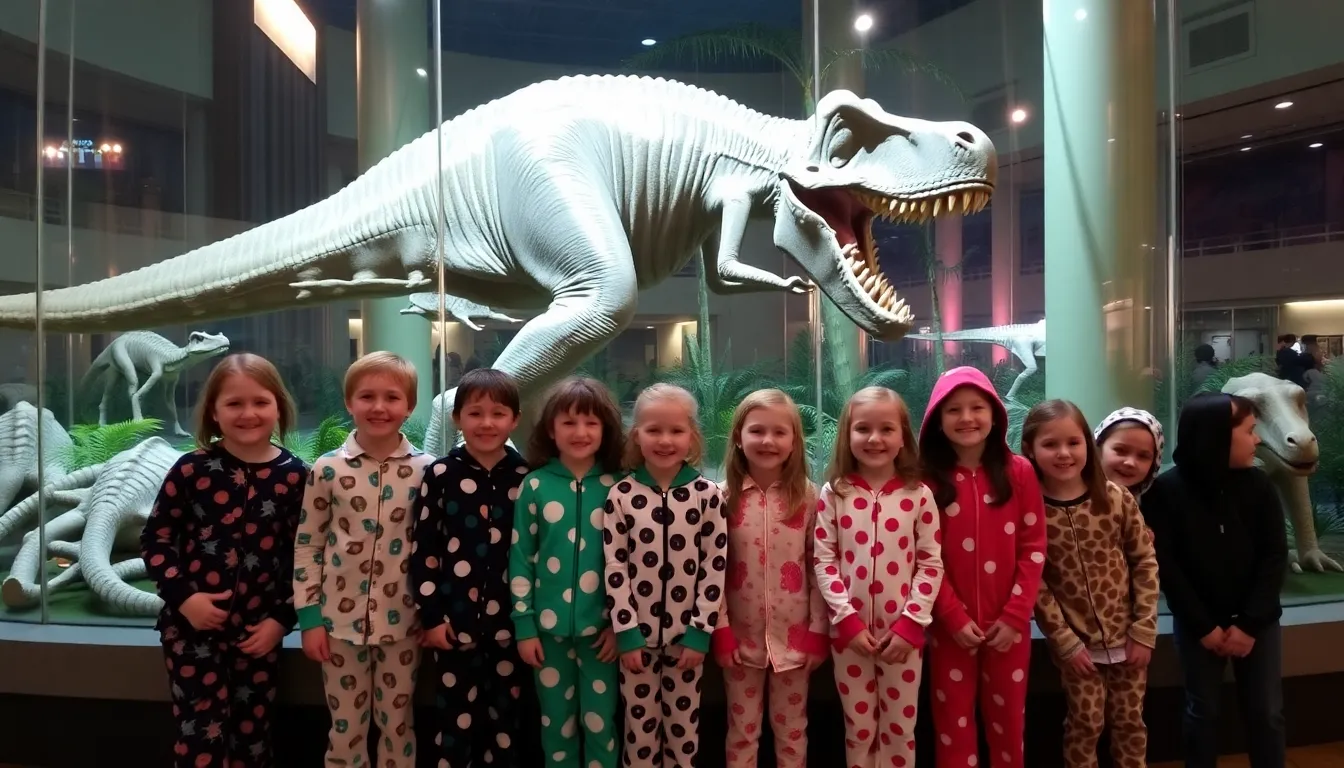
Frequently Asked Questions About the Event
Looking Ahead to Future Museum Experiences
The innovative blend of nocturnal museum events and interactive experiences, such as ‘For a Night at the Museum, Pajamas and Dinosaurs,’ highlights a growing trend in cultural engagement. As museums strive to connect with diverse audiences, particularly families, these unique offerings create opportunities for educational enrichment in a relaxed and enjoyable setting. The success of such events indicates a promising future where museums can leverage creativity to enhance visitor interaction and learning.
As institutions adapt to changing visitor expectations, it will be crucial to monitor how these experiences evolve. Engaging younger audiences through immersive storytelling and hands-on activities can pave the way for sustained interest in history and science, fostering a new generation of museum-goers who value the arts and education.
- Emphasis on Family Engagement: Future museum programs should prioritize family-friendly experiences that cater to various age groups, enhancing accessibility and enjoyment.
- Integration of Technology: Incorporating augmented reality or interactive displays can further enrich visitor experiences, making learning more dynamic and engaging.
- Flexible Programming: Offering diverse event formats, such as themed nights or workshops, can attract a wider audience and encourage repeat visits.
- Community Collaboration: Partnering with local organizations can enhance event offerings and foster a sense of community ownership and participation in museum activities.
- Feedback and Adaptation: Actively seeking visitor feedback will be essential for museums to adapt their programming to meet the evolving interests and needs of their audiences.