


Wawrinka’s announcement has sparked discussions among tennis enthusiasts about his legacy and contributions to the game, much like how women’s tennis is making significant progress in its own right.
His retirement announcement is significant not only for his fans but also for the tennis community, as it signals the impending end of an era for a player known for his powerful baseline game, reminiscent of the challenges faced by athletes in various sports.
The tennis world will be watching closely as he navigates his last seasons, much like the anticipation surrounding high-profile challenges in other sports, hoping for memorable performances.
Background on Wawrinka’s career and achievements
Stan Wawrinka, a Swiss professional tennis player, has had a remarkable career characterized by resilience and determination. Born on March 28, 1985, Wawrinka turned professional in 2002 and quickly established himself as a formidable competitor on the ATP Tour. His journey to the top was not without challenges, as he initially struggled to break into the elite ranks of men’s tennis, often overshadowed by his compatriot Roger Federer.
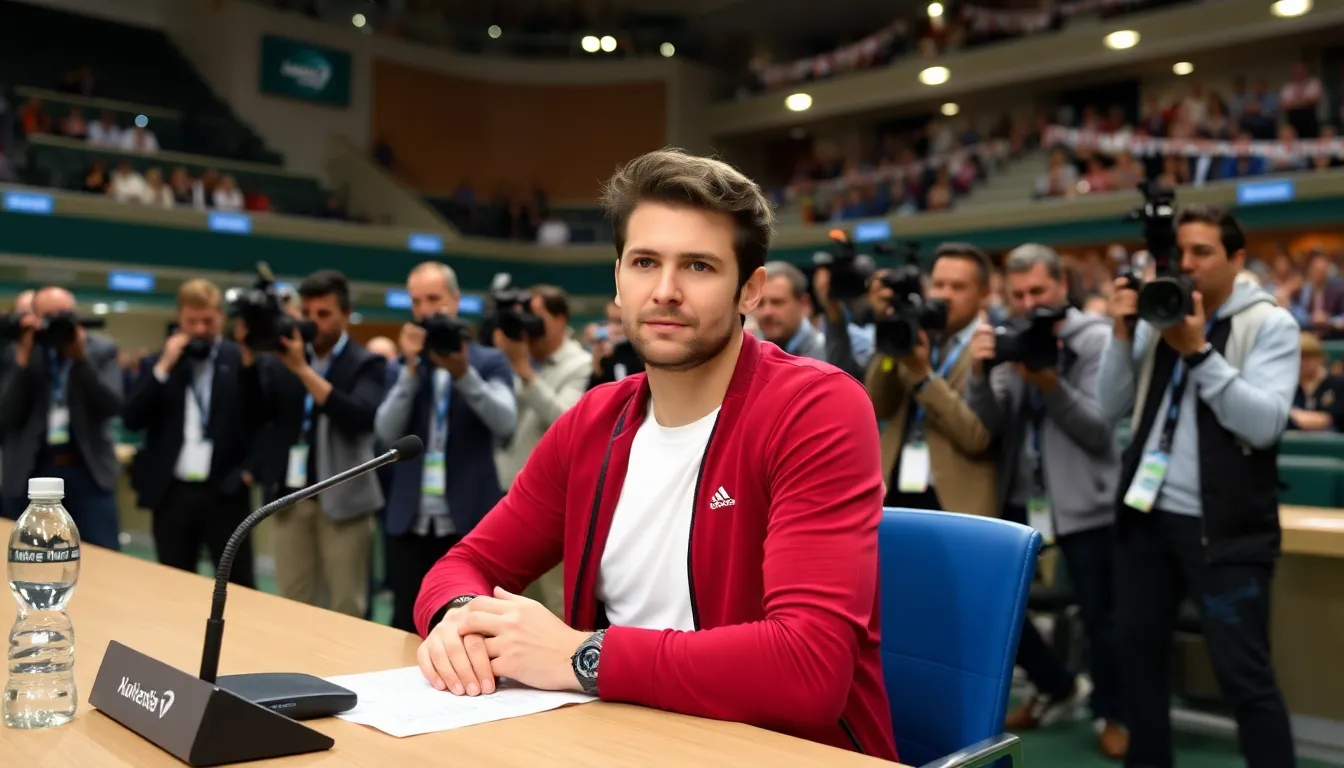
Wawrinka’s breakthrough came in 2014 when he won his first Grand Slam title at the Australian Open, defeating Rafael Nadal in a stunning final. This victory marked a significant turning point in his career, showcasing his potential to compete at the highest level. He followed this success with two more Grand Slam titles, winning the French Open in 2015 and the US Open in 2016, solidifying his status as one of the sport’s top players.
Throughout his career, Wawrinka has been known for his powerful one-handed backhand and his ability to perform under pressure. He has consistently been a key player in the Swiss national team, contributing to their victory in the Davis Cup in 2014 alongside Federer. His unique playing style and competitive spirit have earned him a loyal fanbase and respect among his peers.
Challenges and Resilience
Despite his successes, Wawrinka has faced numerous challenges, including injuries that have hindered his performance and forced him to take breaks from the sport. These setbacks have tested his resolve, but Wawrinka’s determination to return to form has been a defining aspect of his career. His decision to announce his retirement plans for after the 2026 season reflects a desire to leave the sport on his own terms, allowing him to continue pursuing his dreams while preparing for the next chapter of his life.
Key issues surrounding Wawrinka’s retirement announcement
Stan Wawrinka’s announcement regarding his retirement plans after the 2026 season has sparked a range of reactions from various stakeholders in the tennis community. His decision not only impacts his personal career but also raises important questions about the future landscape of professional tennis, player welfare, and the economic implications for the sport.
One of the main actors in this scenario is Wawrinka himself, who has expressed a desire to continue competing at a high level while also preparing for life after tennis. His interests lie in maximizing his performance in the remaining years of his career, while also transitioning smoothly into post-retirement opportunities, such as coaching or sports commentary.

Another key stakeholder is the ATP (Association of Tennis Professionals), which has a vested interest in maintaining the competitive integrity and popularity of the sport. Wawrinka’s retirement could lead to shifts in fan engagement and sponsorship opportunities, especially as he is a well-known figure in tennis. The ATP may need to consider how to promote younger players and maintain interest in the sport as established stars like Wawrinka step back.
- Player Welfare: The physical and mental demands of professional tennis raise questions about player health and the support systems in place for aging athletes.
- Economic Impact: Wawrinka’s departure could affect ticket sales, viewership, and sponsorship deals, particularly at events where he has a strong following.
- Legacy and Influence: As a three-time Grand Slam champion, Wawrinka’s influence on the next generation of players and the overall culture of tennis is significant.
- Fan Engagement: The tennis community must consider how to keep fans engaged as beloved players retire and new athletes emerge.
In addition to these interests, there are potential conflicts between the aspirations of veteran players like Wawrinka and the ambitions of younger athletes striving to make their mark in the sport. Balancing the legacy of established players while promoting new talent is a challenge that the ATP and other stakeholders must navigate carefully.
Impact on the tennis community and fans
The announcement of Stan Wawrinka’s planned retirement after the 2026 season resonates deeply within the tennis community, affecting not only his fans but also fellow players, sponsors, and the broader sports industry. Wawrinka, a three-time Grand Slam champion, has been a significant figure in tennis, and his departure will mark the end of an era for many enthusiasts who have followed his career.
In the short term, fans may experience a mix of nostalgia and urgency to witness Wawrinka’s performances in the coming years. His matches are likely to draw increased attention, as supporters rally to celebrate his achievements and bid farewell. This surge in interest could lead to higher ticket sales and viewership ratings, providing a temporary boost to local economies in cities hosting tournaments.
In the mid-term, the impact on the tennis landscape could be more pronounced. With Wawrinka’s retirement, young players may find themselves in the spotlight, creating both challenges and opportunities. The absence of a seasoned competitor like Wawrinka could alter the dynamics of tournaments, potentially opening doors for emerging talent to make their mark. This shift may also prompt sponsors to realign their partnerships, focusing on the next generation of players.
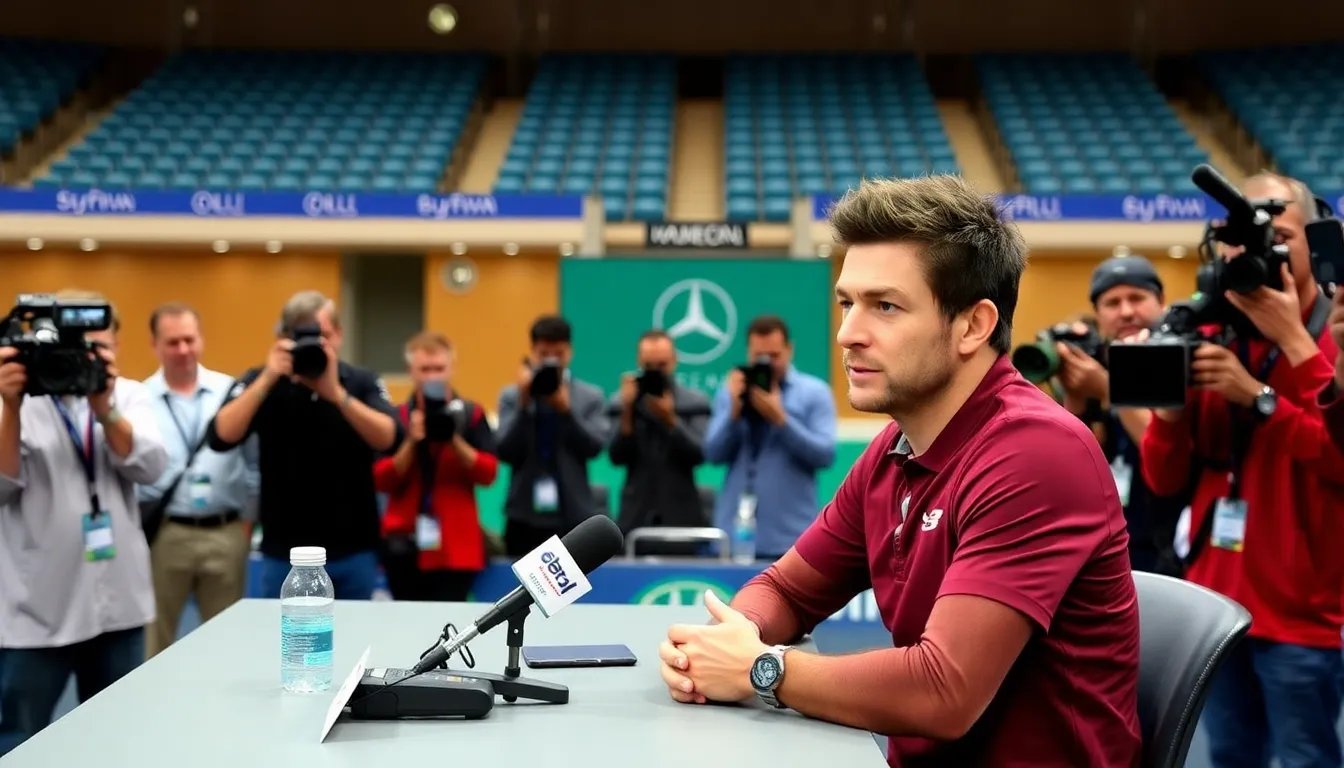
- Short-term excitement: Increased attendance and viewership at matches featuring Wawrinka.
- Mid-term talent emergence: Young players gaining opportunities as Wawrinka steps back.
- Sponsorship shifts: Potential changes in sponsorship deals as brands adapt to the evolving player landscape.
However, there are risks associated with Wawrinka’s retirement. The loss of a charismatic figure may lead to a decline in fan engagement for certain tournaments, particularly if no clear successor emerges to capture the public’s imagination. Additionally, the emotional impact on fans could lead to a temporary dip in interest in the sport as they adjust to the changes.
A: Wawrinka has stated that he still has dreams and goals in tennis, but he feels that 2026 will be the right time to conclude his professional career. A: Wawrinka has enjoyed a successful career, winning three Grand Slam titles and being a key player in Swiss tennis history. A: While specific plans are not detailed, Wawrinka has expressed interest in remaining involved in tennis, possibly through coaching or mentoring. A: Fans are likely to have mixed emotions, celebrating his achievements while also feeling sad about his departure from professional tennis. A: Wawrinka’s retirement will mark the end of an era, impacting the competitive landscape and inspiring younger players.
Frequently asked questions about Wawrinka’s retirement
Key takeaways and future outlook for Wawrinka
As Stan Wawrinka announces his intention to retire after the 2026 season, the tennis world reflects on his remarkable career and the impact he has had on the sport. His decision underscores a pivotal moment not only for him personally but also for the broader tennis community, as it signals the end of an era marked by his powerful play and resilience on the court.
Looking ahead, Wawrinka’s remaining time in professional tennis will be closely monitored, particularly as he aims to achieve his dreams in the final chapters of his career. Fans and analysts alike will be interested in how he balances his competitive spirit with the realities of aging in a physically demanding sport.
- Wawrinka’s performance in the upcoming seasons will be crucial in determining his legacy and potential final achievements.
- His experience may serve as a mentorship opportunity for younger players, influencing the next generation of tennis talent.
- The tennis community will likely rally around him in his final years, creating a nostalgic atmosphere at tournaments.
- Fans should watch for his participation in key tournaments, where he may seek to add to his impressive Grand Slam titles.
- Wawrinka’s retirement plans could inspire discussions about athlete longevity and the transition to life after professional sports.