


Recent studies indicate that the butterfly’s primary food source, the native plant known as the host plant, is also under threat from invasive species and changing weather patterns. In 2022, the U.S. Fish and Wildlife Service reported a 30% decrease in suitable habitat for the butterfly, raising alarms among environmentalists and researchers. This decline not only threatens the butterfly but also disrupts the broader ecosystem in which it plays a crucial role, as highlighted in other studies of endangered species.
In response to these challenges, several organizations, including the Xerces Society and local conservation groups, have launched initiatives aimed at restoring habitats and increasing awareness about the species’ plight. These efforts include habitat restoration projects and community engagement programs designed to educate the public about the importance of the Sacramento Mountains Checkerspot Butterfly, similar to initiatives discussed in articles about environmental conservation.
Legislation is also being considered to enhance protections for the butterfly and its habitat. In 2023, lawmakers proposed new measures that would allocate funding for conservation programs and research aimed at understanding the butterfly’s ecological needs. As the race to save this unique species intensifies, the collaboration between government agencies, non-profits, and local communities becomes increasingly vital.
Understanding the Background of the Butterfly’s Decline
The Sacramento Mountains Checkerspot Butterfly, once a vibrant symbol of the ecological richness of the southwestern United States, has faced a steady decline since the late 20th century. This butterfly, known for its striking orange and black patterned wings, is closely tied to the health of its native habitat, primarily consisting of meadows and grasslands in the Sacramento Mountains of New Mexico. The combination of habitat loss, climate change, and invasive species has created a perfect storm, threatening the survival of this unique species.
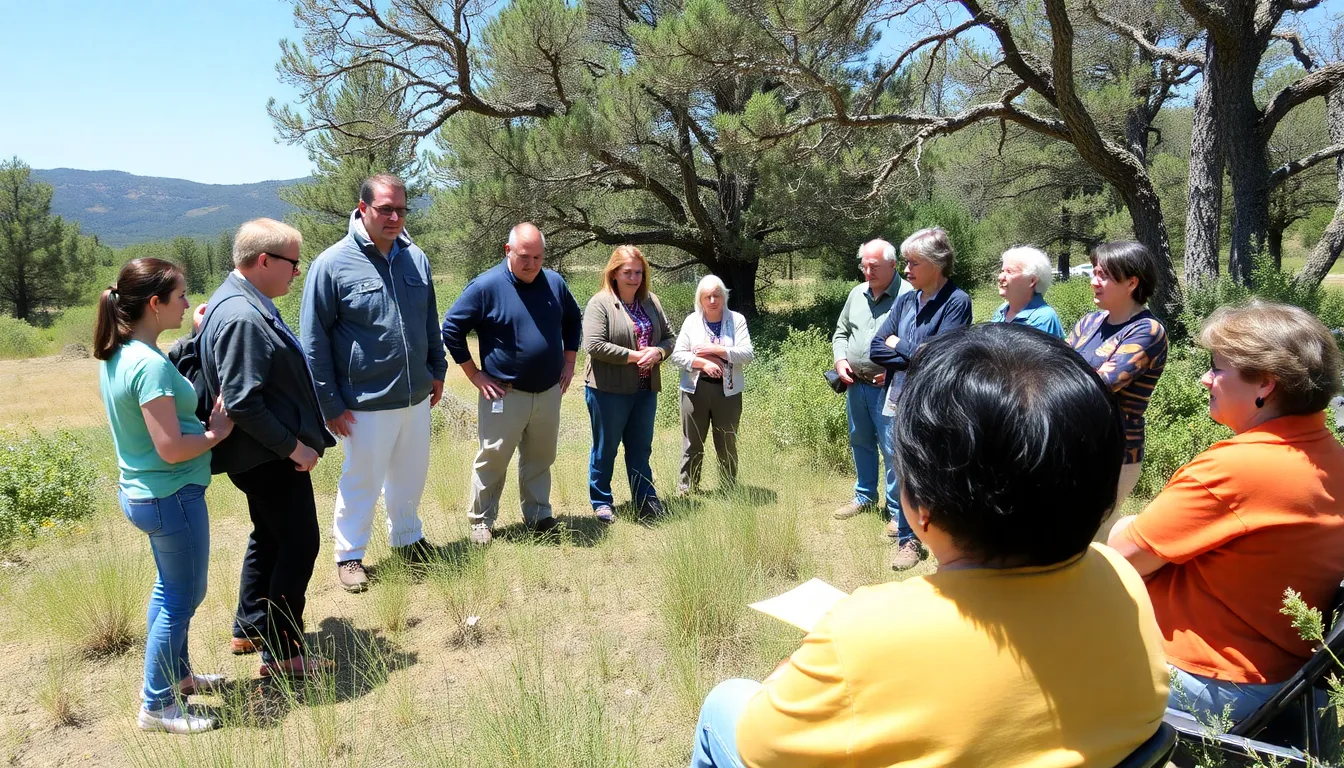
Historically, the Sacramento Mountains provided an ideal environment for the checkerspot butterfly, with abundant wildflowers that served as a food source for its larvae. However, over the past few decades, human activities such as urban development, agriculture, and logging have significantly altered these natural landscapes. The introduction of non-native plant species has further complicated the butterfly’s survival, as these invaders often outcompete the native flora that the checkerspot relies on for survival.
Key Milestones in Conservation Efforts
Efforts to conserve the Sacramento Mountains Checkerspot Butterfly have evolved over the years, particularly as awareness of its plight has grown. In 1999, the U.S. Fish and Wildlife Service recognized the butterfly as a candidate for protection under the Endangered Species Act, highlighting the urgent need for conservation measures. In 2002, a formal petition was submitted to list the butterfly as endangered, which prompted various stakeholders, including government agencies and conservation organizations, to collaborate on habitat restoration projects similar to those undertaken by groups featured in recent environmental news.
In recent years, these collaborative efforts have yielded some positive results, such as the establishment of protected areas and the implementation of habitat management strategies aimed at restoring native plant communities. However, the butterfly’s future remains uncertain, as ongoing challenges such as climate change continue to impact its habitat. The race to save the Sacramento Mountains Checkerspot Butterfly is not just about preserving a species; it reflects broader environmental issues that affect ecosystems across the globe.
Key Stakeholders and Their Roles in Conservation Efforts
The conservation of the Sacramento Mountains checkerspot butterfly involves a diverse array of stakeholders, each with distinct interests and motivations. These include government agencies, environmental organizations, local communities, and researchers. Understanding their roles is essential to grasping the complexities of the conservation landscape.
Government agencies, such as the U.S. Fish and Wildlife Service, are pivotal in implementing policies and regulations aimed at protecting endangered species. Their interest lies in fulfilling legal obligations under the Endangered Species Act while balancing economic development and land use. This often leads to tensions with local businesses and landowners who may perceive conservation efforts as restrictions on their property rights.
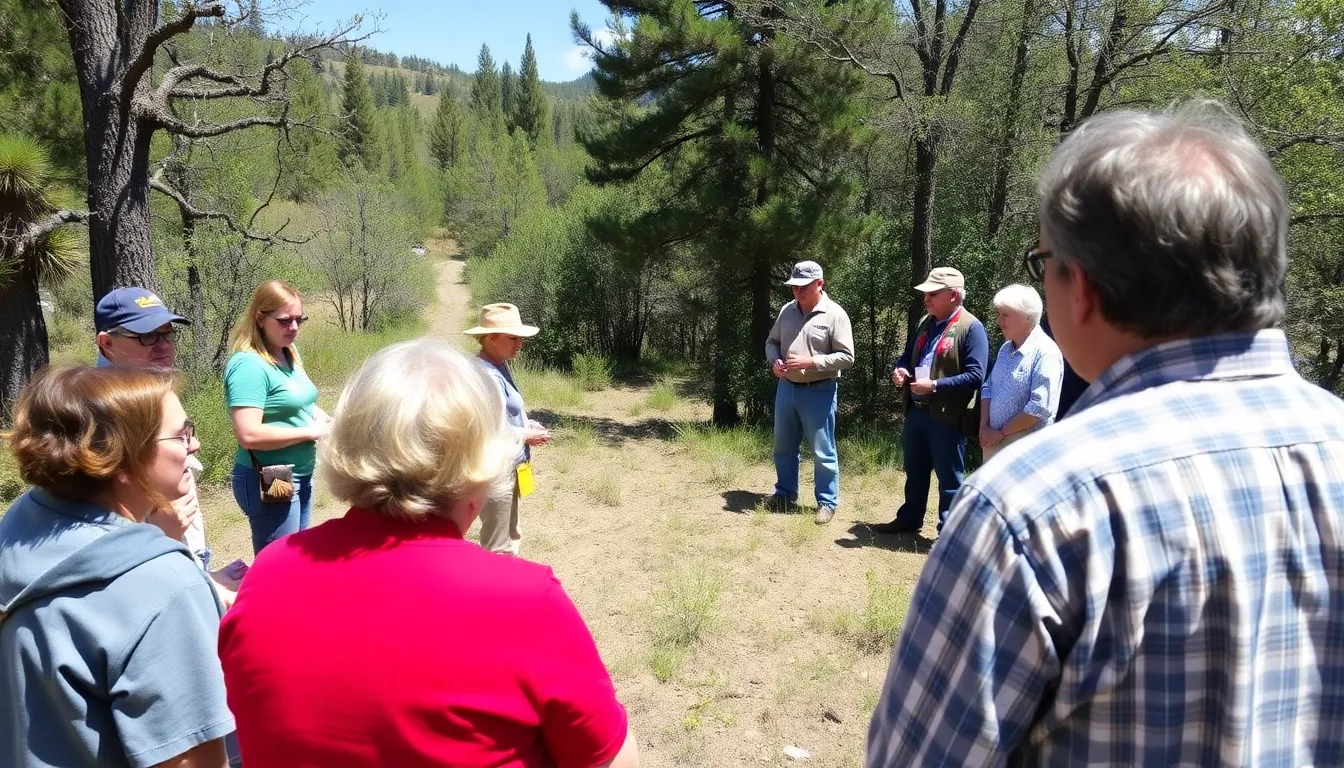
Environmental organizations, including the Center for Biological Diversity and local conservation groups, advocate for the protection of the butterfly’s habitat. They often engage in legal actions to enforce environmental laws and raise public awareness about the species’ plight. Their challenge is to mobilize public support and funding while navigating the political landscape that may not always prioritize environmental concerns.
- Local Communities: Residents may have differing views on conservation efforts, with some supporting habitat protection while others prioritize economic growth through tourism or development.
- Researchers: Scientists studying the butterfly’s ecology provide critical data that informs conservation strategies, yet they often face challenges in securing funding and public interest.
- Private Landowners: Landowners may feel threatened by conservation mandates, leading to conflicts over land use and management practices.
Legal issues also play a significant role in the conservation of the Sacramento Mountains checkerspot butterfly. The designation of critical habitat can result in legal disputes, particularly when it overlaps with private property. Economic considerations further complicate these dynamics, as stakeholders must weigh the costs of conservation against potential economic benefits from land development or resource extraction.
Impact of Conservation on Local Ecosystems and Communities
The conservation efforts aimed at saving the Sacramento Mountains checkerspot butterfly have far-reaching implications for various groups and industries, particularly those in the local ecosystem and tourism sectors. The butterfly’s habitat is primarily located in the Sacramento Mountains of New Mexico, affecting both environmentalists and local residents who depend on the region’s biodiversity.
Short-term impacts include increased regulations on land use and development in areas critical to the butterfly’s survival. This could restrict activities such as logging, grazing, and construction, leading to potential economic challenges for local businesses that rely on these industries. Additionally, local farmers may face restrictions on land management practices that could affect their crop yields.
In the mid-term, the emphasis on conservation may lead to a shift in local economies as communities adapt to these regulations. While some businesses may struggle, others may find opportunities in eco-tourism and conservation-related activities. This shift could foster new jobs in areas such as guided nature tours, educational programs, and habitat restoration projects.
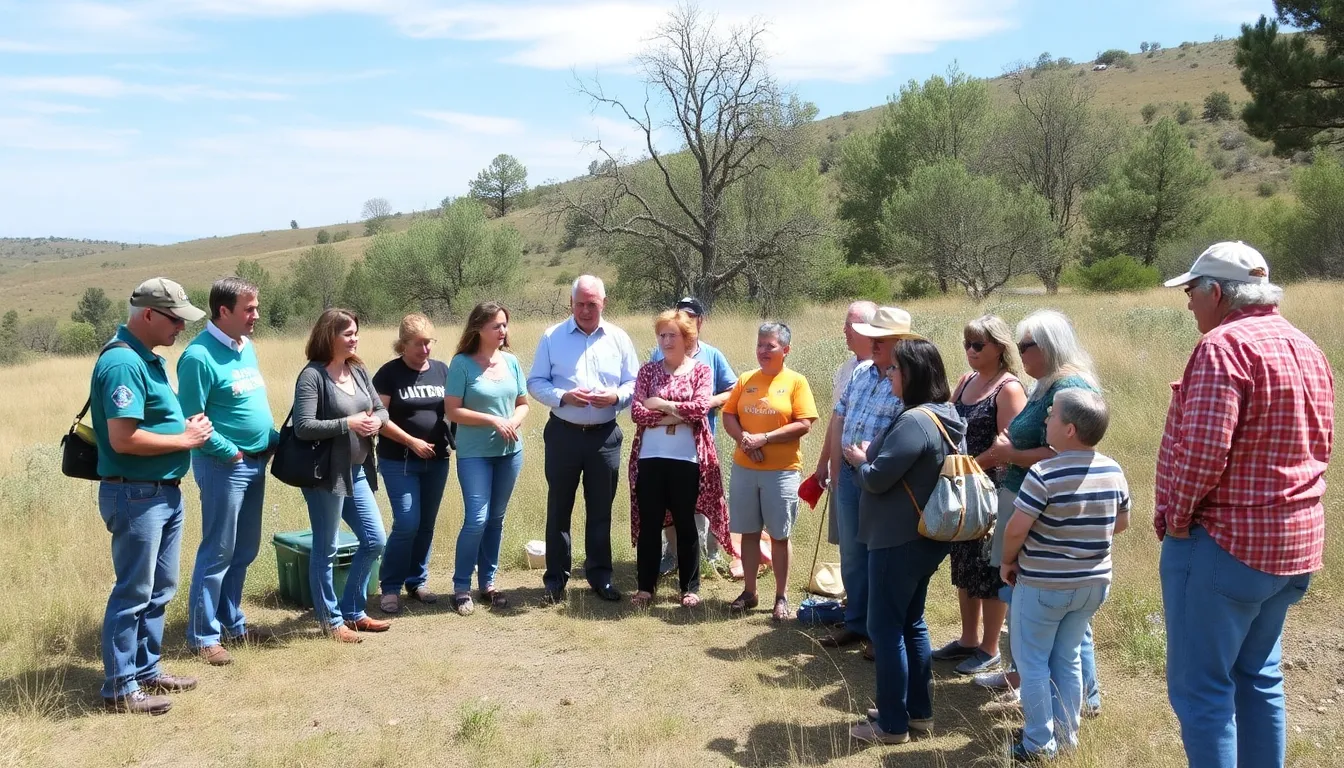
- Local Communities: Residents may experience changes in land use and increased awareness of environmental issues.
- Tourism Industry: Potential growth in eco-tourism as visitors flock to see conservation efforts and the butterfly.
- Agricultural Sector: Risk of reduced productivity due to conservation regulations.
- Government Agencies: Increased involvement in policy-making and habitat management.
While the conservation of the Sacramento Mountains checkerspot butterfly poses risks to certain industries, it also presents opportunities for innovation and collaboration among stakeholders. By embracing sustainable practices, local communities can enhance their resilience and contribute to the preservation of this unique species, ultimately benefiting both the environment and the economy.
A: The Sacramento Mountains Checkerspot Butterfly is a rare species native to New Mexico, known for its distinctive orange and black markings. It is currently listed as endangered due to habitat loss and climate change. A: The primary threats to the Sacramento Mountains Checkerspot Butterfly include habitat destruction from urban development, invasive species, and changing climate conditions that affect its food sources. A: Conservationists are implementing habitat restoration projects, conducting research on the butterfly’s ecology, and working with local communities to raise awareness and support for preservation efforts. A: The public can help by participating in local conservation initiatives, supporting organizations dedicated to wildlife preservation, and advocating for policies that protect natural habitats. A: The Sacramento Mountains Checkerspot Butterfly plays a crucial role in its ecosystem as a pollinator and as part of the food web, supporting various plant and animal species.
Frequently Asked Questions About the Butterfly Conservation
Future Directions for the Sacramento Mountains Checkerspot Butterfly
The ongoing efforts to conserve the Sacramento Mountains Checkerspot Butterfly highlight the intricate balance between ecological preservation and human impact. As stakeholders continue to navigate the complexities of habitat restoration, climate adaptation, and community involvement, the future of this species remains uncertain yet hopeful. The collaborative approach taken by conservationists, researchers, and local communities serves as a model for similar initiatives aimed at protecting vulnerable species.
Monitoring the effectiveness of current conservation strategies will be crucial in determining the best pathways forward. As environmental conditions evolve, it will be essential to remain adaptable and responsive to new challenges while fostering public awareness and engagement in conservation efforts.
- Adaptive Management: Ongoing assessment of habitat restoration techniques will be vital to ensure they meet the needs of the butterfly and its ecosystem.
- Community Involvement: Engaging local communities in conservation efforts can enhance support and foster a sense of stewardship over the butterfly’s habitat.
- Climate Resilience: Developing strategies to mitigate the impacts of climate change will be essential for the long-term survival of the species.
- Research Initiatives: Continued research into the butterfly’s life cycle and habitat preferences can provide valuable insights for targeted conservation efforts.
- Public Awareness Campaigns: Raising awareness about the Sacramento Mountains Checkerspot Butterfly can galvanize public support and funding for conservation programs.