


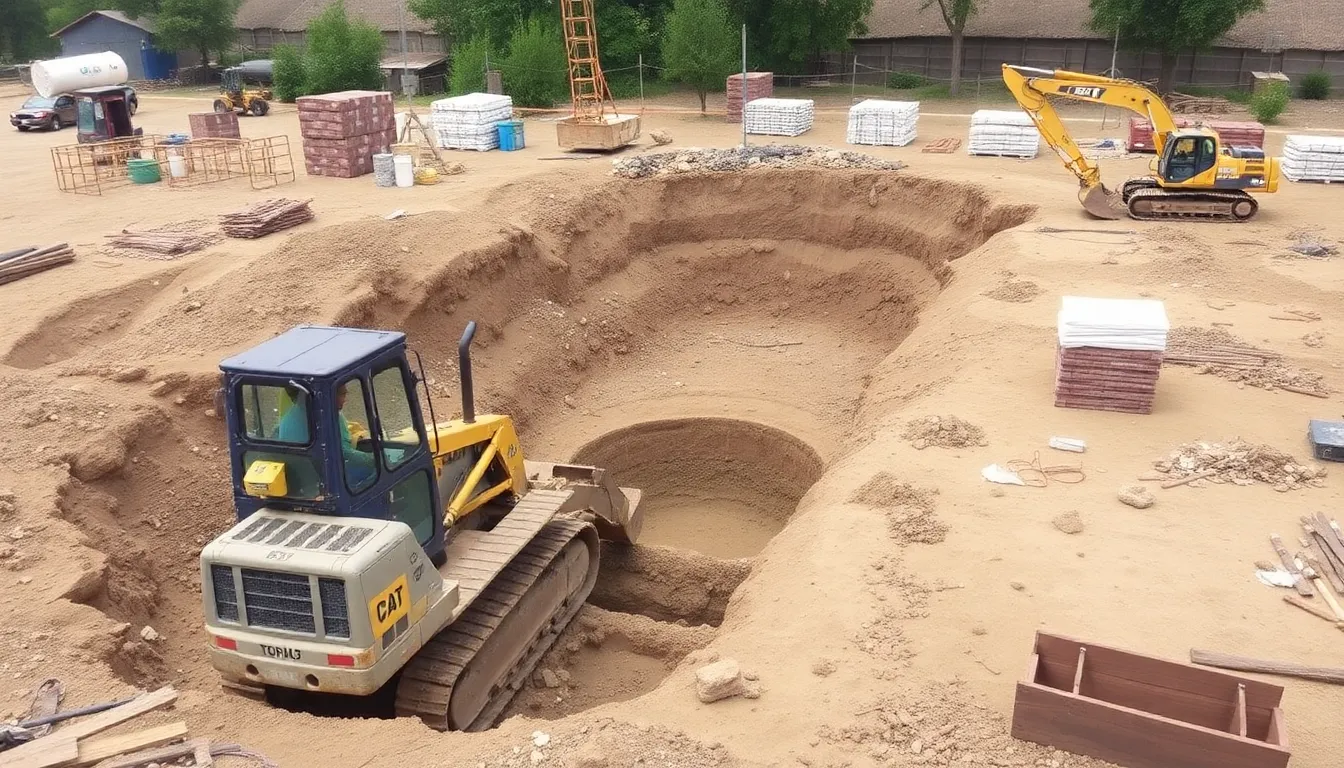
In response to these challenges, various governments and organizations are investing in the construction of new reservoirs. These projects aim to enhance water storage capacity and improve the reliability of water supply, particularly in drought-prone areas. For example, California’s Department of Water Resources announced plans to build several new reservoirs by 2025, which are expected to store billions of gallons of water for future use. Such initiatives reflect the growing awareness of the need for effective water management strategies.
Moreover, the development of these reservoirs is not just about increasing supply; it also involves improving water management systems to ensure efficient distribution and conservation. The collaboration between local governments, environmental groups, and water agencies is crucial in designing reservoirs that minimize ecological impact while maximizing benefits to communities. As these projects progress, they represent a significant step toward addressing the ongoing water crisis.
However, the construction of new reservoirs is not without controversy. Some community members and environmental advocates raise concerns about potential displacement and the ecological consequences of altering natural landscapes. Balancing the need for increased water storage with environmental preservation remains a key issue as these projects move forward.
Understanding the background of water scarcity issues
Water scarcity has emerged as a pressing global issue, driven by a combination of factors including population growth, climate change, and mismanagement of water resources. Historically, many regions have relied on rivers, lakes, and aquifers for their water supply, but increasing demand and environmental degradation have strained these vital resources. The situation has been exacerbated by urbanization and industrialization, which have intensified water consumption and pollution.
Political decisions have also played a significant role in the management of water resources. In many countries, water allocation policies have favored agricultural and industrial sectors at the expense of residential needs. This has led to significant disparities in water access, with marginalized communities often bearing the brunt of water shortages. Additionally, geopolitical tensions over shared water resources have further complicated the situation, as countries vie for control over rivers and aquifers that cross borders.
Key Milestones in Water Management
Several key milestones have marked the evolution of water management strategies. The introduction of large-scale dam projects in the mid-20th century aimed to harness river systems for irrigation and hydroelectric power, but they often resulted in ecological disruption and displacement of communities. In recent decades, a shift towards sustainable water management practices has gained momentum, emphasizing conservation, efficiency, and the development of new infrastructure, such as reservoirs.
As awareness of climate change impacts has grown, many governments and organizations have begun to invest in innovative solutions to address water scarcity. The construction of new reservoirs is one such initiative, designed not only to store water for dry periods but also to mitigate flooding and enhance ecosystem resilience. These projects represent a critical step in adapting to the realities of a changing climate and ensuring that future generations have access to this essential resource.
Key stakeholders involved in reservoir projects
The development of new reservoirs to address water shortages involves a diverse array of stakeholders, each with unique interests and concerns. These stakeholders include local governments, environmental organizations, agricultural businesses, and community groups. Understanding their roles and perspectives is essential for a comprehensive analysis of the potential impacts of these projects.
Local governments often champion reservoir projects as a means to secure water supply for their constituents. Their primary interest lies in ensuring sustainable water availability for residential and commercial needs. However, they may face opposition from environmental organizations that argue that new reservoirs can disrupt local ecosystems and wildlife habitats. This conflict highlights the trade-off between immediate water supply needs and long-term environmental sustainability.
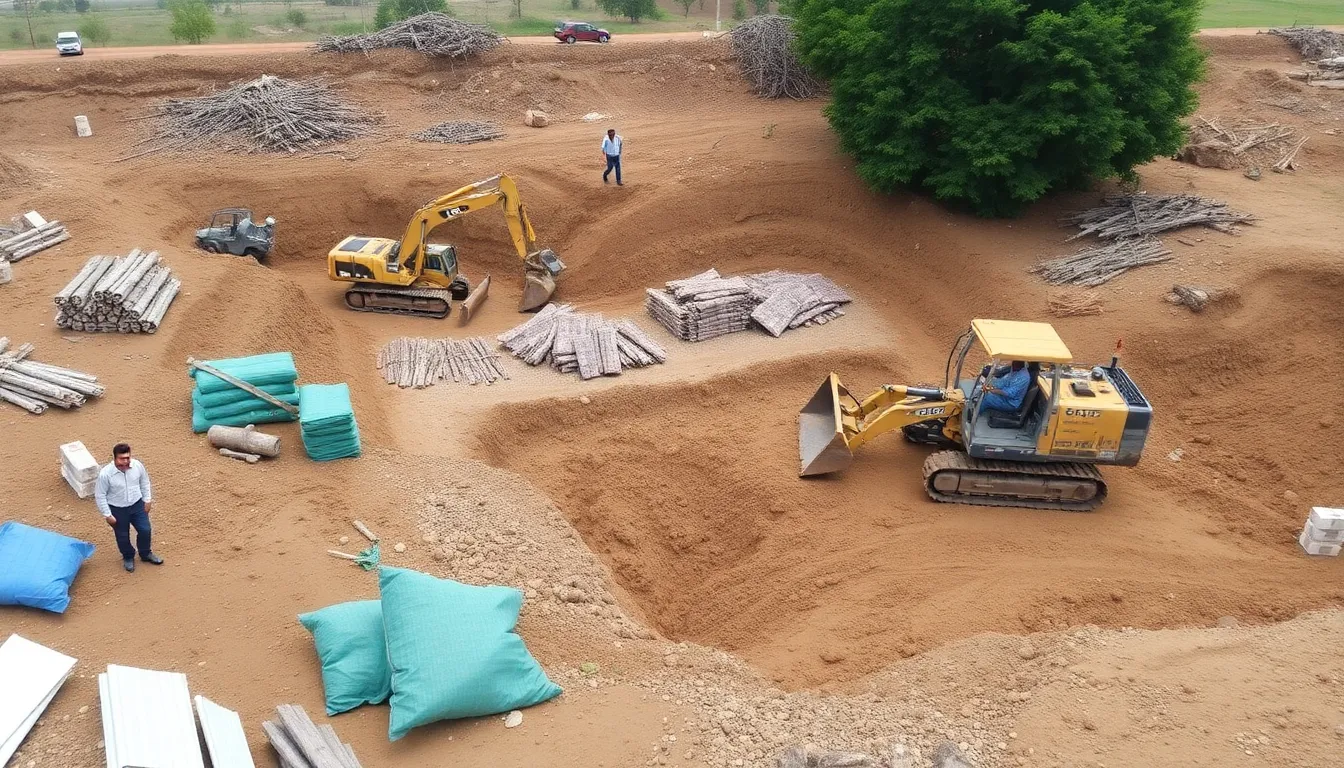
Agricultural businesses are another key stakeholder group, as they rely heavily on water for crop production. They may support reservoir projects to guarantee access to irrigation water, particularly in regions experiencing drought. However, the allocation of water resources between urban and agricultural uses can lead to tensions. Farmers may advocate for prioritizing agricultural needs, while urban areas may push for water security to support growing populations.
- Legal issues: Regulatory frameworks governing water rights and environmental protections can complicate reservoir development, leading to potential legal disputes.
- Economic considerations: The funding and financial viability of reservoir projects can create divisions among stakeholders, especially when costs are borne by taxpayers or specific user groups.
- Community impact: Local communities may express concerns about the social implications of reservoir projects, including displacement and changes to land use.
Ultimately, the interplay between these stakeholders and the key issues at hand will shape the future of water management in regions facing shortages. Balancing the competing interests and addressing the potential conflicts will be critical for the successful implementation of new reservoir projects.
The impact of new reservoirs on local populations and ecosystems
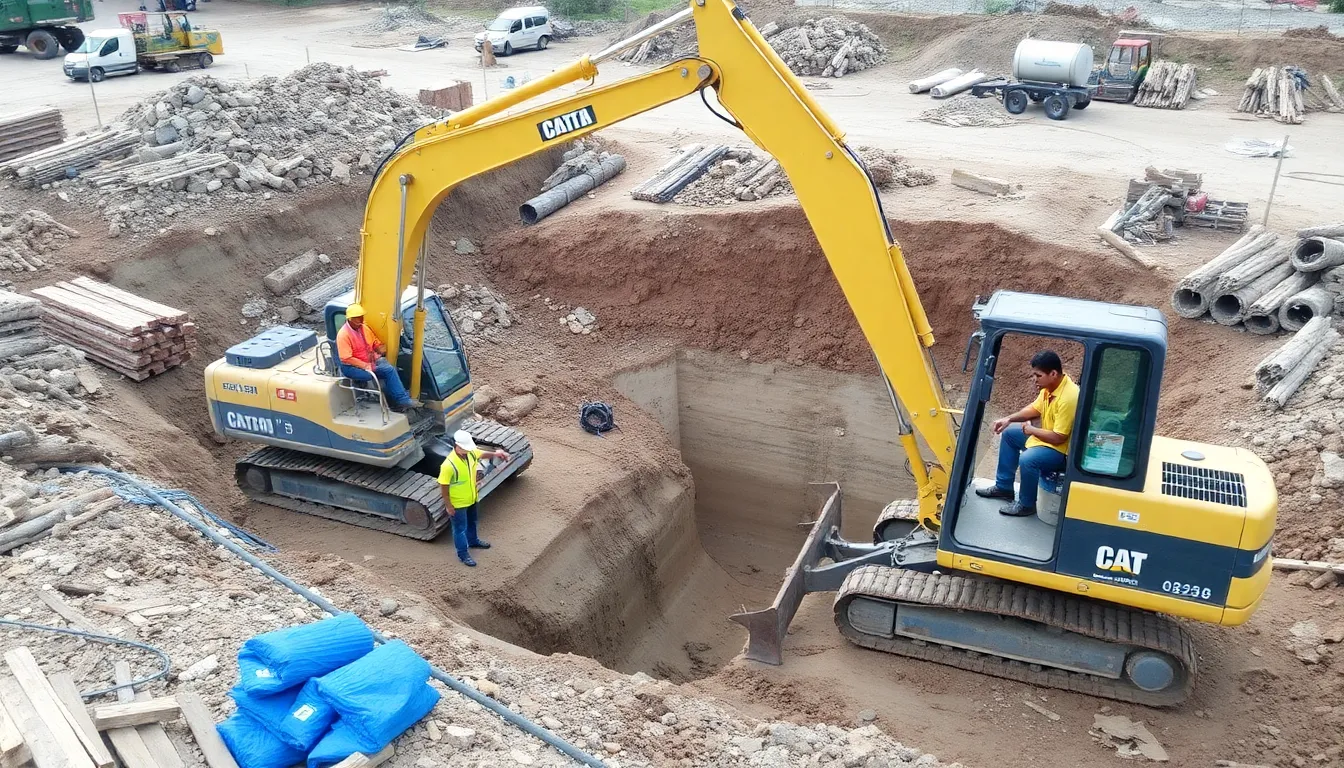
The construction of new reservoirs is set to have a profound effect on various groups and industries, particularly in regions experiencing severe water shortages. Local communities, agricultural sectors, and businesses reliant on water resources will be directly impacted. Additionally, ecosystems surrounding these reservoirs may undergo significant changes, affecting wildlife and plant life. This highlights the complex interplay between water management decisions and environmental sustainability.
In the short term, the immediate benefits for local populations include improved access to water for drinking and sanitation. This can lead to enhanced public health outcomes and a reduction in water-related conflicts. For farmers, the availability of water for irrigation can increase crop yields, which is crucial for food security and local economies. However, there are risks associated with the construction phase, such as potential displacement of communities and environmental degradation.
In the mid-term, as reservoirs become operational, we can expect a more stable water supply, which will facilitate industrial growth and attract new businesses to the area. This can lead to job creation and economic development. However, the increased water availability may also result in over-extraction and mismanagement, posing a risk to long-term sustainability. Policymakers will need to implement effective water management strategies to mitigate these risks.
- Local Communities: Improved access to water, potential displacement risks.
- Agricultural Sector: Enhanced irrigation leading to higher crop yields, but risks of over-reliance on water resources.
- Businesses: Opportunities for growth and job creation, but potential environmental regulations may impact operations.
- Ecosystems: Changes in local biodiversity, with potential negative impacts on wildlife.
Overall, while the new reservoirs present significant opportunities for economic and social development, careful consideration must be given to the associated risks. Stakeholders will need to balance the needs of local populations with environmental conservation efforts to ensure sustainable water management practices are upheld.
A: New reservoirs can significantly increase water supply, help in flood control, and support agricultural irrigation. They also provide recreational opportunities and enhance local ecosystems. A: Funding for new reservoirs typically comes from a combination of government budgets, public-private partnerships, and sometimes through grants from environmental organizations. A: While new reservoirs can alleviate some water shortages, they are not a complete solution. Sustainable water management practices and conservation efforts are also essential. A: Building reservoirs can lead to habitat disruption, changes in local ecosystems, and potential displacement of communities. Careful planning and environmental assessments are crucial. A: The construction of a new reservoir can take several years, depending on factors such as size, location, and regulatory approvals. Planning and environmental studies can add to the timeline.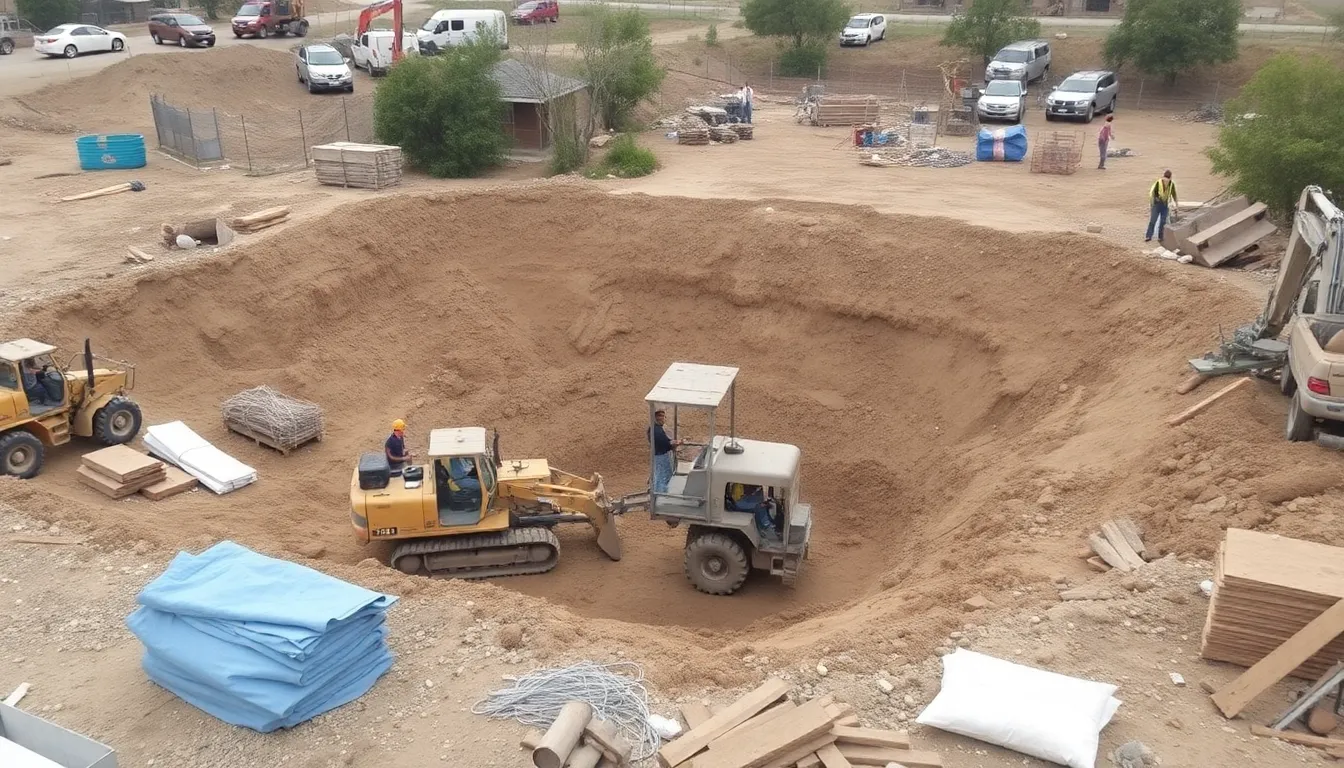
Frequently asked questions about new reservoirs
Future outlook on water management and reservoir effectiveness
The development of new reservoirs presents a promising solution to the ongoing challenges of water scarcity. As climate change continues to impact precipitation patterns and increase the frequency of droughts, these reservoirs can serve as crucial buffers, ensuring a more reliable water supply for agricultural, industrial, and domestic use. The strategic placement and design of these reservoirs will be essential in maximizing their efficiency and effectiveness in water conservation efforts.
Looking ahead, collaboration between government bodies, environmental organizations, and local communities will be vital in managing these resources sustainably. Monitoring the ecological impacts of reservoir construction and operation will also play a critical role in maintaining biodiversity and ecosystem health while meeting human water needs.
- Increased resilience: New reservoirs will enhance the ability of regions to withstand periods of drought and water shortages.
- Water management innovation: The integration of advanced technologies in reservoir management can improve water distribution and usage efficiency.
- Community engagement: Involving local stakeholders in the planning process will ensure that reservoirs meet the specific needs of communities.
- Environmental considerations: Ongoing assessments of the ecological impact of reservoirs will be necessary to balance human and environmental needs.