


The Thai government has stated that the airstrikes were targeted at what they identified as militant camps operating in the area. However, Cambodian officials have condemned the attacks, asserting that they violate Cambodian sovereignty and threaten regional stability. This incident marks a troubling turn in a conflict that has seen sporadic violence over the years.
As ceasefire talks continue, the situation remains precarious. Diplomacy led by ASEAN representatives has sought to mediate between the two countries, emphasizing the need for dialogue to prevent further escalation.
Local communities along the border are experiencing increased anxiety and displacement due to the ongoing military actions. Humanitarian organizations are calling for immediate ceasefire measures to protect civilians and facilitate aid delivery. The situation underscores the urgent need for a sustainable resolution to the conflict, as both nations grapple with the consequences of military engagement.
Understanding the historical context of Thailand-Cambodia relations
The relationship between Thailand and Cambodia has been marked by a complex interplay of historical grievances, territorial disputes, and cultural ties. The roots of the current tensions can be traced back to the colonial era, when both nations were influenced by French and British imperialism. The borders established during this time have been a source of contention, particularly around the Preah Vihear Temple, a UNESCO World Heritage site that has been at the center of a long-standing dispute.
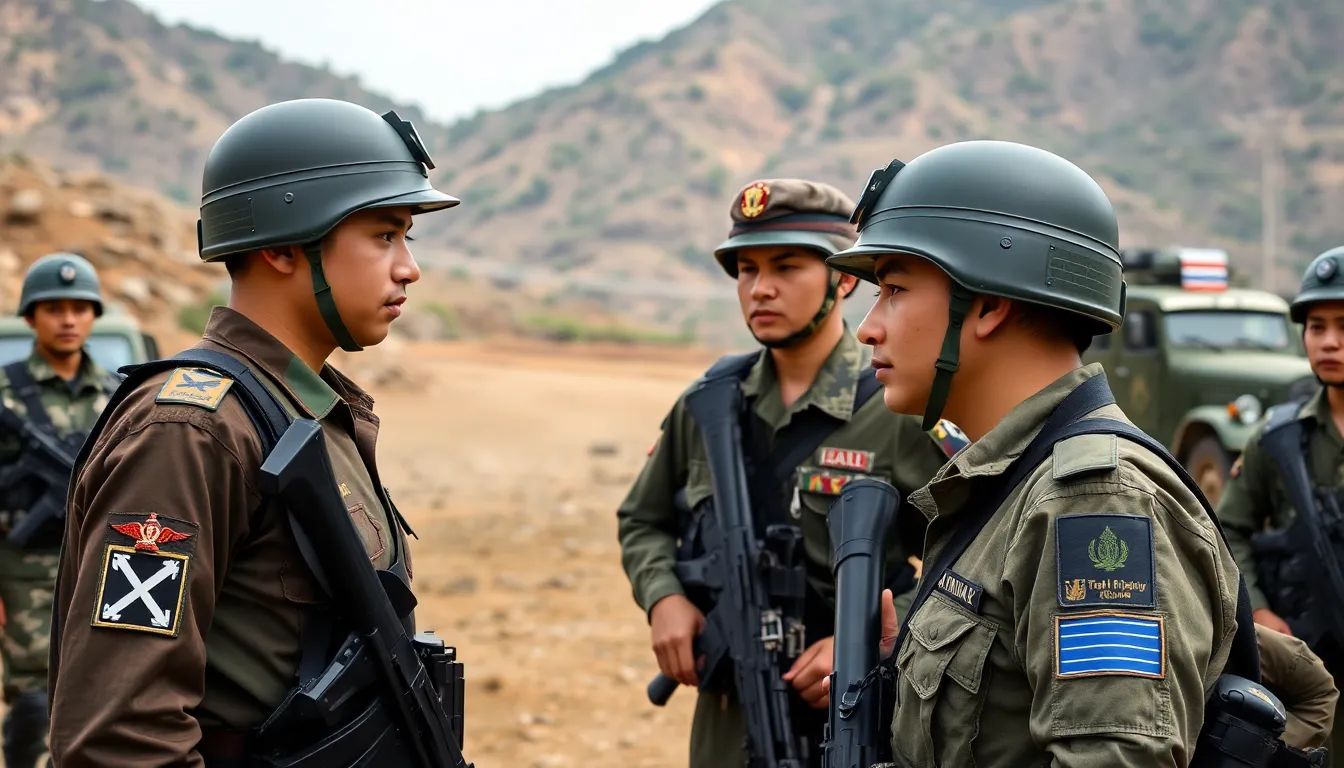
In 1962, the International Court of Justice ruled that the temple belonged to Cambodia, but the surrounding areas remained a point of dispute. This ruling did little to quell nationalistic sentiments, and skirmishes continued over the years, especially during the political upheaval in Cambodia in the 1970s and 1980s. The rise of the Khmer Rouge and subsequent civil conflicts further complicated relations, as Thailand became a refuge for Cambodian refugees and a base for anti-Khmer Rouge forces.
Recent Developments and Ceasefire Talks
In recent years, the tensions have resurfaced with increased military presence along the border and occasional clashes. The economic implications of these disputes cannot be overlooked, as both countries rely on cross-border trade and tourism. The ongoing ceasefire talks aim to de-escalate the situation, but the historical context continues to influence negotiations. The bombing of the Cambodian border area by Thailand highlights the fragile state of peace and the challenges in resolving long-standing grievances.
Furthermore, the political landscape in both countries adds another layer of complexity. Domestic pressures, national pride, and the influence of military factions often sway leaders’ decisions, making it difficult to achieve lasting resolutions. As both nations engage in dialogue, the historical narratives and past conflicts remain crucial in shaping their future interactions.
Key stakeholders and issues surrounding the conflict
The ongoing conflict between Thailand and Cambodia over border areas has drawn attention from various stakeholders, each with distinct interests and concerns. The primary actors in this situation include the governments of Thailand and Cambodia, local military forces, regional organizations, and international observers.
The Thai government, led by Prime Minister Srettha Thavisin, has a vested interest in maintaining territorial integrity and asserting sovereignty over disputed areas. This interest often clashes with Cambodia’s claims to the same regions, particularly around historical and cultural sites. The Cambodian government, under Prime Minister Hun Manet, seeks to reinforce its territorial claims and secure international support to bolster its position in ongoing negotiations.
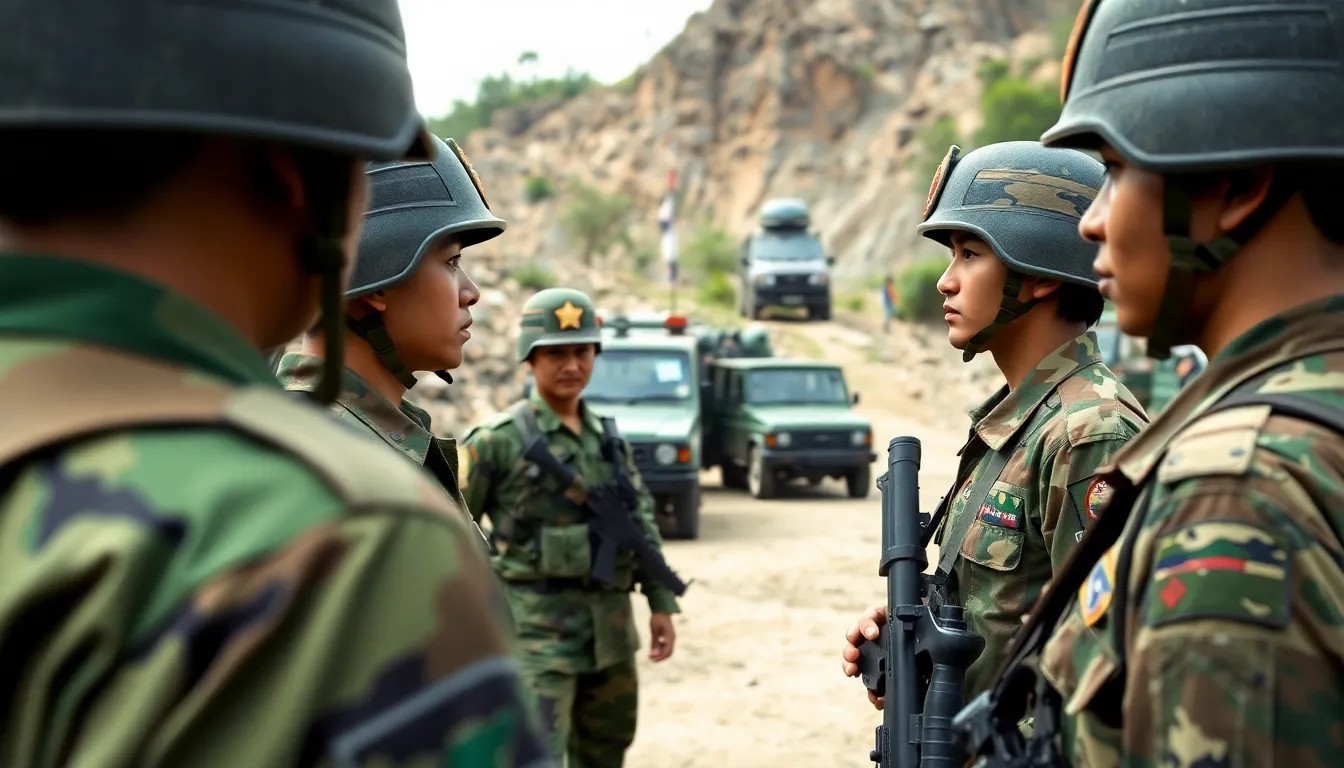
In addition to the national governments, local military forces play a critical role in the conflict. Both countries have deployed troops to the contested border areas, which raises the stakes for potential escalation. This military presence not only complicates ceasefire talks but also heightens the risk of civilian casualties and humanitarian crises.
Regional organizations, such as ASEAN, are also key stakeholders in this situation. They aim to promote peace and stability in Southeast Asia but face challenges in mediating the conflict due to differing national interests and the sensitivity of sovereignty issues.
- Territorial Integrity: Both Thailand and Cambodia prioritize the protection of their territorial claims, leading to heightened tensions.
- Humanitarian Concerns: The military actions in border areas raise significant humanitarian issues, including potential displacement of civilians.
- International Mediation: The role of regional organizations like ASEAN is crucial, yet their influence is limited by the sovereign interests of member states.
- Economic Implications: Ongoing conflict may disrupt trade and economic activities in border regions, impacting local economies.
- Legal Framework: The lack of a clear legal resolution regarding border demarcation complicates negotiations and increases the potential for conflict.
The humanitarian and economic impact on local communities
The recent bombings along the Cambodian border by Thailand have had significant repercussions on local communities in both nations. Primarily, the residents living in proximity to the border are facing immediate threats to their safety and security, leading to increased anxiety and displacement. Families are being forced to evacuate their homes, disrupting their daily lives and routines.
In addition to the humanitarian crisis, local businesses are also feeling the strain. The border region, which relies heavily on trade and cross-border commerce, is experiencing disruptions. Many small businesses that depend on the flow of goods between Thailand and Cambodia are now facing severe losses, as transportation routes become unsafe and customers avoid the area.
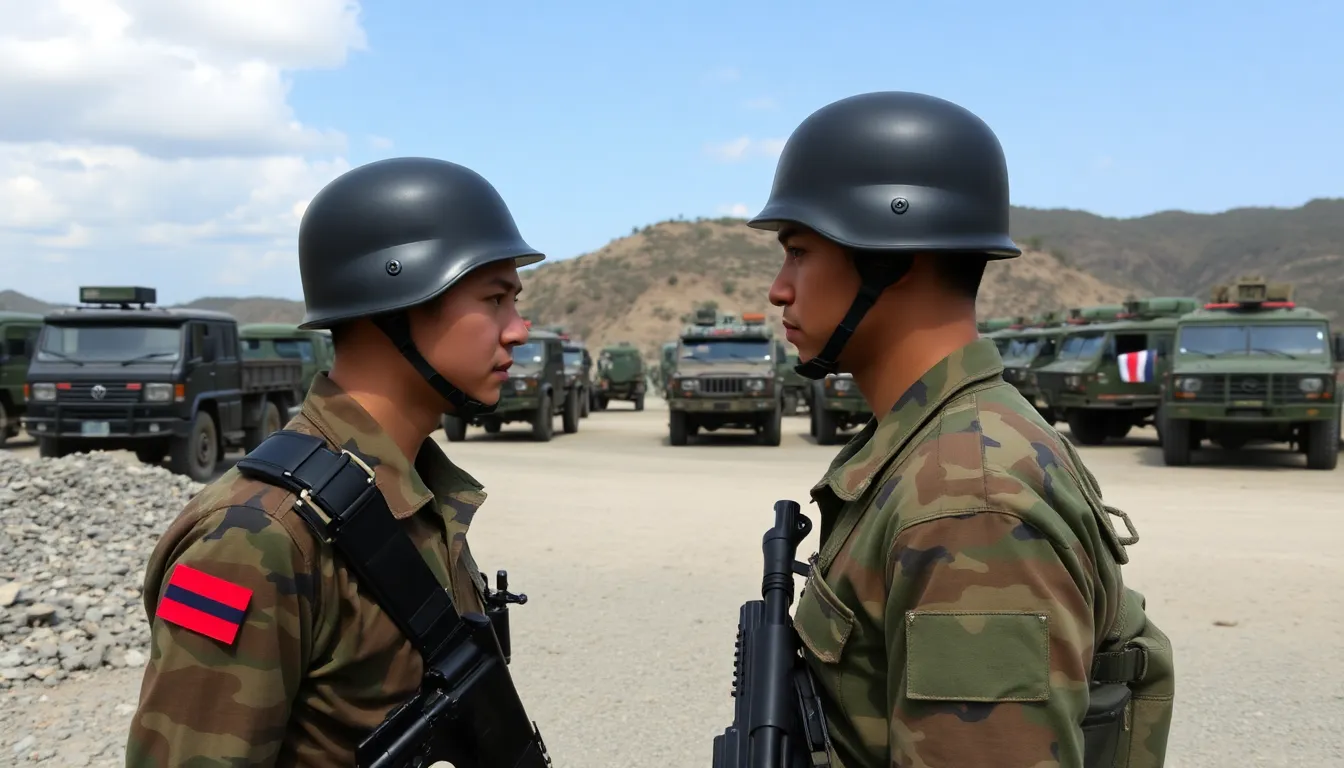
Short-term impacts include a rise in prices for essential goods due to supply chain interruptions, which can lead to increased poverty levels in already vulnerable populations. Mid-term, we may see a shift in local economies as businesses either adapt to new realities or close down entirely, leading to job losses and reduced economic activity. This situation could further exacerbate tensions in the region.
- Increased displacement of local populations.
- Disruption of cross-border trade and local businesses.
- Rising prices for essential goods.
- Poverty and economic instability in affected areas.
However, amidst these challenges, there may also be opportunities for humanitarian organizations and governments to step in. Increased international attention could lead to more aid and support for affected communities, fostering resilience and rebuilding efforts. Additionally, businesses that can pivot to meet the changing needs of the local population may find new markets and opportunities for growth in the long run.
A: The bombings were reportedly in response to ongoing tensions and skirmishes in the border area, as both nations engage in ceasefire talks. A: Cambodia has condemned the bombings, calling for immediate dialogue and a peaceful resolution to the conflict. A: The bombings could destabilize the region, affecting not only Thailand and Cambodia but also neighboring countries that rely on peace for trade and security. A: International observers and human rights organizations have expressed concern, urging both countries to prioritize dialogue over military actions. A: Ceasefire talks are ongoing, but the recent violence has complicated negotiations, making it difficult to reach a consensus.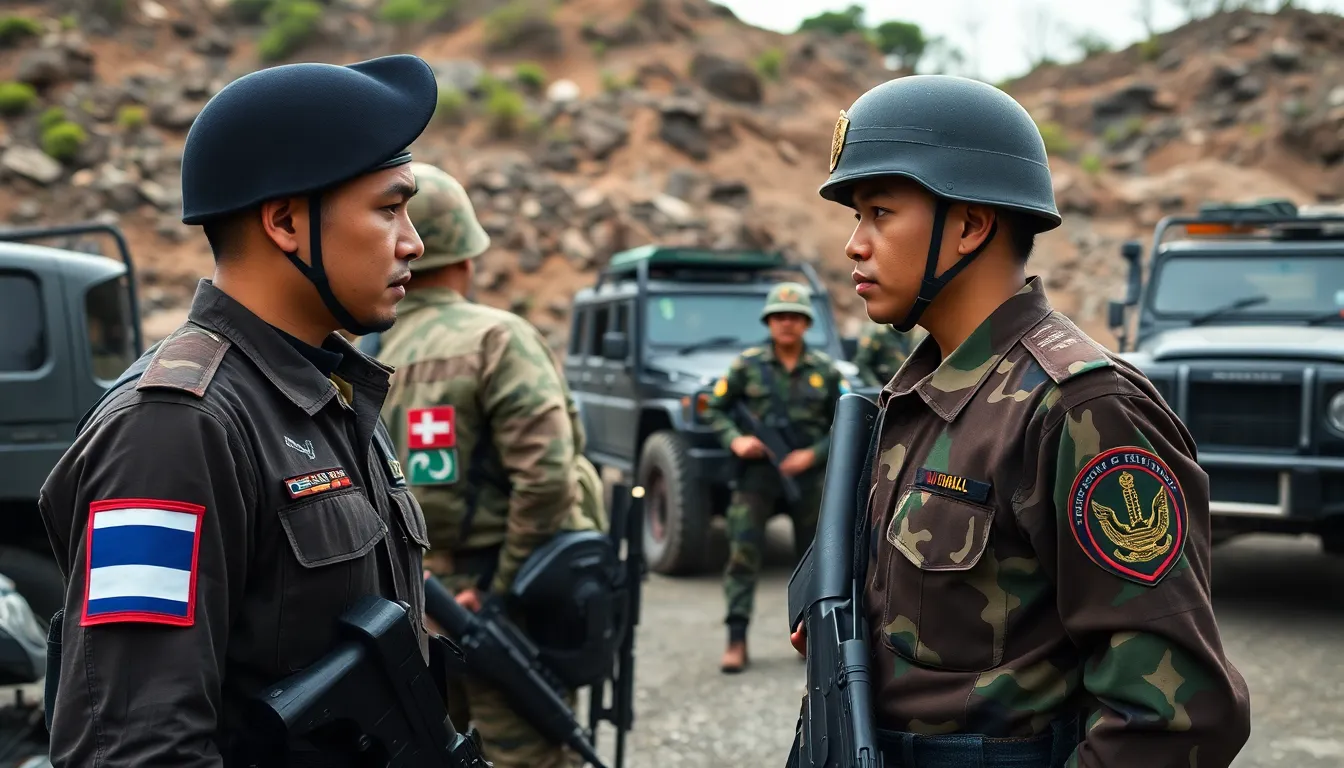
Frequently asked questions about the conflict
Outlook on future relations and potential resolutions
The recent bombings along the Cambodian border by Thailand, amidst ongoing ceasefire discussions, highlight the fragility of the current diplomatic landscape. As both nations navigate their complex historical tensions, the path forward will likely require careful negotiation and a commitment to de-escalation. The international community’s response and involvement may also play a crucial role in shaping future interactions between Thailand and Cambodia.
In the coming weeks, it will be essential to monitor how both governments respond to domestic and international pressures, as well as the effectiveness of mediation efforts. The potential for renewed conflict looms, but so does the opportunity for a more stable and cooperative relationship if both sides can prioritize dialogue over aggression.
- Watch for shifts in military posturing from both Thailand and Cambodia as they respond to the latest incidents.
- Pay attention to international diplomatic efforts aimed at facilitating a ceasefire and promoting peace talks.
- Monitor public sentiment within both countries, as domestic pressures could influence governmental decision-making.
- Consider the implications of regional alliances and how they may affect the resolution of this conflict.
- Stay informed about humanitarian conditions in the border areas, as escalation could lead to significant civilian impacts.