


Elfyn Evans, Ogier’s teammate at Toyota Gazoo Racing, entered the final rally with a chance to claim his first WRC title. However, despite a strong performance throughout the season, he ultimately fell short, finishing the rally in a position that did not secure enough points to overtake Ogier in the standings. For more insights on team dynamics, check out our article on the future prospects of Martins Sesks with M-Sport in WRC.
This championship battle highlighted the intense rivalry within the team, as both drivers pushed their limits to achieve success. Ogier’s experience and tactical prowess were evident in Japan, where he navigated challenging conditions to emerge victorious, while Evans faced difficulties that hindered his chances of glory.
The outcome of the championship is significant not only for the drivers involved but also for the future of the sport, as Ogier’s continued dominance raises questions about the competition landscape in the WRC. Fans and analysts alike will be watching closely to see how this rivalry evolves in the coming seasons.
Understanding the significance of Ogier’s achievement in WRC
In the world of motorsport, few achievements are as revered as winning the World Rally Championship (WRC). Sébastien Ogier’s recent triumph ties him with the legendary Juha Kankkunen and Tommi Mäkinen, marking a significant milestone in rallying history. This accomplishment not only highlights Ogier’s exceptional driving skills but also underscores the competitive nature of the WRC, where every season brings new challenges and rivalries. To explore the rivalry between drivers, read about the intense competition highlighted in the championship.
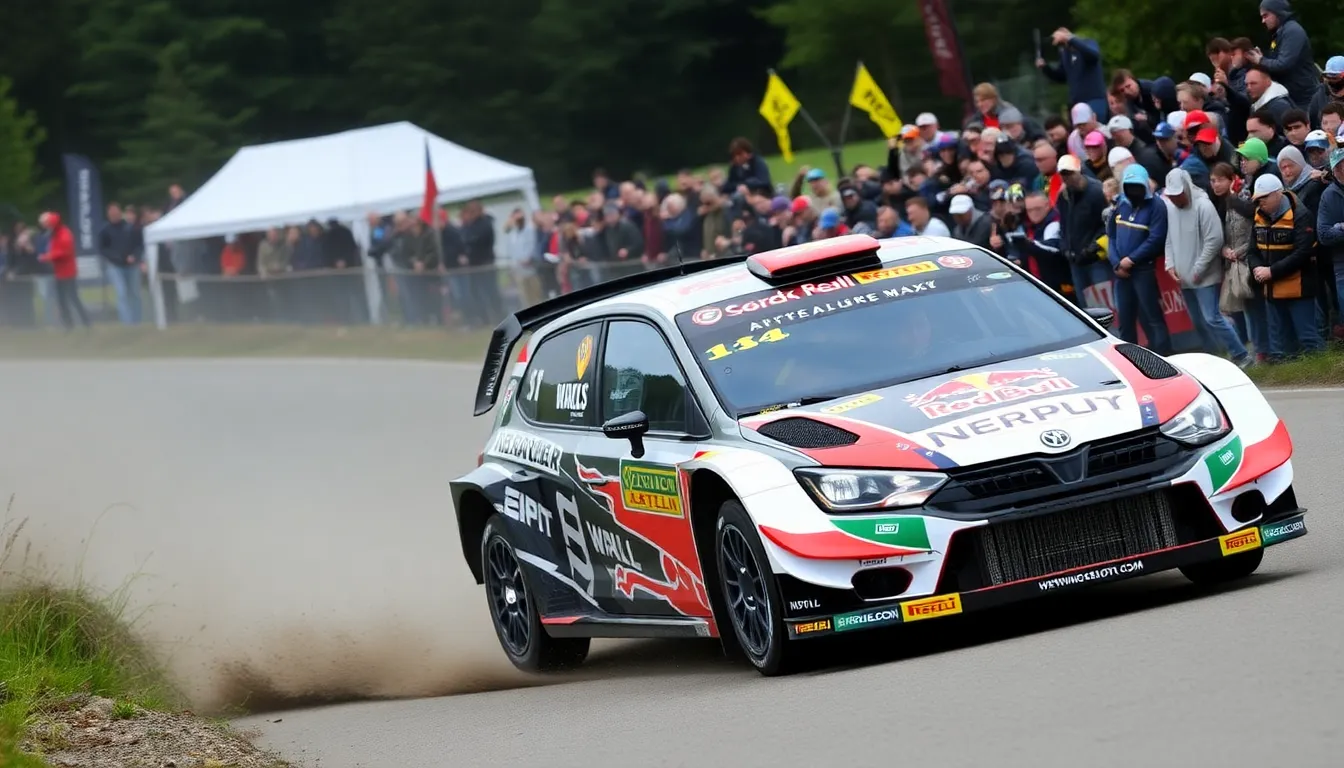
The WRC has a rich history dating back to its inception in 1973, evolving through various formats and regulations. Over the decades, it has seen the rise and fall of numerous champions, each leaving their mark on the sport. Ogier’s consistency and ability to perform under pressure have set him apart, allowing him to dominate the championship landscape in recent years. His achievements have reignited interest in the sport, drawing in new fans and inspiring the next generation of rally drivers, showcasing the transformative nature of competition within the WRC.
Elfyn Evans, Ogier’s teammate, has also made headlines this season as he narrowly missed out on claiming the title himself. This situation reflects the intense competition within the team and the broader WRC community. Evans’ strong performances throughout the season demonstrated his potential to become a champion, but ultimately, it was Ogier’s experience and tactical prowess that secured him the record-tying victory. The dynamic between the two drivers has added a compelling narrative to the championship, showcasing both camaraderie and rivalry.
The evolution of the WRC landscape
Over the years, the WRC has undergone significant changes, both in terms of technology and regulations. The introduction of hybrid vehicles and advanced telemetry has transformed the way teams approach each rally. These advancements have not only increased the speed and safety of the cars but have also elevated the level of competition. As drivers like Ogier adapt to these changes, their ability to harness new technologies plays a crucial role in their success, making their achievements even more impressive.
In summary, Ogier’s record-tying achievement is a testament to his skill and the competitive spirit of the WRC. The interplay between seasoned champions and emerging talents like Evans continues to shape the narrative of the sport, ensuring that each season is filled with excitement and unpredictability.
Key factors influencing Evans’ missed opportunity for the title
The World Rally Championship (WRC) has always been a battleground for drivers, teams, and manufacturers, with each stakeholder having vested interests in the outcome of the season. In the recent championship, Elfyn Evans’ failure to clinch the title has sparked discussions about the intricate web of factors that influenced this outcome.
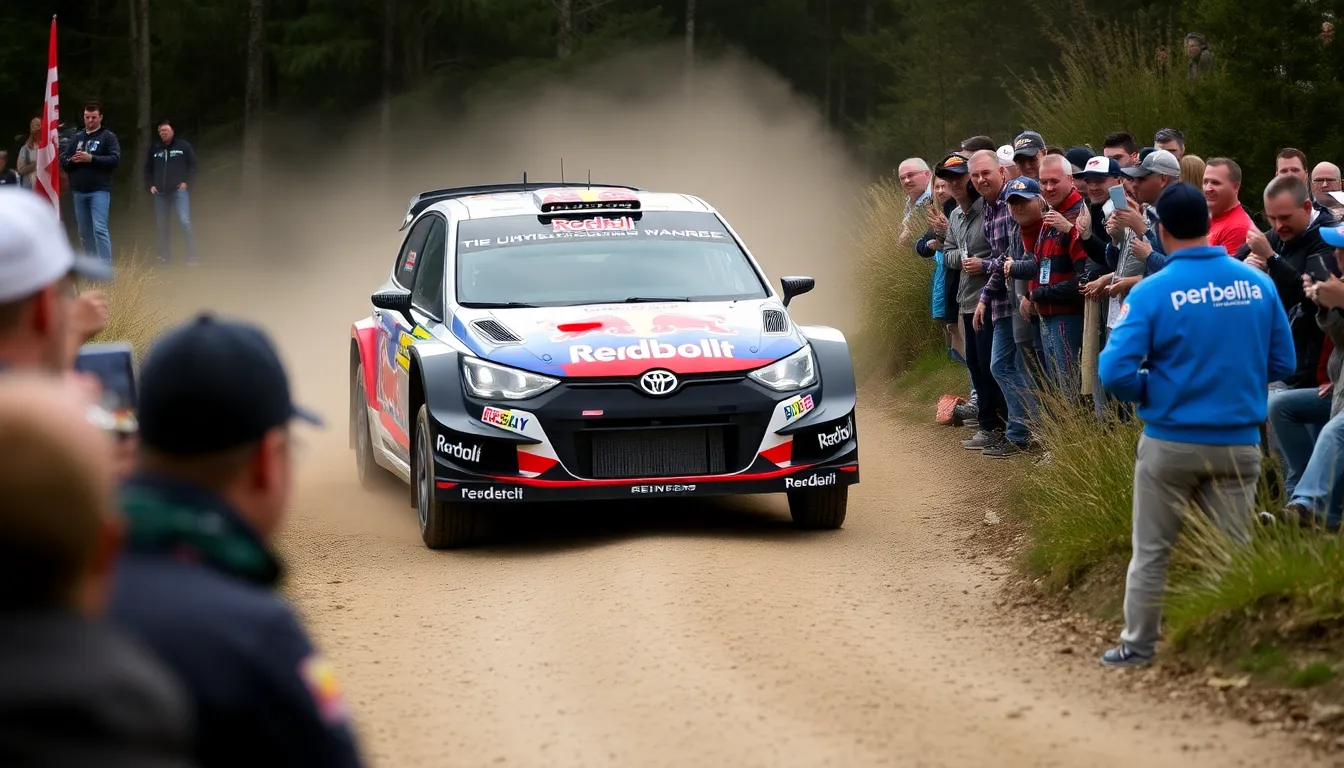
One of the primary actors in this scenario is Elfyn Evans himself, who, as a leading driver for Toyota Gazoo Racing, aimed to secure his first WRC title. His performance throughout the season was commendable, yet several critical moments, including mechanical failures and strategic misjudgments during key rallies, hampered his chances. This highlights the unpredictable nature of motorsport where the driver’s skill is often tested against the reliability of their vehicle.
Another significant stakeholder is the Toyota Gazoo Racing team. The team has invested heavily in technology and resources to support their drivers, but the pressures of competition introduce trade-offs between innovation and reliability. The team must balance the pursuit of cutting-edge performance with the necessity of ensuring that their vehicles can withstand the rigors of the championship.
In addition to the drivers and teams, the WRC governing body, the FIA, plays a crucial role. They establish regulations that can impact the competitive landscape, such as changes to rally formats or vehicle specifications. These regulations can create conflicts among teams, especially when new rules are perceived as favoring certain manufacturers over others, leading to debates on fairness and equity within the sport.
- Driver Performance: Individual skill and consistency are critical, but external factors can undermine efforts.
- Team Strategy: Decisions made during rallies can significantly alter the outcome, affecting championship standings.
- Regulatory Changes: New rules introduced by the FIA can shift competitive advantages among teams.
- Technological Reliability: The balance between innovation and reliability remains a constant challenge for teams.
- Fan and Sponsorship Impact: The outcome of the championship can influence fan engagement and sponsorship deals, affecting future investments.
Ultimately, Evans’ missed opportunity serves as a reminder of the multifaceted nature of competitive motorsport, where the interplay of individual talent, team dynamics, regulatory frameworks, and technological advancements shape the narrative of each season.
The implications of this outcome for the drivers and the championship
The recent outcome of the World Rally Championship (WRC), where Ogier tied the record while Evans narrowly missed out on the title, has significant implications for various stakeholders in the motorsport community. Key groups affected include the drivers, their teams, sponsors, and the broader automotive industry. Each of these stakeholders will experience both immediate and longer-term impacts as a result of this championship conclusion.
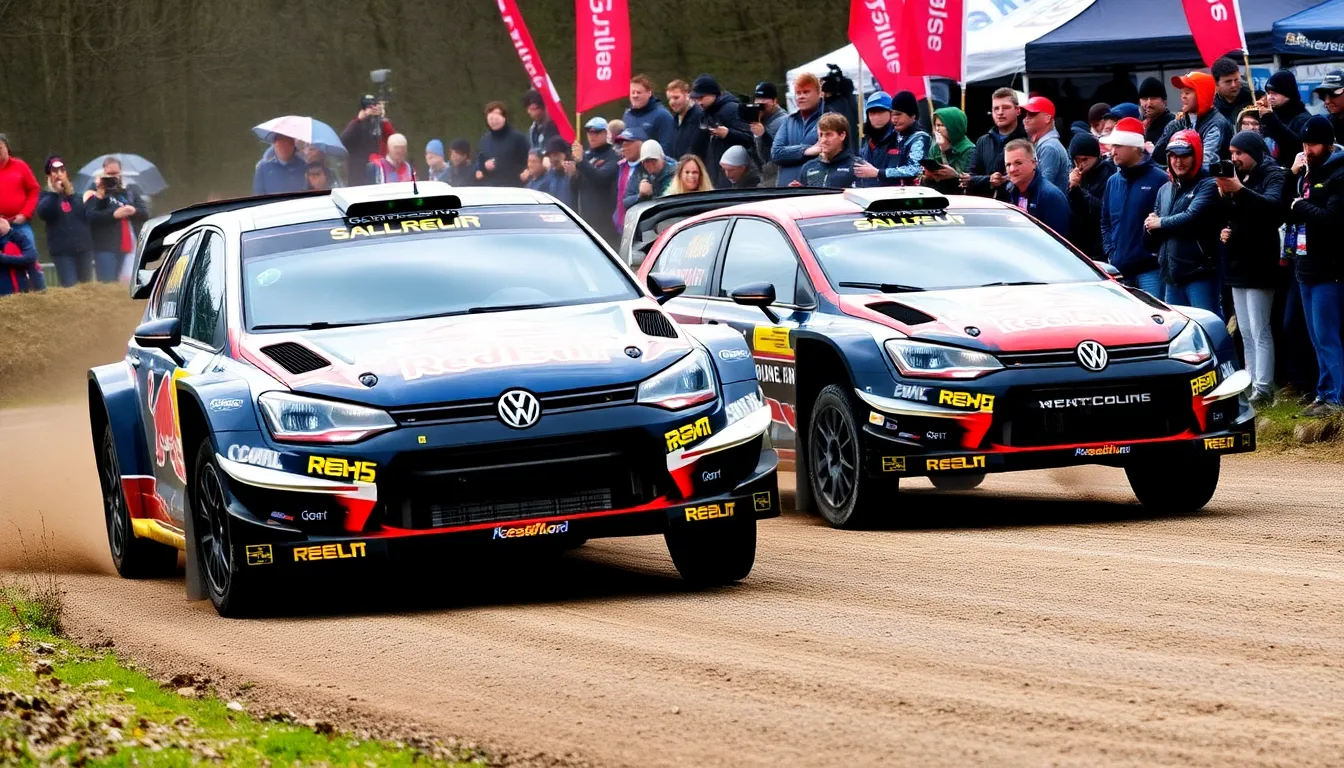
In the short term, the emotional and competitive atmosphere among drivers is palpable. Ogier’s achievement solidifies his legacy, potentially influencing sponsorship opportunities and marketability. Conversely, Evans’s near-miss may lead to increased pressure on him to perform in upcoming seasons, affecting team dynamics and driver morale. The teams involved will need to reassess their strategies and budgets as they prepare for the next championship cycle.
From a business perspective, the automotive industry, particularly manufacturers involved in rally racing, may experience fluctuations in brand perception and consumer interest. For instance, Ogier’s success could enhance the appeal of his team’s vehicles, while Evans’s performance may prompt his sponsors to recalibrate their marketing strategies. The potential for increased viewership and engagement in the sport can also create opportunities for new partnerships and revenue streams.
- Increased sponsorship opportunities for successful teams and drivers.
- Pressure on underperforming drivers to improve in future events.
- Potential shifts in consumer interest towards vehicles associated with winning teams.
- Impact on team budgets and strategies as they prepare for the next season.
In the mid-term, the WRC community may see changes in policy and regulations as governing bodies respond to the competitive landscape. This could include adjustments to vehicle specifications or race formats aimed at enhancing competition and safety. Additionally, the narrative surrounding the championship could influence media coverage and fan engagement, shaping the future of rally racing as a popular sport.
A: Ogier’s record tie solidifies his status as one of the greatest rally drivers in history, showcasing his consistent performance over the years. A: Elfyn Evans had a strong season with several podium finishes, but ultimately fell short in the final stages, impacting his title chances. A: The rally community has expressed mixed feelings, celebrating Ogier’s achievement while empathizing with Evans’ near miss. A: Evans faced several challenges, including tough weather conditions and strategic decisions that did not play in his favor during the final rally. A: Both drivers are expected to remain competitive in upcoming seasons, with Ogier aiming to extend his record and Evans looking to learn from this experience.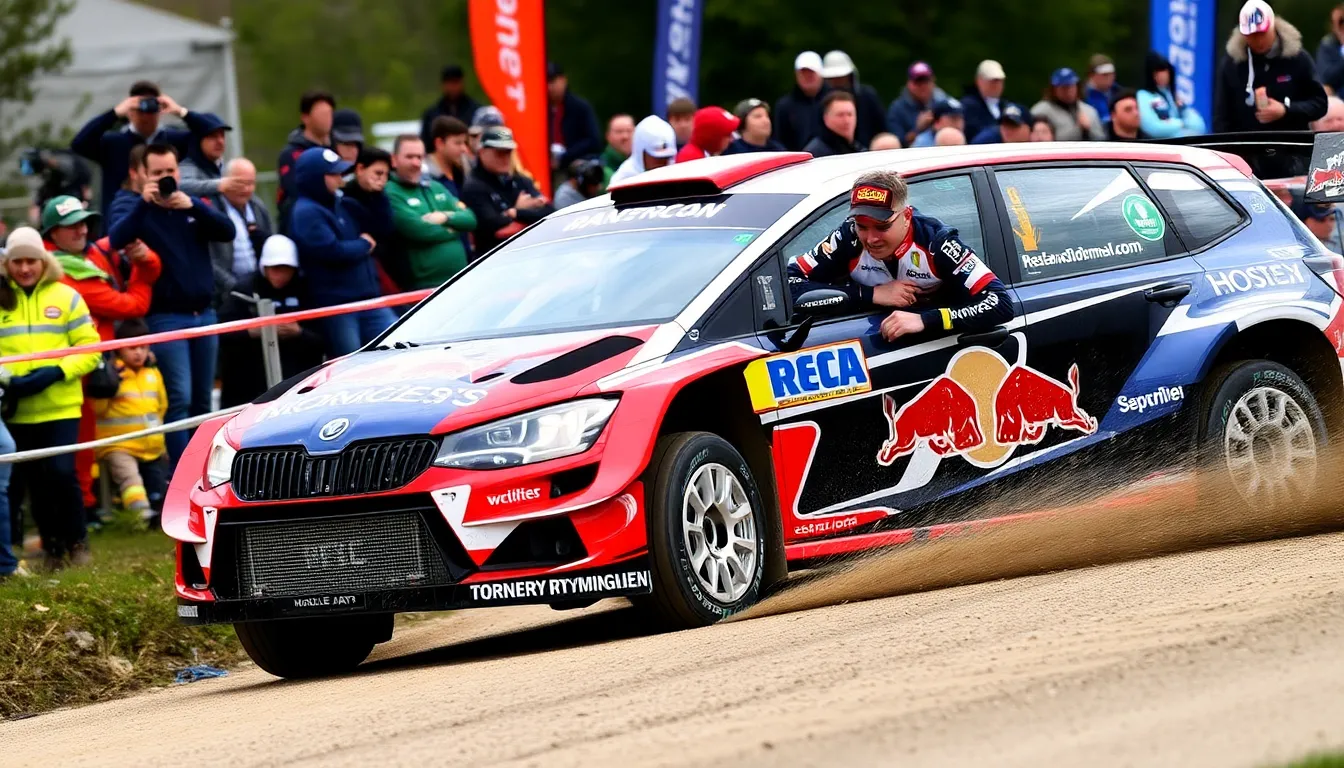
Frequently asked questions about the WRC title race
Looking ahead: What this means for future WRC seasons
The recent WRC season finale has left a significant mark on the championship landscape, with Ogier’s record-tying achievement and Evans’s near-miss for the title. As the dust settles, teams and drivers will need to reassess their strategies and performance metrics heading into the next season. The competition remains fierce, and the implications of this season will resonate through the upcoming races.
Ogier’s continued dominance demonstrates the importance of experience and consistency in securing championship titles. Meanwhile, Evans’s performance indicates that emerging talent is closing the gap, suggesting a more competitive field in the future. Teams will likely focus on enhancing their vehicles’ reliability and speed, while drivers will need to adapt to the evolving dynamics of the championship.
- Ogier’s legacy: Expect Ogier to continue pushing for further records, which may motivate younger drivers to elevate their performance.
- Evans’s potential: With Evans showing strong capabilities, he may emerge as a serious contender in the next season, making him a driver to watch.
- Team strategies: Teams will likely invest in technology and training to close the performance gap, leading to more competitive races.
- Emerging talents: The rise of new drivers indicates a shift in the competitive landscape, suggesting that future seasons may see unexpected outcomes.
- Fan engagement: As the competition intensifies, fan interest and engagement may grow, prompting organizers to enhance viewing experiences.