


Key government departments, including the Department for Digital, Culture, Media and Sport, have been at the forefront of this initiative. The decision to invest in influencers reflects a shift in communication strategies, as traditional media channels are increasingly viewed as less effective in reaching the target audience.
Critics of this spending argue that public funds should be utilized more transparently and effectively, questioning the return on investment from these campaigns. Supporters, however, contend that leveraging influencers can enhance public awareness on important issues, such as health and safety, particularly in the wake of the COVID-19 pandemic.
As of October 2023, the government continues to evaluate the impact of these influencer partnerships. The ongoing discussions around this spending highlight a significant trend in how public relations and marketing efforts are evolving within governmental frameworks.
Understanding the background of influencer marketing in government
Influencer marketing has evolved significantly over the past decade, emerging as a powerful tool for brands and organizations to connect with audiences in a more relatable manner. This trend has also caught the attention of governments around the world, including the UK, which has increasingly turned to social media influencers to disseminate information and engage with the public. The shift towards digital communication strategies reflects broader changes in media consumption, particularly among younger demographics who are more likely to engage with content through social platforms.
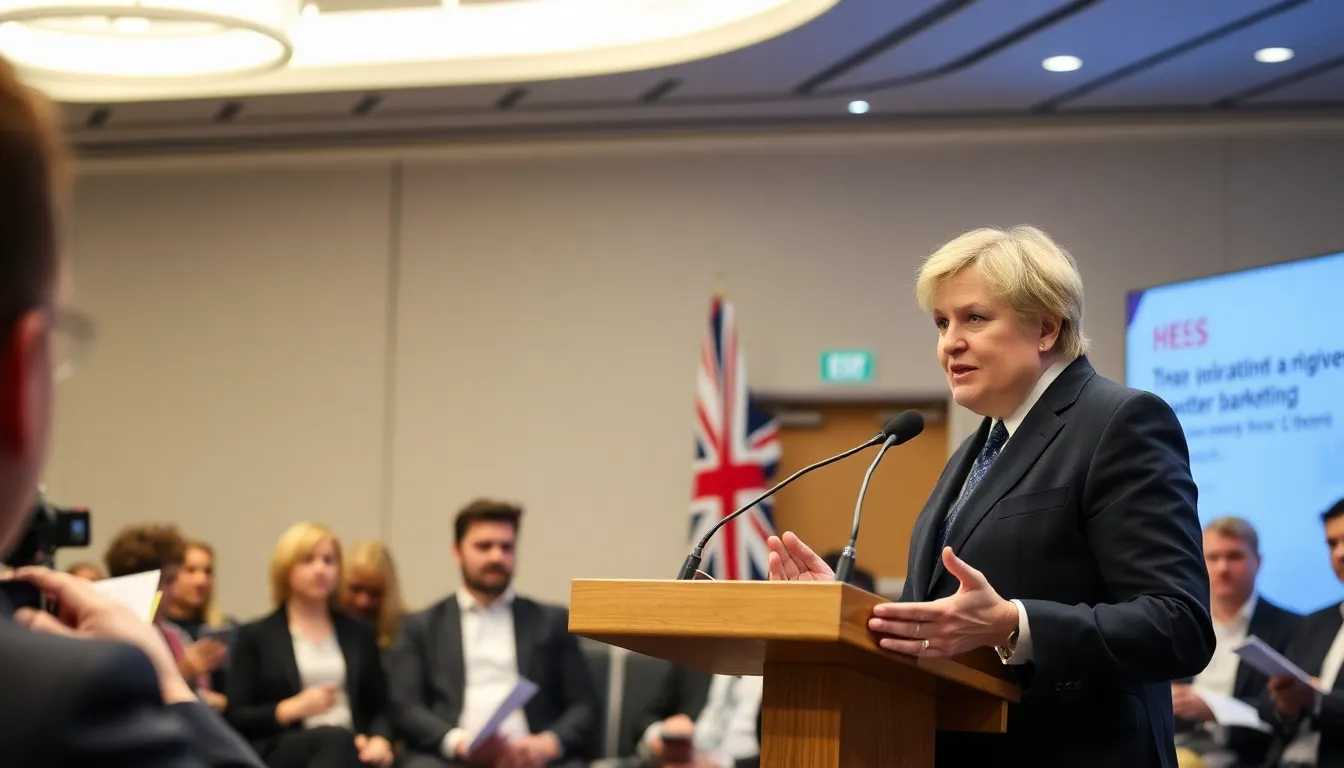
Historically, the UK government has utilized various forms of media to communicate its messages, from traditional print and broadcast media to more modern digital platforms. However, the rise of social media influencers has introduced a new dynamic, where individuals with large followings can sway public opinion and promote initiatives in a more personal and authentic way. This transition gained momentum around 2020, as the COVID-19 pandemic forced governments to adapt their communication strategies to reach citizens effectively during lockdowns.
The economic implications of influencer partnerships
The financial commitment to influencer marketing by the UK government, exceeding half a million pounds since 2024, raises questions about the allocation of public funds. Critics argue that such expenditures could be better directed towards essential services or public campaigns with more traditional outreach methods. However, proponents believe that influencer partnerships can yield a higher return on investment by tapping into the influencer’s established audience, thereby amplifying the government’s messages on critical issues such as health, safety, and public policy.
Moreover, the 2020s have seen a proliferation of social media platforms, each with its own set of influencers who cater to niche audiences. This diversity allows the government to tailor its messaging to specific demographics, maximizing engagement and effectiveness. As the landscape of digital communication continues to evolve, the government’s reliance on influencers is likely to grow, reflecting a broader trend in marketing and public relations.
In summary, the UK government’s investment in influencer marketing is a reflection of changing communication strategies in the digital age, driven by the need to connect with citizens in meaningful ways. As this approach becomes more commonplace, it will be essential to monitor its impact on public perception and the effectiveness of government messaging, particularly as echoed in the conversations surrounding transparency and accountability.
Key stakeholders and issues surrounding government influencer spending
The expenditure of over half a million pounds by the UK government on influencers since 2024 has drawn attention from various stakeholders, each with their own interests and perspectives. Key actors in this scenario include government agencies, social media influencers, the general public, and advocacy groups focused on transparency and accountability.
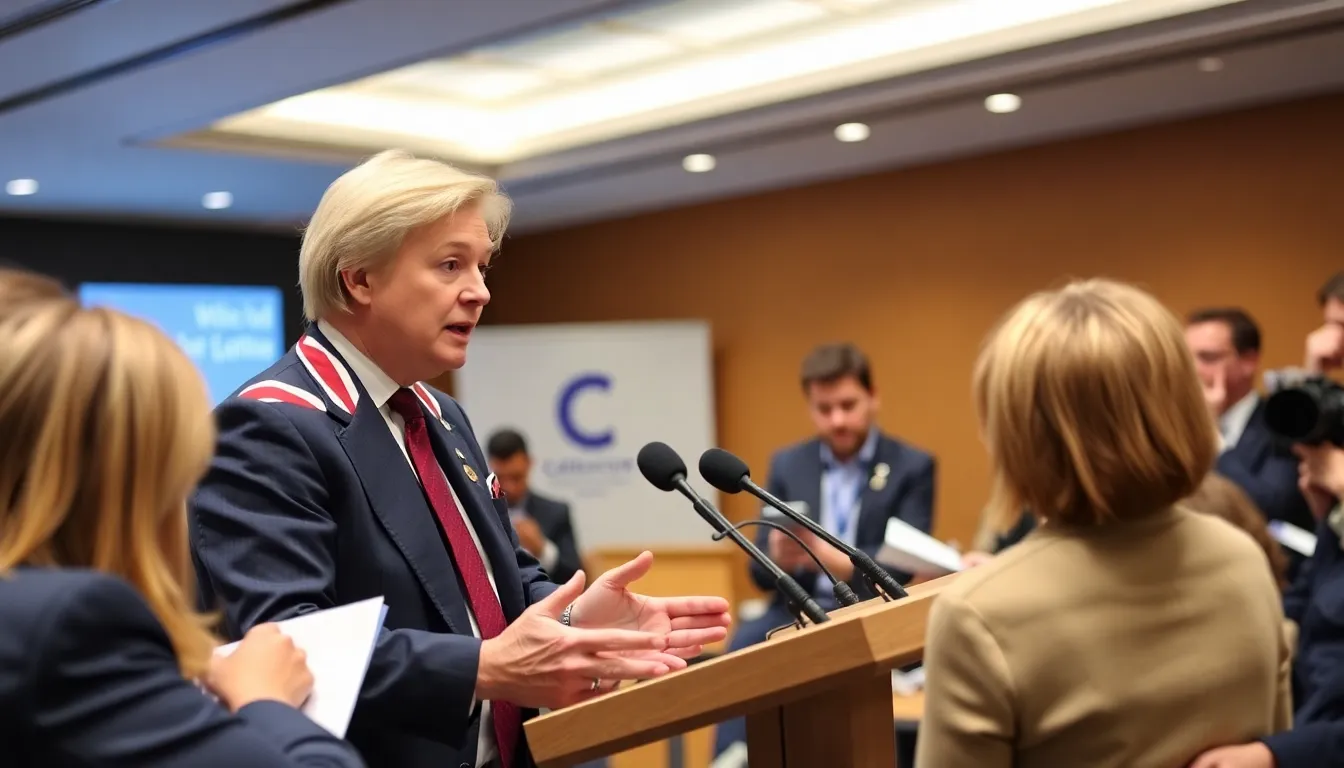
Government agencies, particularly those involved in public relations and communication, are interested in leveraging influencers to reach younger demographics and promote government initiatives effectively. They argue that influencers can create more relatable and engaging content, potentially increasing public awareness and participation in government programs.
On the other hand, social media influencers benefit financially from these partnerships, providing them with a source of income while also enhancing their visibility and credibility. However, this relationship raises ethical questions about the authenticity of the content produced, as influencers may be perceived as endorsing government policies without full transparency regarding their motivations.
The general public plays a critical role in this discussion, as their perception of government spending and influencer marketing can influence trust in government institutions. Concerns about the appropriateness of using taxpayer money for influencer campaigns have been raised, leading to debates about the effectiveness and necessity of such strategies.
- Transparency issues: The lack of clear disclosure about influencer partnerships can lead to public mistrust.
- Effectiveness of campaigns: Questions arise regarding whether influencer marketing achieves its intended goals.
- Ethical considerations: The potential for conflicts of interest and the authenticity of influencer endorsements are under scrutiny.
- Public opinion: Varying perspectives on government spending priorities can lead to societal divisions.
- Legal implications: Compliance with advertising standards and regulations is a significant concern for both the government and influencers.
Who is affected by this government spending on influencers
The UK government’s investment of over half a million pounds in influencers since 2024 has wide-ranging implications for various groups and industries. Primarily, this spending impacts the influencer marketing sector, which has seen a surge in demand for content creators to promote government initiatives. This trend not only affects influencers directly but also extends to brands and businesses that collaborate with them.
Regions with a high concentration of influencers, particularly urban areas such as London, Manchester, and Birmingham, are likely to experience the most significant impact. Local economies may benefit from increased consumer engagement and spending as influencers promote government-backed campaigns, potentially boosting sectors like tourism, hospitality, and retail.
In the short term, the immediate effects of this spending may include heightened visibility for government programs and increased public awareness of policies. However, mid-term impacts could lead to a shift in public perception of government initiatives, as influencers shape narratives around policy effectiveness. This could either enhance public trust or, conversely, lead to skepticism if the campaigns are perceived as insincere.
- Risks: Potential backlash against perceived misuse of public funds.
- Opportunities: Increased engagement with younger demographics who are more likely to respond to influencer marketing.
- Policy shifts: Influence on future government strategies based on public feedback and engagement metrics.
As influencers become more integrated into government communications, there is a risk of overshadowing traditional media channels, which may affect how news is disseminated and consumed. This shift could lead to a more polarized media landscape, where the credibility of information is questioned. Nonetheless, if executed effectively, this strategy may open doors for innovative public engagement and more dynamic interactions between the government and citizens.
A: The UK government has spent over half a million pounds on influencers since 2024, indicating a significant investment in this marketing strategy. A: The government uses influencers to reach younger audiences and promote various initiatives, aiming to enhance public engagement and awareness. A: Yes, there are concerns about transparency and accountability regarding how these funds are allocated and the effectiveness of the campaigns. A: Influencer marketing has been used for public health campaigns, environmental initiatives, and social awareness programs, among others. A: Influencers typically measure success through engagement metrics, audience reach, and feedback, which can help assess the impact of their campaigns.
Frequently asked questions about influencer spending
Insights and future outlook on government influencer marketing
The substantial investment by the UK government in influencer marketing highlights a significant shift in communication strategies aimed at engaging younger demographics. By leveraging the reach and relatability of influencers, government campaigns can potentially enhance public awareness and participation in various initiatives. However, this approach raises questions about transparency and the effectiveness of such spending in achieving desired outcomes.
As the landscape of digital communication continues to evolve, it will be crucial for the government to assess the impact of these campaigns critically. Monitoring engagement metrics and public sentiment will provide valuable insights into the return on investment and help refine future strategies.
- Increased scrutiny: Expect heightened public and media scrutiny regarding the effectiveness and ethical implications of government spending on influencer marketing.
- Need for transparency: Future campaigns may require clearer guidelines on how funds are allocated and the criteria for selecting influencers.
- Engagement metrics: Tracking engagement and conversion rates will be essential in evaluating the success of influencer partnerships.
- Adapting to trends: The government must remain agile, adapting its strategies based on emerging social media trends and shifts in audience preferences.
- Potential for partnerships: Collaborating with influencers who align with specific government initiatives could enhance credibility and outreach.