


This measure comes in response to an alarming rise in SIM card-related scams, which have exploited the existing identification processes, leading to substantial financial losses for consumers and companies alike.
Major telecommunications companies, including SK Telecom, Korea Telecom, and LG Uplus, are now equipped to implement this technology across their retail outlets. The government has emphasized that the integration of facial recognition systems is not only about security but also about fostering consumer trust in digital transactions.
While this development aims to protect users, it has raised concerns regarding privacy and data security. Critics argue that the collection and storage of biometric data could lead to potential misuse, prompting calls for stringent regulations to safeguard consumer information. As South Korea moves forward with this initiative, the balance between security and privacy will be a crucial topic of discussion.
Understanding the background of SIM card regulations in South Korea
South Korea has long been at the forefront of technological advancements, particularly in the telecommunications sector. The country has seen rapid growth in mobile technology since the late 1990s, driven by high consumer demand and a competitive market. However, this progress has also led to a rise in mobile-related fraud, prompting the government to implement stricter regulations to protect consumers and maintain the integrity of its telecommunications infrastructure.
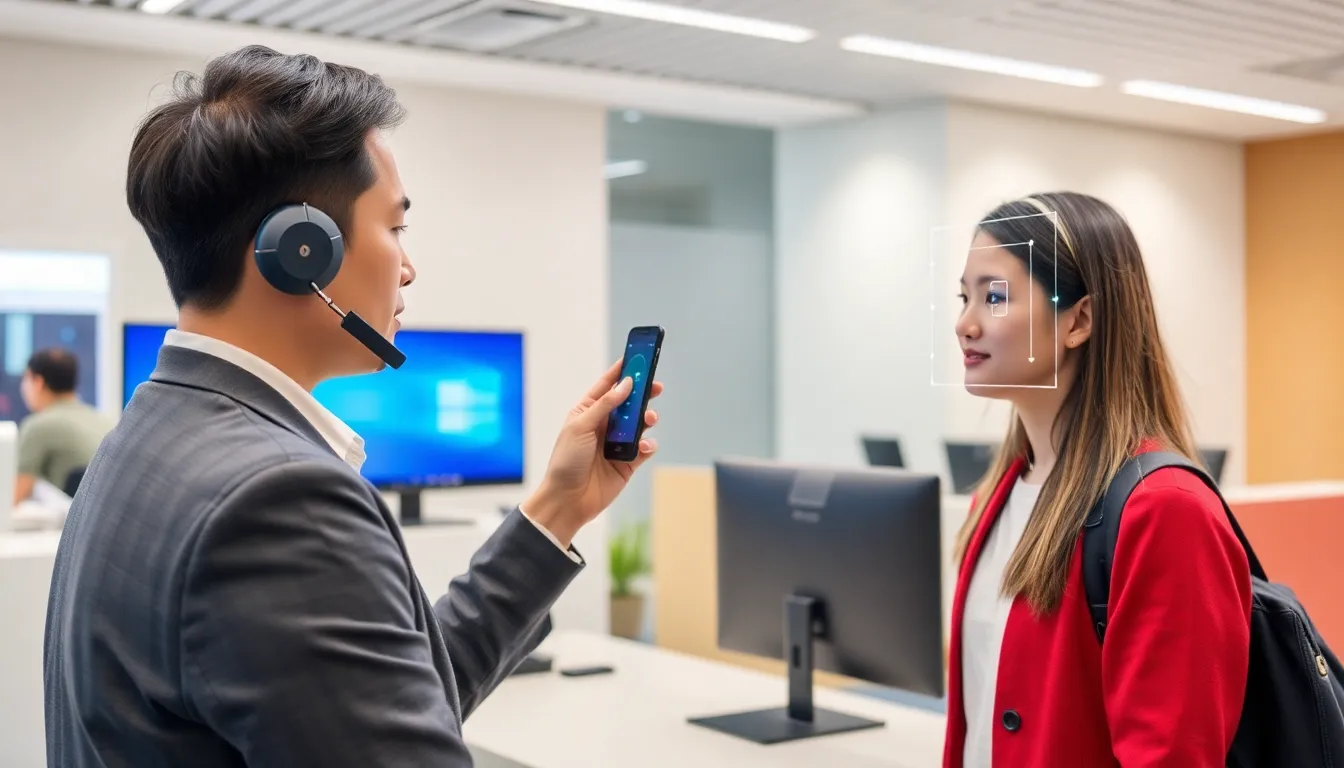
The introduction of the eSIM technology represents a significant shift in how consumers purchase and manage mobile services.
Historical Context of SIM Card Regulations
Historically, South Korea’s approach to SIM card regulations has evolved in response to various challenges. In the early 2000s, the government implemented measures to curb identity theft and fraudulent registrations, which were rampant due to the ease of acquiring SIM cards with minimal identification. These regulations have gradually become more stringent, culminating in the recent decision to require biometric verification, such as facial recognition, for SIM card purchases.
South Korea’s proactive stance reflects its commitment to safeguarding consumer interests while adapting to the changing technological landscape.
As South Korea embarks on this new regulatory phase, it sets a precedent for other nations grappling with similar issues. The balance between technological innovation and consumer protection will be critical as the country navigates the complexities of eSIM adoption and the associated security implications.
Key stakeholders and issues surrounding the new policy
The introduction of the facial recognition requirement for purchasing SIM cards in South Korea brings together various stakeholders, each with distinct interests. The primary actors include the South Korean government, telecommunications companies, consumers, and privacy advocacy groups. Each of these groups has a vested interest in the implications of this policy.
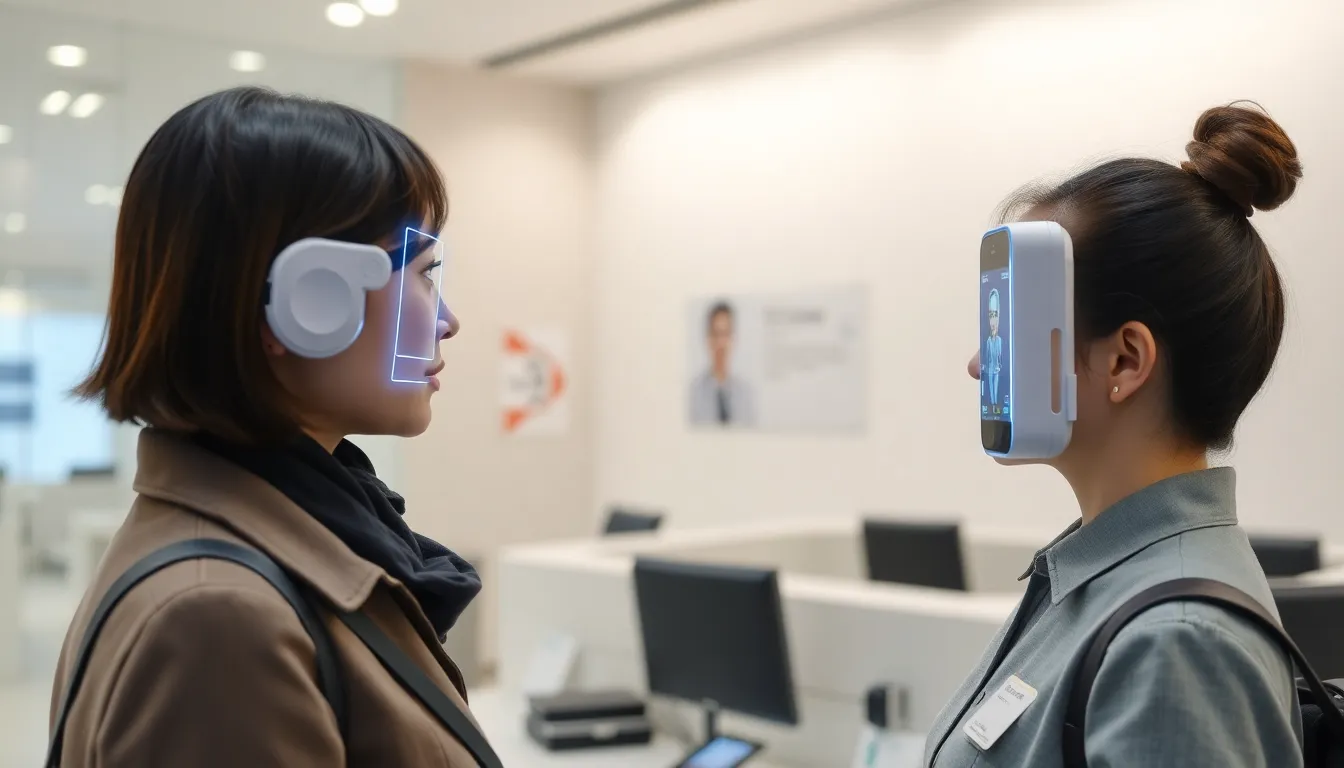
The South Korean government aims to reduce fraud and scams associated with mobile phone services, which have been on the rise. By implementing facial recognition technology, officials believe they can create a more secure environment for consumers and ensure that only legitimate users can acquire SIM cards. This move is also aligned with broader efforts to enhance national security and public safety.
Telecommunications companies stand to benefit from reduced fraud, as it can lead to lower operational losses and improved customer trust. However, they also face the challenge of implementing new technology and ensuring compliance with privacy regulations. The costs associated with integrating facial recognition systems into their sales processes may be significant, potentially leading to increased prices for consumers.
Consumers are at the center of this policy change, as their ability to purchase SIM cards will now hinge on biometric data. While many may appreciate the intention behind the policy, concerns about privacy and data security are paramount. The requirement to scan faces raises questions about how the collected data will be stored, used, and protected from breaches.
- Privacy Concerns: The potential misuse of biometric data and the implications for personal privacy.
- Economic Impact: Possible increase in costs for consumers due to the implementation of new technologies.
- Technological Challenges: The need for telecommunications companies to invest in and adapt to new systems.
- Legal Implications: Compliance with existing privacy laws and regulations surrounding biometric data.
- Public Perception: How consumers perceive the balance between security and privacy in this context.
Implications for consumers and the telecommunications market
The recent decision by South Korea to require facial recognition for SIM card purchases will significantly impact various groups, notably consumers, telecommunications companies, and regulatory bodies. Consumers who are accustomed to the traditional method of purchasing SIM cards may face initial challenges as they adapt to the new biometric verification process. This change is particularly relevant for younger users who are more tech-savvy, as well as for older generations who may find the technology intimidating.
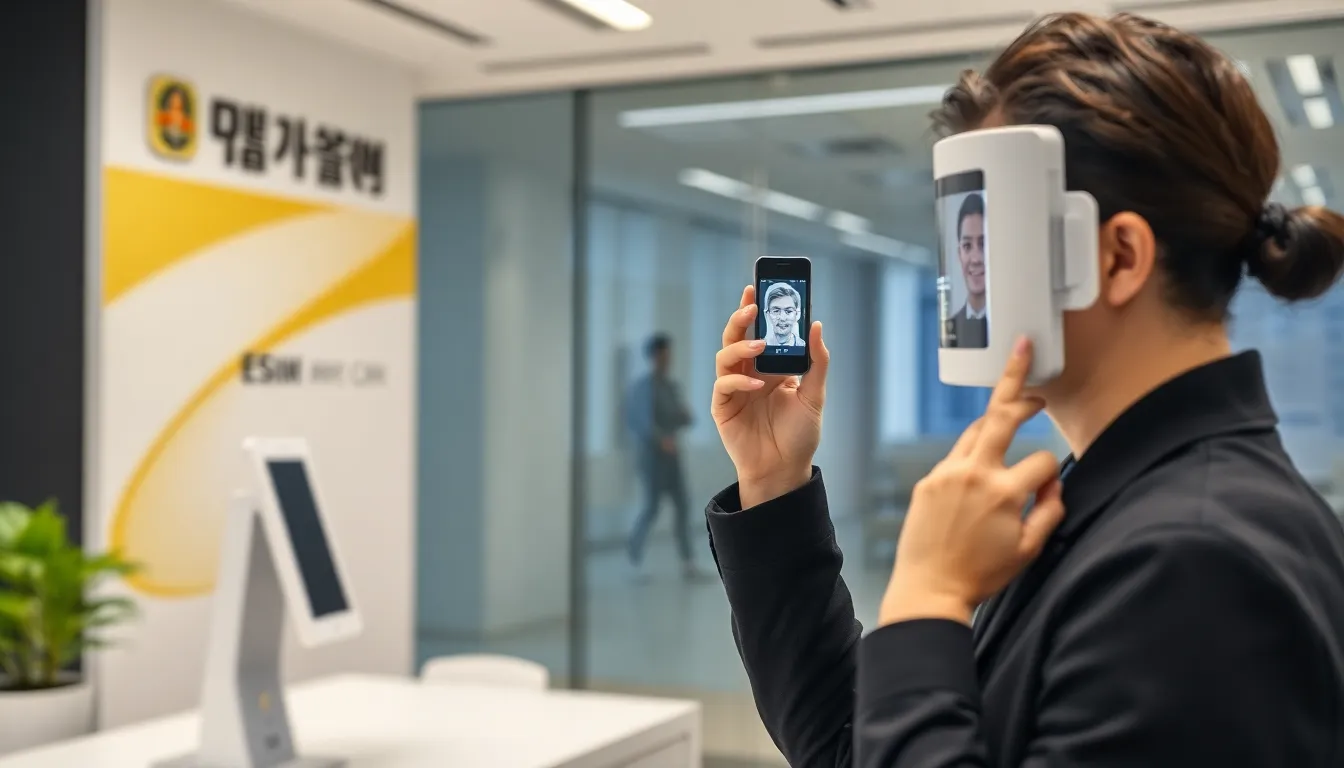
In the short term, this policy is likely to create a more secure environment for mobile transactions, reducing the risk of identity theft and fraud. However, it may also lead to longer wait times and increased complexity in the purchasing process, which could frustrate consumers. Businesses in the telecommunications sector will need to invest in new infrastructure and training to implement these changes effectively.
From a mid-term perspective, the shift to eSIM technology could be accelerated as consumers and businesses adapt to biometric verification. This transition may encourage the development of more advanced digital services and applications, potentially benefiting tech companies and startups focusing on mobile security solutions. However, there are risks associated with privacy concerns and data security, as consumers may be wary of sharing their biometric data.
- Increased security against scams and identity theft.
- Potential delays and frustrations for consumers during the SIM purchasing process.
- Opportunities for tech companies to innovate in mobile security and eSIM technologies.
- Regulatory challenges regarding data privacy and consumer rights.
Overall, while the policy aims to enhance security within the telecommunications market, it also presents challenges that will require careful management by all stakeholders involved.
A: The new policy aims to combat increasing scams and enhance security for consumers when purchasing SIM cards. A: Consumers will need to undergo facial recognition scanning, which may add a step to the SIM card acquisition process. A: It’s possible, as eSIM technology could offer a more streamlined and secure alternative to physical SIM cards. A: There are concerns about data security and how facial recognition data will be stored and used by telecom companies. A: Currently, the policy applies to all consumers purchasing new SIM cards, but specific exemptions may be evaluated in the future.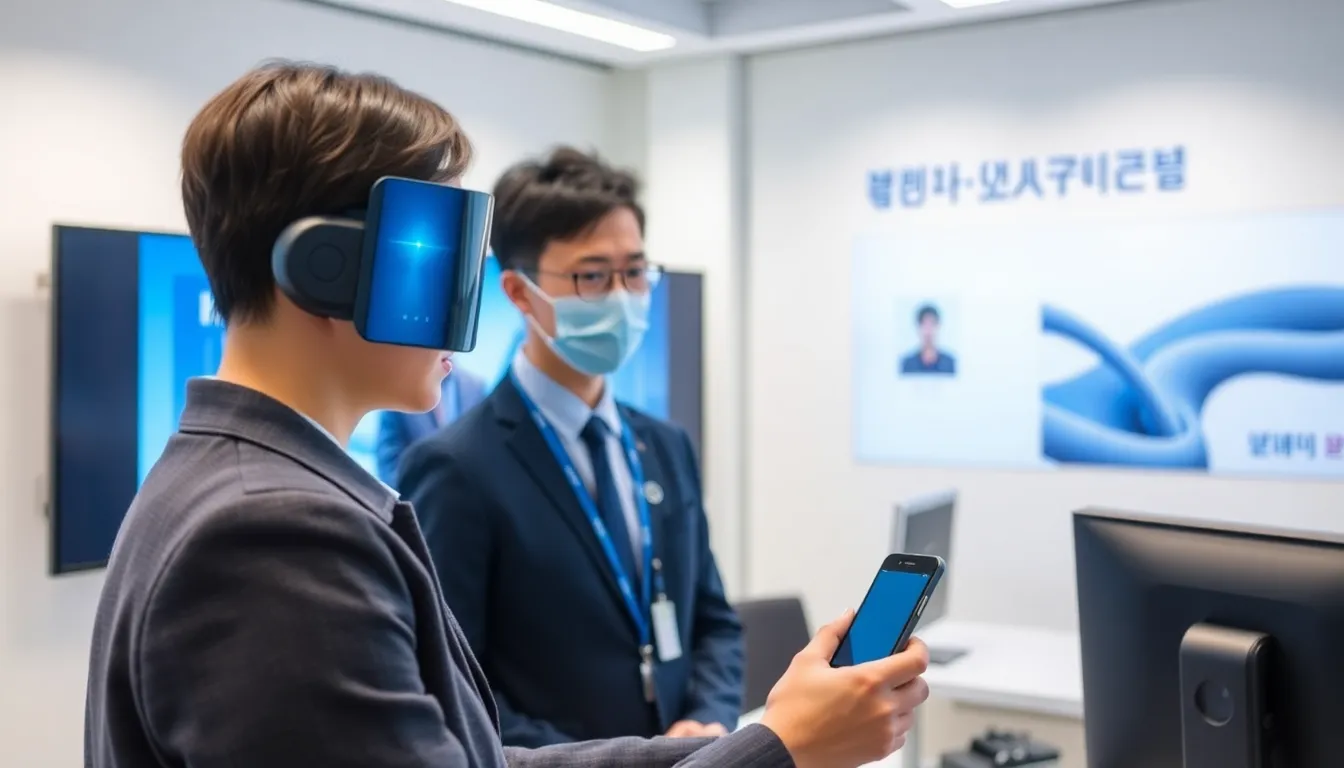
Frequently asked questions about the new SIM card policy
Future outlook on eSIM adoption and security measures
The recent decision by South Korea to require facial recognition for SIM card purchases marks a significant shift in the telecommunications landscape. As eSIM technology continues to gain traction, this move not only aims to enhance security but also addresses rising concerns over identity fraud and scams. Consumers may find themselves navigating a new digital identity verification process that could influence their adoption of eSIMs.
This development may serve as a catalyst for other countries to implement similar measures, potentially reshaping the global approach to SIM card transactions. As the industry evolves, it will be crucial for consumers and service providers to adapt to these changes while balancing security with convenience.
- Monitor the response from consumers regarding facial recognition technology and its impact on SIM card purchases.
- Watch for potential regulatory changes in other countries that may adopt similar security measures for mobile services.
- Consider how the shift to eSIMs could streamline the process of switching carriers while enhancing security.
- Evaluate the implications for telecom providers in terms of infrastructure investment and customer service adjustments.
- Stay informed about advancements in biometric technology and its integration into everyday transactions.