


Data collected by the Marine Conservation Society indicates that sightings of common octopuses have tripled since last year, with hotspots identified in regions such as Cornwall and the Isle of Man. These increases have sparked interest among researchers and conservationists, who are keen to understand the implications for local ecosystems and fisheries. This situation underscores the importance of initiatives aimed at protecting marine life.
The warmer seas, a result of climate change, have created more favorable conditions for octopus breeding and growth. As a result, the UK is witnessing a shift in marine biodiversity, with octopuses becoming a more prominent feature of the underwater landscape. This trend not only affects marine life but also has potential economic implications for the fishing industry and tourism, reflecting the delicate balance we must maintain in marine conservation efforts.
In response to these developments, various organizations are calling for increased monitoring and research efforts to assess the long-term impacts of this octopus boom. Understanding the dynamics of this population growth is crucial, as it may influence species interactions and the overall health of marine environments in the coming years.
Understanding the impact of climate change on marine life
The declaration of 2023 as the “Year of the Octopus” in the UK highlights a significant shift in marine biodiversity linked to climate change. As ocean temperatures rise due to global warming, many species are adapting to new conditions, leading to unexpected increases in populations of certain marine life, including octopuses. This phenomenon not only reflects the resilience of these creatures but also raises questions about the broader implications of climate change on marine ecosystems.
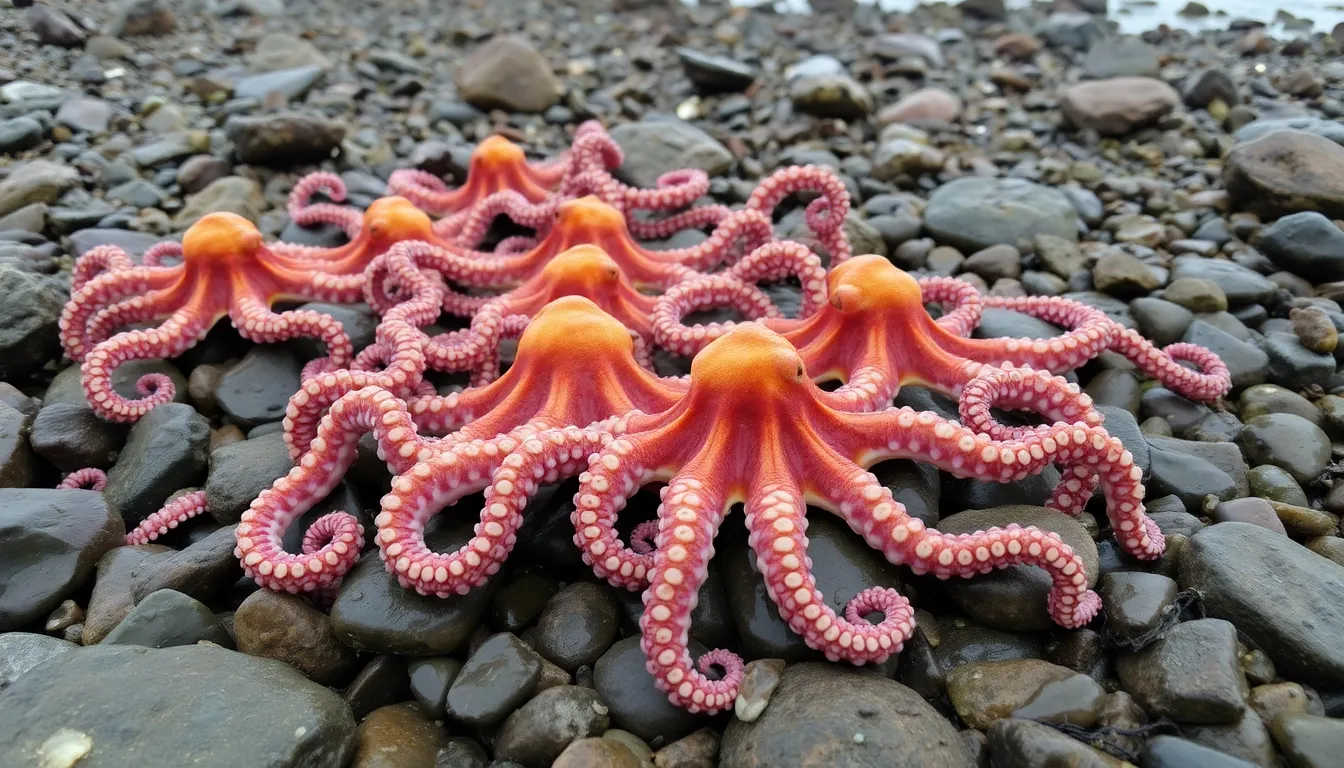
Historically, the UK’s marine environment has experienced fluctuations in species populations influenced by various factors, including overfishing, pollution, and habitat destruction. However, the current surge in octopus numbers is primarily attributed to warmer sea temperatures, which have created more favorable breeding conditions. The increase in octopus populations can also be seen as a response to changes in prey availability, as shifting marine food webs alter the dynamics of ocean life, emphasizing the need for ongoing research into marine ecosystems.
Key milestones in marine conservation
Efforts to understand and mitigate the impacts of climate change on marine life have gained momentum over the past few decades. The establishment of marine protected areas (MPAs) in the UK has been a crucial step in preserving biodiversity and allowing ecosystems to adapt to changing conditions. These areas provide safe havens for various marine species, including octopuses, fostering their growth and reproduction away from the pressures of fishing and habitat degradation.
Moreover, scientific research has advanced significantly, leading to better monitoring of marine populations and the development of strategies to address the impacts of climate change. Initiatives aimed at reducing carbon emissions and promoting sustainable fishing practices are increasingly recognized as essential components of marine conservation efforts. As the UK navigates the challenges posed by climate change, understanding the implications of rising octopus numbers will be vital for ensuring the health of marine ecosystems and the communities that depend on them.
Key stakeholders in the octopus population increase
The recent declaration of a “Year of the Octopus” in the UK highlights various stakeholders invested in the implications of rising octopus numbers due to warmer seas. These stakeholders include environmental organizations, local fishing communities, government agencies, and marine researchers, each with distinct interests and concerns regarding the octopus population surge.
Environmental organizations are primarily focused on the ecological impacts of increased octopus populations. They advocate for sustainable fishing practices and the protection of marine habitats, emphasizing the need to balance marine biodiversity with economic activities. Their interest lies in ensuring that the rise in octopus numbers does not disrupt existing ecosystems or lead to overfishing.
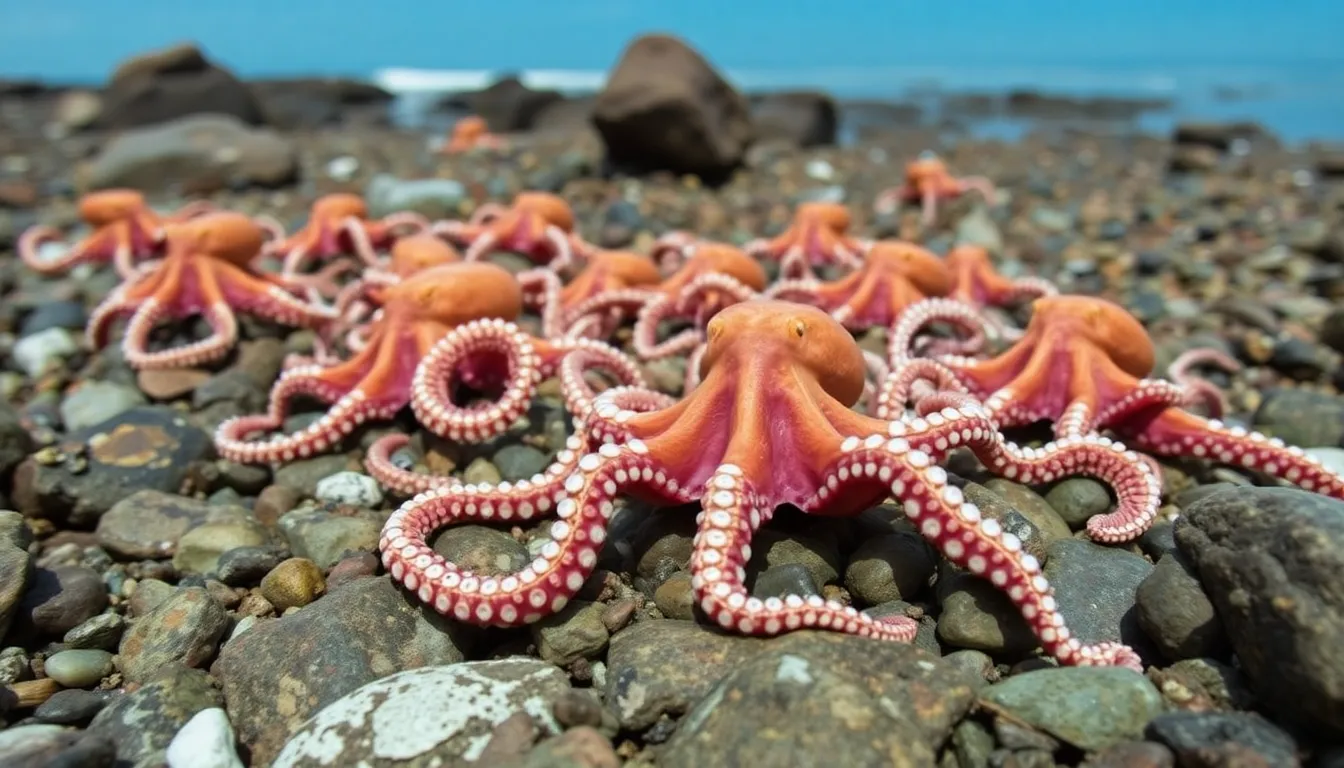
Local fishing communities, on the other hand, have a more complex relationship with the octopus increase. While some fishermen may benefit from higher catches, others could face competition for resources. The potential for octopus to become a lucrative species raises questions about the sustainability of fishing practices and the need for regulations to prevent overexploitation.
Government agencies play a crucial role in managing marine resources and setting policies that govern fishing practices. They must navigate the conflicting interests of economic growth and environmental protection. Key legal issues include establishing quotas, regulating fishing seasons, and ensuring compliance with international marine conservation agreements.
- Economic opportunities: Increased octopus populations can lead to new market opportunities for fishermen.
- Environmental concerns: The rise in octopus numbers may disrupt local ecosystems and impact other marine species.
- Regulatory challenges: Governments must create effective policies to manage octopus fisheries sustainably.
- Research and monitoring: Ongoing scientific studies are essential to understand the implications of changing marine populations.
- Community impact: Local communities may experience both benefits and challenges from the octopus population increase.
Effects on local fisheries and ecosystems
The declaration of the “Year of the Octopus” in the UK has significant implications for various groups, particularly local fisheries, marine conservationists, and coastal communities. As warmer seas lead to a surge in octopus populations, these stakeholders must navigate both the challenges and opportunities presented by this ecological shift.
Local fisheries may experience immediate impacts as octopus numbers rise. Fishermen could see an increase in their catch, potentially boosting their income in the short term. However, this influx may also disrupt existing fishing practices and species balance, leading to overfishing risks if not managed sustainably. The fishing industry will need to adapt by implementing new regulations and practices to ensure the long-term viability of octopus stocks.
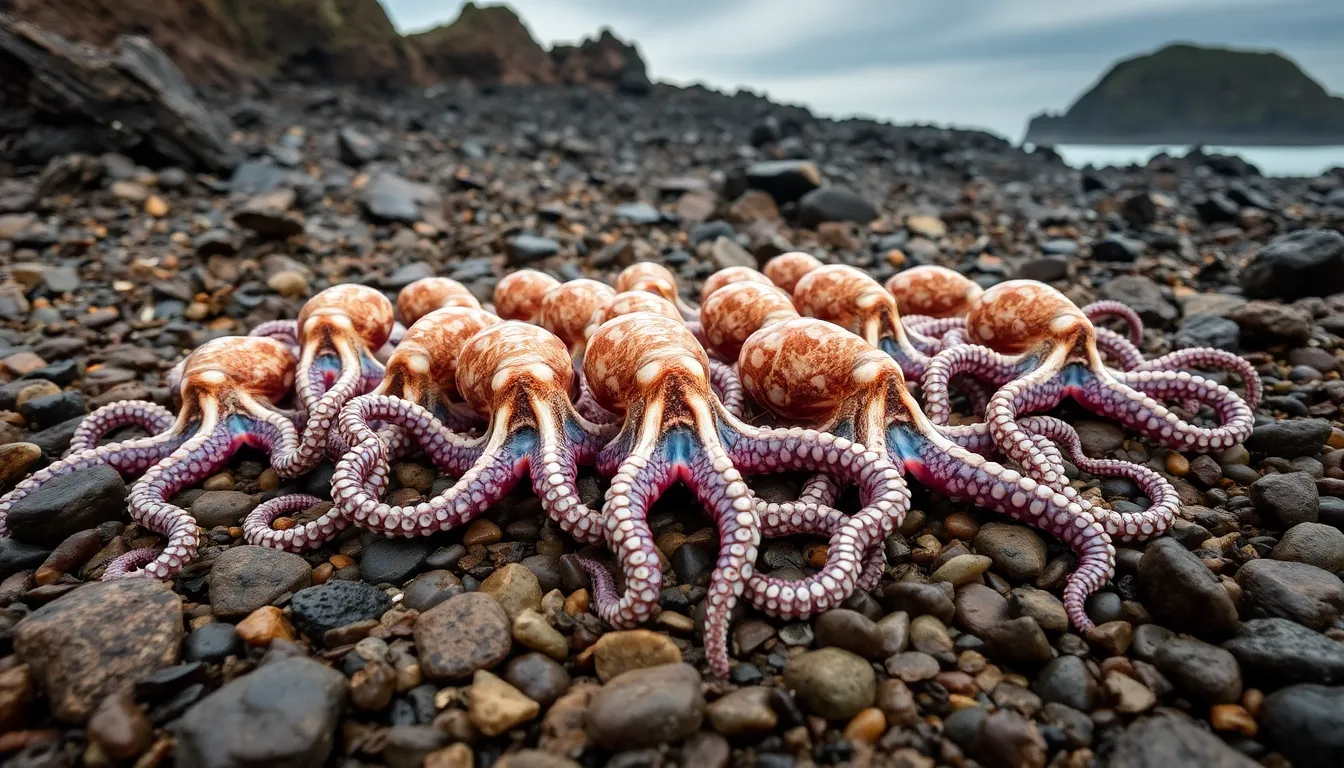
Coastal communities that rely on tourism may also feel the effects of this phenomenon. The increased visibility of octopuses could attract marine enthusiasts and eco-tourists, providing opportunities for local businesses. Dive shops, tour operators, and restaurants could benefit from the heightened interest in marine life, leading to economic growth in these regions.
However, there are also potential risks associated with this ecological shift. The introduction of more octopuses into local ecosystems could lead to competition with native species, affecting biodiversity. Additionally, changes in the marine environment could necessitate policy adjustments, as governments may need to implement new conservation measures to protect vulnerable species and habitats.
- Increased octopus catches for local fishermen.
- Potential for overfishing and ecological imbalance.
- Boost in marine tourism and related businesses.
- Need for new regulations and conservation policies.
As stakeholders assess these impacts, collaboration among fishermen, conservationists, and policymakers will be crucial in balancing economic interests with ecological sustainability. The “Year of the Octopus” presents a unique opportunity to rethink marine resource management and promote a healthier ocean ecosystem.
A: The Year of the Octopus signifies a focus on the increasing octopus populations in the UK, driven by warmer sea temperatures. It aims to raise awareness about marine biodiversity. A: Warmer sea temperatures create favorable conditions for octopus breeding and growth, leading to a significant increase in their populations in UK waters. A: The rise in octopus numbers may affect local fisheries, as they could compete with other marine species for resources. This could lead to changes in fishing regulations. A: Yes, various marine conservation organizations are monitoring octopus populations and advocating for sustainable fishing practices to protect marine ecosystems. A: The public can participate in beach clean-ups, support local conservation initiatives, and educate themselves about marine life to help protect ocean ecosystems.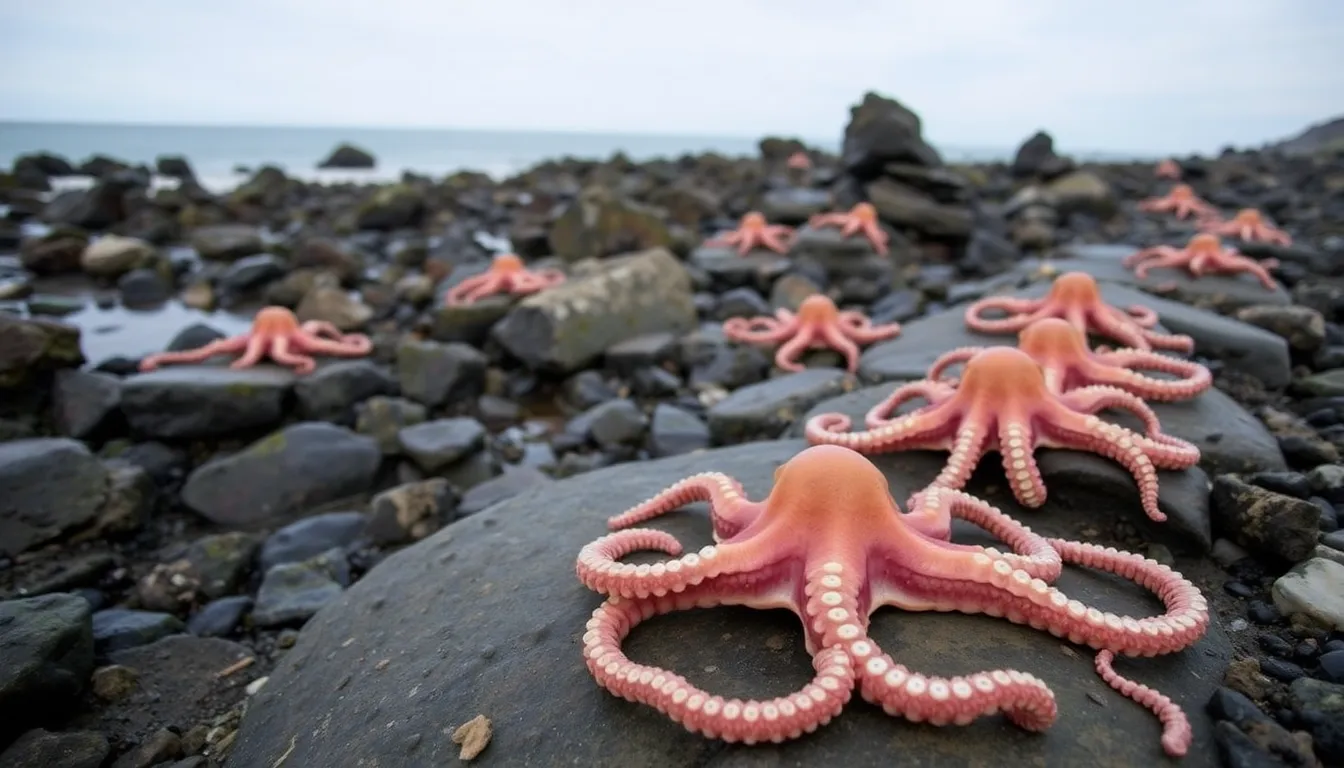
Frequently asked questions about the Year of the Octopus
Looking ahead: implications for marine conservation
The declaration of the “Year of the Octopus” in response to record numbers of octopuses in UK waters highlights the complex interplay between climate change and marine ecosystems. Warmer seas have not only facilitated the growth of octopus populations but also raised questions about the broader impacts on marine biodiversity and fishing industries. As these changes unfold, it becomes essential to monitor the long-term effects on both the species themselves and the habitats they occupy.
Understanding the implications of this phenomenon will be crucial for marine conservation efforts. Stakeholders must consider the potential shifts in ecosystem dynamics, as well as the economic consequences for fisheries and local communities. The situation calls for proactive strategies to ensure the sustainability of marine resources in the face of ongoing climate fluctuations.
- Monitor ecosystem changes: Regular assessments of marine biodiversity will be vital to understand the broader impacts of octopus population growth.
- Adapt fishing practices: Fisheries may need to adjust their methods and regulations to accommodate shifting species distributions and protect vulnerable marine life.
- Support research initiatives: Investing in scientific research will help unravel the ecological impacts of climate change on marine species and habitats.
- Engage local communities: Involving fishermen and coastal communities in conservation efforts can foster sustainable practices and enhance resilience.
- Promote awareness: Public education campaigns can raise awareness about the importance of marine conservation and the role of octopuses in the ecosystem.