


According to industry reports, florists are preparing for an influx of demand as Christmas approaches. With just weeks left until December 25, many businesses are stocking up on popular seasonal flowers like poinsettias and Christmas roses. The National Retail Federation has indicated that holiday spending is expected to rise significantly this year, contributing to the increased floral demand. For more insights on seasonal trends, check out our article on Music Industry Icons.
Several florists have noted that customers are not only purchasing flowers for personal gifting but also for decorating homes and venues for holiday gatherings. This dual purpose of floral arrangements during the festive season is driving sales, making it imperative for florists to manage their inventory effectively. Additionally, online orders have surged, reflecting a broader trend towards e-commerce during the holidays.
The ongoing global supply chain challenges have also impacted the floral industry. While demand is high, some florists are facing difficulties in sourcing certain types of flowers due to shipping delays and increased costs. Despite these challenges, many florists remain optimistic about the season, adapting their offerings to meet customer needs and ensuring that they can deliver beautiful arrangements in time for the holidays.
Understanding the seasonal demand for flowers
The floral industry has long been influenced by cultural traditions and societal norms, with specific seasons driving significant spikes in demand. Historically, flowers have been integral to various celebrations and holidays, serving as symbols of love, joy, and remembrance. Among these occasions, Christmas has emerged as a particularly strong driver of floral sales, often surpassing traditional gift-giving events like Mother’s Day. This shift in demand highlights the importance of seasonal marketing strategies in the floral sector.
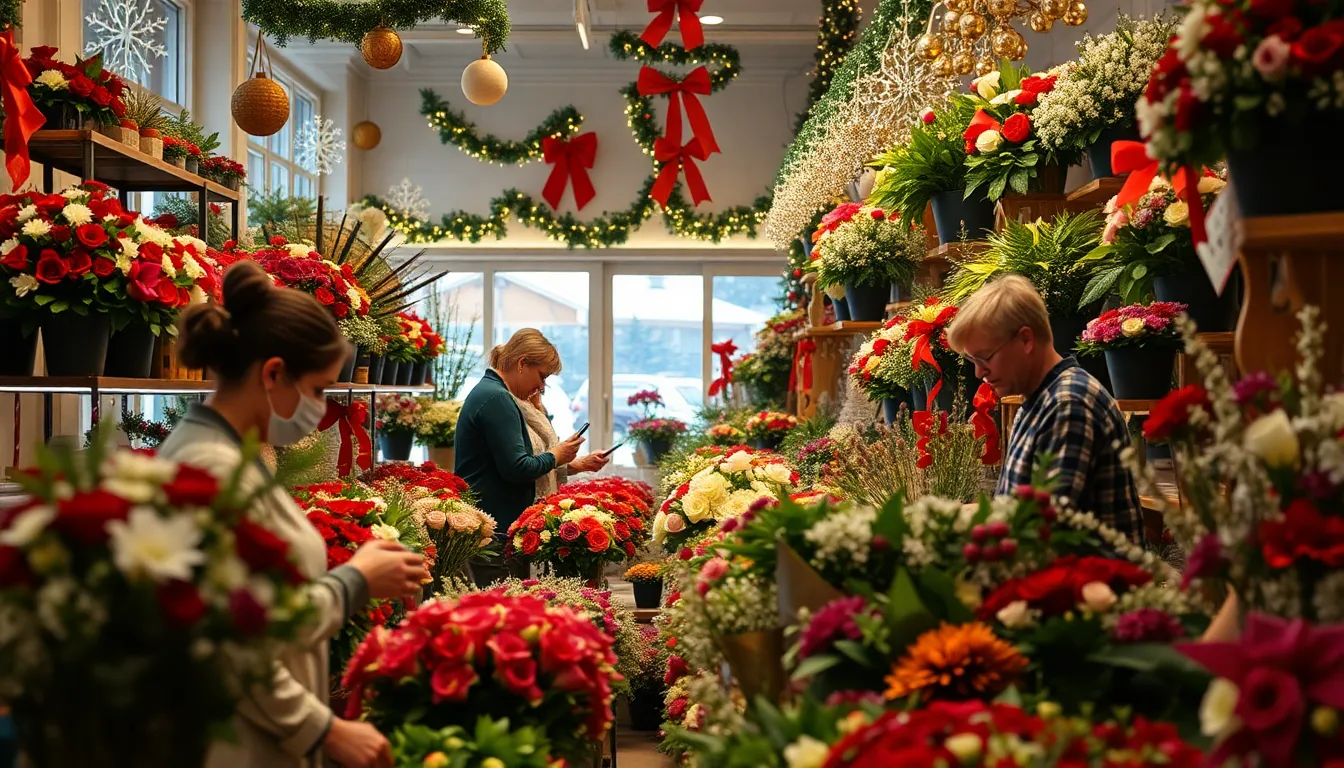
The roots of this trend can be traced back to the commercialization of holidays. In the early 20th century, the practice of giving flowers during Christmas began to gain popularity, with florists promoting seasonal arrangements that reflected the festive spirit. This shift was further fueled by marketing campaigns that positioned flowers as essential gifts for family gatherings and holiday celebrations, leading to an increase in consumer spending during the Christmas season. The dynamics of this marketing can be better understood by examining other industries, such as the music industry.
In contrast, Mother’s Day, while still significant, has not historically enjoyed the same level of floral enthusiasm. Although it is a day dedicated to honoring mothers, the range of gifts and expressions of appreciation has diversified, with consumers often opting for cards, chocolates, and other gifts. This diversification has diluted the floral market’s share during Mother’s Day, allowing Christmas to dominate as the peak season for florists.
The Economic Impact of Seasonal Trends
The economic implications of these seasonal trends are profound. Florists often rely on the holiday season to bolster their annual revenues, with Christmas sales accounting for a substantial portion of their business. This reliance on seasonal demand has led many florists to adapt their inventory and marketing strategies, ensuring they are well-prepared to meet the heightened demand during the festive period. As a result, the floral industry has become increasingly competitive, with businesses striving to create unique offerings that capture the essence of the holiday spirit.
Factors contributing to the rise in Christmas floral sales
The floral industry has observed a significant uptick in sales during the Christmas season, surpassing those of Mother’s Day. This trend can be attributed to a variety of stakeholders, including florists, consumers, and suppliers, each with their own interests and motivations.
Florists, as key players in this market, are keen to capitalize on the festive spirit of Christmas. They often stock up on seasonal flowers and arrangements, aiming to meet the increased demand. This surge in sales not only boosts their revenue but also allows them to showcase their creativity through unique holiday designs.
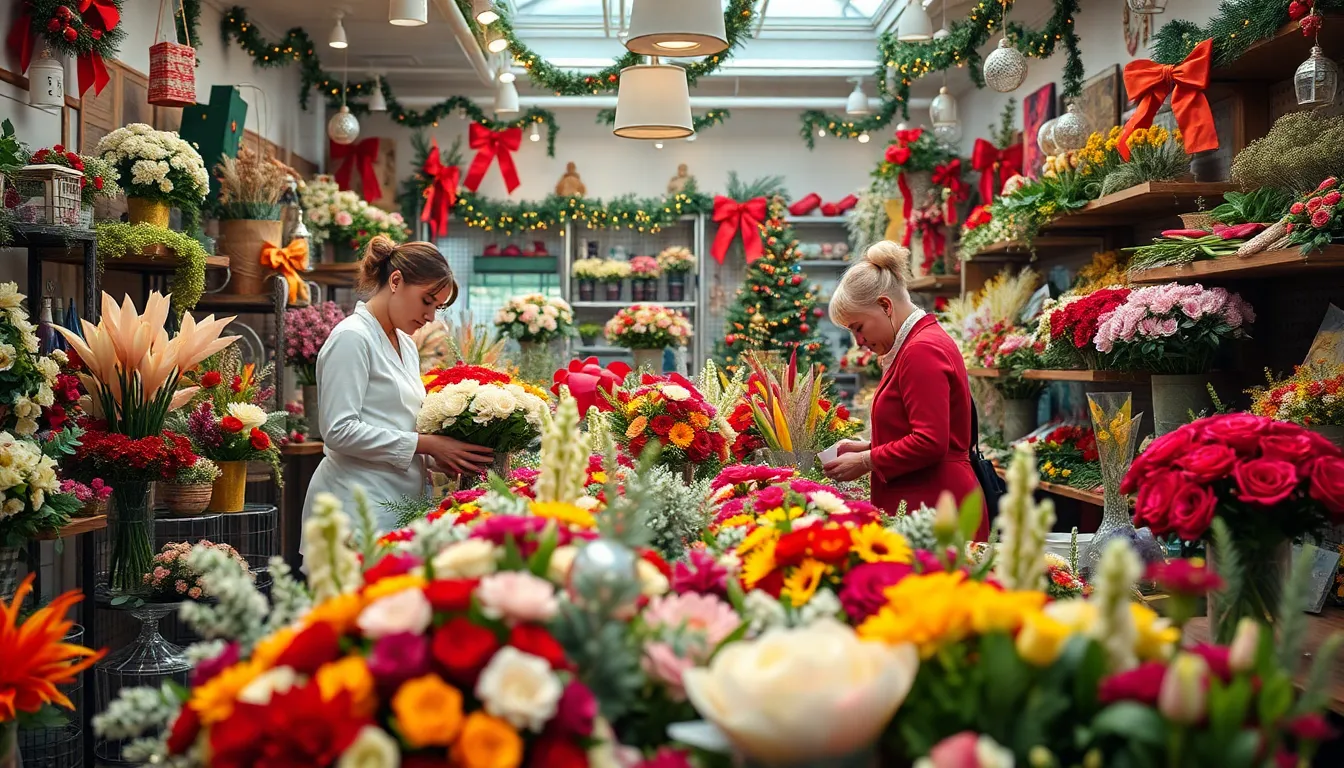
Consumers, on the other hand, are driven by the desire to express their sentiments during the holiday season. Flowers serve as a popular gift choice, symbolizing love, joy, and celebration. The emotional connection associated with giving flowers during Christmas is a strong motivator for shoppers, which in turn drives sales for florists.
However, this rise in demand presents several challenges and conflicts within the industry. Key issues include:
- Supply Chain Disruptions: Increased demand can strain supply chains, leading to potential shortages of popular flower varieties.
- Pricing Pressures: As demand rises, florists may face pressure to increase prices, which could deter some consumers.
- Environmental Concerns: The floral industry must navigate sustainability issues, balancing demand with eco-friendly practices.
Furthermore, the competition between florists intensifies during this period, as they vie for customers’ attention through marketing strategies and promotions. This competitive landscape can lead to innovative offerings but may also result in price wars that could harm smaller businesses.
The implications for florists and the flower market
The recent assertion that Christmas is busier than Mother’s Day for florists highlights significant implications for various stakeholders in the flower market. Primarily, local florists, wholesalers, and delivery services are poised to experience a surge in demand during the holiday season. This shift not only affects their revenue streams but also alters their operational strategies to accommodate increased orders and customer expectations.
In the short term, florists will need to ramp up their inventory and staffing to meet the heightened demand. This could lead to a temporary boost in employment opportunities within the floral industry, as seasonal workers may be hired to assist with production and delivery. However, the rapid increase in demand also poses risks, such as supply chain disruptions or shortages of popular flower varieties, which could impact customer satisfaction.
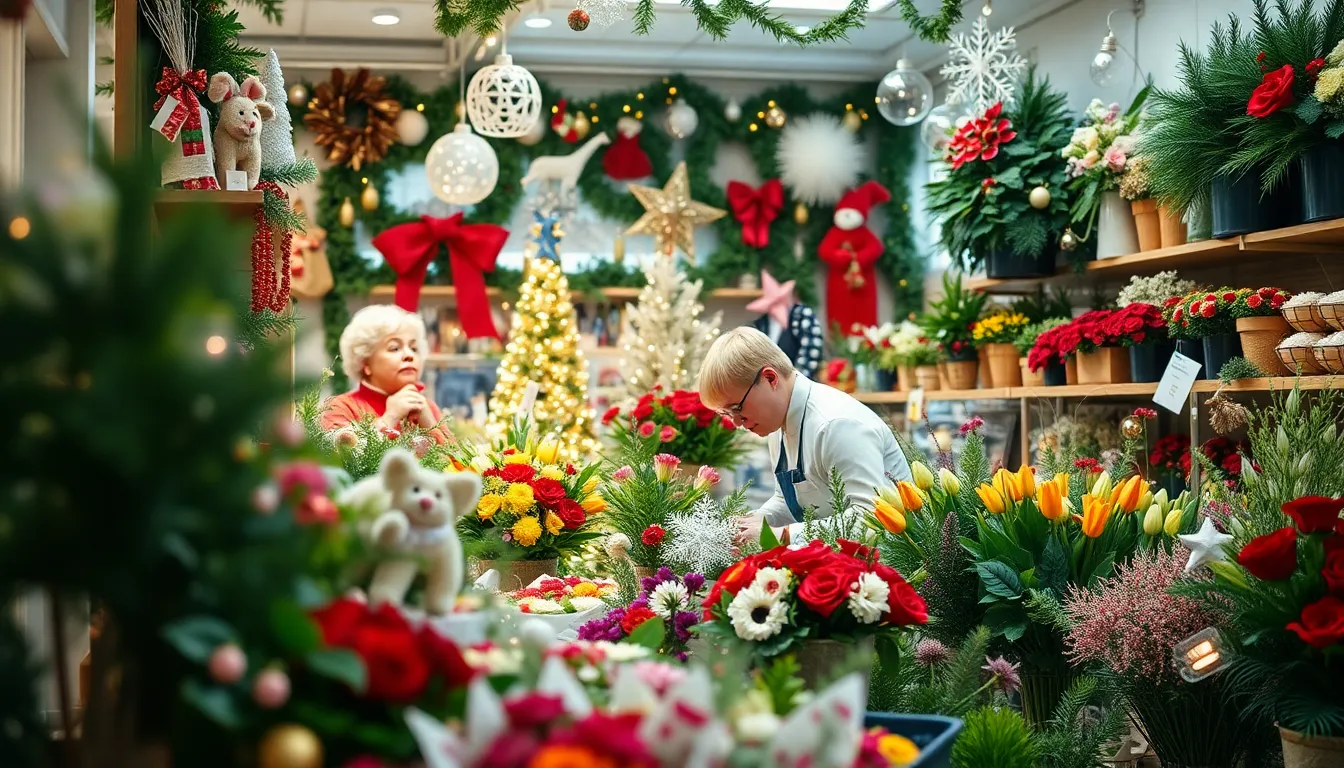
In the mid-term, the trend may encourage florists to diversify their offerings and explore new marketing strategies tailored to the holiday season. For instance, florists might introduce themed arrangements or subscription services that cater specifically to Christmas celebrations. This could foster innovation within the industry and attract a broader customer base, including younger consumers who value unique and personalized floral gifts.
- Increased demand: Florists may see a significant rise in orders, leading to higher revenues.
- Employment opportunities: More seasonal jobs could be created to handle the holiday rush.
- Supply chain challenges: Potential shortages of certain flowers could affect product availability.
- Market diversification: Opportunities for florists to innovate with new products and services.
Regions with a strong floral culture, particularly urban areas, are likely to benefit the most from this trend, as consumers are more inclined to purchase flowers for festive occasions. Conversely, rural florists may face challenges due to lower demand or logistical issues in distribution. Overall, the shift in consumer behavior towards prioritizing Christmas over Mother’s Day presents both challenges and opportunities for the floral industry, shaping its future landscape.
A: The increase in Christmas floral purchases can be attributed to a growing trend of decorating homes and gifting flowers during the holiday season. Additionally, marketing strategies and consumer preferences have shifted, making Christmas a prime time for florists. A: Popular flowers during Christmas include poinsettias, red roses, and seasonal arrangements that incorporate greenery. These flowers are often chosen for their festive colors and ability to enhance holiday decorations. A: Florists typically prepare by increasing their inventory, hiring seasonal staff, and planning marketing campaigns to attract customers. They also focus on creating unique holiday arrangements to stand out in the market. A: Yes, challenges include supply chain issues, increased competition, and managing customer expectations during peak demand. Florists must be strategic in their operations to meet these challenges.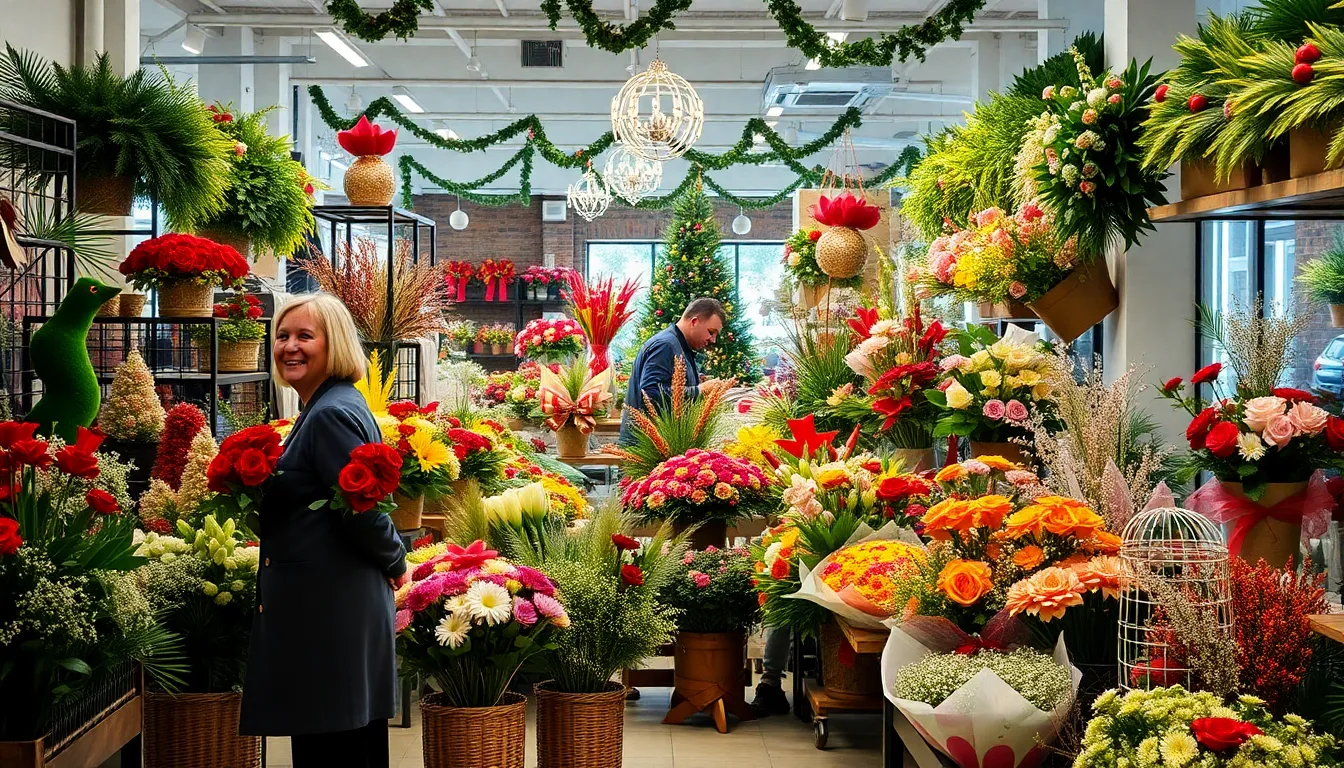
Frequently asked questions about floral sales trends
Key takeaways and future outlook for the floral industry
The recent assertion by florists that Christmas surpasses Mother’s Day in terms of business highlights a significant shift in consumer behavior and seasonal demand. This trend suggests that the floral industry may need to recalibrate its marketing strategies and inventory management to align with changing customer preferences during the holiday season.
As the floral market adapts to these insights, it is essential for businesses to explore innovative ways to enhance customer engagement and capitalize on peak seasons. Understanding these dynamics will be crucial for florists aiming to thrive in an increasingly competitive landscape.
- Seasonal Strategy Adjustment: Florists should consider reallocating resources and marketing efforts to emphasize Christmas as a key sales period.
- Diverse Product Offerings: Expanding product lines to include unique holiday arrangements can attract a broader customer base.
- Customer Engagement: Implementing personalized marketing campaigns during the holiday season can enhance customer loyalty and increase sales.
- Inventory Management: Efficient inventory planning will be critical to meet the high demand during Christmas without overstocking.
- Market Research: Continuous analysis of customer preferences and trends can provide valuable insights for future business decisions.