


Currently, Attenborough’s influence is felt through various initiatives aimed at raising awareness about climate change and biodiversity loss. In 2023, he participated in several high-profile events, including the United Nations Climate Change Conference, where he emphasized the urgent need for collective action. His presence at such gatherings highlights London’s role as a global hub for environmental discourse.
London’s diverse ecosystems and rich history have also shaped Attenborough’s perspective on conservation. The city is home to numerous parks and green spaces, which serve as vital habitats for wildlife and offer residents a respite from urban life. This unique blend of nature and culture is something Attenborough cherishes, making it a key reason for his preference to reside in the capital.
Moreover, Attenborough’s ongoing projects, including documentaries and educational programs, often draw inspiration from London’s natural surroundings. His recent work emphasizes the importance of urban biodiversity, showcasing how cities can be designed to support wildlife. This focus on integrating nature within urban environments resonates with many Londoners, further solidifying his connection to the city.
The historical significance of London in Attenborough’s life
Sir David Attenborough, a renowned broadcaster and natural historian, has long been intertwined with the fabric of London. Born in 1926, his early years were spent in the city, where he developed a profound appreciation for nature and wildlife. London, with its rich history and diverse ecosystems, has served as both a backdrop and a catalyst for Attenborough’s lifelong passion for the natural world.
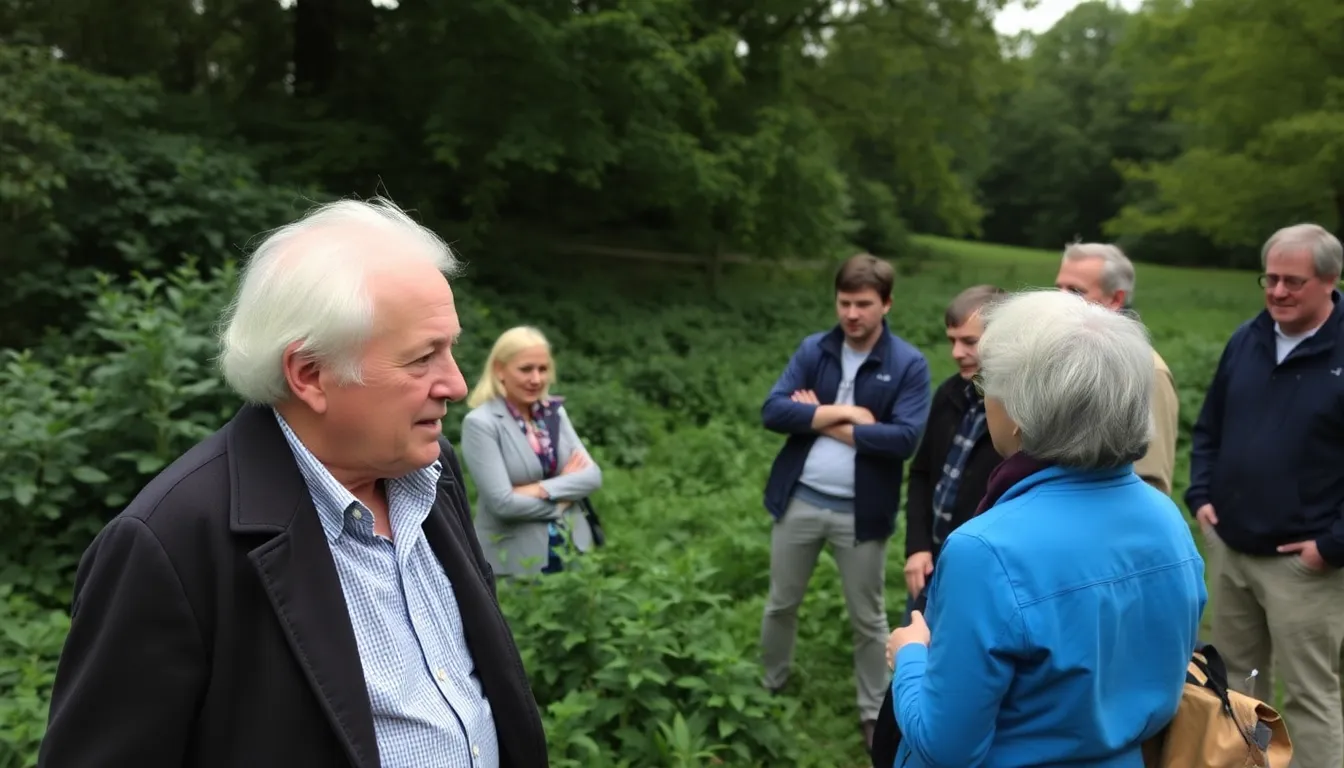
The post-war era, during which Attenborough came of age, marked a period of significant change in London. The city was recovering from the devastation of World War II, and this rebuilding phase fostered a renewed interest in the environment and conservation. As urban areas expanded, so did the awareness of the importance of preserving natural habitats, a theme that would dominate Attenborough’s work in the decades to follow.
Throughout his illustrious career, Attenborough has been a key figure in promoting environmental awareness, and much of his groundbreaking work was produced in London. The BBC, where he spent a significant portion of his career, is headquartered in the city, allowing him to influence public perception on a national and global scale. His documentaries have brought the wonders of the natural world into living rooms across the globe, highlighting the beauty of wildlife and the urgent need for conservation.
The evolution of conservation in London
London has not only shaped Attenborough’s career but has also played a pivotal role in the evolution of conservation efforts in the UK. The establishment of various parks, gardens, and wildlife reserves within the city has provided urban dwellers with access to nature and has become a sanctuary for many species. Institutions such as the Natural History Museum and Kew Gardens have further cemented London’s status as a hub for environmental education and research, echoing Attenborough’s lifelong commitment to conservation.
As the city continues to grapple with urbanization and climate change, Attenborough’s connection to London serves as a reminder of the ongoing need for sustainable practices. His advocacy for environmental stewardship resonates deeply within the context of London’s historical and cultural landscape, making it clear why he cherishes the city as his home.
Key factors influencing Attenborough’s preference for London
Sir David Attenborough’s deep-rooted connection to London is shaped by a variety of stakeholders, including environmental organizations, local government, and the media. Each of these actors plays a crucial role in fostering an environment that aligns with Attenborough’s values and interests.
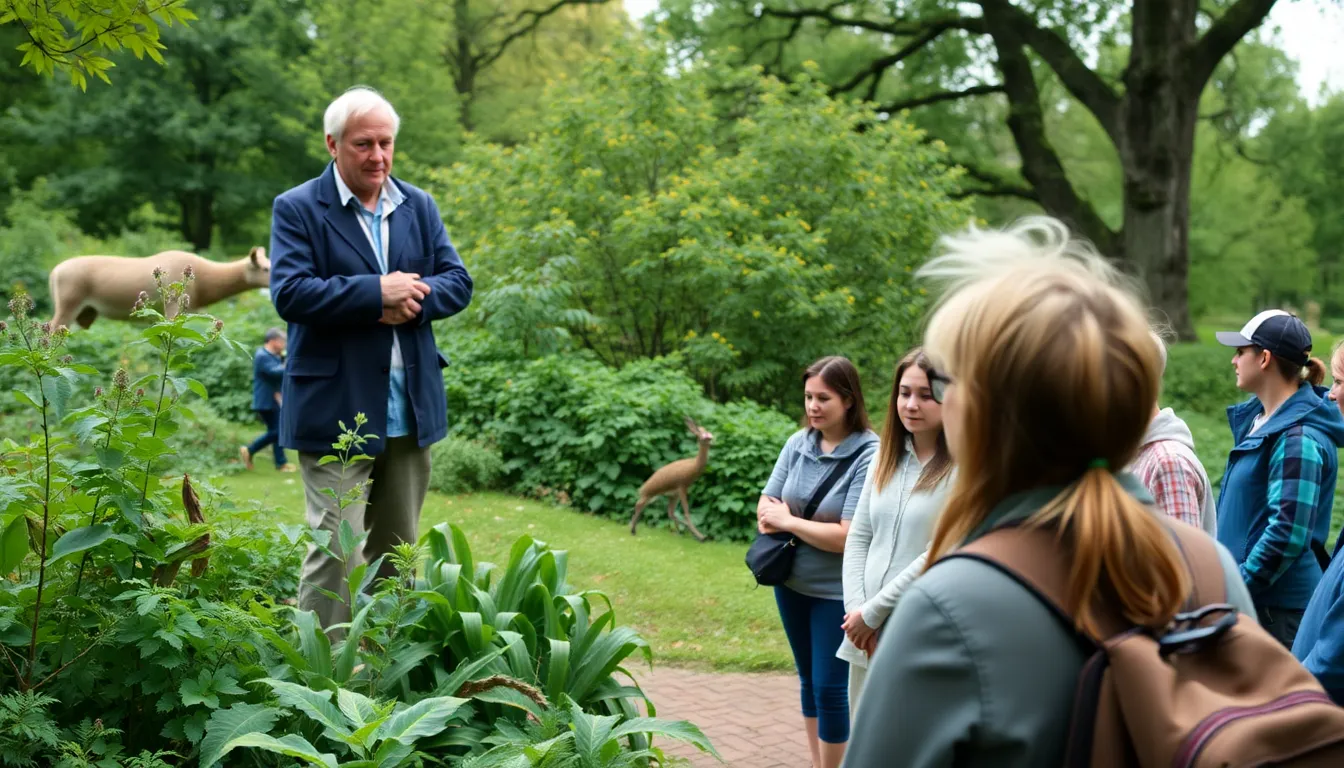
One of the primary stakeholders is the UK government, which has a vested interest in promoting environmental conservation and sustainability. This aligns with Attenborough’s advocacy for climate action, as government policies can significantly impact conservation efforts. However, conflicts often arise between economic development and environmental protection, leading to trade-offs that can affect the effectiveness of conservation initiatives.
Additionally, various environmental organizations, such as the World Wildlife Fund (WWF) and Greenpeace, actively collaborate with Attenborough in raising awareness about ecological issues. These organizations seek to influence public policy and corporate practices, aiming to create a more sustainable future. However, differing priorities among these organizations can lead to fragmented efforts and diluted messages.
The media landscape in London also plays a pivotal role in shaping public perception of environmental issues. As a prominent figure in broadcasting, Attenborough leverages media platforms to educate the public. Nevertheless, the sensationalist nature of some media coverage can sometimes overshadow critical issues, leading to misunderstandings about the urgency of climate action.
- Government policies: Balancing economic growth with environmental sustainability.
- Environmental organizations: Collaborating on initiatives while managing differing priorities.
- Media influence: Shaping public perception and awareness of ecological challenges.
- Public engagement: Encouraging community involvement in conservation efforts.
- Urban development: Addressing the impact of urbanization on natural habitats.
The cultural and environmental impact of Attenborough’s views on London
Sir David Attenborough’s deep connection to London resonates across various groups, particularly environmental advocates, urban planners, and local communities. His perspective on the city’s natural beauty and the importance of sustainability influences policies that aim to protect urban green spaces and promote biodiversity. These groups are motivated to take action in response to his advocacy, which can lead to significant shifts in urban development and conservation efforts.
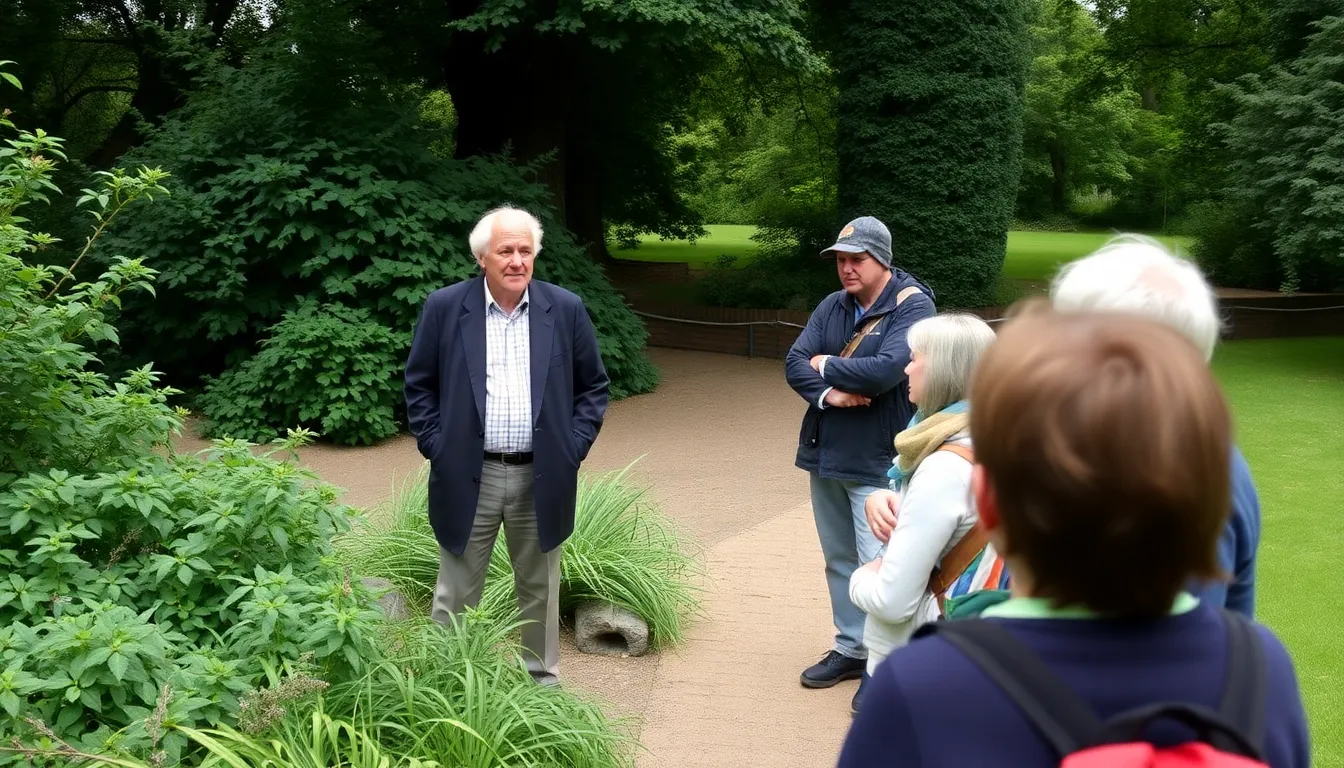
In the short term, businesses in the tourism and hospitality sectors may experience a surge in interest as visitors flock to explore the locations associated with Attenborough’s work and his love for London’s parks and wildlife. This can boost local economies, particularly in areas like Richmond Park and Kew Gardens, where eco-tourism initiatives can thrive. However, increased foot traffic can also pose challenges to these environments, necessitating a balance between tourism and conservation.
Mid-term impacts may include changes in urban policy as city planners incorporate Attenborough’s environmental ethos into their frameworks. This could lead to more green infrastructure projects, such as the development of urban forests and wildlife corridors, which aim to enhance the city’s ecological footprint. Local governments may also prioritize sustainable practices in public transportation and waste management, reflecting a shift in public policy influenced by Attenborough’s advocacy.
- Opportunities: Increased eco-tourism and local economic growth.
- Risks: Environmental degradation from over-tourism.
- Policy Changes: Enhanced sustainability initiatives and urban planning reforms.
Ultimately, the ripple effects of Attenborough’s views extend beyond immediate economic impacts, fostering a cultural shift towards greater environmental consciousness among residents and policymakers alike. As more people embrace his message, the potential for creating a greener, more sustainable London becomes increasingly attainable.
A: Sir David Attenborough loves London for its rich history, cultural diversity, and vibrant arts scene. He appreciates the city’s ability to blend nature with urban life. A: Attenborough often mentions places like the Natural History Museum and Kew Gardens as some of his favorites, highlighting their importance in education and conservation. A: London has been a significant backdrop for much of Attenborough’s work, providing inspiration and resources for his documentaries on nature and wildlife. A: Yes, Attenborough is involved in various environmental initiatives in London, advocating for sustainable practices and conservation efforts in urban settings. A: Attenborough emphasizes that urban living can coexist with nature, urging city dwellers to appreciate and protect the natural world around them.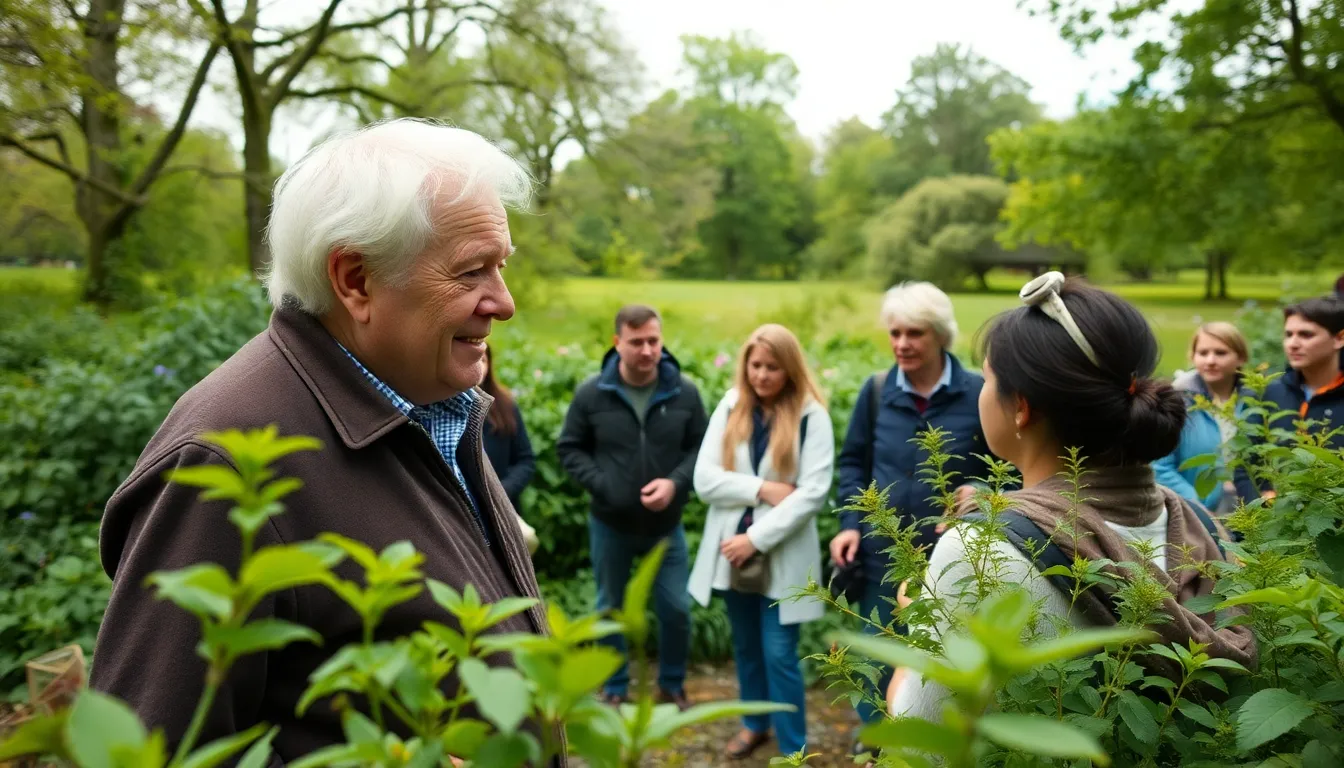
Frequently Asked Questions about Sir David Attenborough and London
Key takeaways on Attenborough’s affection for London
Sir David Attenborough’s deep connection to London reveals much about the city’s unique blend of nature and culture. His unwavering admiration highlights the importance of urban environments that foster biodiversity and sustainability. As cities continue to grow, the lessons learned from Attenborough’s perspective can guide urban planning and conservation efforts, ensuring that nature remains an integral part of urban life.
Looking forward, it is essential to consider how London’s green spaces, cultural institutions, and community initiatives can be leveraged to enhance the quality of life for its residents. Attenborough’s insights serve as a reminder of the vital relationship between humans and the natural world, urging us to protect and cherish our urban ecosystems.
- Urban planning should prioritize green spaces to enhance biodiversity and community well-being.
- Public awareness campaigns can promote the importance of conservation within urban settings.
- Investment in sustainable infrastructure is crucial for maintaining the balance between urban development and nature.
- Collaborations between cultural institutions and environmental organizations can foster a deeper appreciation for nature.
- Engaging local communities in conservation efforts can lead to more resilient urban ecosystems.