


The pardoning process involved a thorough review by the state’s Board of Pardons and Paroles, which ultimately recognized Jelly Roll’s efforts to rehabilitate and positively impact his community. His journey from a troubled past to a successful music career has resonated with many, making his case a focal point for discussions on criminal justice reform.
Supporters of the pardon argue that it not only acknowledges Jelly Roll’s transformation but also serves as a precedent for others in similar situations. This decision could inspire a broader examination of how the legal system handles past convictions, particularly for those who have turned their lives around and are contributing positively to society.
As public interest in criminal justice reform grows, Jelly Roll’s pardon may encourage further dialogues about rehabilitation versus punishment. The implications of this case extend beyond the individual, potentially influencing policies and attitudes toward pardons and second chances in the future.
Understanding the background of Jelly Roll’s convictions
Jelly Roll, the popular rapper and songwriter, has recently made headlines not only for his music but also for the significant legal changes in his life. His past convictions for robbery and drug-related offenses have been a central part of his narrative, reflecting broader societal issues surrounding crime, rehabilitation, and the justice system in the United States. These convictions, which occurred during a tumultuous period in his life, have shaped both his personal journey and public persona.

The social context of Jelly Roll’s past offenses can be traced back to the challenges faced by many individuals in economically disadvantaged communities. Often, systemic issues such as poverty, lack of access to education, and limited job opportunities contribute to higher crime rates. Jelly Roll’s early life was marked by these struggles, and his experiences resonate with many who have faced similar circumstances. His story highlights the intersection of personal choices and systemic barriers that can lead to criminal behavior.
The Path to Redemption
In recent years, there has been a growing movement towards criminal justice reform, emphasizing rehabilitation over punishment. This shift has been influenced by various high-profile cases and advocacy efforts that call for a more compassionate approach to those with criminal backgrounds. Jelly Roll’s pardon is part of this larger trend, reflecting a societal recognition that individuals can change and deserve a second chance. His journey from incarceration to success serves as a powerful example of redemption and the potential for transformation.
Key milestones in Jelly Roll’s life, including his rise to fame and subsequent legal battles, have sparked discussions about the effectiveness of the justice system. His pardon not only signifies a personal victory but also brings attention to the importance of addressing the root causes of crime and the need for comprehensive support systems for those seeking to reintegrate into society. As more artists and public figures share their stories, the narrative around criminal convictions continues to evolve, fostering a dialogue about justice, redemption, and societal responsibility.
Exploring the implications of Jelly Roll’s pardon
The recent pardon granted to Jelly Roll, a prominent figure in the music industry, for his previous robbery and drug convictions has sparked significant discussion among various stakeholders. This decision not only affects Jelly Roll’s personal and professional life but also raises questions about the broader implications for the criminal justice system and societal attitudes towards rehabilitation.
Key actors in this scenario include Jelly Roll himself, the legal system, advocacy groups focused on criminal justice reform, and the general public. Jelly Roll’s interests lie in reclaiming his reputation and pursuing a successful career without the burden of past convictions. Meanwhile, the legal system must balance the principles of justice and rehabilitation, while advocacy groups may view this pardon as a potential precedent for similar cases.
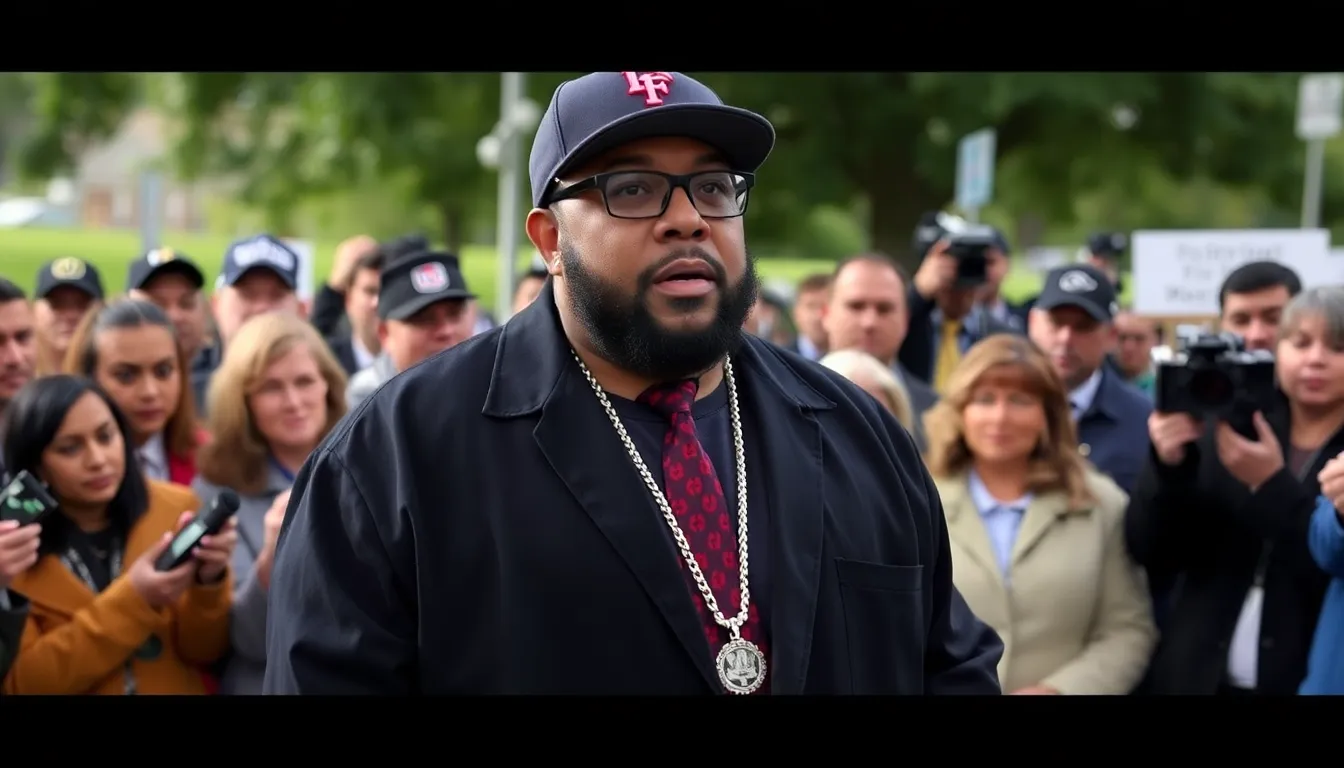
Several conflicts and trade-offs emerge from this situation. For instance, while pardoning individuals like Jelly Roll can be seen as a step towards restorative justice, it may also lead to public backlash from those who believe that such actions undermine the severity of criminal behavior. Additionally, the economic implications for Jelly Roll’s future career could influence public perception, as successful reintegration may be viewed as a positive outcome of the pardon.
- Public Perception: The pardon may polarize opinions, with some viewing it as a second chance and others as a failure of the justice system.
- Legal Precedent: This case could set a precedent for future pardons, influencing how the justice system handles similar requests.
- Advocacy Movements: Organizations advocating for criminal justice reform may leverage this case to push for broader changes in policy.
- Economic Opportunities: Jelly Roll’s pardon could open doors for new business ventures and collaborations in the entertainment industry.
- Social Responsibility: The decision raises questions about societal responsibility in supporting individuals with criminal backgrounds.
In summary, Jelly Roll’s pardon is a multifaceted issue that encompasses various interests and concerns. The stakeholders involved must navigate the complexities of justice, public opinion, and the potential for positive change in the lives of individuals with criminal histories.
The impact of the pardon on Jelly Roll’s career and community
The recent pardon granted to Jelly Roll for his previous robbery and drug convictions marks a significant turning point not only in his personal life but also in the broader context of the music industry and his community. This decision affects various groups, including fans, aspiring artists, and those who have faced similar legal challenges. The pardon serves as a beacon of hope for individuals seeking redemption and a second chance.
In the short term, Jelly Roll’s pardon may lead to increased visibility and opportunities within the music industry. He may be able to collaborate more freely with other artists and participate in high-profile events that were previously out of reach due to his criminal record. This can inspire fellow musicians who have faced similar struggles, potentially creating a ripple effect that encourages them to pursue their dreams.
From a community perspective, the pardon could foster a more supportive environment for rehabilitation and reintegration. Local organizations that focus on helping formerly incarcerated individuals may see a boost in engagement, as Jelly Roll’s story resonates with many. This could lead to increased funding and resources for programs aimed at reducing recidivism and promoting social justice.
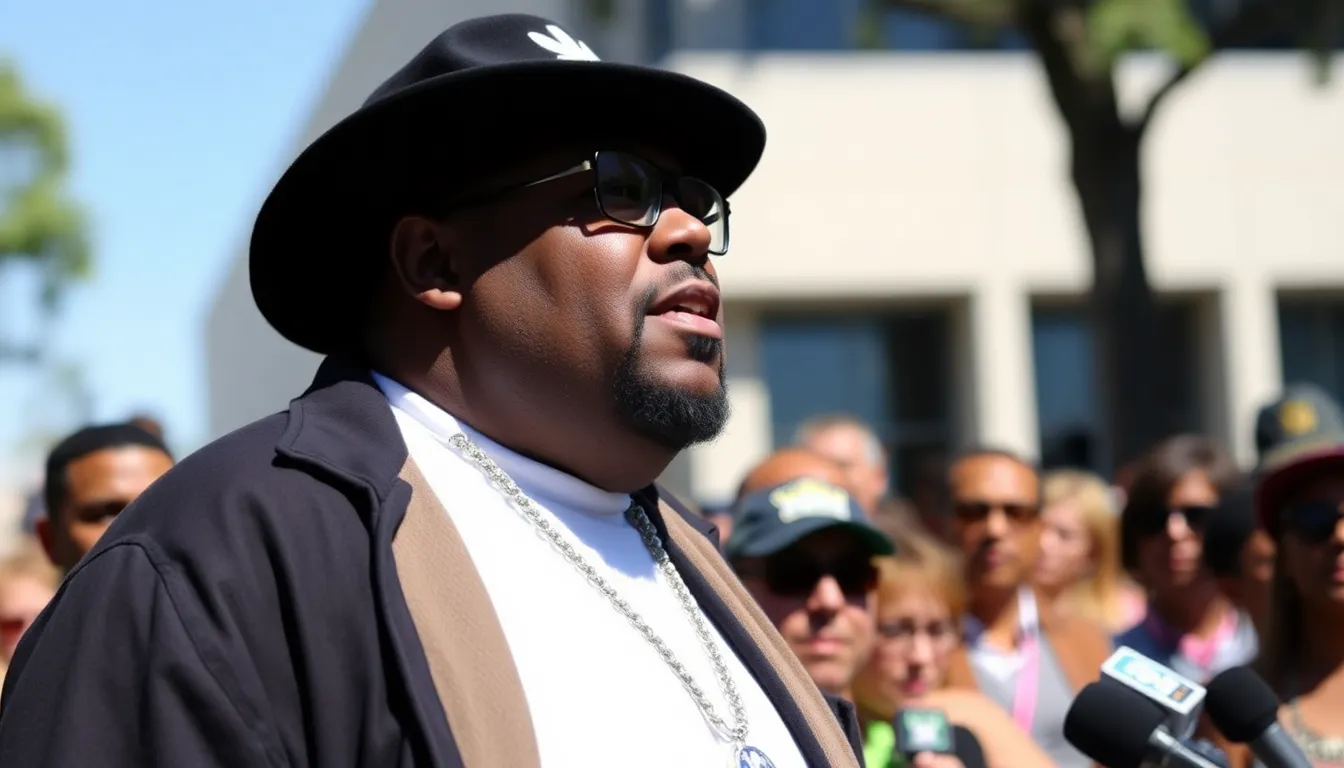
However, there are risks associated with this pardon. Critics may argue that it sends the wrong message about accountability and consequences for criminal behavior. Additionally, Jelly Roll may face scrutiny and backlash from those who believe his past actions should not be overlooked. This could impact his public image and, consequently, his career.
On the other hand, there are potential opportunities for policy change as well. Jelly Roll’s pardon could spark discussions around criminal justice reform, particularly regarding how society views and supports individuals with criminal histories. This could lead to more lenient policies and greater emphasis on rehabilitation rather than punishment.
- Increased opportunities for Jelly Roll within the music industry.
- Boost in community support for rehabilitation programs.
- Potential backlash and scrutiny regarding the implications of the pardon.
- Opportunities for policy discussions on criminal justice reform.
A: Jelly Roll’s pardon was granted due to his demonstrated rehabilitation and contributions to society since his convictions. A: The pardon may open new opportunities for Jelly Roll in the music industry, allowing him to focus on his artistry without the stigma of his past. A: Jelly Roll was previously convicted of robbery and drug-related offenses, which have impacted his life and career for many years. A: While pardons can happen, they are not very common for artists, especially for serious offenses like robbery and drug charges. A: Jelly Roll’s pardon may inspire others with similar backgrounds to seek rehabilitation and pursue their dreams despite past mistakes.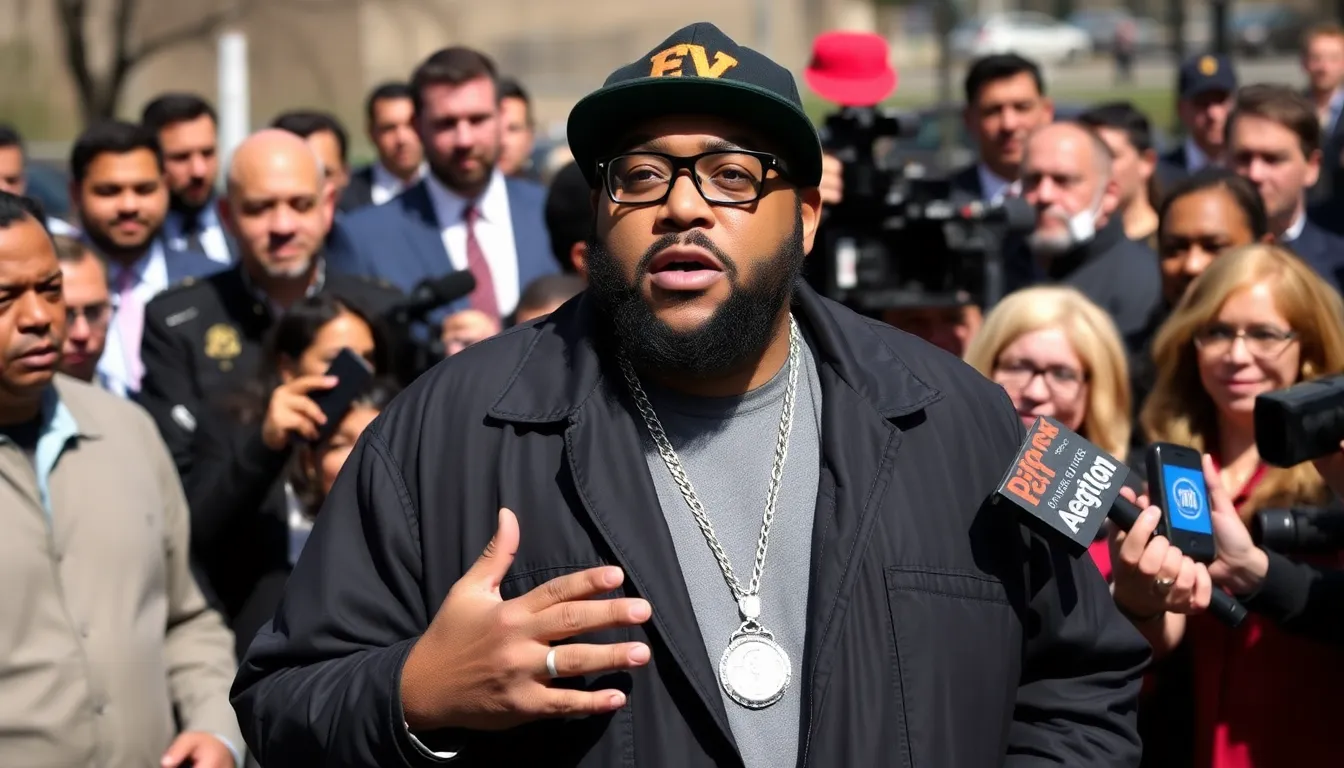
Frequently asked questions about Jelly Roll’s pardon
Key takeaways and future outlook on Jelly Roll’s journey
The recent pardon granted to Jelly Roll for his past robbery and drug convictions marks a significant turning point in his life and career. It not only highlights the potential for redemption but also raises questions about the role of the justice system in supporting rehabilitation. As Jelly Roll continues to evolve as an artist, his story serves as an inspiration for many who face similar struggles.
Looking ahead, the implications of this pardon extend beyond Jelly Roll himself. The music industry may see a shift in how artists with complex pasts are perceived and supported. This could lead to increased advocacy for second chances and a broader dialogue on the intersection of art and personal history.
- Increased visibility for rehabilitation efforts: Jelly Roll’s story may inspire more discussions around the importance of rehabilitation in the justice system.
- Potential collaborations and opportunities: As a pardoned individual, Jelly Roll may attract new partnerships and projects that align with his transformative narrative.
- Impact on public perception: His journey could change how fans and the public view artists with troubled pasts, promoting a more forgiving and understanding culture.
- Encouragement for others: Jelly Roll’s success post-pardon can motivate others in similar situations to pursue their passions and seek redemption.