


The study, conducted by a team from the University of Alaska and the National Oceanic and Atmospheric Administration (NOAA), highlights the growing concern over the impact of climate change on marine ecosystems. For more insights on related research, check out Research Flights Over the Atlantic Enhance Atmospheric River Forecasting.
In the summer of 2023, researchers successfully deployed drones equipped with specialized sensors to collect breath samples from various whale species. Preliminary results indicated the presence of a virus that could have serious implications for whale populations and the broader marine environment.
This groundbreaking method not only enhances the ability to track diseases among whales but also raises awareness about the need for conservation efforts. Understanding the critical role of conservation can be further explored in various efforts aimed at preserving biodiversity.
Understanding the significance of virus detection in marine ecosystems
The Arctic region has long been a focal point for environmental research due to its unique ecosystems and the impacts of climate change. Over the past few decades, scientists have observed a worrying trend: the increasing vulnerability of marine species, including whales, to various pathogens. As the ice melts and temperatures rise, the habitats of these creatures shift, exposing them to new diseases that were previously contained in colder environments.
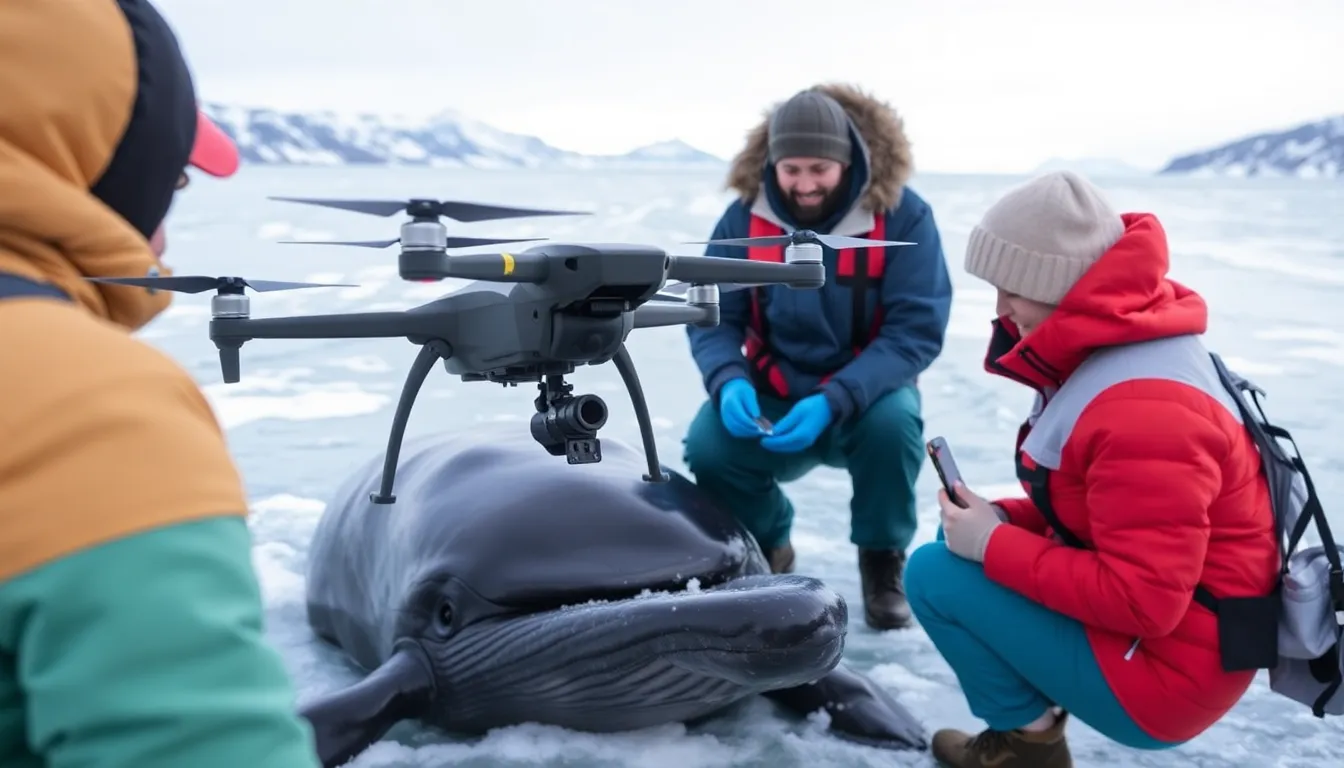
Historically, the study of marine viruses has been limited, primarily due to the challenges of accessing remote oceanic regions. However, advances in drone technology have revolutionized this field, allowing researchers to collect data more efficiently and safely. Drones equipped with sensors can capture samples of whale breath, providing critical insights into the health of these animals and the potential presence of harmful viruses.
The impact of climate change on marine health
Climate change is not only altering the physical environment of the Arctic but is also influencing the biological interactions within marine ecosystems. As temperatures rise, warmer waters can facilitate the proliferation of viruses and pathogens that threaten marine life. This shift has raised concerns among scientists and policymakers alike, highlighting the urgent need for monitoring and understanding how these changes affect biodiversity and ecosystem stability.
Key milestones in marine research have underscored the importance of proactive measures to protect vulnerable species. The integration of innovative technologies, such as drones, into these conservation efforts marks a significant advancement in the ability to monitor and respond to emerging threats in real-time, a topic that aligns with ongoing discussions in marine conservation.
As the world becomes increasingly aware of the interconnectedness of climate change, wildlife health, and human activity, the detection of viruses in Arctic whales serves as a critical reminder of the broader implications of environmental change. Understanding these dynamics is essential for developing effective conservation strategies and ensuring the survival of these majestic creatures in a rapidly changing world.
Key stakeholders involved in Arctic whale health and virus research
The intersection of technology and wildlife health in the Arctic region has brought together a diverse group of stakeholders, each with their own interests and concerns. These stakeholders include government agencies, environmental organizations, scientific researchers, indigenous communities, and private technology companies. Each group plays a crucial role in addressing the implications of using drones to detect viruses in whale breath, particularly in the context of emerging threats to marine ecosystems.
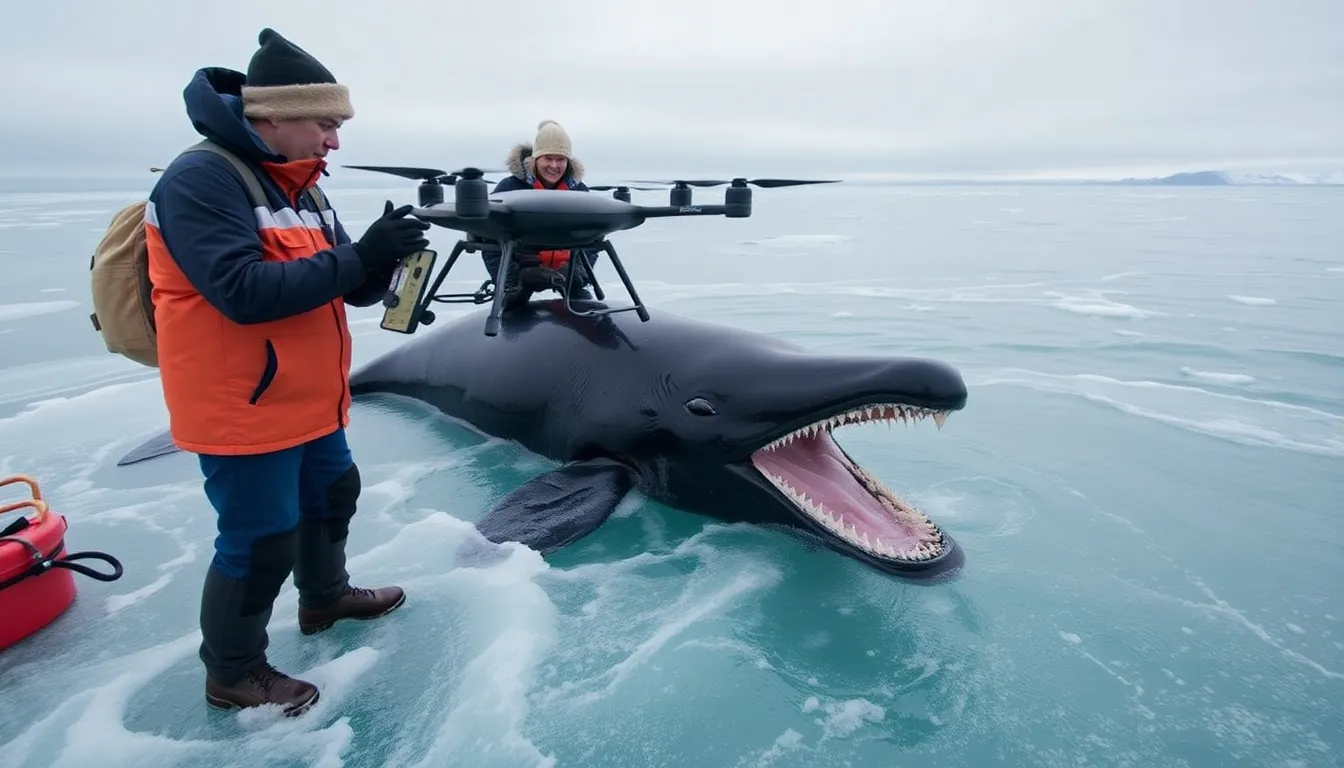
Government agencies, such as the National Oceanic and Atmospheric Administration (NOAA) and various Arctic regional authorities, are primarily concerned with public health, environmental protection, and the sustainability of marine resources. They are tasked with regulating the use of technology in wildlife research while ensuring that any findings are translated into effective conservation policies. Their interests may conflict with the speed of technological advancement, which can outpace regulatory frameworks.
Environmental organizations advocate for the protection of marine life and the preservation of biodiversity in the Arctic. They support the use of innovative technologies like drones for non-invasive research but may raise concerns about the potential ecological impact of increased human activity in sensitive habitats. This highlights a key trade-off: balancing the benefits of technological advancement in research with the need to minimize disturbances to wildlife.
Scientific researchers are at the forefront of this initiative, utilizing drones to gather data on whale health and the presence of viruses. Their interest lies in obtaining accurate and comprehensive data to better understand the implications of viral infections on whale populations and the broader marine ecosystem. However, they face challenges related to funding, ethical considerations, and collaboration with indigenous communities, who may have traditional knowledge and vested interests in the health of these marine mammals.
- Potential conflicts between regulatory frameworks and rapid technological advancements.
- Trade-offs between research benefits and ecological impacts of increased drone usage.
- Indigenous communities’ rights and knowledge versus scientific research methodologies.
- Funding and resource allocation for ongoing research and conservation efforts.
- Public perception and acceptance of drone technology in wildlife monitoring.
Potential impacts on marine life and ecosystems due to the detected virus
The detection of a deadly virus in the breath of Arctic whales through drone technology has significant implications for various groups, industries, and ecosystems. Marine biologists, environmental organizations, and local communities that rely on marine resources are directly affected. Additionally, industries such as fishing, tourism, and shipping may experience ripple effects from these findings.
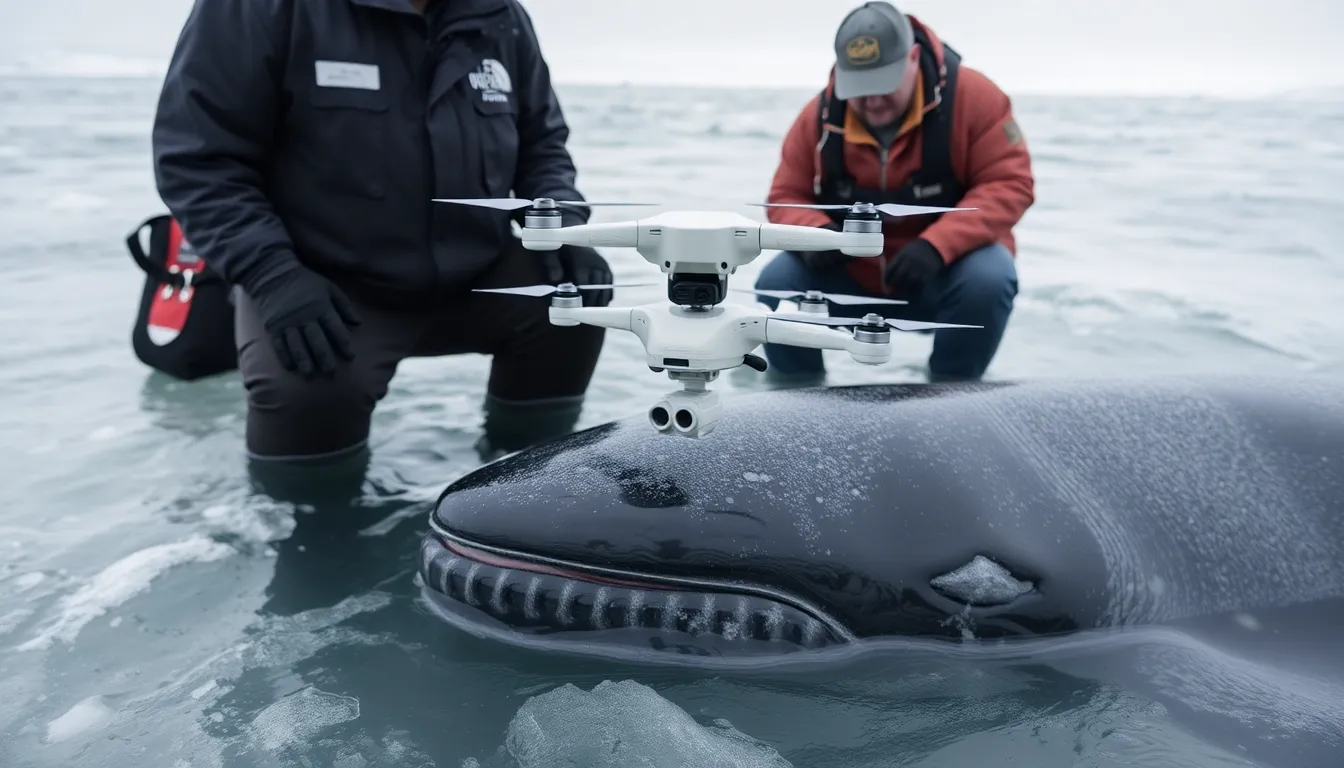
In the short term, the immediate impact on daily life may include heightened awareness and concern among local populations regarding the health of marine life. This could lead to increased monitoring of whale populations and potential restrictions on fishing activities to protect the ecosystem. Environmental policies may also shift, prioritizing the preservation of marine habitats and species.
In the mid-term, businesses that depend on healthy marine ecosystems, such as fisheries and tourism operators, may face challenges due to potential declines in whale populations or changes in migration patterns. This could result in economic losses for communities that rely on these industries. Conversely, there may be opportunities for innovation in sustainable practices and eco-tourism as awareness of marine health grows.
- Increased research funding: The urgency of understanding the virus may lead to more investment in marine research.
- Policy changes: Governments may implement stricter regulations to protect marine life.
- Public awareness: Heightened concern about marine health could drive community engagement in conservation efforts.
While the risks posed by the virus are significant, the situation also presents an opportunity for collaboration among scientists, policymakers, and industry leaders to develop strategies that protect marine ecosystems while supporting local economies. The integration of drone technology in marine research could lead to more effective monitoring and conservation efforts in the long run.
A: Drones equipped with specialized sensors can capture and analyze the air around whales, identifying viral particles present in their breath. A: Detecting viruses in Arctic whales is crucial for understanding the health of marine ecosystems and can help in monitoring the spread of diseases. A: While drones provide a non-invasive method of research, there are concerns about their impact on wildlife behavior and the environment. A: Researchers will focus on further studying the virus, its effects on whale populations, and potential preventative measures. A: The public can support whale conservation by advocating for marine protection policies and participating in awareness campaigns.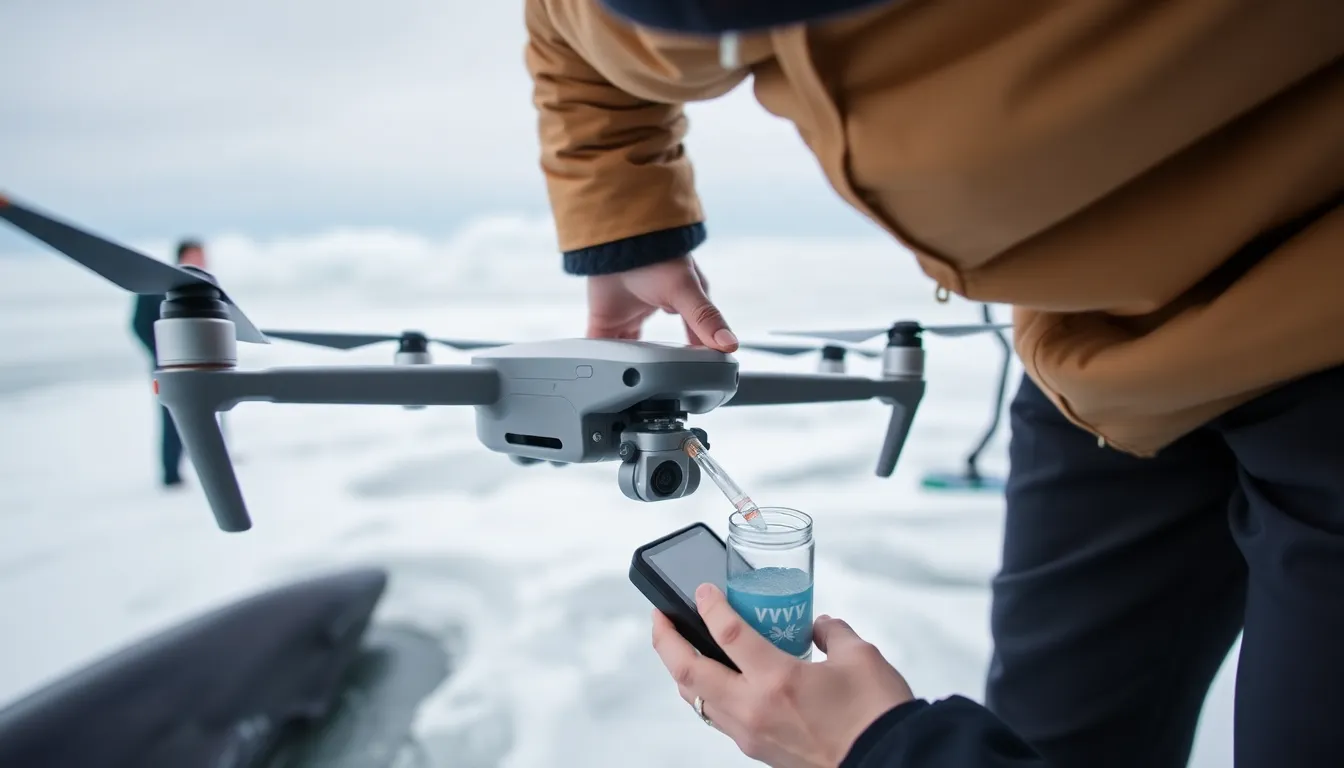
Frequently asked questions about drone technology and virus detection
Future implications and key takeaways from the findings
The recent discovery of drones detecting a deadly virus in the breath of Arctic whales marks a significant advancement in wildlife monitoring and disease detection. This innovative approach not only enhances our understanding of marine health but also raises important questions about the broader implications for ecosystem management and public health. As climate change continues to impact marine environments, the ability to monitor wildlife health in real-time could play a crucial role in preventing potential outbreaks and protecting biodiversity.
Furthermore, the integration of drone technology in wildlife research could pave the way for more efficient data collection methods, allowing researchers to gather critical information without disturbing the animals. This could lead to improved conservation strategies and a better understanding of how viruses interact with marine life, ultimately informing policy decisions and public health initiatives.
- Investments in drone technology could enhance wildlife monitoring and disease detection efforts across various ecosystems.
- Understanding the transmission pathways of viruses in marine mammals may inform strategies to prevent zoonotic diseases affecting humans.
- Continued research in this area may reveal new insights into the effects of climate change on marine biodiversity and health.
- Collaborations between researchers, conservationists, and public health officials could lead to more comprehensive approaches to managing wildlife health.
- Monitoring programs utilizing drones may become standard practice, providing critical data to inform conservation and management policies globally.