


Among younger viewers, ‘The Rookie’ has captured the attention of teenagers, showcasing its appeal through engaging storylines and relatable characters. This trend indicates a shift in youth engagement with crime dramas, suggesting that networks are likely to invest more in similar content that resonates with this age group, such as shows highlighted in our article on Call of Duty series changes release strategy.
In the realm of children’s programming, ‘Dancing With the Stars’ has emerged as a favorite, particularly among kids. The show’s family-friendly format and interactive elements have contributed to its success, making it a staple in children’s viewing habits.
The implications of these ratings are significant for networks and advertisers alike, as they navigate the competitive landscape of television. Understanding viewer preferences will be crucial for shaping future programming decisions and marketing strategies aimed at capturing the attention of these key demographics.
Understanding the Landscape of Current Television Ratings
The television industry has undergone significant transformations over the past few decades, driven largely by technological advancements and shifting viewer preferences. Traditional television viewership has seen a decline as streaming platforms gain popularity, leading to a re-evaluation of how audiences engage with content. Nielsen’s multiplatform ratings have become essential in capturing the diverse ways in which viewers consume media, reflecting a broader trend toward on-demand viewing and the fragmentation of audiences across various platforms.

Historically, Nielsen ratings have been the gold standard for measuring television viewership, but the rise of digital streaming services has prompted a need for more nuanced metrics. The introduction of multiplatform ratings in 2020 marked a pivotal moment, allowing for a more comprehensive understanding of audience engagement across live broadcasts, DVR, and streaming services. This evolution in ratings methodology has been crucial for networks and advertisers alike, as they navigate an increasingly competitive landscape.
The Appeal of Youth-Oriented Programming
In recent years, shows like ‘The Rookie’ and ‘Dancing With the Stars’ have captured the attention of younger audiences, particularly teens and children. This trend can be traced back to a growing emphasis on relatable storytelling and interactive formats that resonate with younger viewers. As networks seek to attract and retain these demographics, they are investing in content that not only entertains but also engages audiences through social media and other digital platforms, similar to the approach discussed in our overview of the 50 best films of 2025 in the UK.
Key milestones in this evolution include the rise of reality television and competition formats, which have proven particularly appealing to younger viewers. ‘Dancing With the Stars,’ for example, combines celebrity culture with viewer participation, creating a sense of community and investment in the outcome. Similarly, ‘The Rookie’ appeals to teen audiences with its blend of action and relatable characters, showcasing how networks are adapting their programming to meet the demands of younger viewers.
As Nielsen projects the future of television ratings, the emphasis on multiplatform engagement will likely continue to shape the industry. Understanding these trends is crucial for stakeholders, as they navigate the complexities of audience measurement and strive to create content that resonates in a rapidly changing media landscape.
Key Players and Trends Shaping Youth Entertainment
The landscape of youth entertainment is influenced by various stakeholders, each with their own interests and objectives. Prominent actors in this arena include television networks, production companies, streaming platforms, advertisers, and the youth audience itself. Nielsen’s multiplatform ratings reveal a competitive environment where shows like ‘High Potential’ and ‘Tracker’ are vying for attention in 2025, while established favorites such as ‘The Rookie’ and ‘Dancing With the Stars’ maintain strong appeal among teens and children, reflecting trends similar to those analyzed in our breakdown of Has flu peaked and what the figures indicate.

Television networks and streaming services are primarily focused on capturing and retaining a young audience. Their interests lie in developing engaging content that resonates with this demographic. The success of shows like ‘The Rookie’ indicates a trend where action and relatable themes attract teen viewers, while ‘Dancing With the Stars’ continues to engage younger children through its vibrant and entertaining format.
Advertisers play a crucial role in this ecosystem, as they seek to align their brands with popular shows that attract substantial viewership. The challenge lies in balancing the interests of advertisers with the content that appeals to youth. Advertisers are increasingly interested in metrics provided by Nielsen, which help them gauge the effectiveness of their campaigns in reaching target demographics.
- Content Competition: Networks are competing to produce innovative shows that capture the youth market, leading to increased investments in original programming.
- Changing Viewing Habits: The rise of streaming services has altered how young audiences consume content, pushing traditional networks to adapt.
- Advertiser Influence: Advertisers are shaping content decisions, often prioritizing shows with high engagement metrics to maximize their return on investment.
- Regulatory Considerations: Government regulations regarding advertising to children may impact how shows are marketed and monetized.
- Social Media Impact: The influence of social media platforms on youth preferences is significant, driving trends and viewer engagement.
As the competition intensifies, the balance between creating appealing content and meeting the demands of advertisers and regulatory bodies becomes increasingly complex. Stakeholders must navigate these challenges while considering the evolving interests of their young audiences, who are at the heart of this entertainment ecosystem.
How These Ratings Affect Viewers and Content Creators
The recent Nielsen Multiplatform Ratings for 2025 have significant implications for various groups, particularly content creators, advertisers, and viewers. The surge in popularity of shows like ‘The Rookie’ among teens and ‘Dancing With the Stars’ among kids highlights shifting viewing preferences that impact programming decisions across networks. As these trends emerge, both traditional and digital platforms must adapt to cater to the evolving tastes of younger audiences.
In the short term, content creators may feel pressured to develop more family-friendly and engaging programs to capture the attention of these key demographics. This could lead to an influx of new shows aimed at younger viewers, potentially saturating the market. However, this also presents opportunities for innovative storytelling and unique formats that resonate with these audiences, encouraging creativity in content production.

Mid-term impacts could manifest in changes to advertising strategies as brands seek to align with popular shows. Companies may increase their investment in ads during peak viewing times for ‘The Rookie’ and ‘Dancing With the Stars,’ shifting budgets from less popular programs. This could lead to a more competitive advertising landscape, where brands must be more strategic in their messaging to effectively engage young viewers.
- Increased demand for youth-oriented content: Networks may prioritize programming that appeals to teens and children.
- Shifts in advertising budgets: Brands may reallocate funds to target popular shows, impacting overall marketing strategies.
- Opportunities for new creators: Emerging filmmakers and writers may find new avenues to showcase their work in a changing landscape.
While there are risks associated with potential oversaturation in youth programming, the evolving preferences of viewers could lead to a renaissance in creative content. Adapting to these trends will be crucial for networks and advertisers alike, as they navigate the complexities of a dynamic media environment.
A: ‘High Potential’ refers to shows that are expected to gain significant viewership and popularity in the upcoming year, as indicated by Nielsen’s analysis. A: ‘The Rookie’ resonates with teens due to its engaging storytelling, relatable characters, and themes of ambition and growth, making it a favorite among younger audiences. A: ‘Dancing With the Stars’ captivates kids with its vibrant performances, celebrity participants, and interactive voting, creating an entertaining viewing experience. A: Content creators can use Nielsen ratings to understand audience preferences, enabling them to tailor programming that aligns with viewer interests and maximizes engagement. A: Nielsen updates its multiplatform ratings regularly, providing insights into viewing trends and audience behavior across various platforms.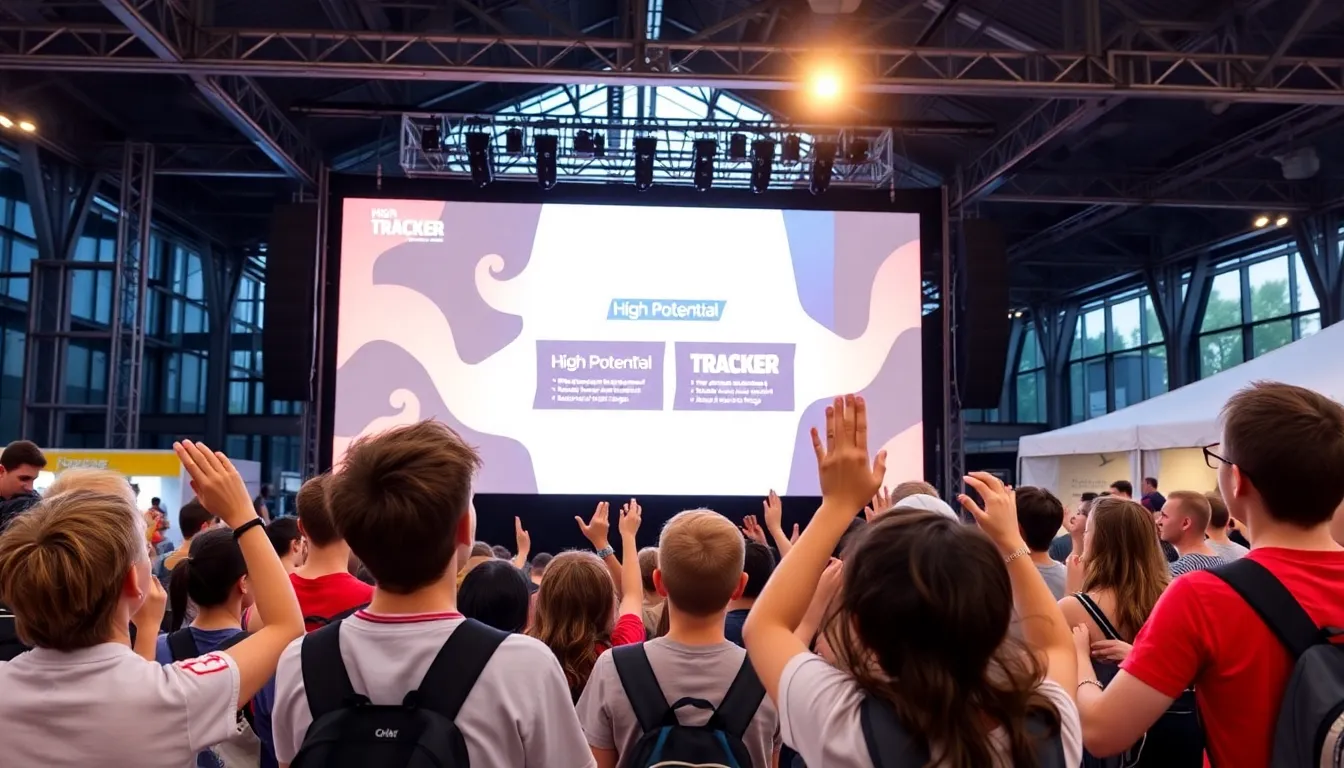
Frequently Asked Questions About Nielsen Ratings
Looking Ahead: Key Takeaways from Nielsen’s Findings
The recent Nielsen Multiplatform Ratings reveal significant trends in viewer preferences, particularly among younger demographics. ‘High Potential’ and ‘Tracker’ are projected to dominate viewership in 2025, indicating a shift towards content that resonates with evolving audience expectations. Meanwhile, shows like ‘The Rookie’ and ‘Dancing With the Stars’ highlight the enduring appeal of engaging narratives and family-friendly entertainment.
As networks and content creators analyze these insights, it becomes crucial to adapt strategies that cater to the interests of teens and children, ensuring that programming remains relevant and appealing. The implications for advertising and content development are profound, as understanding these trends can lead to more effective engagement with key audiences.
- Monitor the performance of ‘High Potential’ and ‘Tracker’ as they shape future programming decisions.
- Focus on creating content that resonates with teen audiences, as evidenced by the popularity of ‘The Rookie.’
- Leverage the success of ‘Dancing With the Stars’ to develop more family-oriented programming that captivates younger viewers.
- Consider the implications of multiplatform viewing habits in advertising strategies to maximize reach and engagement.