


Current status of flu cases and trends
As of mid-October 2023, flu activity has been observed to rise steadily across several regions, with the Centers for Disease Control and Prevention (CDC) reporting an uptick in cases compared to previous years.
Recent data indicates that the predominant strain circulating this season is H3N2, known for causing more severe illnesses, particularly in vulnerable populations such as the elderly and those with underlying health conditions. Hospitals in several states have begun to report higher patient admissions related to flu symptoms, raising concerns about healthcare capacity as the season progresses, similar to those seen in previous health crises.
The timing of this year’s flu season is particularly critical, as it coincides with ongoing COVID-19 considerations. Public health experts are urging individuals to get vaccinated against both influenza and COVID-19, emphasizing the importance of dual protection to mitigate the risk of severe illness. Vaccination campaigns are underway, with health departments aiming to increase uptake before the peak flu months of December and January.
In addition to vaccination efforts, health officials are advocating for continued public health measures, such as wearing masks in crowded spaces and practicing good hygiene. These recommendations are intended to help curb the spread of the virus, especially in light of the increasing flu cases. As we adopt these measures, it becomes imperative to remain informed about the effectiveness of flu vaccinations and prevention strategies, akin to how we monitor public health challenges in other areas.
Understanding the flu season and its patterns
The influenza virus has been a recurring public health challenge for centuries, with seasonal outbreaks affecting millions globally each year. Historically, flu seasons have shown distinct patterns, often peaking during the colder months. These patterns are influenced by various factors, including virus mutations, public health interventions, and population immunity levels. Understanding these dynamics is crucial for anticipating the impact of flu seasons on healthcare systems and society at large.

In the past, significant milestones have shaped our understanding of influenza. The 1918 Spanish flu pandemic, for instance, was one of the deadliest outbreaks in history, leading to the deaths of an estimated 50 million people worldwide. This event underscored the importance of surveillance and vaccination, prompting governments to invest in public health infrastructure and research. Over the decades, advancements in vaccine development and distribution have played a pivotal role in mitigating the effects of seasonal flu outbreaks.
Economically, the burden of influenza extends beyond healthcare costs. Seasonal flu can lead to significant workplace absenteeism, affecting productivity and economic output. The Centers for Disease Control and Prevention (CDC) estimates that flu-related illnesses cost the U.S. economy billions annually. This economic impact has prompted policymakers to prioritize flu prevention strategies, including vaccination campaigns and public awareness initiatives.
The role of vaccination
Vaccination remains one of the most effective tools in managing flu seasons. Since the introduction of the flu vaccine in the 1940s, the availability and accessibility of vaccines have improved significantly. Annual vaccination campaigns aim to increase coverage among high-risk populations, such as the elderly and those with underlying health conditions. However, vaccine effectiveness can vary year to year, influenced by the match between circulating strains and vaccine formulations, complicating efforts to predict flu season peaks.
Key stakeholders and their perspectives on flu data
In the ongoing discussion about whether flu cases have peaked, several key stakeholders are involved, each with distinct interests and perspectives. These include public health organizations, government agencies, healthcare providers, and the general public. Understanding their viewpoints is crucial for comprehending the broader implications of flu data.
Public health organizations, such as the World Health Organization (WHO) and the Centers for Disease Control and Prevention (CDC), focus on monitoring flu trends and providing guidelines for prevention and treatment. Their primary interest lies in reducing the spread of the virus and minimizing its impact on public health. They rely on accurate data to inform their recommendations and to allocate resources effectively.

Government agencies play a critical role in shaping health policies and funding initiatives to combat influenza. Their interests often intersect with economic considerations, as they must balance public health needs with budgetary constraints. For instance, decisions about vaccine distribution and public health campaigns can have significant financial implications, influencing how resources are allocated across various health initiatives.
Healthcare providers, including hospitals and clinics, are on the front lines of flu response. They are concerned with patient care and the capacity of the healthcare system to handle flu cases. Conflicts may arise between the need to treat patients effectively and the resources available, especially during peak flu seasons. Additionally, the pressure to maintain healthcare quality while managing costs can lead to trade-offs that affect patient outcomes.
- Public Health Organizations: Focus on data accuracy and effective prevention strategies.
- Government Agencies: Balance public health needs with economic realities.
- Healthcare Providers: Manage patient care amidst resource constraints.
- General Public: Seek timely information and access to vaccines and treatments.
- Researchers: Aim to understand flu dynamics and improve response strategies.
Who is affected by the flu this season and how
This flu season has particularly impacted vulnerable populations, including the elderly, young children, and individuals with pre-existing health conditions. These groups are at a higher risk of severe illness, hospitalization, and complications related to the flu, leading to increased strain on healthcare systems.
Industries such as healthcare, education, and travel are also feeling the effects. Hospitals and clinics are experiencing higher patient volumes, which can lead to resource shortages and increased operational costs. Schools may face closures or increased absenteeism among students and staff, disrupting the academic calendar.
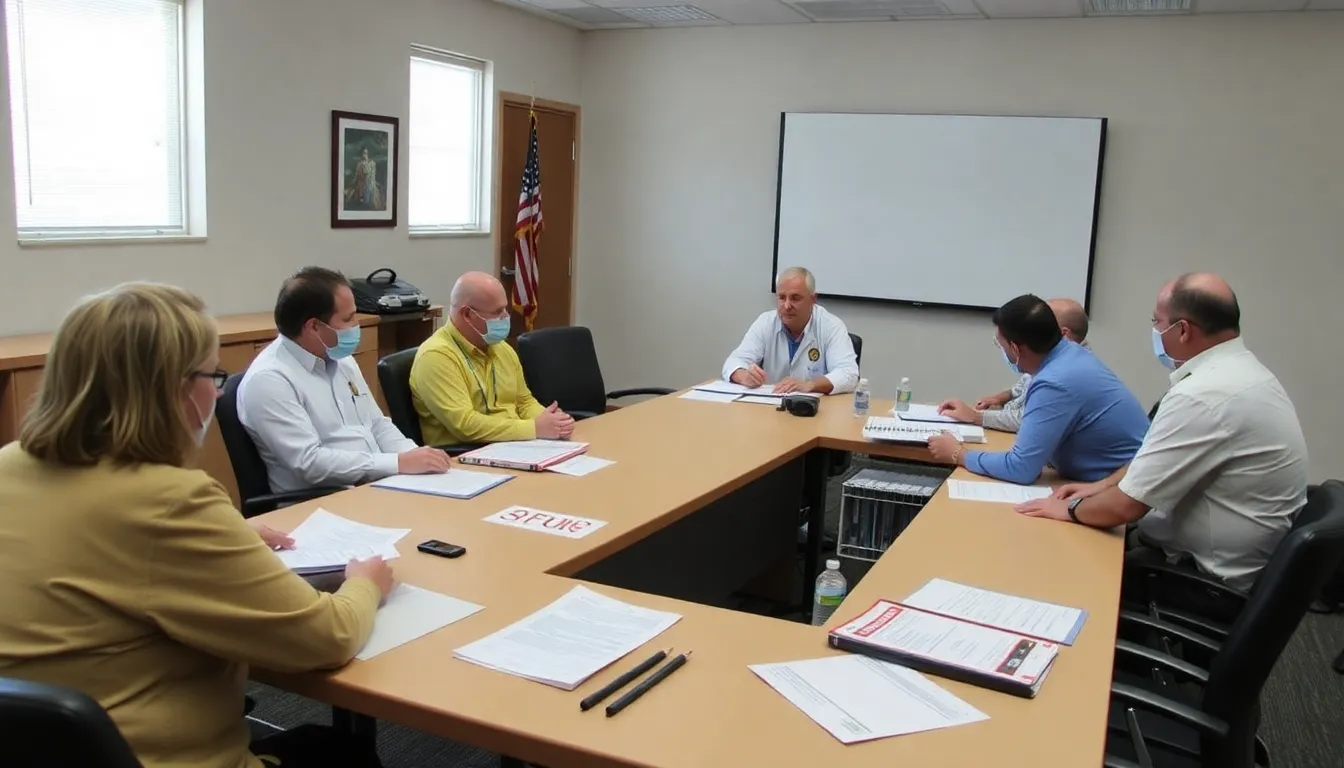
In the short term, businesses may see a decline in productivity as employees take sick leave or care for ill family members. This can lead to economic losses, particularly in sectors reliant on seasonal workforces. However, there are also opportunities for industries such as telehealth, which can expand services to meet the rising demand for remote consultations.
- Healthcare: Increased patient load and resource allocation.
- Education: Potential school closures and absenteeism.
- Travel: Reduced travel activity due to health concerns.
- Telehealth: Growth in demand for remote healthcare services.
In the mid-term, policymakers may implement strategies to enhance vaccination campaigns and public health messaging, aiming to mitigate the impact of future flu seasons. This could lead to changes in health policy and funding allocations, ultimately benefiting public health infrastructure.
A: Current data suggests that flu cases may have reached their peak, but monitoring will continue to confirm this trend. A: Various factors, including vaccination rates, virus strains, and public health measures, play significant roles in determining the peak of flu seasons. A: Vaccination, regular hand washing, and avoiding close contact with sick individuals are effective ways to reduce the risk of flu infection. A: Common flu symptoms include fever, cough, sore throat, body aches, and fatigue. It’s important to seek medical advice if symptoms worsen. A: If you experience severe symptoms, difficulty breathing, or persistent high fever, it is advisable to consult a healthcare professional.
Frequently asked questions about flu trends
Key takeaways and future outlook on flu cases
The current data suggests that flu cases may have reached their peak, but ongoing monitoring is essential as the season progresses. Public health officials are advising vigilance, especially with the potential for new variants and fluctuating infection rates. Understanding the trends in flu cases can help in preparing for any future surges and in ensuring adequate healthcare responses.
As we move forward, it is crucial to remain informed about vaccination rates and public health recommendations. This will not only aid in individual protection but also contribute to community immunity, reducing the overall burden of flu during peak seasons.
- Monitor local health reports: Stay updated on flu activity in your area to make informed decisions regarding health and safety.
- Vaccination is key: Ensure you and your family are vaccinated, as this remains the most effective way to prevent severe illness.
- Be prepared for fluctuations: Expect possible increases in cases as the season continues; stay proactive in health measures.
- Watch for new variants: Keep an eye on emerging flu strains that may impact transmission rates and vaccine effectiveness.