


Choy was known for her influential films such as “Who Killed Vincent Chin?” co-directed with Renee Tajima-Peña in 1987, which highlighted the racial tensions and injustices faced by the Asian American community. This film not only garnered critical acclaim but also sparked nationwide conversations about race and identity in America, a topic that is discussed further in related articles about media representation.
Throughout her career, Choy received numerous accolades, including a Peabody Award and recognition from various film festivals. Her dedication to mentoring emerging filmmakers and advocating for Asian American stories ensured that her legacy would continue to inspire future generations.
The documentary community is mourning her loss, as her unique perspective and commitment to authentic storytelling have shaped the landscape of independent cinema. Choy’s contributions have opened doors for many, highlighting the importance of diverse voices in media.
Exploring Christine Choy’s contributions to Asian American narratives
Christine Choy, a pioneering documentarian, played a crucial role in shaping the representation of Asian American experiences in film and media. Born in 1947 in Shanghai, Choy immigrated to the United States in the 1960s, a period marked by significant social and political upheaval. Her work emerged against the backdrop of the civil rights movement, which sought to address systemic racism and inequality in America, including the marginalization of Asian Americans.
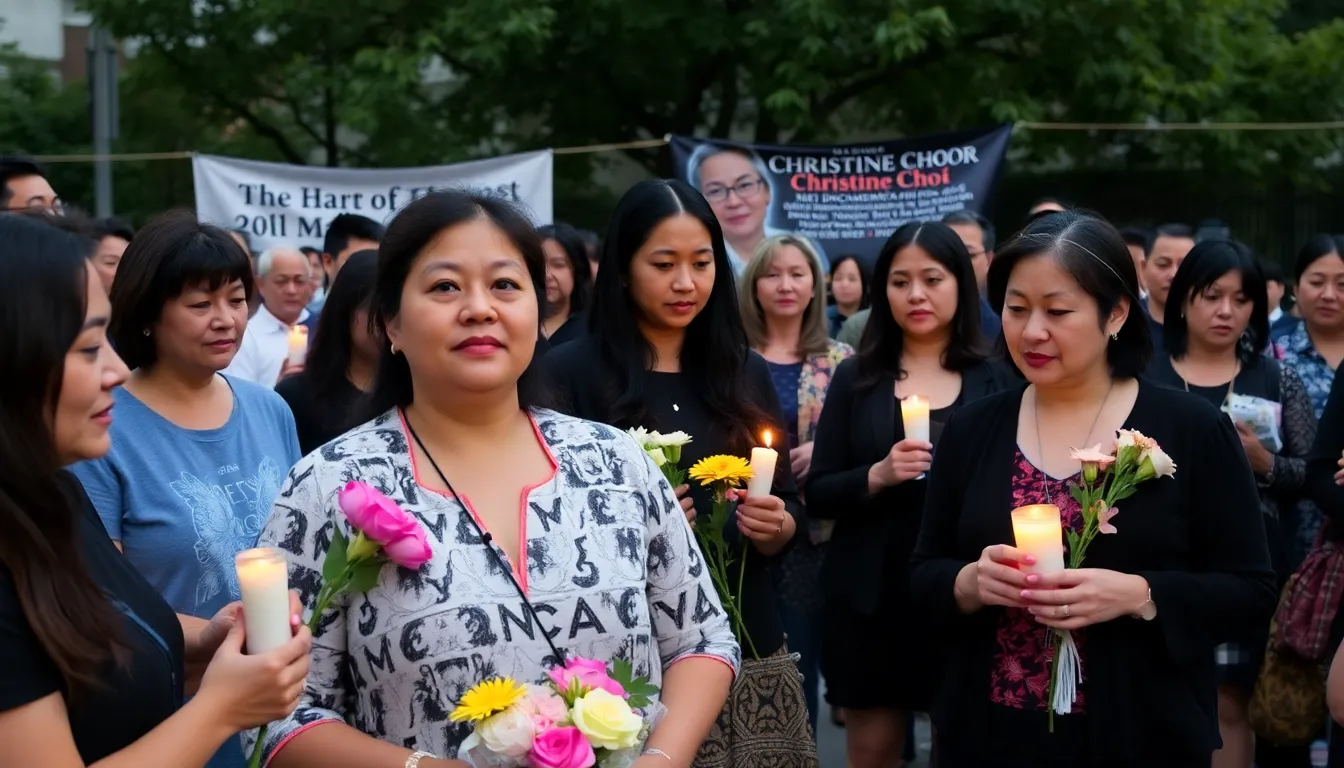
Throughout her career, Choy focused on telling stories that highlighted the complexities of Asian American identity, often addressing themes of immigration, cultural displacement, and the search for belonging. She gained recognition for her films that not only documented the struggles faced by Asian Americans but also celebrated their resilience and contributions to American society. One of her notable works, “Who Killed Vincent Chin?” co-directed with Renee Tajima-Peña, examined the 1982 murder of a Chinese American man and the subsequent trial that exposed deep-seated racial tensions in the United States.
Choy’s contributions came at a time when Asian American voices were largely absent from mainstream media. The 1980s and 1990s saw a growing awareness of the importance of diverse narratives, leading to the establishment of organizations and festivals dedicated to Asian American cinema. Choy was instrumental in these developments, using her platform to advocate for greater representation and to mentor emerging filmmakers within the community.
The Evolution of Asian American Cinema
The landscape of Asian American cinema has evolved significantly since Choy’s early works. In the 1990s, the emergence of filmmakers like Ang Lee and Mira Nair further broadened the scope of Asian representation in Hollywood, aligning with the themes of diversity highlighted in the piece about the challenges faced by contemporary Asian American filmmakers.
The impact of Choy’s work on Asian American representation in media
Christine Choy’s passing at the age of 76 marks a significant loss not only for her family and friends but also for the broader landscape of Asian American representation in media. As a pioneering documentarian, Choy’s work has shed light on the complexities of Asian American identities, often challenging stereotypes and advocating for more nuanced portrayals. Her films and initiatives have played a crucial role in fostering a greater understanding of the Asian American experience within a predominantly white media framework.
Key stakeholders in this context include Asian American filmmakers, cultural organizations, and educational institutions that strive to promote diversity in media. These groups have a vested interest in continuing Choy’s legacy by amplifying Asian American voices and stories. Additionally, mainstream media companies hold a significant role, as their willingness to embrace and support diverse narratives can either perpetuate or dismantle existing stereotypes.
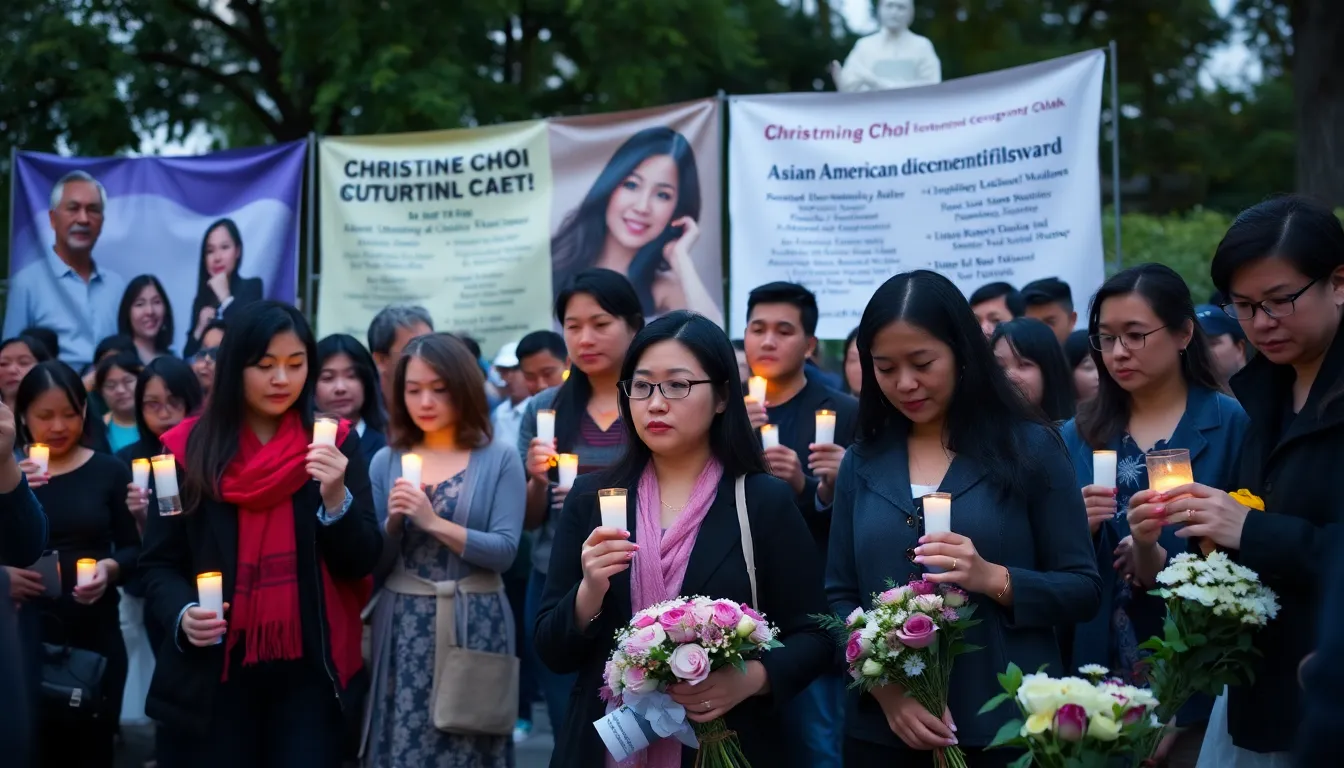
Conflicts arise in the representation of Asian Americans, particularly when mainstream media often resorts to tokenism or superficial portrayals. Choy’s work emphasized the need for authenticity and depth, which can sometimes clash with commercial interests that prioritize marketability over meaningful storytelling. This tension highlights a broader economic issue: the struggle for funding and resources for independent filmmakers who aim to tell underrepresented stories.
- Choy’s films often confronted racial and cultural stereotypes, pushing for a more comprehensive understanding of Asian American life.
- Her advocacy for independent filmmaking has inspired a new generation of Asian American creators to pursue their narratives.
- Mainstream media’s response to Choy’s work reflects a growing awareness of the importance of diversity, yet challenges remain in fully integrating these perspectives.
- The economic viability of independent films continues to be a concern, as funding sources can be limited for projects that focus on marginalized communities.
As the media landscape evolves, Choy’s contributions will serve as a touchstone for discussions about representation, identity, and the ongoing fight for equity in storytelling. Her legacy is a reminder of the importance of diverse voices in shaping a more inclusive narrative fabric in American media.
How Choy’s films influenced future generations of filmmakers
The passing of Christine Choy, a pioneering documentarian, resonates deeply within the Asian American community and the broader film industry. Her work not only captured the intricacies of Asian American life but also inspired countless filmmakers to explore and share their own narratives, much like the inspiring stories showcased in the recent article regarding the life of Tucker Genal.
In the short term, Choy’s death may lead to a renewed focus on her body of work, prompting discussions and screenings that celebrate her contributions. This could invigorate interest in Asian American stories, potentially leading to increased funding and support for similar projects. However, there is also the risk that emerging filmmakers may struggle to find their footing without the guidance and mentorship that Choy provided to many in the industry.
In the mid-term, the impact on policy could manifest as calls for greater diversity in film funding and programming. Organizations and institutions may be motivated to honor Choy’s legacy by implementing initiatives aimed at supporting underrepresented voices in cinema. This could lead to a more inclusive film landscape, but it will require sustained advocacy to ensure that these efforts translate into meaningful change.
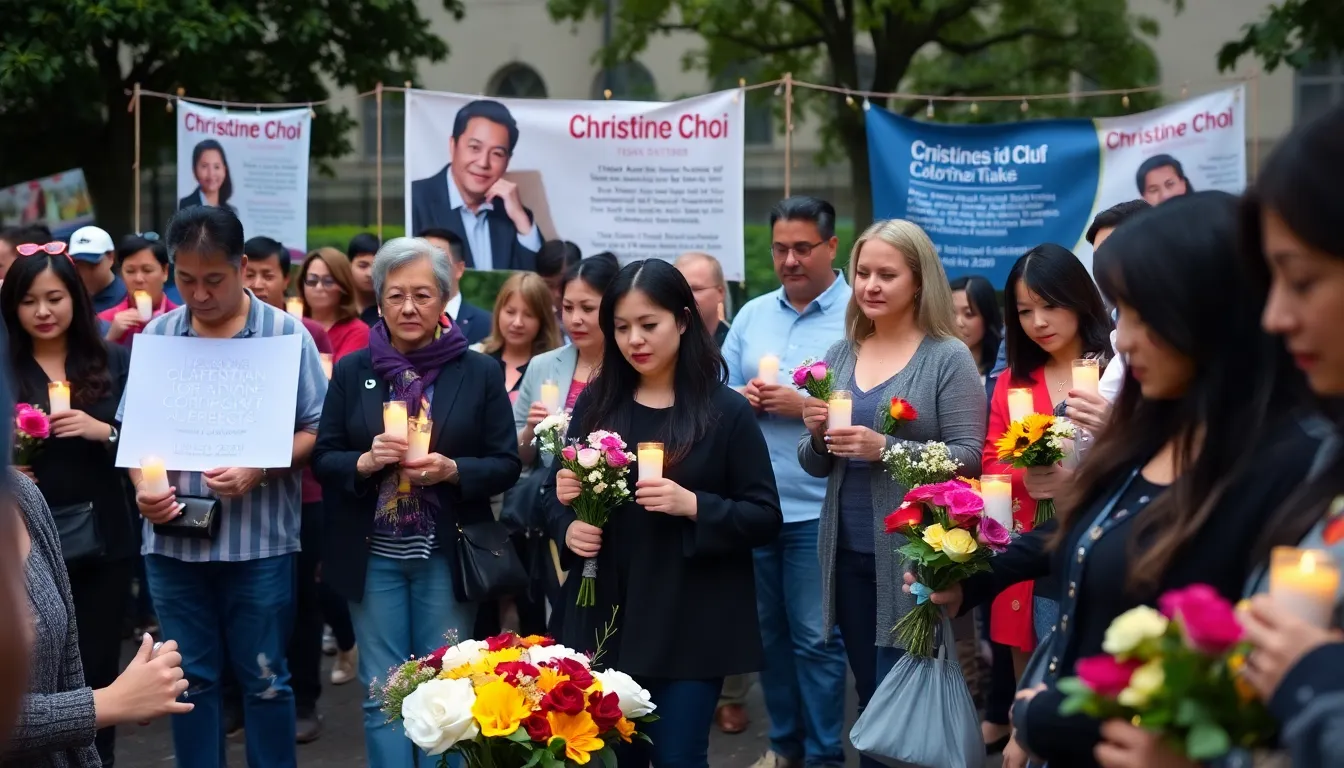
- Increased visibility: Choy’s legacy may prompt a resurgence in Asian American narratives in media.
- Funding opportunities: Potential for more grants and initiatives aimed at supporting diverse filmmakers.
- Mentorship gaps: Emerging filmmakers may face challenges without established mentors like Choy.
- Policy shifts: Possible advocacy for more inclusive representation in film funding.
Ultimately, while Choy’s absence will be felt, her influence will continue to inspire future generations. The film industry stands at a crossroads, with both risks and opportunities arising from her legacy as the community reflects on the importance of diverse storytelling.
A: Christine Choy is best known for her films such as ‘Who Killed Vincent Chin?’ and ‘My America… or Honk if You Love Buddha,’ which highlight Asian American experiences. A: Choy’s work paved the way for many Asian American filmmakers by providing a platform for their stories and encouraging diverse representation in the industry. A: Choy often explored themes of identity, cultural heritage, and social justice, shedding light on the complexities of Asian American life. A: Christine Choy passed away at the age of 76, leaving behind a rich legacy in documentary filmmaking. A: Choy’s work continues to resonate today, as it addresses ongoing issues of representation and cultural understanding in the media.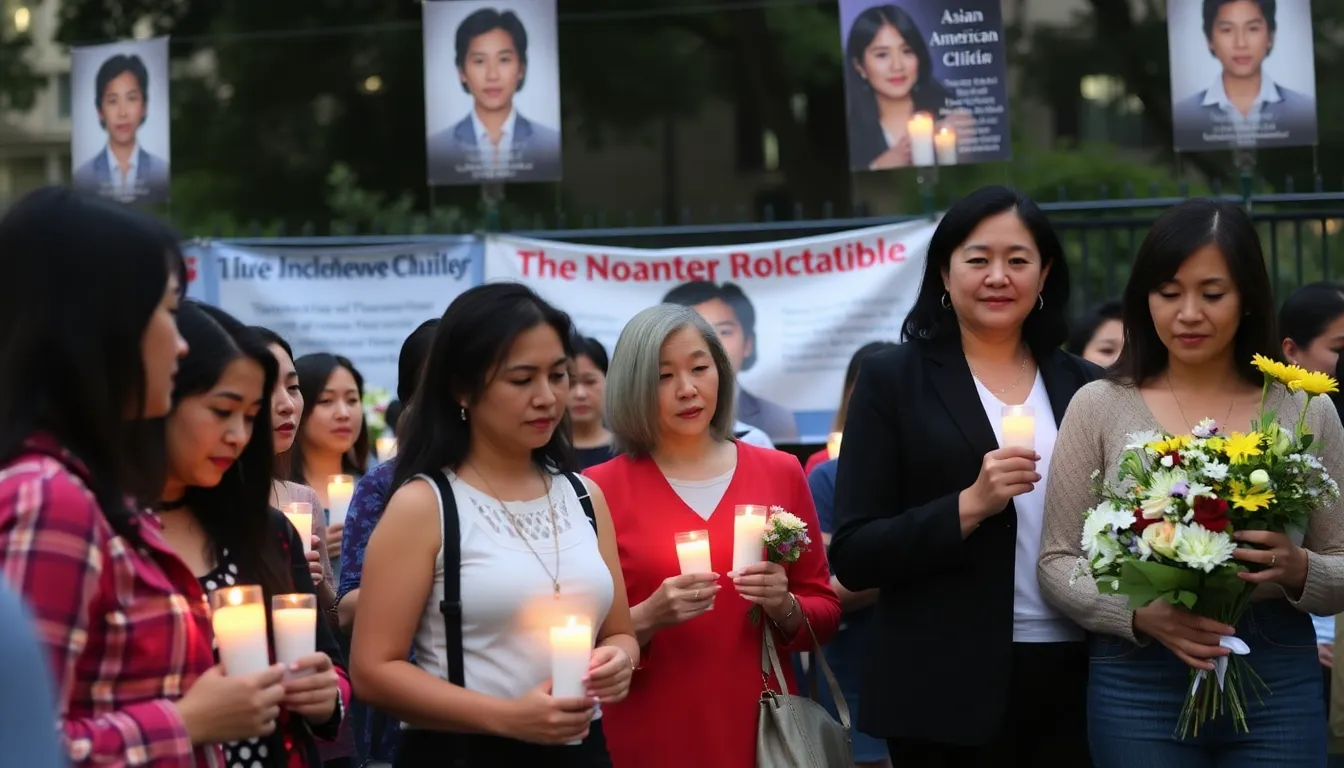
Frequently Asked Questions about Christine Choy
Reflecting on Choy’s legacy and its importance for the future
Christine Choy’s passing marks the end of an era for Asian American documentary filmmaking, but her work continues to resonate deeply within the community and beyond. As a pioneer, she not only chronicled the complexities of Asian American life but also challenged societal narratives, paving the way for future generations of filmmakers and storytellers. Her commitment to authenticity and representation serves as a guiding principle for those who seek to explore and document diverse experiences.
Looking ahead, Choy’s influence underscores the necessity for continued dialogue about identity, culture, and representation in media. As the landscape of storytelling evolves, her legacy encourages new voices to emerge and share their unique perspectives, ensuring that the narratives of Asian Americans remain visible and impactful.
- Choy’s work exemplifies the importance of authentic storytelling in fostering understanding and empathy across communities.
- The rise of new filmmakers inspired by Choy may lead to a broader representation of Asian American experiences in mainstream media.
- Educational institutions may increasingly incorporate Choy’s films into curricula, highlighting the significance of Asian American history and culture.
- Choy’s legacy may spark renewed interest in documentary filmmaking as a tool for social change and advocacy.
- Future discussions surrounding representation in film and media will likely draw upon the frameworks established by Choy and her contemporaries.