


However, many of these cases are slow-growing and may not require immediate treatment, as detailed in Sir Cliff Richard’s experience with prostate cancer treatment.
The recommendations have sparked a debate within the medical community, particularly among urologists and primary care physicians. While some advocate for targeted screening based on individual risk factors, others support the current stance, highlighting that the potential harms of widespread screening outweigh the benefits for the majority of men.
This guidance is particularly relevant as the UK continues to navigate healthcare priorities post-pandemic. With resources stretched thin, health officials are urging a more cautious approach to screening that focuses on informed decision-making and personalized care rather than blanket testing for all men over a certain age.
Understanding the background of prostate cancer screening guidelines
Prostate cancer is one of the most common cancers among men in the UK, and its prevalence has sparked considerable debate regarding the effectiveness of screening. Historically, the introduction of prostate-specific antigen (PSA) testing in the late 1980s marked a significant shift in how prostate cancer was detected. Initially hailed as a breakthrough, the widespread use of PSA testing led to increased diagnosis rates, but it also raised concerns about overdiagnosis and overtreatment.

This decision was rooted in studies indicating that while PSA testing could detect cancer earlier, it did not significantly reduce mortality rates, as discussed in the broader implications of health policies on resources and efficacy.
Economically, the cost implications of widespread screening and subsequent treatments have been a point of contention. The NHS has to balance the allocation of resources while ensuring that patients receive effective care. Critics argue that the financial burden of treating men for cancers that may never cause harm is unsustainable, prompting a reevaluation of screening guidelines. As a result, many health professionals advocate for a more personalized approach to screening based on individual risk factors.
Social Implications and Public Perception
Public campaigns and advocacy groups have emerged to raise awareness about the disease, highlighting the importance of informed decision-making, a topic also covered in related discussions on health policies.
Key stakeholders and issues surrounding prostate cancer screening
The debate over prostate cancer screening in the UK involves a range of stakeholders, each with distinct interests and concerns. Primary actors include healthcare professionals, patient advocacy groups, governmental health agencies, and the general public. Each group plays a crucial role in shaping the discourse and policies surrounding screening practices.
Healthcare professionals, particularly urologists and oncologists, express concern over the potential harms of overdiagnosis and overtreatment associated with prostate cancer screening. They argue that while early detection can be beneficial, it may also lead to unnecessary interventions that carry significant risks and side effects. This perspective highlights the importance of balancing the potential benefits of screening with the risks involved.

Patient advocacy groups, on the other hand, often emphasize the right to informed choice and access to screening options. They argue that men should be given the opportunity to make decisions regarding their health based on comprehensive information about the risks and benefits of screening. This can create a conflict with medical professionals who prioritize minimizing harm over providing options.
Governmental health agencies, such as the National Health Service (NHS), are tasked with developing screening guidelines based on evidence. Their recommendations can significantly influence public health policy and resource allocation. The challenge lies in addressing the economic implications of widespread screening, which could strain healthcare resources and divert funds from other critical health services.
- Overdiagnosis and overtreatment: The risk of unnecessary medical procedures resulting from screening.
- Informed choice: The importance of allowing men to make personal health decisions.
- Resource allocation: The economic impact of screening on healthcare budgets.
- Public awareness: The need for clear communication about the benefits and risks of screening.
- Guideline development: The role of health agencies in shaping evidence-based screening policies.
Impact on men and the healthcare system in the UK
The recent recommendations against routine prostate cancer screening for most men in the UK will significantly affect various groups, particularly men aged 50 and older, who are the primary demographic for prostate cancer screening. Additionally, healthcare providers, including general practitioners and urologists, will need to adapt their practices and patient communication strategies in light of these new guidelines.
In the short term, the decision may lead to confusion and anxiety among men who were previously encouraged to undergo screening. Many may worry about their risk of prostate cancer without the reassurance of regular testing. This could result in increased consultations with healthcare professionals as men seek clarity on their individual health risks.

From a business perspective, companies involved in prostate cancer screening technologies and related healthcare services may experience a downturn in demand. However, this shift could also present opportunities for industries focused on alternative cancer detection methods or advancements in personalized medicine. Healthcare providers may also see a need to invest in education and awareness campaigns to inform patients about the revised guidelines.
- Short-term confusion among men regarding their health.
- Potential decrease in revenue for screening-related businesses.
- Opportunities for innovation in cancer detection technologies.
- Increased demand for patient education and support services.
In the mid-term, the healthcare system may experience a shift in resource allocation, with less focus on screening and more emphasis on targeted treatments and patient education. This could lead to a more efficient use of healthcare resources, potentially improving outcomes for men diagnosed with prostate cancer at later stages. However, it also raises concerns about the risk of late diagnoses, which could impact survival rates and necessitate changes in treatment protocols.
A: Experts argue that the risks associated with screening, including false positives and unnecessary treatments, outweigh the benefits for most men. The likelihood of developing aggressive prostate cancer is relatively low. A: Men at higher risk, such as those with a family history of prostate cancer or specific genetic markers, may benefit from screening. However, this should be discussed with a healthcare provider. A: Potential harms include anxiety from false positive results, complications from biopsies, and overtreatment of cancers that may not have caused harm. A: Yes, alternative methods include monitoring symptoms and using advanced imaging techniques, which may provide a clearer picture without the risks associated with routine screening. A: These recommendations may lead to changes in healthcare policies regarding prostate cancer screening, focusing on informed decision-making and personalized approaches.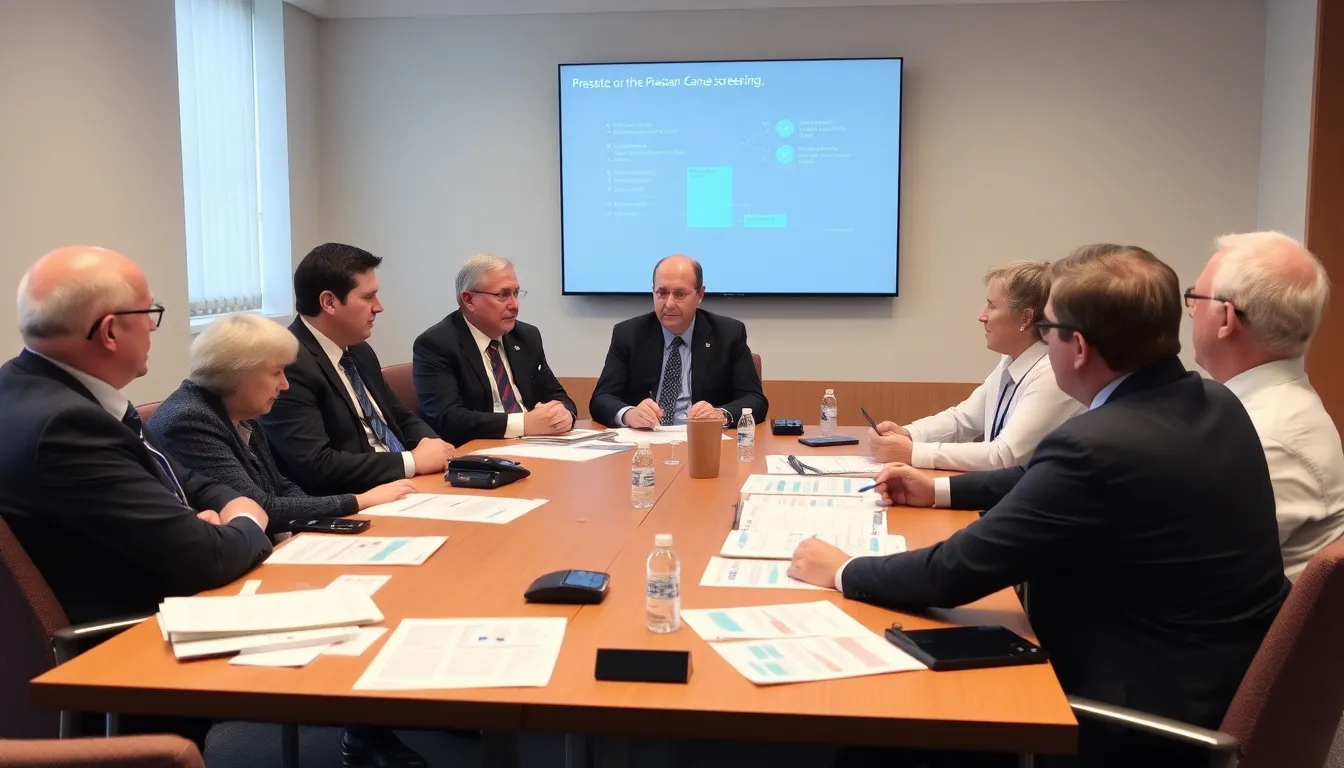
Frequently asked questions about prostate cancer screening
Summary of insights and future outlook on prostate cancer screening
The recent guidance from experts indicating that prostate cancer screening should not be routinely offered to most men in the UK brings to light critical considerations regarding the balance between potential benefits and risks. This recommendation stems from a growing understanding of the overdiagnosis and overtreatment associated with prostate cancer, which can lead to unnecessary interventions and anxiety for patients.
As the medical community navigates these complexities, it is essential to focus on individualized approaches to screening and the importance of informed decision-making. Men should engage in discussions with healthcare providers to assess their personal risk factors and determine the most appropriate course of action.
- Consider personalized risk assessments rather than blanket screening for all men.
- Stay informed about advancements in prostate cancer research and treatment options.
- Engage in open conversations with healthcare professionals about the implications of screening.
- Monitor developments in guidelines and recommendations as new evidence emerges.
- Advocate for awareness and education on prostate health among men.