


The initiative has sparked controversy among environmentalists and conservation groups, who argue that weakening these protections could lead to irreversible damage to vital ecosystems. Critics highlight that many of the areas affected are home to endangered species and play a crucial role in maintaining biodiversity.
Supporters of the policy contend that the housing shortage demands urgent action, asserting that the current regulations impede necessary development. They argue that the proposed changes will help meet the growing demand for affordable housing, particularly in urban areas where housing prices have soared. For a deeper dive into how economic factors influence housing trends, check out this related article on UK house prices.
The government has pledged to implement measures that will supposedly balance development needs with environmental considerations. However, the details of these measures remain vague, raising concerns about the potential long-term impacts on both the environment and community health.
As the policy unfolds, stakeholders from various sectors are closely monitoring its implications. The outcome of this decision could set a precedent for future government actions regarding the intersection of housing development and environmental protection.

Historical context of nature protections and housing policies
Over the past several decades, the relationship between nature protections and housing policies has been a contentious issue in many countries. As urban populations have surged, the demand for housing has often clashed with environmental conservation efforts. In the late 20th century, significant legislation was introduced to protect natural habitats and biodiversity, reflecting a growing awareness of environmental issues. Laws such as the Endangered Species Act in the United States and various European habitat directives aimed to safeguard ecosystems from the encroachment of urban development.
However, as housing shortages have become more acute, particularly in urban areas, governments have faced mounting pressure to prioritize residential development over environmental protections. The 2008 financial crisis highlighted the fragility of housing markets, prompting many governments to adopt policies aimed at stimulating construction. This led to a gradual erosion of some environmental safeguards, as policymakers argued that loosening regulations would facilitate faster housing development and economic recovery.
Key milestones in the evolution of housing and environmental policy
Several key milestones have marked the evolution of housing and environmental policy. In the 1990s, the introduction of the National Environmental Policy Act (NEPA) in the U.S. established a framework for evaluating the environmental impacts of federal projects, including housing developments. However, subsequent administrations have often sought to streamline these processes, arguing that they create unnecessary delays.
In recent years, landmark cases have further influenced the dynamic between housing and nature protections. For instance, court rulings that have favored development over conservation have set precedents that embolden local governments to roll back protections in the name of economic growth. As a result, the current political climate reflects a growing trend where housing needs are increasingly prioritized over environmental considerations, leading to the recent government initiatives aimed at rolling back nature protections to boost housing availability.
Key stakeholders and their positions on the rollback
The decision by the government to roll back nature protections has sparked a significant debate among various stakeholders, each with distinct interests and concerns. Key actors include government officials, environmental organizations, housing developers, and local communities. You can read more on this topic by exploring related discussions, such as the one regarding changes to travel expenses rules.
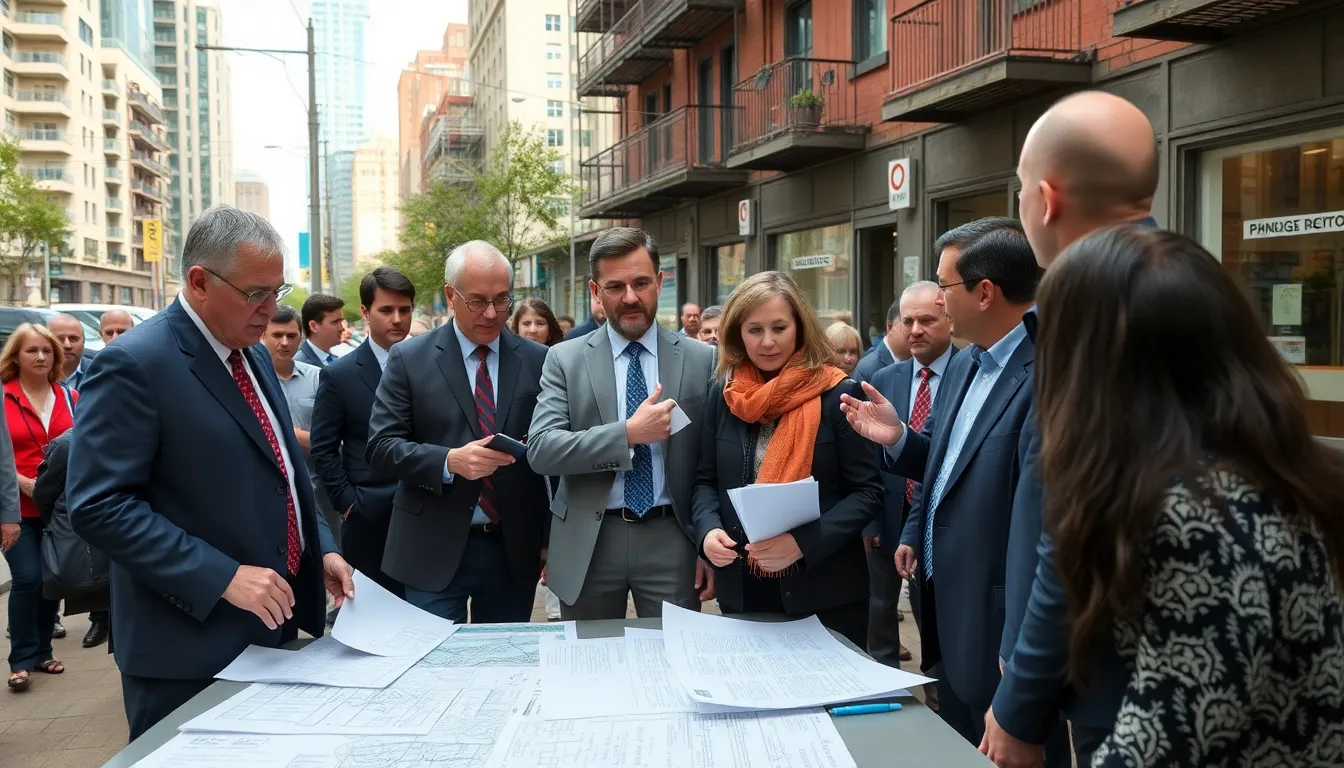
Government officials argue that the rollback is necessary to address the acute housing crisis facing many regions. They believe that easing regulations will expedite the construction of new homes, thereby increasing the supply and making housing more affordable for the general populace. However, this position is met with skepticism by environmental advocates.
Environmental organizations contend that the rollback threatens vital ecosystems and biodiversity. They argue that weakening protections could lead to habitat destruction, increased pollution, and long-term ecological damage. These groups emphasize the importance of preserving natural areas not only for wildlife but also for public health and well-being. This concern is echoed in various dialogues about the balance between development and conservation.
Housing developers generally support the rollback, viewing it as an opportunity to streamline the permitting process and reduce costs associated with compliance. They argue that the current regulations are overly burdensome and hinder the ability to meet housing demands. However, this perspective raises concerns among local communities who fear that rapid development could lead to overcrowding and strain on local resources.
- Government: Aims to increase housing supply and affordability.
- Environmental Organizations: Prioritize conservation and ecological integrity.
- Housing Developers: Seek reduced regulatory barriers for construction.
- Local Communities: Concerned about the impact of development on quality of life.
- Legal Issues: Potential challenges regarding compliance with existing environmental laws.
Potential impacts on communities and the environment
The recent decision by the government to roll back nature protections in favor of increased housing development is set to affect various groups, including local communities, environmental organizations, and the construction industry. Regions with significant natural habitats may experience immediate changes as developers capitalize on the relaxed regulations to initiate new projects.

In the short term, residents in affected areas may face disruptions from construction activities, including noise, traffic congestion, and potential loss of green spaces. This could lead to a decline in quality of life for those living near development sites. Additionally, there are concerns regarding the impact on local wildlife and ecosystems, which could suffer from habitat loss and fragmentation.
Mid-term implications may include changes in property values as new housing developments alter the character of neighborhoods. While some may benefit from increased housing supply and potentially lower prices, others may see their property values decline due to environmental degradation. Businesses that rely on tourism or outdoor activities may also be adversely affected if natural attractions are diminished.
- Risks: Loss of biodiversity, increased pollution, and community displacement.
- Opportunities: Job creation in construction, potential for affordable housing, and economic growth in certain sectors.
Overall, while the intention behind the policy may be to address housing shortages, the ripple effects on communities and the environment highlight the need for a balanced approach that considers both development and conservation. Stakeholders, including local governments and residents, will need to engage in discussions to navigate these changes effectively.
A: The government is reducing regulations that protect wetlands, forests, and endangered species habitats, which are critical for biodiversity. A: The intention is to lower housing prices by increasing supply, but the long-term effects on affordability remain uncertain. A: Proponents include developers and some local governments who argue that housing shortages necessitate these changes. A: Environmentalists warn that the rollback could lead to habitat destruction, loss of biodiversity, and increased pollution. A: Citizens can engage in public consultations, contact their representatives, and participate in advocacy efforts to protect the environment.
Frequently asked questions about the policy changes
Key takeaways and future implications of the policy rollback
The recent decision to roll back nature protections in favor of increased housing development has sparked a significant debate about the balance between environmental conservation and the urgent need for housing. This shift in policy may lead to immediate gains in housing availability, but it also raises concerns about long-term environmental impacts and sustainability. As communities grapple with these changes, the implications will be felt across various sectors, from real estate to environmental advocacy.
Stakeholders should remain vigilant as this policy unfolds, monitoring its effects on local ecosystems, housing markets, and community responses. The interplay between development and environmental health will be crucial in shaping future policies and public sentiment.
- Increased housing supply: The rollback may lead to a quicker rise in housing stock, potentially alleviating some housing shortages in urban areas.
- Environmental trade-offs: Watch for potential degradation of local ecosystems as development expands into previously protected areas.
- Community pushback: Local communities may mobilize to advocate for the reinstatement of protections, leading to increased public discourse on sustainable development.
- Regulatory changes: Future legislative efforts may emerge aimed at balancing development needs with environmental safeguards, reflecting public sentiment and ecological concerns.
- Market adjustments: Real estate markets could experience fluctuations as developers respond to new opportunities and challenges presented by the policy changes.