


Japan’s alarming rise in dementia cases
Japan is currently grappling with a significant increase in dementia cases, with estimates suggesting that over 7 million individuals will be affected by 2025. This surge is largely attributed to the aging population, as around 28% of Japan’s citizens are expected to be over 65 years old by that time. The implications of this demographic shift are profound, impacting healthcare systems, families, and the economy. For a deeper understanding of the economic aspects, you can read about the projected costs of dementia care.
As of 2023, approximately 4.6 million people in Japan are already living with dementia, a figure that has more than doubled since the early 2000s. The government has recognized this crisis, leading to the launch of various initiatives aimed at improving care and support for those affected. However, the rapid increase in cases poses a challenge that current resources may struggle to meet. Learn more about the government’s initiatives and plans to tackle this growing crisis.
In response to the crisis, technology is emerging as a potential solution. Innovations such as AI-driven monitoring systems, mobile health applications, and robotics are being explored to assist caregivers and enhance the quality of life for patients. These technological advancements could play a crucial role in managing the growing number of dementia cases and alleviating some of the burdens on healthcare providers and families. Exploring these tech innovations is essential to understanding their impact on dementia care.
The urgency of addressing this issue is underscored by the fact that Japan’s healthcare costs related to dementia care are projected to reach nearly $100 billion annually by 2025. As the country seeks effective strategies to combat this growing crisis, the integration of technology into dementia care is becoming an increasingly vital area of focus for policymakers and researchers alike.
Understanding the background of dementia in Japan
Japan is currently grappling with a significant dementia crisis, a situation that has emerged from a confluence of demographic, social, and economic factors. The nation has one of the highest life expectancies in the world, which, while a testament to advancements in healthcare, has led to an increasing number of elderly citizens. As the population ages, the prevalence of dementia, particularly Alzheimer’s disease, has surged, creating pressing challenges for families and the healthcare system.
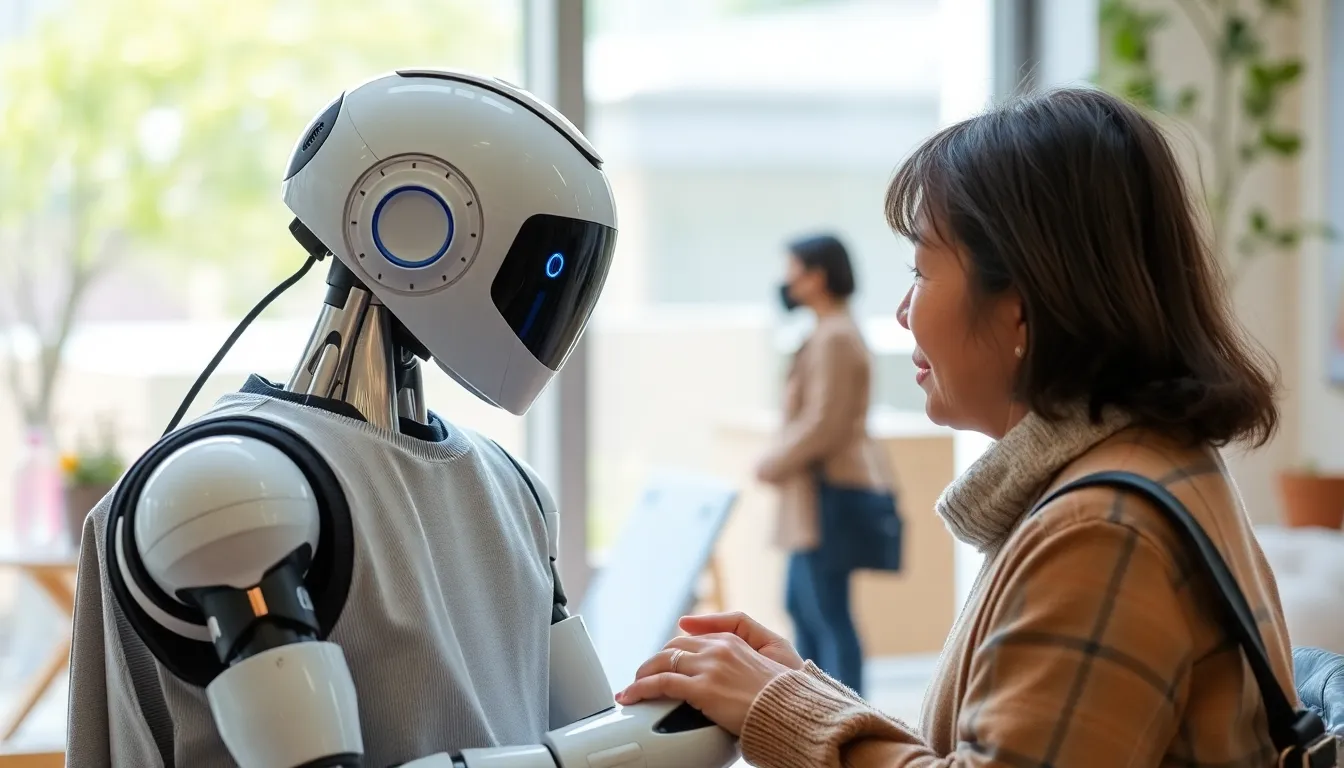
The historical context of dementia care in Japan can be traced back to the post-World War II era, when rapid industrialization and urbanization began to reshape societal structures. Traditionally, elderly family members were cared for at home, but as more women entered the workforce and families became smaller, this practice began to decline. The shift has resulted in a growing number of elderly individuals living alone or in care facilities, often without adequate support.
Key Milestones in Japan’s Dementia Awareness
In 2000, the Japanese government recognized the need to address dementia more formally, launching the “New Orange Plan” aimed at improving care and support for individuals with dementia and their families. This initiative marked a significant milestone in raising awareness and promoting research into dementia care. Subsequent policies have focused on enhancing community-based services and integrating technology to assist caregivers and patients alike.
Economically, the burden of dementia care is substantial, with estimates suggesting that the costs associated with dementia care could reach trillions of yen in the coming decades. This has prompted discussions about the role of technology in alleviating some of these pressures. Innovations such as telemedicine, AI-driven monitoring systems, and robotic caregivers are being explored as potential solutions to improve the quality of life for those affected by dementia and to ease the strain on caregivers.
As Japan continues to confront this crisis, the intersection of technology and dementia care becomes increasingly vital. The ongoing exploration of technological solutions reflects a broader societal shift towards embracing innovation as a means to address complex health issues, paving the way for a future where technology plays a crucial role in dementia care and support.
Key stakeholders and challenges in addressing dementia
Japan’s dementia crisis involves a complex network of stakeholders, each with distinct interests and objectives. The primary actors include the Japanese government, healthcare providers, technology companies, and families of individuals affected by dementia. Each group plays a critical role in shaping the response to this growing public health issue.
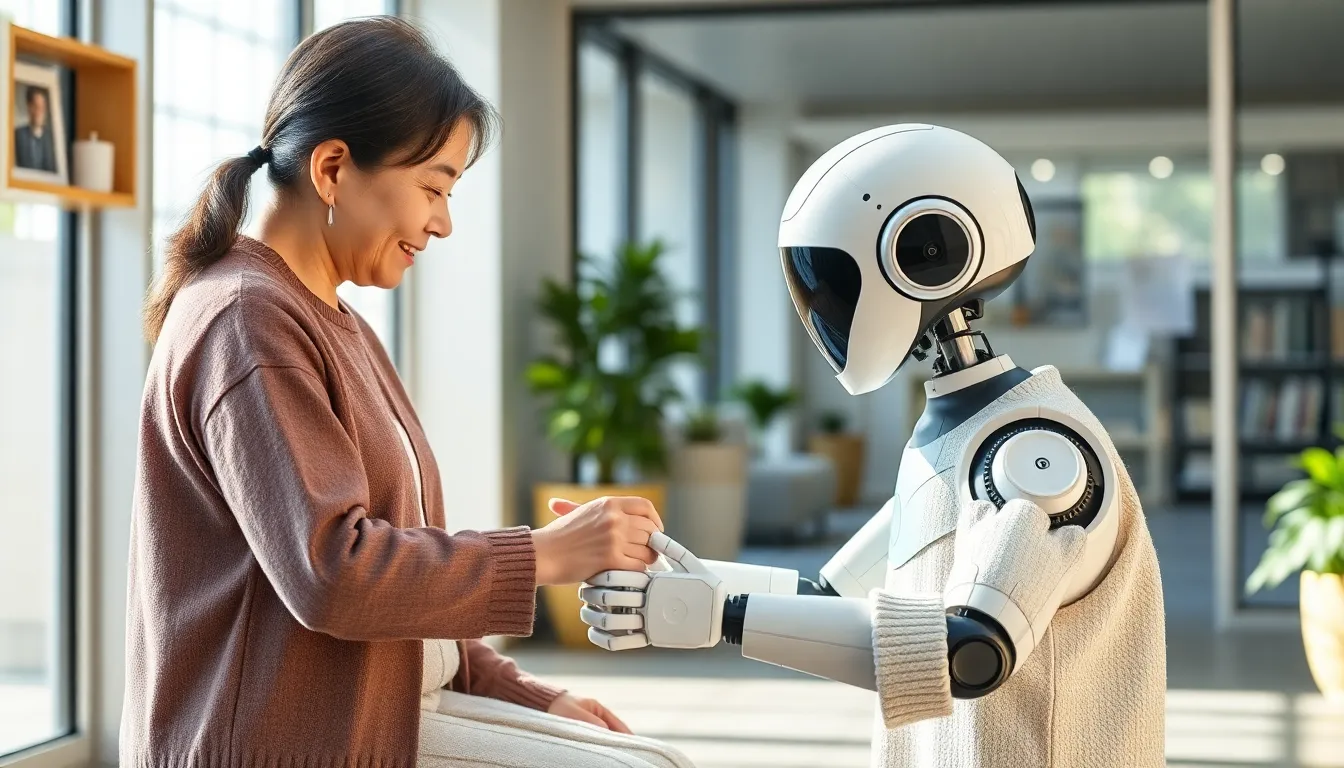
The Japanese government is keenly interested in managing the economic burden posed by dementia, which is projected to escalate as the population ages. Their focus is on implementing policies that promote early diagnosis, enhance care services, and integrate technology into healthcare systems. However, budget constraints and differing priorities among government agencies can create conflicts that hinder effective policy implementation.
Healthcare providers, including hospitals and nursing homes, face the challenge of delivering quality care amidst rising patient numbers. They are interested in adopting technological solutions that can improve patient monitoring and care efficiency. Yet, the integration of new technologies often requires significant investment and training, which may not always be feasible given existing financial and staffing limitations.
Technology companies are emerging as key players in the dementia landscape by developing innovative solutions such as wearable devices and AI-driven applications. Their interests lie in creating products that can enhance the quality of life for dementia patients while also generating profit. However, ethical concerns regarding data privacy and the potential for technology to replace human interaction pose significant challenges.
- Economic Burden: The rising costs associated with dementia care strain public health resources.
- Policy Conflicts: Differing priorities among government agencies can impede coordinated action.
- Technological Integration: Healthcare providers may struggle with the costs and training required for new technologies.
- Ethical Considerations: Concerns over data privacy and the impact of technology on human relationships.
- Family Support: Families face emotional and financial challenges while navigating care options for their loved ones.
The societal and economic impact of dementia in Japan
Japan’s rapidly aging population is facing a significant dementia crisis, affecting millions of individuals and their families. The elderly, particularly those over the age of 65, are the most directly impacted, with estimates suggesting that one in five seniors suffers from some form of dementia. This demographic shift places immense pressure on healthcare systems, family caregivers, and social services.

Industries such as healthcare, technology, and elder care services are also feeling the effects. The demand for specialized medical care, home healthcare services, and innovative technological solutions to assist those with dementia is on the rise. In the short term, businesses that cater to these needs may experience increased demand, while those unprepared may struggle to adapt.
On a broader scale, the crisis poses challenges for policymakers. The government may need to allocate more resources to dementia care, including funding for research and development of assistive technologies. This shift could lead to new policies focused on improving healthcare infrastructure and support systems for caregivers.
- Short-term impacts: Increased demand for healthcare services and caregiver support.
- Mid-term impacts: Potential growth in technology sectors focused on health monitoring and patient assistance.
- Risks: Strain on family resources and potential burnout among caregivers.
- Opportunities: Innovations in telehealth, AI-assisted caregiving, and smart home technologies.
As Japan grapples with these challenges, there is a pressing need for collaborative efforts between the government, private sector, and communities to create sustainable solutions that not only address the immediate needs but also pave the way for a more resilient future in dementia care.
A: Japan is experiencing a significant increase in dementia cases, with projections indicating that millions will be affected in the coming years. This has raised concerns about the healthcare system’s capacity to manage the growing number of patients. A: Technology can play a crucial role in dementia care through tools like monitoring devices, mobile applications for caregivers, and AI-driven solutions that help in early detection and personalized care plans. A: Challenges include ensuring accessibility for all demographics, addressing privacy concerns, and integrating new technologies into existing healthcare systems effectively. A: Yes, various initiatives in Japan have showcased the use of robotics for companionship, smart home technologies for safety, and mobile apps that help caregivers manage daily tasks. A: The Japanese government is actively involved in funding research, promoting awareness, and implementing policies aimed at improving dementia care and support services for affected individuals and families.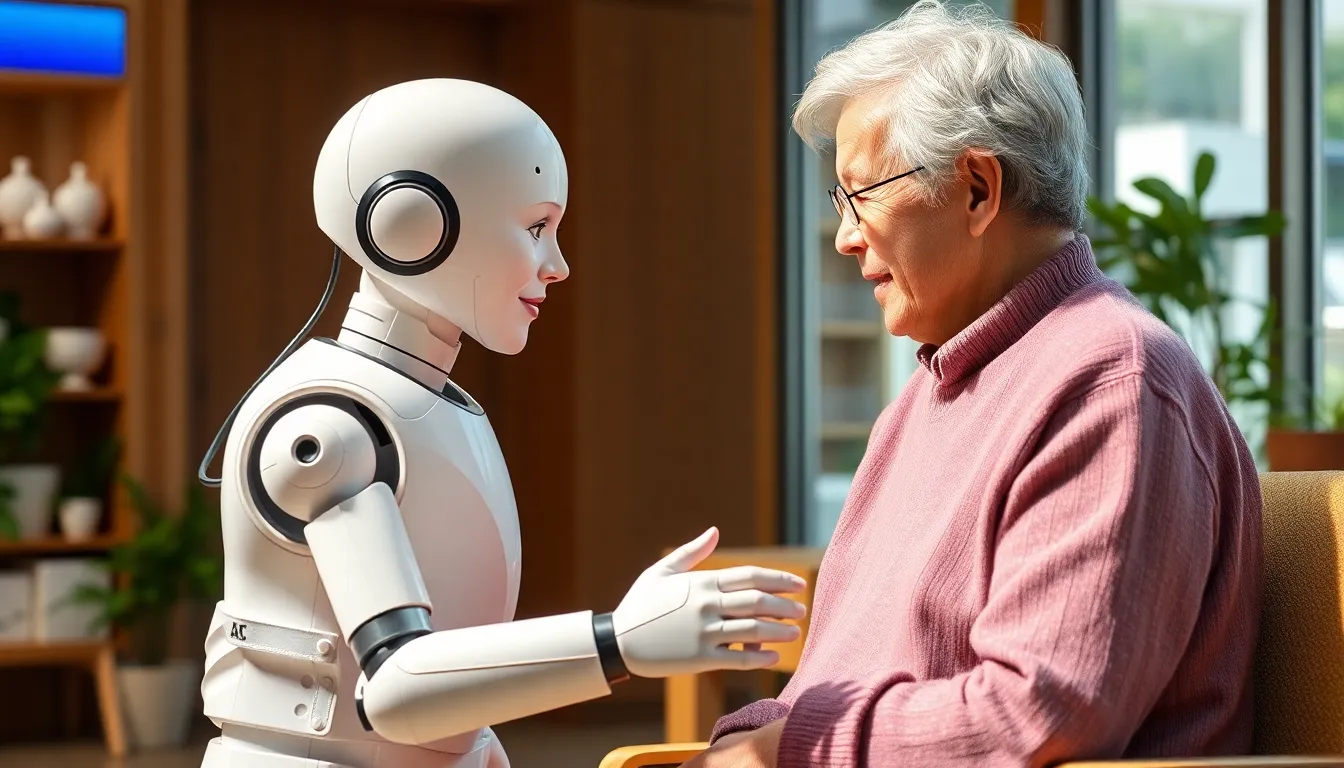
Frequently asked questions about dementia and technology
Looking ahead: potential solutions and future outlook
As Japan grapples with an escalating dementia crisis, the integration of technology into care and support systems presents a promising avenue for alleviating some of the challenges faced by patients and caregivers alike. Innovations such as artificial intelligence, telemedicine, and smart home technologies could play a pivotal role in enhancing the quality of life for individuals living with dementia, while also providing much-needed support to families and healthcare professionals.
Continued investment in research and development will be essential to harness these technological advancements effectively. Collaboration between tech companies, healthcare providers, and government agencies will be crucial in ensuring that solutions are not only innovative but also accessible and tailored to the specific needs of the aging population.
- Embrace AI and robotics: The use of AI-driven tools can assist in early diagnosis and personalized care plans, while robotics may help with daily tasks and companionship.
- Enhance telehealth services: Expanding telemedicine can provide remote consultations, reducing the burden on caregivers and improving access to specialists.
- Develop smart home solutions: Technologies that support daily living and safety can empower individuals with dementia to maintain independence longer.
- Invest in public awareness campaigns: Educating the public about dementia and available technologies can help reduce stigma and encourage early intervention.
- Foster interdisciplinary collaboration: Building partnerships among technology developers, healthcare providers, and policymakers will be essential in creating comprehensive support systems.