


In the Asia-Pacific, tensions between the United States and China have intensified, particularly regarding Taiwan. The U.S. has increased its military presence in the region, conducting joint exercises with allies such as Japan and Australia. This has prompted strong reactions from China, which views these actions as provocations, thereby heightening fears of a potential conflict. For more information on regional security issues, you can read about Myanmar’s army targeting scam compounds.
Additionally, the global economy is facing challenges due to rising inflation rates and supply chain disruptions. Key economies are grappling with the effects of energy shortages and fluctuating commodity prices, which have been exacerbated by the ongoing war in Ukraine. These economic pressures are prompting governments to reconsider their fiscal policies and strategies for economic recovery. The increasing Russian threat in Europe is another factor affecting global economic stability.
Furthermore, climate change remains a pressing issue, with recent natural disasters highlighting the urgent need for international cooperation. Events such as severe flooding in parts of Europe and wildfires in Australia have underscored the vulnerabilities many nations face. The upcoming COP28 climate conference is expected to address these challenges, but the effectiveness of global commitments remains uncertain.
Historical Context of Recent Developments
The world has witnessed a series of significant events that have shaped the current geopolitical landscape. Understanding these developments requires a look back at key historical milestones that have influenced international relations, economic strategies, and social movements. From the end of the Cold War to the rise of globalization, each event has contributed to the complexities we see today. For insights into cultural impacts, check out DJ Roger Sanchez’s honest playlist.
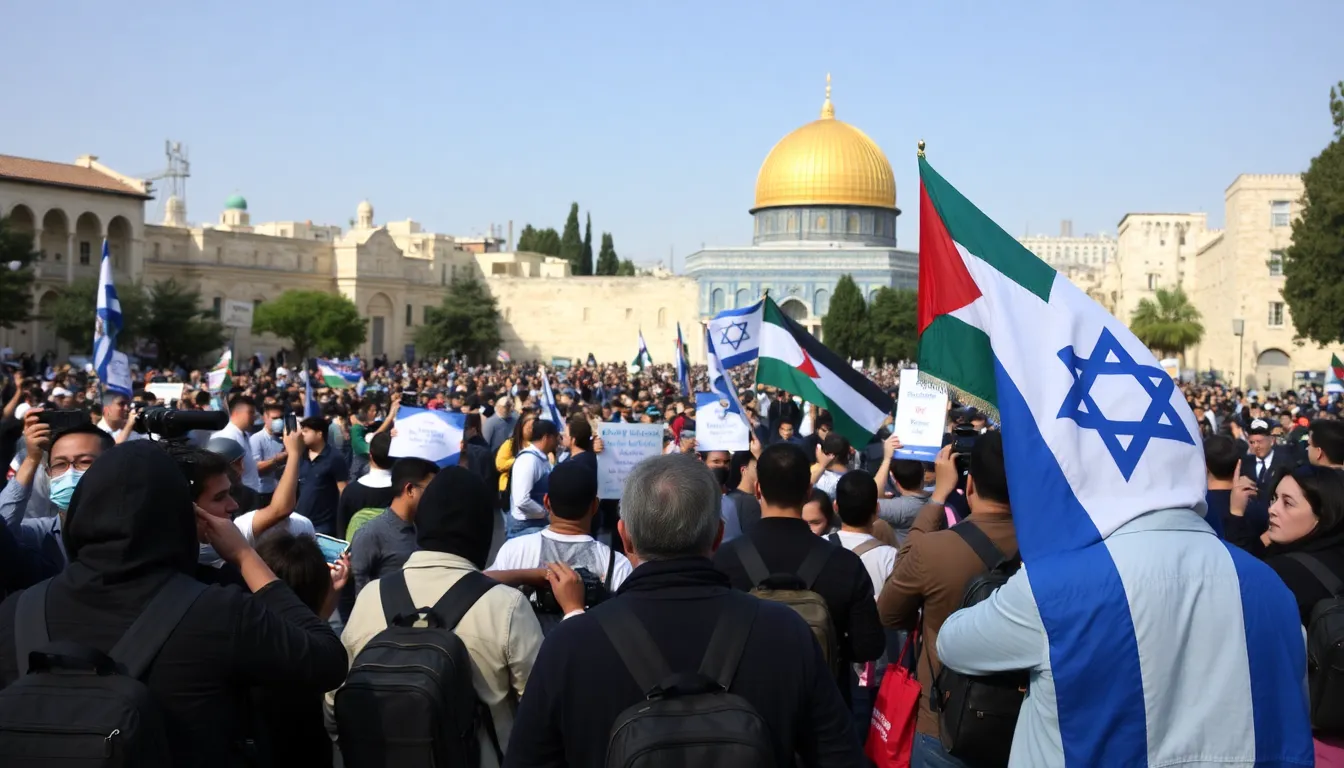
One pivotal moment was the dissolution of the Soviet Union in 1991, which not only marked the end of a bipolar world but also led to the emergence of new nations and a shift towards Western-style democracies in Eastern Europe. This transition was accompanied by economic reforms that aimed to integrate these nations into the global market, although the outcomes were mixed, leading to both growth and instability in various regions.
In the early 2000s, the events of September 11, 2001, shifted the focus of global politics towards counter-terrorism and security. The subsequent wars in Afghanistan and Iraq had profound implications, altering power dynamics in the Middle East and raising questions about national sovereignty and interventionism. These conflicts also sparked debates about human rights and the ethics of military engagement.
The Rise of Globalization
As nations became increasingly interconnected through trade, technology, and communication, globalization emerged as a dominant force in shaping economic policies. The establishment of organizations such as the World Trade Organization (WTO) facilitated trade agreements that have both benefited and disadvantaged various economies. This has led to growing disparities in wealth and power, fueling social unrest and political movements worldwide.
In recent years, the rise of populism and nationalism in various countries has challenged the principles of globalization, leading to a reevaluation of international alliances and trade agreements. The COVID-19 pandemic further exacerbated these tensions, highlighting vulnerabilities in global supply chains and prompting nations to reconsider their dependencies. Understanding these historical contexts is crucial for analyzing the current state of global affairs and the potential future trajectories of international relations.
Key Stakeholders and Their Interests
In the complex landscape of global affairs, several key stakeholders play pivotal roles in shaping outcomes and policies. These include national governments, international organizations, non-governmental organizations (NGOs), and influential individuals. Each actor has distinct interests that often intersect and conflict, leading to a dynamic interplay of power and influence.
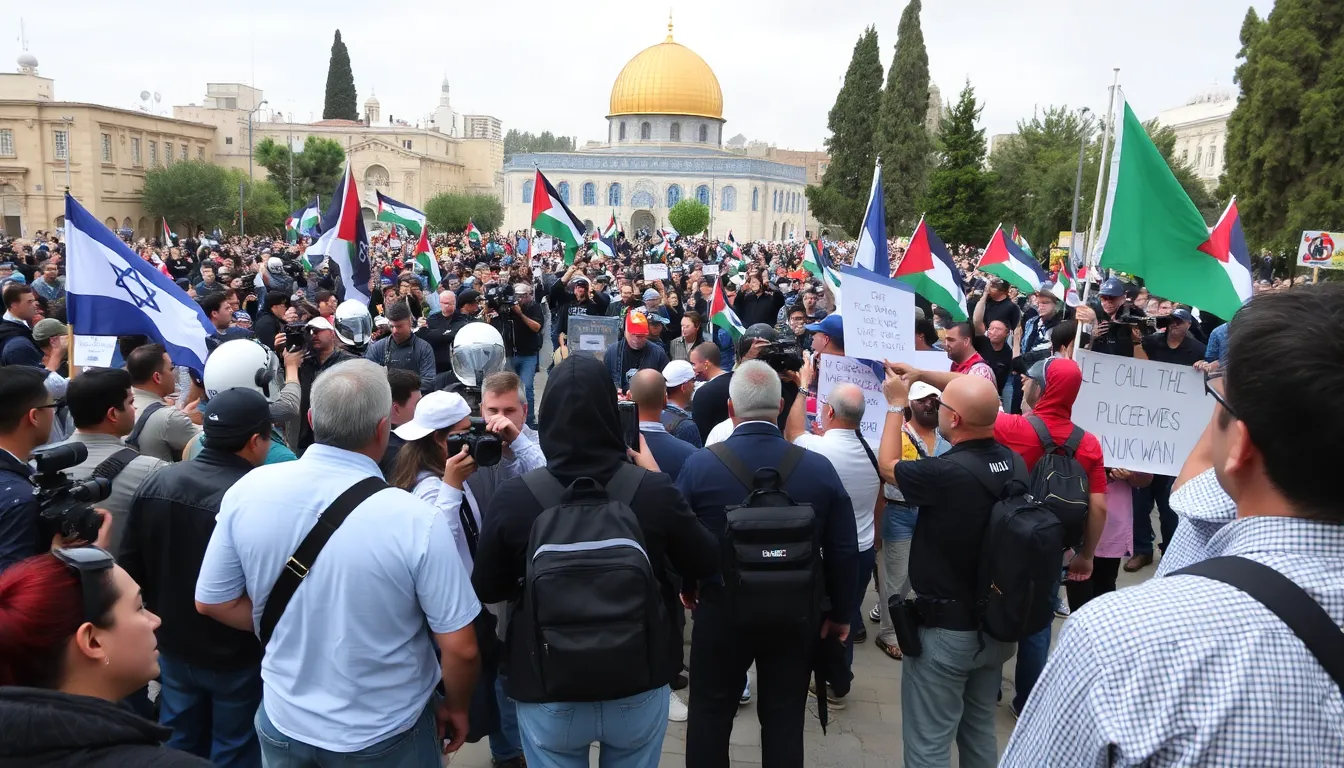
National governments are primarily concerned with their sovereignty, economic stability, and the welfare of their citizens. For instance, countries may prioritize trade agreements that bolster their economies while simultaneously seeking to protect domestic industries from foreign competition. This can lead to tensions between nations as they negotiate terms that favor their own interests over those of others.
International organizations, such as the United Nations and the World Trade Organization, aim to foster cooperation and establish norms that govern state behavior. These entities often advocate for human rights, environmental sustainability, and economic development. However, their effectiveness can be hampered by the differing priorities of member states, which can result in gridlock on critical issues.
- Economic Interests: Countries may engage in trade wars to protect local industries, leading to retaliatory tariffs and strained relations.
- Human Rights Advocacy: NGOs often push for reforms in countries with poor human rights records, creating friction with governments that resist external pressure.
- Environmental Concerns: The push for climate action can clash with nations reliant on fossil fuels, complicating international agreements.
- Security Issues: Geopolitical tensions can arise from differing national security strategies, particularly in regions with historical conflicts.
- Cultural Differences: Diverse cultural perspectives can lead to misunderstandings and conflicts in international negotiations.
As these stakeholders navigate their interests, the potential for conflict and cooperation remains ever-present. The challenge lies in finding a balance that addresses the diverse needs of all parties involved while striving for a more stable and equitable global environment.
Who is Affected by These Global Changes
Global changes are creating ripples across various sectors and demographics, impacting individuals, businesses, and entire regions. From climate change to economic shifts, the effects are felt differently by diverse groups. Vulnerable populations, including low-income communities, are particularly at risk, facing heightened challenges in accessing resources and opportunities.
Industries such as agriculture, manufacturing, and technology are experiencing significant transformations. For instance, the agricultural sector is grappling with unpredictable weather patterns, which can lead to crop failures and food shortages. On the other hand, the technology sector may benefit from increased demand for innovative solutions to address these challenges, presenting a dual-edged scenario.

In the short term, daily life may be disrupted by supply chain issues and inflation, affecting everything from grocery prices to housing costs. Mid-term impacts could include shifts in employment, as companies adapt to new market realities and consumer preferences. This could lead to both job losses in traditional sectors and growth in green technology and sustainable practices.
- Vulnerable populations: Increased risk of food insecurity and limited access to services.
- Agriculture: Crop failures leading to food shortages and rising prices.
- Technology: Growth in demand for innovative solutions and job creation.
- Employment shifts: Potential job losses in traditional sectors vs. growth in green jobs.
While the risks are substantial, there are also potential opportunities for businesses and communities to innovate and adapt. Embracing sustainable practices and investing in technology can lead to long-term benefits, fostering resilience in the face of ongoing global changes.
A: The main global issues include climate change, geopolitical tensions, and economic instability, which are interconnected and impact various regions differently. A: Local communities may face challenges such as displacement, economic hardship, and changes in social dynamics due to global events. A: Governments play a crucial role in formulating policies, collaborating internationally, and implementing programs to mitigate the effects of global challenges. A: Individuals can contribute by staying informed, advocating for sustainable practices, and participating in community initiatives. A: Yes, numerous international organizations, NGOs, and community groups work tirelessly to address global issues through advocacy, education, and direct action.
Frequently Asked Questions About Global Events
Key Takeaways and Future Outlook
The current global landscape presents a complex interplay of challenges and opportunities that require careful navigation. As nations grapple with economic uncertainties, geopolitical tensions, and environmental concerns, the implications for policy and international relations are profound. Stakeholders must remain vigilant and adaptable to the shifting dynamics that characterize today’s world.
Looking ahead, it is crucial to monitor the evolving trends that could shape the future. Understanding the interconnectedness of global events will be essential for making informed decisions that foster resilience and cooperation.
- Watch for shifts in international alliances as countries reassess their strategic partnerships in response to emerging threats.
- Keep an eye on economic indicators that could signal changes in global trade patterns and investment flows.
- Pay attention to environmental policies as nations prioritize sustainability in the face of climate change challenges.
- Observe social movements that may influence political landscapes and public policy in various regions.
- Consider the implications of technological advancements on security and economic competitiveness on a global scale.