


The new models, including the highly anticipated Tesla Model 2, are positioned to compete directly with traditional internal combustion engine vehicles. With a starting price rumored to be around $25,000, these cars are designed to attract first-time buyers and environmentally conscious consumers looking for budget-friendly options. This shift aligns with Tesla’s ongoing commitment to sustainability and reducing carbon emissions. For more on Tesla’s strategies, check out Tesla offers free upgrades and finance deals to boost sales.
In addition to affordability, Tesla is also focusing on enhancing the features and technology available in these new models. The vehicles are expected to include advanced safety systems, improved battery range, and the latest in Tesla’s Autopilot capabilities. As electric vehicle adoption continues to rise, these enhancements may play a crucial role in swaying potential buyers who are on the fence about making the switch.
This development is significant not only for Tesla but for the entire automotive industry, as it signals a potential shift towards more accessible electric vehicle options. Major competitors are likely to respond with their own affordable models, which could accelerate the transition to electric mobility. The success of Tesla’s new offerings may set a precedent for future innovations and pricing strategies within the sector.
Understanding the market demand for affordable electric vehicles
The push for affordable electric vehicles (EVs) has gained significant momentum over the past decade, driven by a combination of environmental concerns, technological advancements, and shifting consumer preferences. As climate change continues to be a pressing global issue, the demand for sustainable transportation options has surged. This has led to a growing interest in electric vehicles, which are seen as a key solution to reducing greenhouse gas emissions and reliance on fossil fuels.
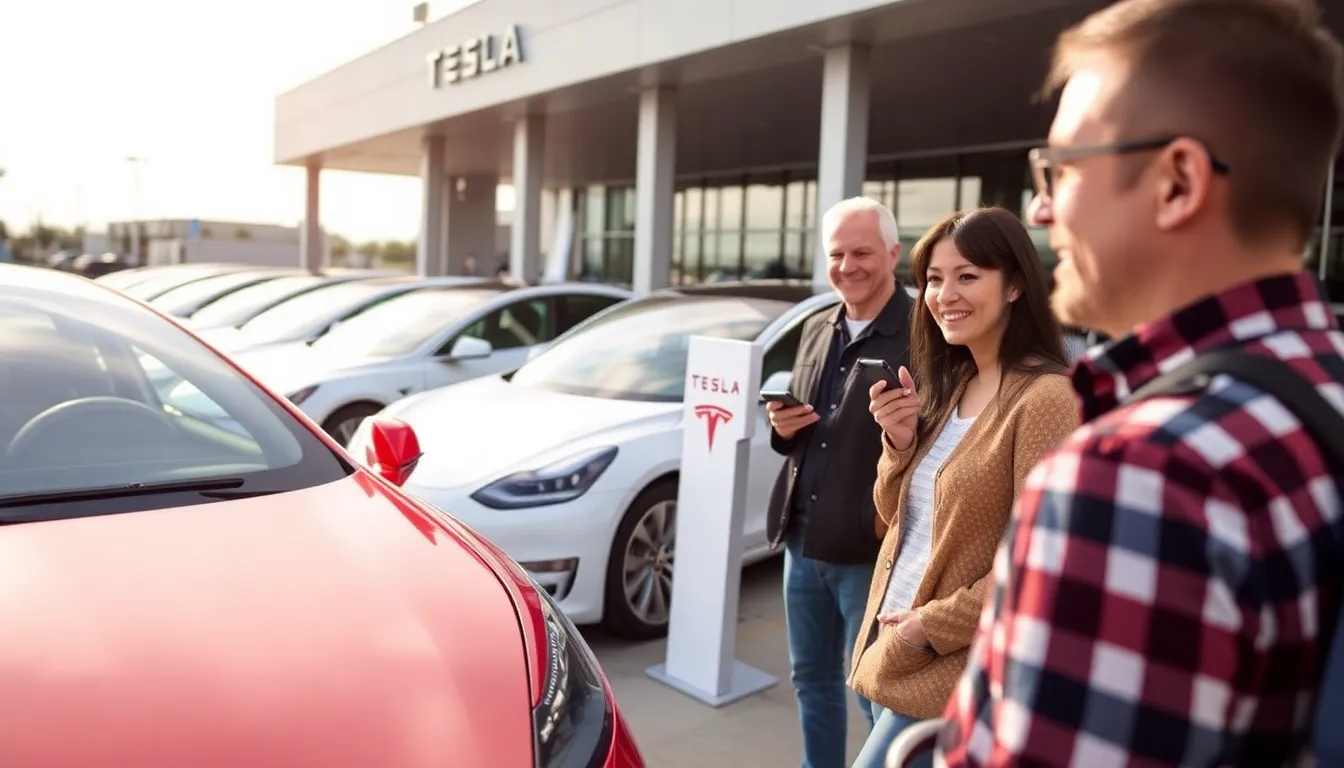
Historically, electric vehicles were often viewed as luxury items, accessible only to affluent consumers. However, as battery technology has improved and production costs have decreased, manufacturers have begun to explore ways to offer more budget-friendly options. The introduction of government incentives and subsidies aimed at promoting EV adoption has also played a crucial role in making electric vehicles more accessible to the average consumer. This shift is critical as the demand for sustainable transportation options grows.
Key milestones in this evolution include the launch of the Nissan Leaf in 2010, which was one of the first mass-market electric cars, and Tesla’s Model 3 in 2017, which aimed to bring electric driving to the mainstream. These vehicles set a precedent for affordability and range, challenging the notion that electric cars must be expensive and limited in capability. As a result, other automakers have followed suit, with various models entering the market at competitive price points.
The Role of Government Policy
Government policy has also been instrumental in shaping the landscape for affordable electric vehicles. Many countries have implemented regulations and incentives designed to encourage the production and purchase of EVs, including tax credits, rebates, and stricter emissions standards. These measures have not only incentivized consumers to consider electric options but have also prompted manufacturers to invest in research and development to meet the growing demand for affordable, efficient electric cars.
Key stakeholders and issues surrounding Tesla’s pricing strategy
As Tesla introduces its new line of affordable electric vehicles, several key stakeholders emerge, each with distinct interests and concerns. The primary actors include Tesla itself, consumers, competitors in the automotive industry, regulatory bodies, and environmental organizations. Understanding their perspectives is essential for grasping the broader implications of Tesla’s pricing strategy.
Tesla, as the manufacturer, aims to expand its market share and enhance its brand image by offering more accessible electric vehicles. This move is intended to attract a wider range of consumers, particularly those who may have been deterred by previous pricing. However, the company faces the challenge of maintaining profitability while reducing prices, which raises questions about cost management and production efficiency.
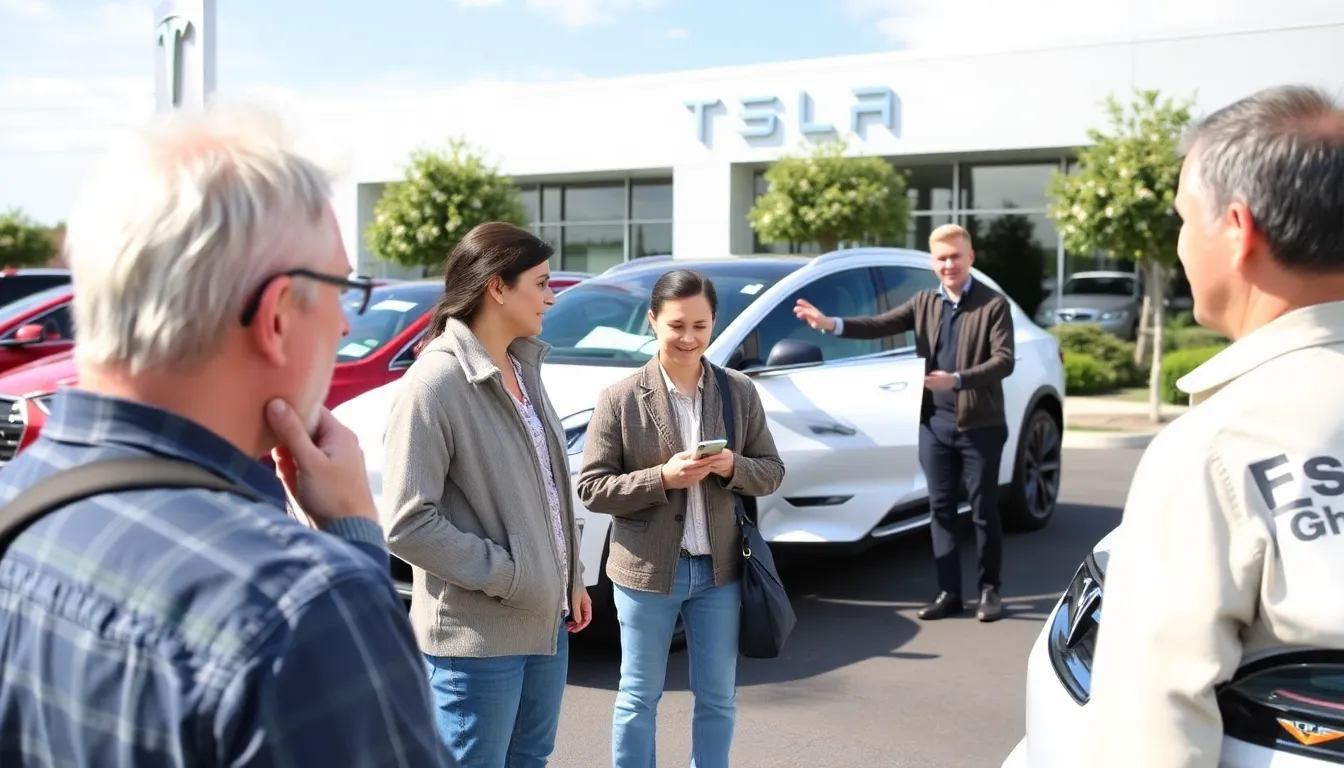
Consumers are a crucial stakeholder group, as the affordability of electric vehicles could significantly influence their purchasing decisions. Many potential buyers are motivated by environmental concerns and the desire to reduce their carbon footprint. However, they also prioritize cost, reliability, and features. The trade-off between price and the perceived value of Tesla’s offerings will be a critical factor in consumer acceptance.
Competitors in the automotive sector are closely monitoring Tesla’s pricing strategy, as it could disrupt the market dynamics. Traditional automakers may feel pressured to lower their prices or enhance their electric vehicle offerings to remain competitive. This situation could lead to a price war that may benefit consumers but potentially harm the profitability of established brands. Such dynamics are indicative of broader trends in the transition to electric mobility.
- Regulatory bodies are interested in how Tesla’s pricing impacts electric vehicle adoption rates and compliance with environmental standards.
- Environmental organizations may view the expansion of affordable electric vehicles as a positive step towards reducing emissions but could raise concerns about the sustainability of production practices.
- Investors and shareholders are focused on Tesla’s financial performance, particularly how pricing decisions affect revenue and long-term growth.
Overall, the interplay between these stakeholders highlights the complexity of Tesla’s pricing strategy. Conflicts may arise as companies strive to balance profitability with consumer demands and regulatory expectations, making it a critical area for ongoing analysis.
How Tesla’s new models will affect the electric vehicle market
Tesla’s introduction of more affordable electric cars is set to disrupt various groups and industries. Consumers looking for cost-effective electric vehicle options will be the primary beneficiaries, as these new models promise to lower the entry barrier for EV ownership. Additionally, traditional automotive manufacturers may feel the pressure to innovate and reduce prices to remain competitive in a rapidly evolving market.
In the short term, we can expect an increase in electric vehicle adoption rates, particularly among middle-income households. This shift may lead to greater demand for charging infrastructure, prompting local governments and businesses to invest in more charging stations. The immediate impact on daily life could include a rise in the visibility of electric vehicles on the roads, changing the perception of EVs from niche to mainstream.
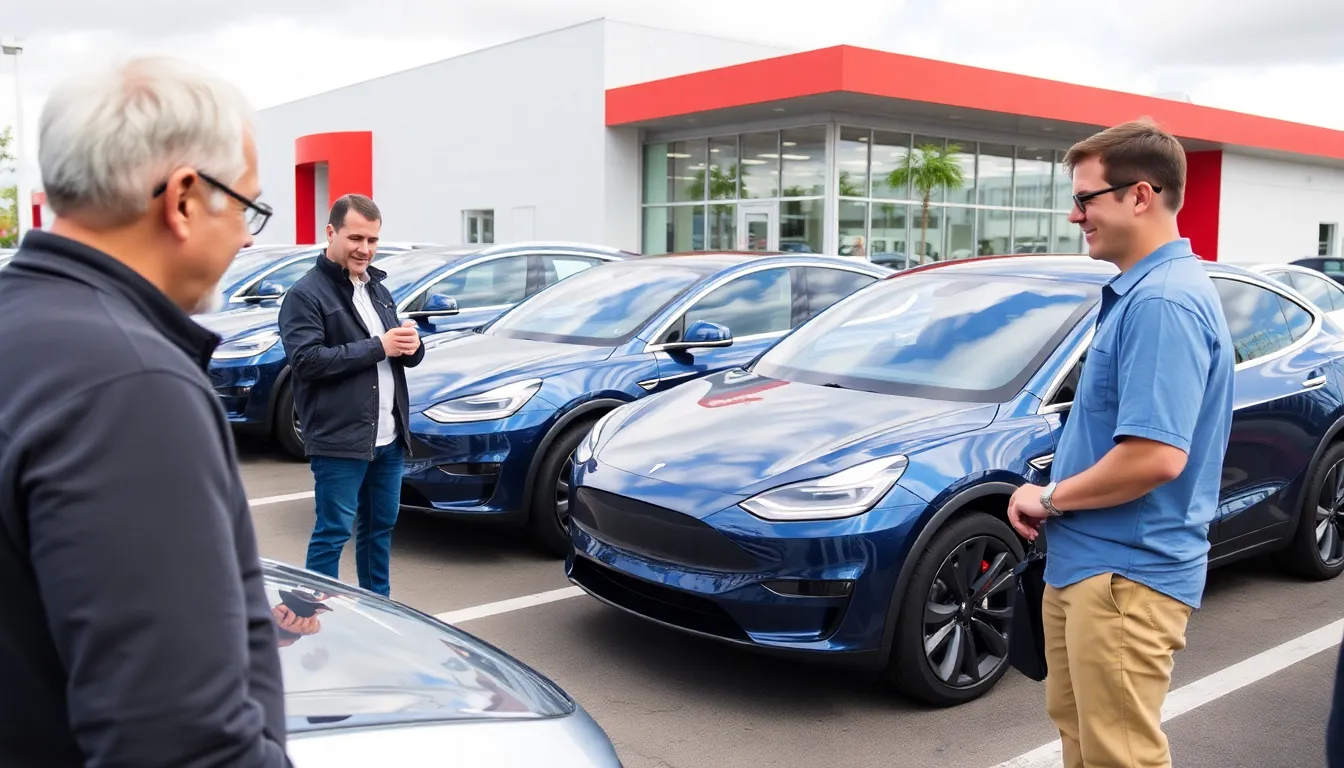
In the mid-term, several industries may experience significant changes. The automotive supply chain, including battery manufacturers and raw material suppliers, could see increased demand, potentially leading to job creation in these sectors. Conversely, the fossil fuel industry may face challenges as more consumers opt for electric vehicles, resulting in a gradual decline in gasoline sales.
- Opportunities: Growth in EV-related jobs and infrastructure development.
- Risks: Increased competition may lead to price wars among automakers.
- Policy Changes: Potential shifts in government incentives for electric vehicles.
Regions with existing EV infrastructure may benefit more quickly from Tesla’s new models, while areas lacking charging stations may struggle to keep up with the demand. Overall, the introduction of affordable electric vehicles by Tesla could catalyze a significant transformation in the automotive landscape, influencing consumer behavior, industry dynamics, and environmental policies.
A: The starting prices for Tesla’s new affordable electric cars range from $25,000 to $35,000, depending on the model and features selected. A: These new models come equipped with advanced safety features, a modern infotainment system, and impressive battery range, making them competitive in the market. A: Tesla’s pricing is generally lower than many competitors in the electric vehicle market, making it a more accessible option for consumers. A: The new affordable electric cars are expected to be available for order starting in early 2024, with deliveries commencing shortly thereafter. A: Yes, buyers may qualify for federal and state incentives, which can significantly reduce the overall cost of purchasing a new electric vehicle.
Frequently asked questions about Tesla’s new electric cars
Future outlook on Tesla’s affordable electric car initiative
Tesla’s introduction of more affordable electric vehicles marks a significant shift in the automotive landscape, catering to a broader customer base while maintaining its commitment to sustainability. As the company navigates this new market segment, it will be crucial to monitor how these vehicles perform in terms of sales, customer satisfaction, and overall impact on the EV market. The competitive pricing strategy may not only enhance Tesla’s market share but also compel other manufacturers to reevaluate their pricing and offerings in the electric vehicle sector.
Additionally, the features included in these affordable models will play a pivotal role in shaping consumer perceptions and preferences. The balance between cost and technology will be a key factor in determining the success of this initiative. Observers should pay close attention to consumer feedback and industry responses as Tesla continues to innovate and expand its reach.
- Watch for how Tesla’s pricing strategy influences the broader electric vehicle market and competitors’ pricing models.
- Monitor customer feedback on the features and performance of Tesla’s new affordable models.
- Consider the potential impact on Tesla’s brand perception as it diversifies its product lineup.
- Evaluate the implications for sustainability and accessibility in the automotive industry.
- Anticipate potential changes in government policies or incentives related to electric vehicles as more affordable options become available.