


The researcher was detained on October 15, 2023, during a routine check by Polish law enforcement. The arrest has raised alarms in Moscow, with Russian officials asserting that the actions taken by Poland are politically motivated and could further strain diplomatic relations between the two countries. Russia’s Foreign Ministry has issued statements demanding the immediate release of the researcher.
This situation is significant as it highlights the complexities of international law and the challenges of cooperation between nations in matters of security and justice. Additionally, it underscores the increasingly fraught relations between Russia and its neighboring countries, particularly in the context of the ongoing conflict in Ukraine. The incident may also have implications for Poland’s role within the European Union and its stance toward Russia. For more on the impact of international relations, see our article on top scientists and environmental reports.
As the situation unfolds, both nations are likely to engage in diplomatic negotiations to address the fallout from the arrest. Observers are closely monitoring the developments, as they could impact not only bilateral relations but also broader regional stability. The response from the international community remains to be seen, as calls for dialogue and resolution grow louder.
Understanding the background of the researcher’s arrest
The recent arrest of a researcher in Poland, who is wanted by Ukraine, has sparked significant diplomatic tensions between Russia and Poland. This incident is rooted in the complex historical relationship between these nations, particularly in the context of the ongoing conflict in Ukraine, which has seen Russia and Ukraine at odds since 2014. The geopolitical landscape in Eastern Europe has been fraught with challenges, particularly as NATO and the European Union have expanded their influence in the region, often viewed with suspicion by Russia.
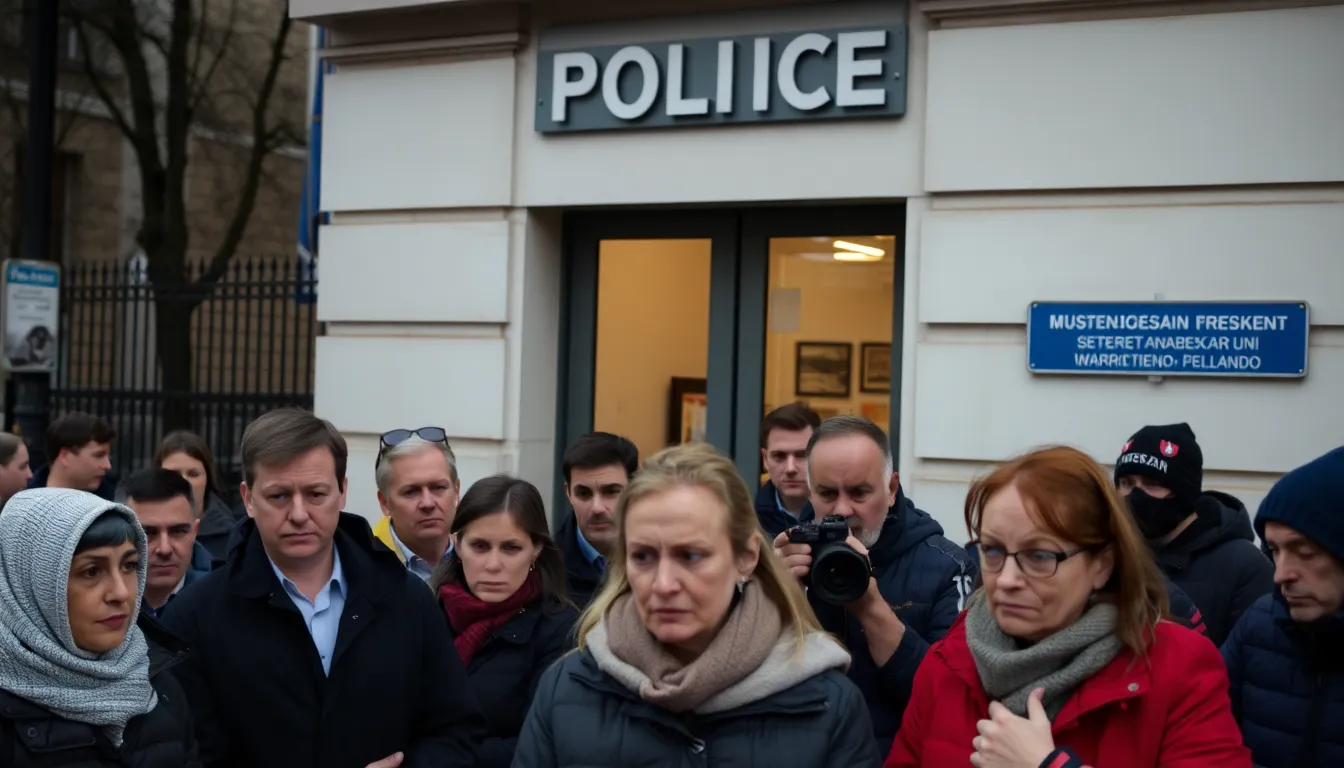
Historically, Poland and Ukraine have shared a tumultuous relationship, marked by periods of both cooperation and conflict. The dissolution of the Soviet Union in 1991 allowed Ukraine to assert its independence, but this also led to a resurgence of nationalistic sentiments in both countries. The Russian annexation of Crimea in 2014 and the subsequent war in Eastern Ukraine have further complicated this dynamic, with Poland aligning itself more closely with Ukraine in opposition to Russian aggression. The researcher’s arrest can be seen as a reflection of this ongoing struggle, with Poland attempting to support Ukraine’s sovereignty while navigating its own diplomatic relations with Russia.
The Role of International Law
International law plays a crucial role in the context of this arrest. Poland’s actions may be influenced by its commitments to international treaties and obligations, particularly those concerning human rights and the treatment of individuals accused of crimes. The researcher, who is reportedly linked to activities that Ukraine deems as criminal, raises questions about extradition laws and the balance between national security and individual rights. Russia’s warning to Poland highlights its perspective that this arrest is politically motivated, further straining relations between the two nations. For more on the implications of legal frameworks, read about a YouTuber’s legal troubles.
Moreover, the economic implications of this situation cannot be overlooked. Poland’s economy has been bolstered by its integration into European markets and its strategic position as a member of NATO. However, any deterioration in relations with Russia could have repercussions for trade and energy supplies, given Poland’s reliance on Russian gas. As tensions escalate, both countries must navigate the delicate balance between national interests and regional stability.
Analyzing the implications for Poland, Ukraine, and Russia
The recent arrest of a researcher in Poland, who is wanted by Ukraine, has sparked significant tension between Russia and Poland. This incident highlights the complex interplay of national interests, legal frameworks, and geopolitical dynamics involving these three nations. Each actor involved has distinct motivations that shape their responses and strategies in this situation.
Poland’s interest lies in maintaining its sovereignty and upholding its legal obligations, as it navigates its role within the European Union and NATO. The Polish government may view the arrest as a necessary step in supporting Ukraine’s efforts against perceived aggression from Russia. However, this action could also provoke a diplomatic backlash from Russia, complicating Poland’s foreign relations and security landscape.
Ukraine, on the other hand, is keen on securing international support against Russian influence and aggression. By seeking the extradition of the researcher, Ukraine aims to reinforce its narrative of resistance and bolster its legal claims in the ongoing conflict with Russia. This situation underscores Ukraine’s reliance on international partnerships, particularly with Poland, to strengthen its position on the global stage. To explore more on international relations, check our coverage of Raducanu’s ordeal.
Russia’s warning to Poland reflects its broader strategy of asserting influence in the region and challenging actions it perceives as hostile. The Kremlin may leverage this incident to rally domestic support and distract from its own internal issues. Additionally, Russia’s response could include economic or diplomatic measures aimed at Poland, which would further strain relations and exacerbate existing tensions in Eastern Europe.
- Legal implications: The arrest raises questions about extradition laws and international cooperation in legal matters.
- Geopolitical tensions: The incident could escalate tensions between NATO members and Russia, impacting regional stability.
- Public perception: The way this situation is handled may influence public opinion in Poland regarding its relationship with Ukraine and Russia.
- Economic repercussions: Potential sanctions or retaliatory measures from Russia could affect trade and economic relations in the region.
- Security considerations: Poland may need to reassess its security strategies in light of increased threats from Russia.
Potential impacts on diplomatic relations in Eastern Europe
The recent warning from Russia regarding the arrest of a researcher wanted by Ukraine has significant implications for various groups and industries in Eastern Europe. Primarily, this situation affects diplomatic relations among Russia, Poland, and Ukraine, leading to heightened tensions that could spill over into other regional interactions.
In the short term, the immediate impact may be felt by government officials and diplomats who are navigating the complex landscape of Eastern European politics. The potential for retaliatory measures from Russia could lead to increased scrutiny of Polish operations and a reevaluation of cooperative agreements with Ukraine. This could disrupt trade and diplomatic dialogues, affecting industries reliant on cross-border cooperation.
Mid-term effects may extend to the academic and research sectors, particularly those involved in international studies or collaborations. Researchers and institutions may face increased challenges in securing funding or partnerships due to the geopolitical climate. Additionally, the tension may deter foreign investment in Poland and Ukraine, as investors seek stability in their operations.
- Government and Diplomatic Relations: Increased tension may lead to strained diplomatic ties.
- Academic and Research Communities: Potential disruptions in international collaborations and funding.
- Business Environment: Heightened risk perception may deter foreign investments.
Despite these risks, there are potential opportunities for businesses that can navigate the changing landscape effectively. Companies specializing in security and risk management may find increased demand for their services as governments and organizations seek to protect their interests in uncertain times. Additionally, firms with expertise in conflict resolution may play a vital role in facilitating dialogue and fostering stability in the region.
A: The researcher was arrested based on a warrant issued by Ukraine, which accuses him of involvement in activities against the state. A: Russia has warned Poland that the arrest could have serious diplomatic repercussions and has called for the immediate release of the researcher. A: The incident complicates Poland’s relationship with Ukraine as it navigates its role in supporting Ukraine amid ongoing tensions with Russia. A: This situation may escalate tensions in Eastern Europe, affecting alliances and diplomatic efforts among neighboring countries. A: International reactions are still unfolding, with various countries monitoring the situation closely and assessing their diplomatic stances.
Frequently asked questions about the situation
Key takeaways and future outlook on the issue
The recent warning from Russia regarding Poland’s arrest of a researcher linked to Ukraine highlights the escalating tensions in Eastern Europe. This situation underscores the complexities of international diplomacy, particularly as nations navigate their positions amid ongoing conflicts. The implications of this incident extend beyond bilateral relations, potentially influencing broader geopolitical dynamics and the responses of other nations involved in the region.
<pAs both Poland and Russia reassess their strategies, it is crucial to monitor how this incident may shape future interactions between NATO allies and Russia, as well as the potential repercussions for Ukraine's ongoing conflict. The international community's reaction will also play a significant role in determining the trajectory of these relations.
- Watch for potential diplomatic responses from NATO and the EU regarding Poland’s actions and Russia’s threats.
- Consider the impact on Poland’s internal politics as it navigates relations with both Ukraine and Russia.
- Monitor Russia’s next steps, as further escalation could lead to heightened tensions in the region.
- Observe how this incident might affect the broader narrative surrounding Ukraine’s sovereignty and its fight against Russian influence.
- Stay informed about public sentiment in Poland and other Eastern European countries regarding their stance on Russia and Ukraine.