


The contribution is part of a broader trend where prominent families engage in political funding, reflecting their values and beliefs. By supporting Trump, the Dells are aligning themselves with a figure who has maintained a significant presence in American politics since his presidency.
This move has sparked conversations about the implications of such financial support, particularly in relation to the younger generation. As children of influential figures often inherit not only wealth but also political leanings, this contribution may shape their perspectives and future engagements in civic matters.
As the political landscape continues to evolve, the actions of families like the Dells highlight the intersection of wealth, influence, and political allegiance. Observers are keenly watching how this contribution may resonate within the broader context of political fundraising and youth engagement in the electoral process.
Understanding the background of political contributions by families
The Dell family, known for its connection to the technology giant Dell Technologies, is now making headlines for their decision to contribute to political accounts for their children, specifically in support of former President Donald Trump.
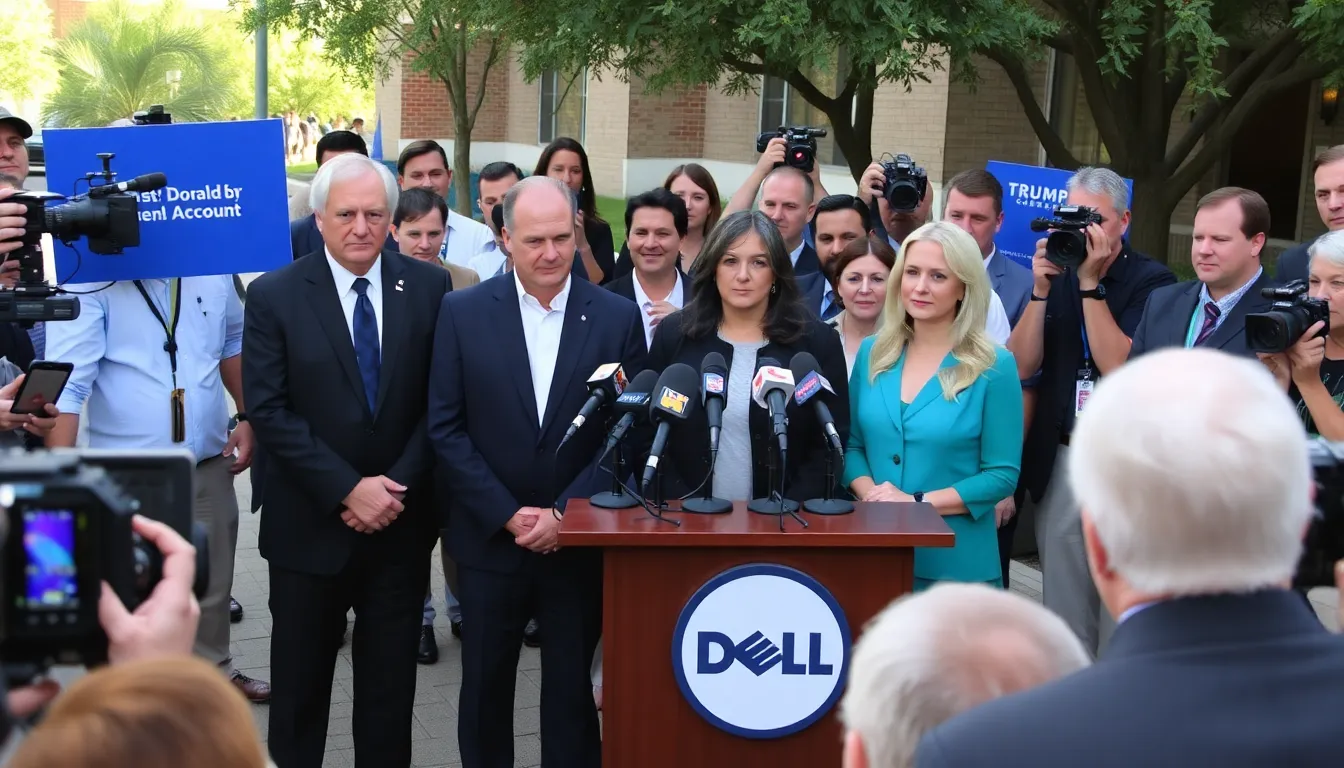
This practice is not new; families have been known to pass down political affiliations and financial support to ensure their legacy within political spheres.
The Role of Political Contributions
Political contributions serve as a means for individuals and families to exert influence over political processes. Over the years, legislation such as the Bipartisan Campaign Reform Act (BCRA) has attempted to regulate campaign financing, yet loopholes and new avenues for contributions have emerged. The rise of super PACs and the Supreme Court’s ruling in Citizens United v. FEC (2010) further transformed the landscape, allowing for unlimited contributions from individuals and organizations. This has led to a scenario where families like the Dells can directly impact political campaigns from an early age, fostering a sense of political identity in their children.
The Dell family’s contribution to Trump accounts is not just a financial act; it also symbolizes a commitment to a particular political ideology. As political polarization continues to grow in the United States, such contributions highlight how financial backing can solidify support for specific candidates and policies, shaping the political future of the next generation. This phenomenon raises questions about the implications of wealth in politics, particularly regarding access and equity in the democratic process.
Examining the implications of family contributions in politics
The recent decision by the Dell family to contribute $250 to the Trump accounts for their children has sparked discussions about the role of familial financial support in political campaigns, bringing to light various stakeholders, including the Dell family and the Trump campaign.
At the forefront, the Dell family, known for their significant contributions to various philanthropic and political causes, may view this contribution as a means to instill political values in their children while also supporting a candidate who aligns with their beliefs. The Trump campaign, on the other hand, benefits from such contributions as they enhance campaign financing, allowing for greater outreach and engagement with voters. This relationship raises questions about the influence of wealthy families in shaping political landscapes.
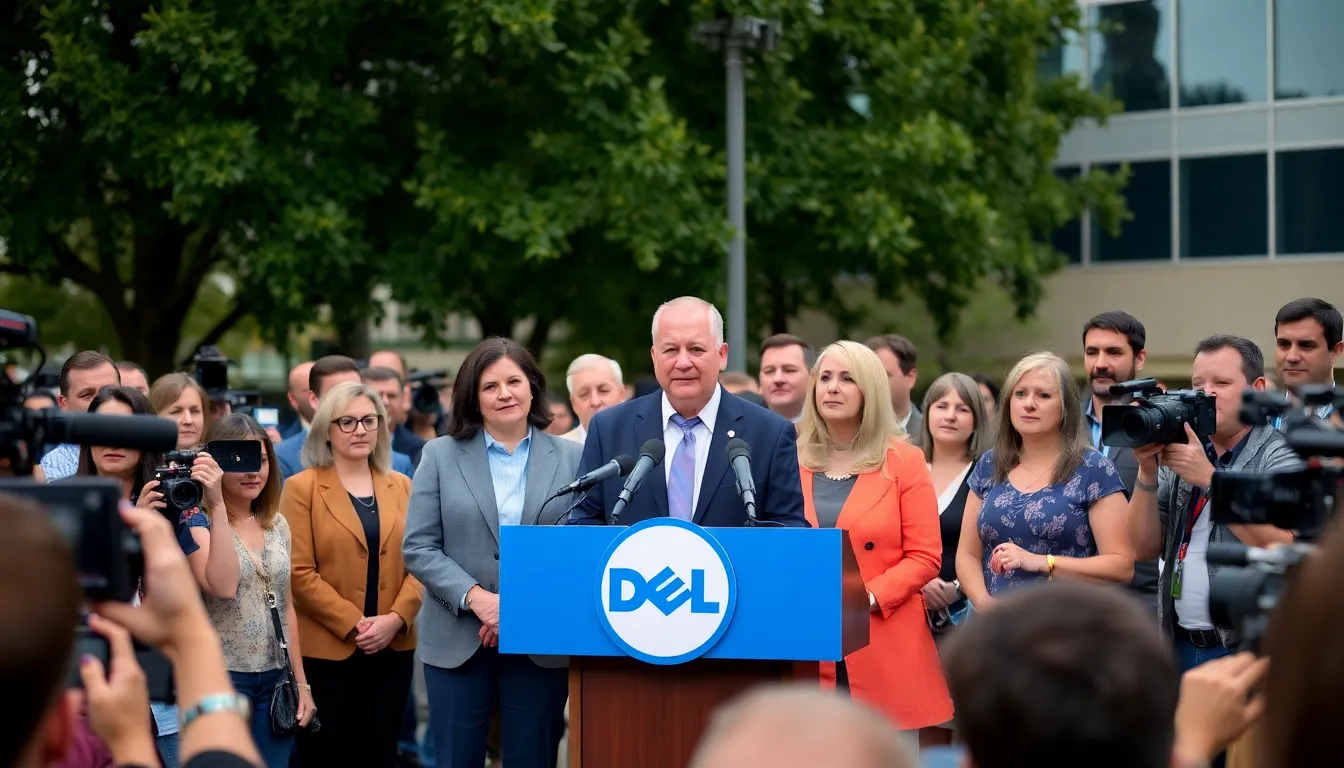
Key issues arising from this situation include the potential for increased political polarization, as contributions from affluent families can create disparities in campaign resources. Additionally, there are concerns regarding the ethical implications of young individuals being associated with political donations, which could affect their public perception and personal development. The legal framework surrounding campaign financing also plays a critical role, as regulations dictate the limits and transparency of contributions.
- Influence of Wealth: The Dell family’s contribution highlights how financial resources can sway political outcomes and amplify certain voices over others.
- Political Socialization: The act of involving children in political contributions raises questions about the impact on their future political engagement and beliefs.
- Regulatory Challenges: This situation underscores the ongoing debates surrounding campaign finance laws and the need for transparency in political donations.
- Public Perception: The involvement of high-profile families in political donations can lead to public scrutiny and potential backlash.
- Ethical Considerations: The ethics of allowing minors to be tied to political contributions may lead to discussions about appropriate boundaries in political finance.
How this contribution affects the political landscape and children’s involvement
The recent decision by the Dell family to contribute $250 to Trump accounts for their children highlights a growing trend among affluent families in the United States. This move not only affects the political landscape but also has implications for various groups, industries, and regions. The primary stakeholders include political parties, educational institutions, and families across the socioeconomic spectrum.
In the short term, this contribution may reinforce the existing political divides, as families with means leverage their resources to influence political narratives. This could lead to increased visibility for certain political agendas, particularly those aligned with Trump, potentially affecting local and national elections. Additionally, educational institutions may see a shift in how political engagement is taught, as discussions around funding and influence become more prominent.
Mid-term impacts may include changes in policy discussions surrounding campaign finance and children’s involvement in politics. As more families engage in political contributions, there may be a push for transparency in how funds are used and the influence they wield. This could lead to stricter regulations or, conversely, a relaxation of rules that allow for increased political donations from families.

- Increased political engagement: Families may feel empowered to participate in political processes.
- Potential backlash: This could provoke criticism from those who view such contributions as undue influence on the political system.
- Educational shifts: Schools may adapt curricula to include discussions on political contributions and their effects.
- Opportunities for advocacy: Nonprofits and advocacy groups may emerge to address the implications of wealth in politics.
Overall, while the Dell family’s contribution represents a personal decision, it is indicative of broader trends that could reshape how politics and family involvement intersect in the future. The risks and opportunities presented by such actions will likely influence both societal norms and policy discussions moving forward.
A: The Dell family believes in supporting political figures they align with, and this contribution reflects their values and beliefs. A: Contributions like these can help bolster campaign funds, allowing for more extensive outreach and advertisement efforts. A: Yes, there are regulations governing political contributions, and families must adhere to these laws to ensure compliance. A: This may encourage children to engage more in political discussions and understand the importance of civic participation. A: Absolutely, any individual or family can contribute to political accounts as long as they follow the legal guidelines.
Frequently asked questions about the Dell family’s contribution
Key takeaways and future implications of family political contributions
The recent decision by the Dell family to contribute $250 to Trump accounts for their children highlights the growing trend of familial involvement in political funding. This move not only reflects personal political affiliations but also sets a precedent for how political engagement can be nurtured from a young age. As political contributions become more commonplace among families, it raises questions about the influence of such early financial support on future political landscapes.
Observing the impact of these contributions will be crucial, especially as they may inspire similar actions from other families. The implications of this trend could extend beyond individual campaigns, potentially reshaping how political funding is perceived and utilized in the future.
- Increased visibility of family-based political contributions may encourage others to engage in similar practices.
- Potential for a new generation of politically active individuals influenced by familial financial support.
- Shifts in political funding dynamics as families become more involved in campaign financing.
- The role of social media in amplifying these contributions and their implications on public perception.
- Monitoring how these contributions affect the candidates’ outreach to younger voters and families.