


The announcement was made during a campaign rally on October 15, 2023, where Trump emphasized the importance of attracting high-net-worth individuals. He argued that such investments could bolster American industries and lead to significant financial contributions to local communities.
Critics of the initiative have raised concerns about its implications for immigration policy and equity. They argue that prioritizing wealthy immigrants over those seeking refuge or better opportunities undermines the foundational principles of the U.S. immigration system, which has historically favored family reunification and humanitarian considerations.
As the 2024 presidential election approaches, this proposal adds to the ongoing debate about immigration reform in the United States. Supporters view it as a potential economic boon, while opponents fear it could exacerbate existing inequalities in the immigration process.
Understanding the background of the gold card visa program
The concept of a ‘gold card’ visa program is not entirely new in the realm of immigration policy. Historically, various countries have implemented similar programs aimed at attracting high-net-worth individuals and skilled professionals. These initiatives often reflect broader economic strategies designed to stimulate investment, create jobs, and enhance the overall competitiveness of the nation. The introduction of such a program by former President Donald Trump adds a new dimension to the ongoing debate surrounding immigration in the United States.
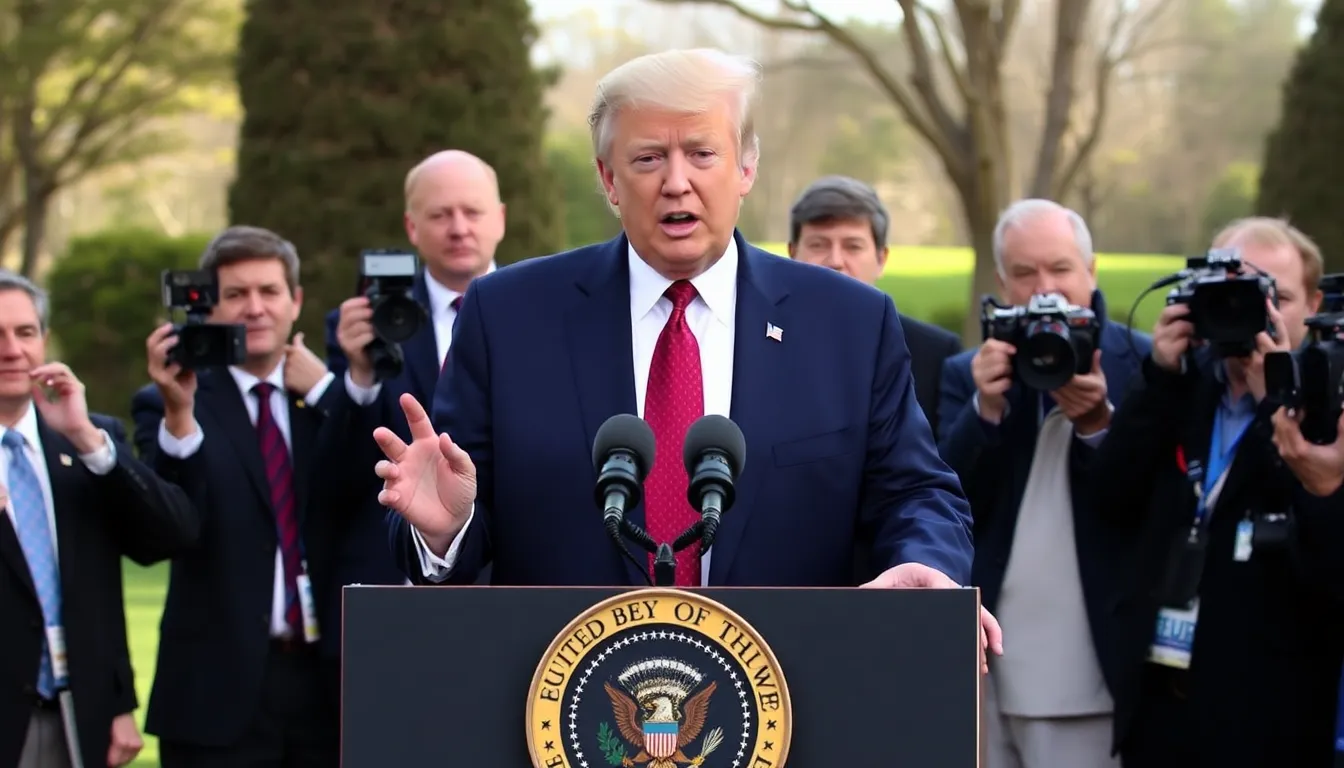
Trump’s proposal for a $1 million ‘gold card’ immigration visa comes at a time when immigration policy has been a contentious issue in American politics. Since his presidency, the discussion around immigration has often been polarized, with proponents arguing for stricter controls and opponents advocating for more inclusive policies.
Historical Precedents
Looking back, the United States has seen various immigration reforms aimed at attracting foreign investment. The EB-5 Immigrant Investor Program, established in 1990, allowed foreign nationals to obtain a green card by investing a minimum amount in a U.S. business that creates jobs. This program has faced criticism and reform over the years, reflecting the complexities of balancing economic needs with public sentiment on immigration.
Moreover, the economic landscape has shifted significantly over the past few decades, with globalization increasing the flow of talent and capital across borders. The rise of tech hubs and the demand for skilled labor have led many countries to adopt more favorable immigration policies to attract talent. Trump’s initiative can be seen as a response to these global trends, aiming to position the U.S. as a competitive destination for wealthy immigrants.
As the political climate continues to evolve, the implications of the gold card visa program will likely spark further debate on the intersection of immigration, economics, and national identity. Understanding the historical context of such initiatives is crucial in assessing their potential impact on American society and the economy.
Key stakeholders and issues surrounding the gold card visas
The introduction of the $1 million ‘gold card’ immigration visas by former President Donald Trump has sparked significant interest and debate among various stakeholders. These include potential investors, immigration advocates, government agencies, and the general public. Each of these groups has distinct interests and concerns regarding the implications of such a program.

Potential investors, particularly wealthy individuals from abroad, are the primary target for these visas. They are likely attracted by the opportunity to gain permanent residency in the United States in exchange for a substantial financial investment. This could lead to increased foreign capital inflow, which some argue could boost the economy. However, critics contend that this approach commodifies citizenship and may prioritize wealth over merit, raising ethical concerns about immigration policy.
Immigration advocates and human rights organizations are another key group involved in this discourse. They often argue that programs like the gold card visa can exacerbate inequalities within the immigration system, favoring affluent individuals while neglecting those who may be fleeing persecution or seeking asylum. This creates a conflict between economic interests and humanitarian values, as advocates push for a more equitable immigration framework that prioritizes family reunification and humanitarian needs.
Government agencies, including the Department of Homeland Security and the U.S. Citizenship and Immigration Services, will also play a crucial role in the implementation and regulation of the gold card visa program. They face the challenge of balancing national security concerns with the desire to attract foreign investment. Additionally, legal issues may arise regarding the legitimacy and oversight of such a visa category, particularly around the potential for fraud or misuse.
- Economic Impact: Potential benefits from foreign investments versus the risks of economic disparity.
- Ethical Considerations: The morality of selling citizenship and its implications for immigration policy.
- Regulatory Challenges: The responsibilities of agencies in overseeing the visa program and ensuring compliance.
- Public Perception: How the general public views the commodification of immigration and its effects on societal values.
- International Relations: The impact on the U.S.’s global standing and relationships with other countries.
Potential impact on the immigration landscape and economy
The introduction of the $1 million ‘gold card’ immigration visa by Trump is poised to significantly affect various groups, industries, and regions across the United States. High-net-worth individuals looking to relocate to the U.S. may find this opportunity appealing, thereby attracting wealthy immigrants from countries with economic instability or restrictive immigration policies. This could lead to an influx of talent and investment, particularly in major urban centers like New York, Los Angeles, and San Francisco.

In the short term, businesses in sectors such as real estate, luxury goods, and financial services may experience a boost as wealthy immigrants seek housing, services, and investment opportunities. Cities that are already popular among affluent immigrants may see a surge in demand for high-end properties, which could drive up prices and impact local economies. Additionally, industries reliant on skilled labor may benefit from the influx of highly educated individuals, potentially filling gaps in the workforce.
However, there are also risks associated with this immigration policy. The introduction of such a high-cost visa could exacerbate existing inequalities by favoring the wealthy while leaving lower-income immigrants without viable pathways to enter the U.S. This could lead to social tensions and pushback from communities concerned about the implications of prioritizing wealth over merit. Moreover, there may be political ramifications as this policy could intensify debates around immigration reform and economic disparity.
In the mid-term, the long-term effects on U.S. immigration policy could be profound. If successful, the ‘gold card’ visa program may inspire similar initiatives, leading to a more tiered immigration system that favors affluent individuals. This could reshape the demographic landscape of the U.S. and influence policy discussions around immigration, citizenship, and economic contribution.
- Increased demand for luxury housing and services in major cities.
- Potential for workforce gaps to be filled by skilled immigrants.
- Heightened social tensions due to perceived inequality in immigration access.
- Long-term shifts in immigration policy towards wealth-based criteria.
A: The gold card immigration visa is a new program introduced by Trump that allows wealthy individuals to gain entry into the U.S. by investing $1 million. A: Eligibility for the gold card visa primarily targets high-net-worth individuals who can afford the investment requirement. A: Unlike traditional visa options, the gold card program focuses on attracting wealthy investors rather than skilled workers or family members. A: The program aims to boost the economy by attracting foreign investment and creating jobs, potentially leading to economic growth. A: Yes, critics argue that it could prioritize wealth over merit and exacerbate inequalities in the immigration system.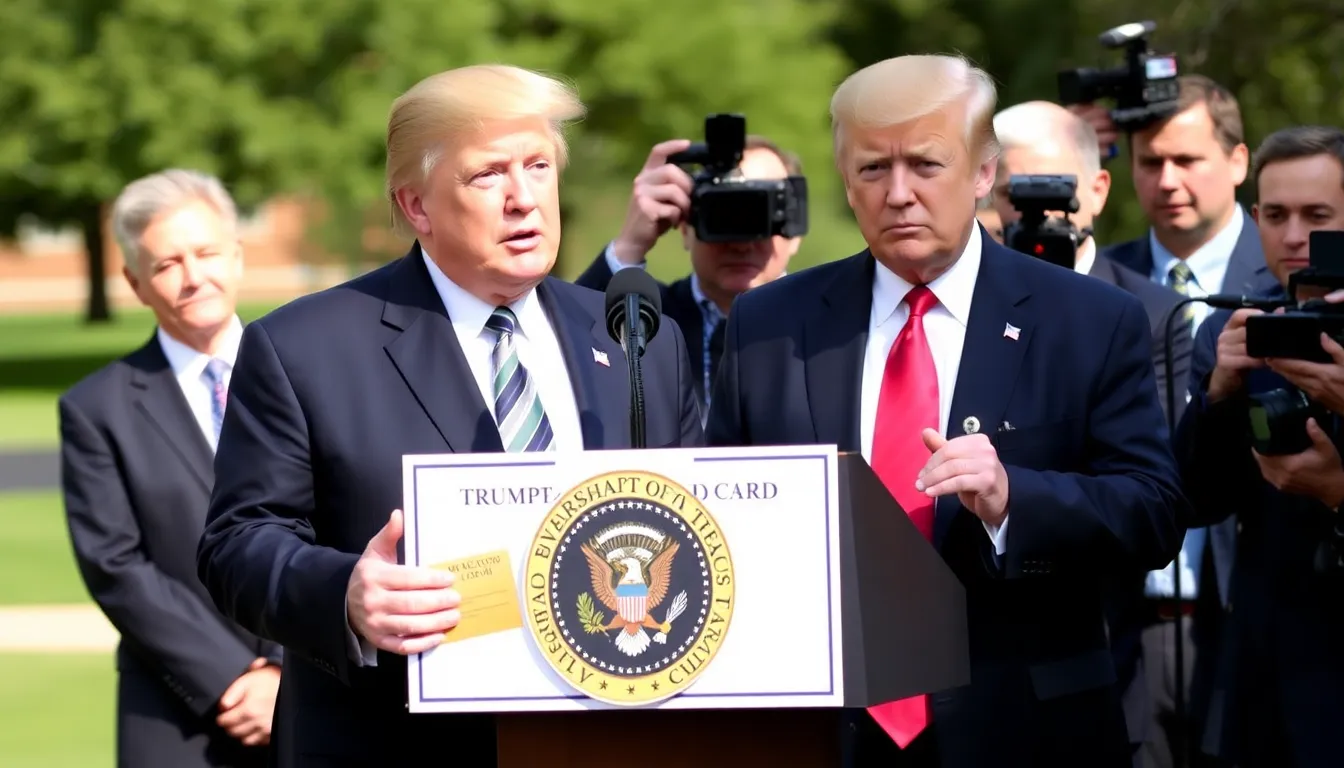
Frequently asked questions about the gold card visa program
Insights on the future of the gold card immigration visas
The introduction of the $1 million gold card immigration visa by Trump marks a significant shift in the landscape of U.S. immigration policies. This initiative not only aims to attract wealthy individuals but also raises questions about accessibility and the implications for the current immigration system. As this proposal unfolds, stakeholders will need to consider both the economic benefits and the potential societal impacts of prioritizing high-net-worth individuals in the immigration process.
Watching how this initiative is received by both the public and lawmakers will be crucial. The response could shape future immigration reforms and influence the broader conversation around economic immigration and its role in the U.S. economy.
- The gold card visa could lead to increased investment in the U.S., potentially boosting local economies and creating jobs.
- There may be growing concerns about equity and fairness in the immigration system, particularly regarding access for individuals from lower-income backgrounds.
- This program could set a precedent for other countries to adopt similar models, impacting global immigration trends.
- Monitoring the regulatory framework around these visas will be essential to understand how they will be implemented and enforced.
- Public sentiment and political reactions will play a critical role in the longevity and success of the gold card immigration visa initiative.