


His leadership was characterized by a focus on innovation and quality, which helped revive the Ford brand and restore consumer confidence. Under his guidance, the company launched several successful models, including the Ford Taurus, which became a best-seller and set new standards for design and engineering in the industry.
His contributions to the industry were recognized with numerous awards, including his induction into the Automotive Hall of Fame, highlighting his legacy as a transformative leader.
The news of his passing has prompted reflections on his remarkable career and the lasting influence he had on the automotive landscape. As the industry continues to evolve, Petersen’s vision and strategies remain relevant, underscoring the importance of strong leadership in navigating change.
A look back at Petersen’s contributions to Ford Motor Company
Petersen’s vision and strategic decisions helped to revitalize Ford, steering it towards innovation and modernization.
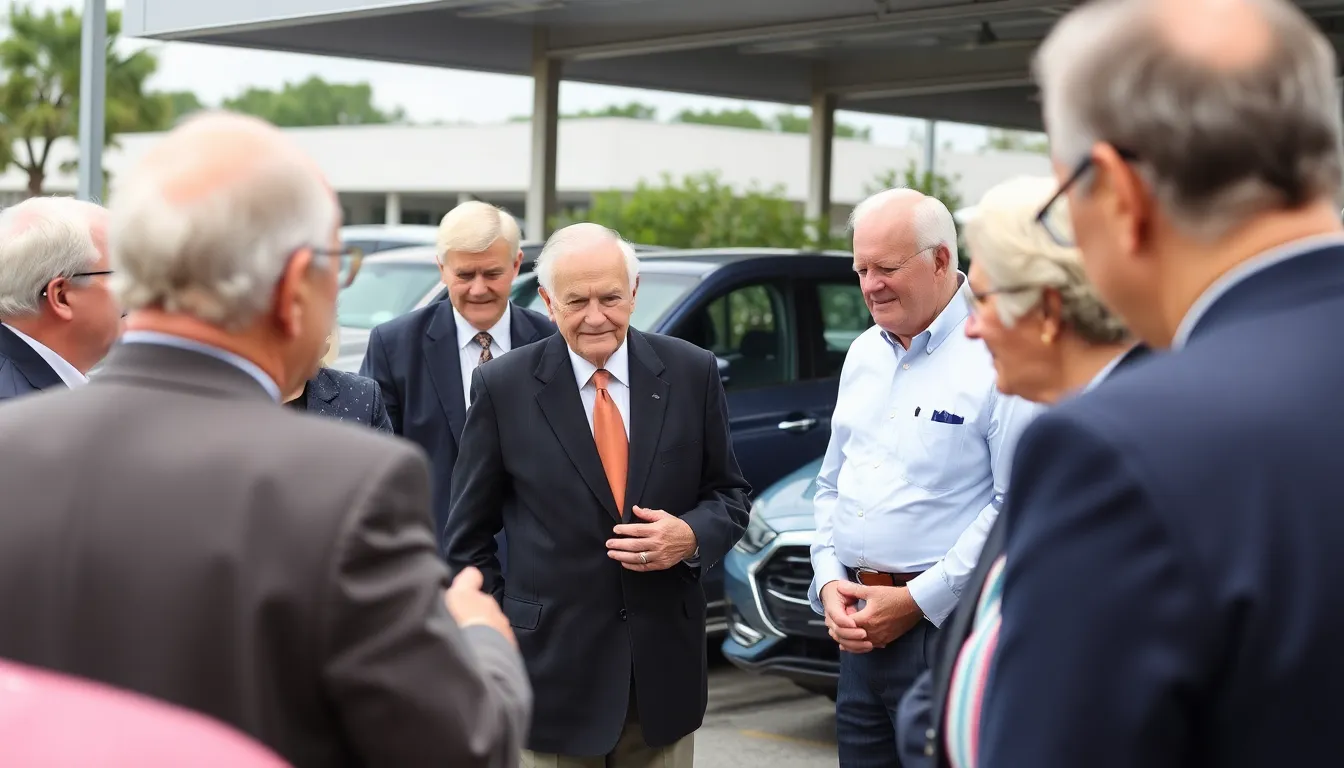
Born in 1926, Petersen joined Ford in 1947 and steadily climbed the corporate ladder. By the time he became the CEO in 1985, the company was struggling with an aging product line and declining sales. Under his guidance, Ford introduced a series of successful models, including the Ford Taurus, which became a best-seller and symbolized a new era of design and engineering for the company. This shift not only improved Ford’s financial standing but also reinvigorated its brand image.
This approach not only helped Ford regain consumer trust but also set a new standard within the industry, influencing competitors to adopt similar practices.
The Economic Landscape of the 1980s
The automotive industry in the 1980s was characterized by economic turbulence and shifting consumer preferences. The oil crisis of the 1970s had prompted a demand for more fuel-efficient vehicles, which Japanese manufacturers excelled at producing. Petersen’s response to this economic landscape was to innovate Ford’s product offerings, ensuring they aligned with consumer desires for efficiency and reliability. His ability to navigate these economic challenges was instrumental in Ford’s recovery and growth during a critical decade for the automotive sector.
Understanding Petersen’s impact on stakeholders and the automotive market
Donald E. Petersen’s passing at the age of 97 marks the end of an era for Ford Motor Company and the broader automotive industry. His leadership during a critical period for Ford not only salvaged the company from financial turmoil but also reshaped the landscape of American automotive manufacturing. This section explores the key stakeholders involved and the significant issues that emerged during his tenure.
One of the primary stakeholders affected by Petersen’s influence is Ford Motor Company itself. Under his guidance, Ford transitioned into a more competitive entity, focusing on innovation and quality. This shift not only benefited the company but also had ripple effects on its suppliers, employees, and shareholders, all of whom had vested interests in the company’s success.

Another crucial actor in this narrative is the U.S. government, which plays a significant role in regulating the automotive industry. Economic policies and regulations can directly impact manufacturers like Ford, influencing everything from labor laws to environmental standards. During Petersen’s leadership, the government was navigating the challenges of an oil crisis and rising environmental concerns, which required Ford to adapt quickly to maintain compliance and competitive edge.
- Economic Interests: Stakeholders such as investors and suppliers had financial stakes in Ford’s performance, making their interests closely tied to Petersen’s strategies.
- Legal Challenges: The automotive industry often faces regulatory scrutiny, and Petersen’s decisions were pivotal in navigating these legal landscapes.
- Technological Innovation: The push for more fuel-efficient vehicles during Petersen’s era highlighted the trade-offs between innovation and cost, affecting both consumers and manufacturers.
- Labor Relations: Petersen’s leadership also impacted labor relations, as he had to balance the interests of employees with the company’s financial health.
In summary, Donald E. Petersen’s legacy is intertwined with the interests of various stakeholders, each of whom faced unique challenges and opportunities during his tenure. His ability to navigate conflicts and make strategic trade-offs not only saved Ford but also set a precedent for the automotive industry as a whole.
The legacy and influence of Petersen on future generations
The passing of Donald E. Petersen at the age of 97 marks a significant moment for various stakeholders in the automotive industry and beyond. His leadership at Ford Motor Company not only reshaped the company but also had far-reaching effects on the global automotive market, influencing manufacturers, suppliers, and consumers alike. As the industry mourns his loss, it is essential to understand which groups are affected and the implications for the future.
In the short term, Petersen’s death may lead to a period of reflection within Ford and the broader automotive sector. Executives and employees will likely revisit his strategies and leadership style, which could inspire a renewed focus on innovation and sustainability. Additionally, industry analysts and investors may reassess their outlook on Ford, potentially impacting stock prices and investment strategies.
In the mid-term, various industries connected to automotive manufacturing, such as steel, electronics, and logistics, may feel the ripple effects of Petersen’s legacy. His emphasis on quality and efficiency could prompt a reevaluation of supply chain practices and partnerships. Furthermore, policymakers may consider his contributions when discussing regulations and standards in the automotive sector, particularly regarding environmental impacts and safety.

- Automotive Industry: A renewed focus on innovation and sustainability.
- Investors: Potential fluctuations in stock prices and investment strategies.
- Suppliers: Reevaluation of supply chain practices and partnerships.
- Policymakers: Consideration of regulations influenced by Petersen’s legacy.
While there are risks associated with the transition of leadership and potential market instability, there are also opportunities for new leaders to emerge who can build on Petersen’s vision. Companies that adapt quickly and embrace change may find themselves at the forefront of the next wave of automotive innovation, paving the way for a more sustainable and competitive future in the industry.
A: Donald E. Petersen is credited with revitalizing Ford during the 1980s, introducing innovative management practices and focusing on quality and customer satisfaction. A: Petersen emphasized open communication and collaboration, fostering a culture that encouraged creativity and accountability among employees. A: Petersen navigated Ford through economic downturns and intense competition, implementing strategies that ultimately helped the company regain its footing. A: Petersen’s legacy includes a commitment to innovation and quality, setting a standard for leadership in the automotive sector that continues to influence executives today. A: Petersen’s death has prompted reflections on his significant contributions and the lasting impact he had on the industry, inspiring many current and future leaders.
Frequently asked questions about Donald E. Petersen
Key takeaways and future outlook on Petersen’s contributions
Donald E. Petersen’s legacy at Ford Motor Co. is marked by a transformative leadership style that not only salvaged the company during a critical period but also set a precedent for corporate governance and innovation in the automotive industry. His emphasis on quality and customer satisfaction reshaped Ford’s approach, ensuring that the brand remained competitive in an evolving market. As the industry faces new challenges, including technological advancements and sustainability pressures, Petersen’s insights into effective leadership and strategic foresight remain relevant.
Looking ahead, the automotive sector can draw valuable lessons from Petersen’s tenure. Understanding the balance between innovation and maintaining core values will be essential for companies navigating the complexities of modern consumer demands and environmental responsibilities.
- Leadership Style: Emphasizing the importance of adaptive leadership that responds to market changes can drive future success.
- Focus on Quality: Maintaining a commitment to quality and customer satisfaction will be crucial for brands aiming to build long-term loyalty.
- Innovation with Purpose: Future advancements should align with sustainable practices, echoing Petersen’s vision of responsible growth.
- Corporate Culture: Fostering a culture that values employee input and engagement can lead to more resilient organizations.
- Strategic Planning: Long-term strategies that prioritize flexibility and responsiveness to consumer trends will be key in a rapidly changing industry.